
Surrounded by the blue sweep of the Mediterranean and watched over by mountains, Antalya is a city where living history shapes the everyday. As the city’s old walls and modern buildings meet, Antalya’s heart beats with stories from distant eras Hellenistic, Roman, Seljuk, Ottoman. This is a place where travelers find not only sun and sea, but also a legacy set into every cobbled street and stone portal. With its mix of extraordinary historic sites, thriving local markets, and unique landscapes, Antalya offers more than the postcard view; it invites curiosity into ancient streets, local flavors, and traditions passed down through generations. For those searching for “Antalya travel guides,” “must-see Antalya,” or “things to do in Antalya,” the city’s blend of old and new, east and west, will keep you wandering longer than planned.
Table of Contents
Strolling the Timeless Streets of Kaleiçi
My walk began in Kaleiçi, the old town of Antalya, where narrow lanes wind between tall Ottoman houses with overhanging wooden balconies. The area is enclosed by ancient city walls, some sections still bearing the mark of Roman masons. Wooden shutters rattle in the sea breeze, and bougainvillea spills over stone. In one quiet corner, a group of artisans restored a crumbling archway evidence that the city values conservation as much as beauty. I felt the centuries breathe around me, with every curved alley offering a peek into Antalya’s layered past.
Kaleiçi is more than a tourist stop; it is a living mosaic of cultures. Mosques, churches, and ruined Roman temples share the same sun-dappled courtyards. I paused at a small teahouse beside the clock tower (Saat Kulesi), where men played backgammon and children recited poetry for their grandparents. If you are curious about daily customs, this is where to watch them unfold: greetings with a polite “Merhaba,” and local women exchanging news in the shaded corners. The district also offers distinctive shops for handmade copper, carpets, and ceramics modern crafts echoing traditions from the Silk Road era.

Marveling at Hadrian’s Gate and Ancient Fortifications
A short walk from the twisting streets of Kaleiçi leads to Hadrian’s Gate, a gateway built in honor of the Roman Emperor Hadrian’s visit in 130 AD. The white marble arch, with its ornate carvings and three passageways, still shows traces of ancient chariot wheels. As I passed beneath its arches, sunlight filtered through the columns, and I could almost imagine Roman merchants arriving with spices, olive oil, and colored glass.
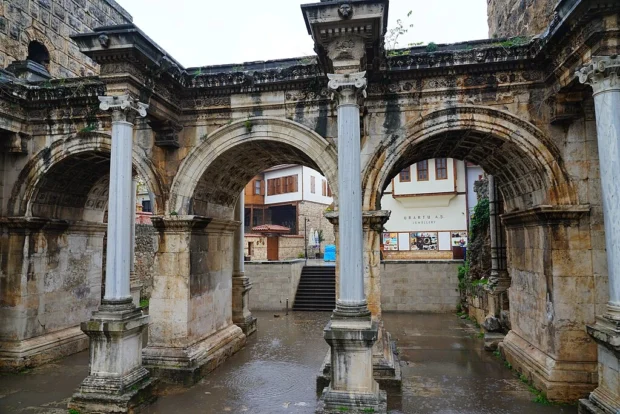
This gate marks the boundary where old city walls once protected Antalya’s heart from invaders. If you walk along the remains, you will notice the careful masonry some stones are Roman, others from Seljuk and Ottoman repairs. Every block, every patch of restoration, tells of Antalya’s importance as a city on major trade routes connecting Anatolia with the eastern Mediterranean.
After enjoying Antalya’s ancient trades routes, discover similar stories along the Silk Road in Xi’an, a city rich in history and vibrant culture.
Antalya Museum: A Journey from Antiquity to Today
For those who seek a deeper understanding of this region’s continuous story, Antalya Museum presents a remarkable collection. I spent hours wandering through rooms filled with statuary, sarcophagi, and mosaics excavated from Perge Ancient City, Termessos, and other nearby sites. One entire hall is dedicated to the gods and goddesses once worshipped here an impressive assembly that includes the massive statues of Artemis and Apollo.

What startled me most was the room showing restoration practices: broken pottery painstakingly reassembled and detailed descriptions of ancient burial customs. The museum speaks not only to the glory of the past but to the careful hands that preserve it today. Schoolchildren listened with wide eyes as a guide recited myths of local heroes; this, too, is part of Antalya’s living heritage.
Coastal Life: Konyaaltı and Lara Beaches
After the cool halls of the museum, the coastline beckoned. Konyaaltı Beach stretches west below rugged cliffs, pebbled and lively, where families gather for long afternoons and the mountain view is always near. The promenade, lined with palms and bustling cafes, offers a perfect spot to sample dondurma (Turkish ice cream) while watching paragliders descend toward the shore. Here, Antalya’s modern side meets the rhythms of leisure; the water is beautifully clear, and the music from open-air restaurants floats into the night.
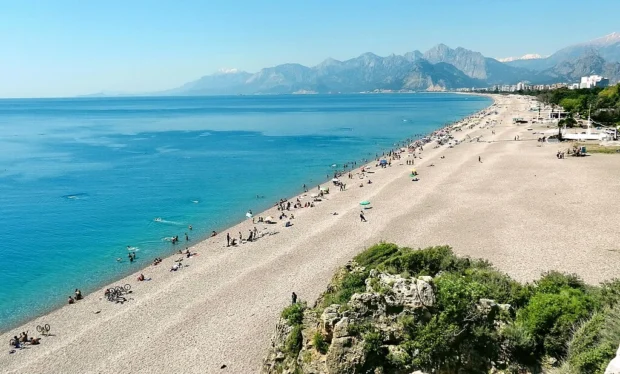
On the eastern side lies Lara Beach, with soft sand and wider spaces. The beach is popular for its sunrises and water sports, but I found myself more interested in the small food stalls nearby. I tasted gözleme, a thin, handmade flatbread filled with cheese and herbs, made by women from local villages. A cheerful “Afiyet olsun!” (meaning “Enjoy your meal!”) is the usual send-off while you eat. Both beaches reflect Antalya’s dual identity: historic city and seaside resort side by side.
The Ancient Cities: Perge, Aspendos, and Termessos
No trip to Antalya is complete without a visit to its ancient cities, which rise out of the fields and forest like echoes from another world. Perge Ancient City, just east of the city, impresses with its wide colonnaded streets and baths. As I entered through the monumental gate, I noticed how the stadium once seated thousands for athletic games a reminder of Perge’s former wealth and importance.

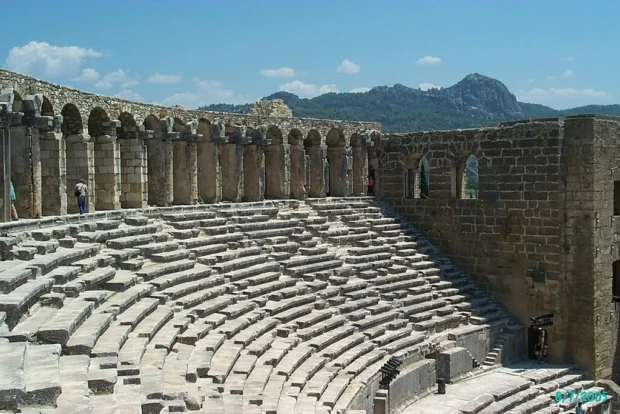
Nearby, Aspendos Theater stands almost perfectly preserved, its stone rows still used for concerts under the stars. When I visited, local students rehearsed a play on stage, their voices carrying up to the highest seats; the acoustic design is so excellent that a whisper travels from orchestra to the farthest arches. The ancient trade routes once brought drama, music, and commerce here, and the city’s aqueducts remain as evidence of Roman engineering genius.
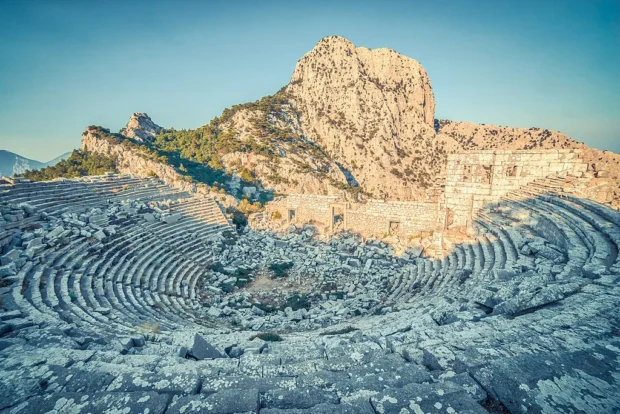
High above Antalya, hidden among pine forests, Termessos waits for those willing to hike the steep trail. The city’s isolated position saved it from conquest by Alexander the Great, and even today, wildflowers and orchids grow between its theater steps and tombs. The site’s solitude is striking no crowds, only the wind, the scent of herbs, and the sound of bees. Stories from local guides blend myth with fact; some say eagles led the original settlers to these heights. To me, Termessos felt like a sanctuary not just from history, but from modern life.
Waterfalls and Caves: The Nature of Antalya
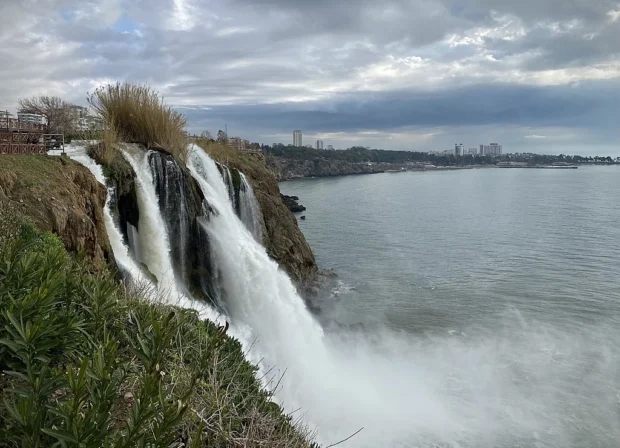
The region’s natural beauty reveals itself best at the Düden Waterfalls, a tranquil spot north of the city center. The upper falls tumble into lush gardens, where families picnic and children chase ducks near mossy rocks. There is a cave behind the falling water a cool, wet place where sounds are softened and light flickers on the walls. I met a group of students sketching the scene, their drawings capturing the play of green and blue. Local tradition says that making a wish here brings good fortune.

A bit farther, Karain Cave offers a different kind of wonder. This enormous cavern has sheltered people since the Paleolithic period long before any written records. Inside, stone tools and ancient bones reveal that Antalya’s story did not start with the Romans or even with the Greeks. The guides spoke quietly, out of respect for those who came before, pointing out faded cave paintings. The air was cool, the light dim, and the sense of connection to ancient Anatolia was unmistakable.

Cuisine and Marketplaces: Tastes of Antalya
Antalya’s kitchens share a harmony of flavors shaped by sea, mountain, and the traditions of many cultures. I made my way to the old town’s bazaar, where vendors called out “Buyurun!” (“Please, come in!”) as they offered samples of candied citrus and fragrant spices. The local specialty is piyaz, a salad of white beans, eggs, and tahini, usually served with grilled köfte (meatballs) and flatbread. In neighborhood eateries, especially in Muratpaşa, I enjoyed tandır kebab slow-cooked lamb, tender and rich, often reserved for family gatherings.
One afternoon, a family invited me to join them for a midday meal in their garden. The conversation flowed along with glasses of strong, sweet tea, and I was taught to say “Teşekkürler” (“Thank you”). The etiquette is warm: shoes off at the door, a light touch to the heart when greeting elders, and always sharing the last piece of bread. I noticed the focus on seasonal, fresh ingredients olives, tomatoes, aubergines and the pride in local olive oil. Desserts are not forgotten: baklava with pistachio, and lokum (Turkish delight) are offered with coffee or after lunch.
Practical Tips for Getting Around Antalya
Arriving in Antalya is straightforward. The airport sits less than 30 minutes from the city center, and a modern tram whisks visitors from the terminal through several districts toward the old town. The tram and city buses are clean, affordable, and run frequently; tickets are purchased from kiosks or small shops and offer easy connections across the city.
I found the tram particularly helpful for reaching Konyaaltı Beach, the museum, and the old town. For longer journeys to Perge, Aspendos, or Termessos comfortable minibuses leave from the central station (Otogar). English is spoken by many in tourist areas, but a few words of Turkish are always appreciated. Smile when saying “Merhaba” (hello), or “Kolay gelsin!” (literally, “may it be easy for you”) to market workers; it will bring a smile in return.
When searching for a place to stay, central Antalya offers many options, from traditional guesthouses in Kaleiçi to modern seaside lodgings. Many homes and pensions reflect the area’s historic architecture white walls, red roofs, and flowering gardens. The view from a terrace at dusk, with minarets rising above the rooftops and the sea beyond, leaves a lasting impression.
Etiquette, Traditions, and Everyday Life
Among the customs I observed, hospitality stands out as Antalya’s quiet hallmark. Invitations for tea are sincere, and it is polite to accept at least for a few minutes. Modest dress is expected in mosques and rural villages; shoulders and knees should be covered. Respect for elders is important, especially when greeting with a light handshake and sometimes a kiss on the hand.
The city’s rhythm is set by prayer calls and local markets. I witnessed a wedding procession in the streets of Kaleiçi, the sound of drums and clarinets mingling with the bells from a nearby church a sign that Antalya’s many traditions coexist in daily life. Restoration of old houses continues, both by local families and heritage groups, reflecting pride in vernacular architecture. These projects keep alive skills in woodworking, stone carving, and metalwork, often demonstrated in small workshops inside the old walls.
In rural districts near Antalya, farming, olive groves, and ancient trade routes shape the landscape. Oral traditions and folk songs, sometimes performed with the saz (a traditional string instrument), echo in village gatherings, especially during harvest season. From the mountains to the sea, each piece of Antalya is linked by stories and customs that still set the pace for daily life.
Final Reflections on Heritage and Hospitality
On my last evening, as I watched the sun set from the Roman harbor, the mountains glowed pink beyond the curve of the bay, fishing boats nodded quietly at anchor, and the city’s lamplight began to flicker on. The call to prayer rose above the rooftops, answered by the distant laughter from a wedding party. I understood then why Antalya has welcomed traders, poets, pilgrims, and travelers for all these centuries.
After exploring Antalya’s rich history, wander through Naples and Pompeii to see another ancient world preserved in stone and story.
Antalya’s true gift is the way it gathers together memories from many civilizations and keeps them alive in the texture of its streets, the warmth of its kitchens, and the generosity of its people. Whether you come for the ruins, the beaches, or the simple pleasure of tea at a garden table, the city reveals itself slowly with each conversation, each bite of sweet fruit, each step on ancient stone.
For those looking for “best things to do in Antalya,” or “what to see in Antalya,” the city promises more than monuments. Antalya offers an invitation into the ongoing story of its past and present a story written in stone, in water, and in the easy welcome of every “Merhaba.”
Consider visiting Zanzibar in Tanzania to experience another rich tapestry of culture, history, and coastal beauty unique from Antalya.
Explorer of historical towns, ancient ruins, and traditional markets, combining modern travel with interest in heritage.
- Antalya, Turkey March 2022 – Düden Park – Lower Düden Waterfalls by Sharon Hahn Darlin on Wikimedia Commons – cc by 2.0
- Hidirlik Tower, Kaleiçi old town, Antalya, Turkey (cropped) by Sharon Hahn Darlin on Wikimedia Commons – cc by 2.0
- 20180111 HardrianGate 5242 (28329751289) by Ray Swi-hymn from Sijhih-Taipei, Taiwan on Wikimedia Commons – cc by-sa 2.0
- Turkey-2622 (2216327975) by Dennis G. Jarvis on Wikimedia Commons – cc by-sa 2.0
- Antália Beach – panoramio (13) by Tanya Dedyukhina on Wikimedia Commons – cc by 3.0
- Perge (26 July 1993) 2 (46984229071) by Carl Campbell from Querétaro, Mexico on Wikimedia Commons – cc by-sa 2.0
- Antalya – 2005-July – IMG 3203 by Poudou99 on Wikimedia Commons – cc by 4.0
- Güllük Mountain National Park and Termessos ancient city 3 by Shanti Alex on Wikimedia Commons – cc by-sa 4.0
- Antalya. Lower Düden Waterfall by Bestalex on Wikimedia Commons – cc by-sa 4.0
- Karain by Klaus-Peter Simon on Wikimedia Commons – cc by 3.0

.jpg)
.jpg)
.jpg)
.jpg)
_2_(46984229071).jpg)


