
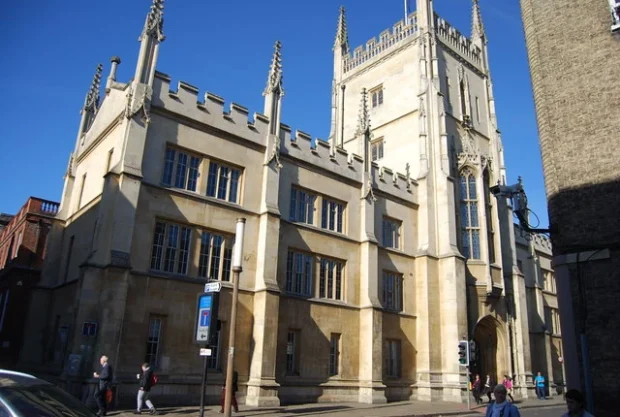
Cambridge attracts visitors from all over the world, and it’s easy to see why. The city sits quietly along the River Cam, its ancient colleges and winding lanes full of academic whispers and market-day chatter. I spent several months living in Cambridge, getting caught in the drizzle near King’s Parade, slipping into museums on rainy afternoons, and joining the city’s slow rhythms from breakfast to dusk. With its mix of history, culture, and everyday life, Cambridge offers much more than just postcard scenes it’s a place to walk, taste, and listen. This post is for anyone curious about Cambridge’s unique blend, from the famous King’s College Chapel to the markets and cafés where locals greet each other by name.
Table of Contents
Wandering through medieval streets like those in Cambridge sets a perfect tone before stepping into Dubrovnik’s Old Town with its ancient walls and coastal charm.
Why Cambridge’s Streets Stay in Your Memory
Walking through Cambridge, I was struck by how every corner seems to tell a story sometimes a legend, sometimes a light-hearted student prank. The heart of the city is not only the grand university buildings but also the cobbled lanes, hidden gardens, and the music of conversations in the open market. There’s a blend of the old medieval architecture, echoing footsteps on stone and the new, as students and locals gather in indie coffee shops or share street food in Market Square.
It’s not just a place for academics. Families ride bicycles, street musicians set up near the Round Church, and artists paint along the Backs. Even on a grey day, there’s vibrancy. The city is compact and manageable on foot, which means the best way to see Cambridge is simply to walk, follow your nose, and let curiosity draw you from one scene to the next.
King’s College Chapel: A Landmark in Stone and Glass
Nothing prepares you for your first sight of King’s College Chapel. The Gothic spires rise above the city’s low rooftops, and as you walk along King’s Parade, you feel history pressing in around you. I remember standing outside in the early evening, the chapel’s stained glass glowing softly, as tour groups drifted away and the city settled into quiet. Inside, the ceiling’s fan vaulting is like an open stone umbrella, and the sunlight streaming through the stained glass fills the nave with color.
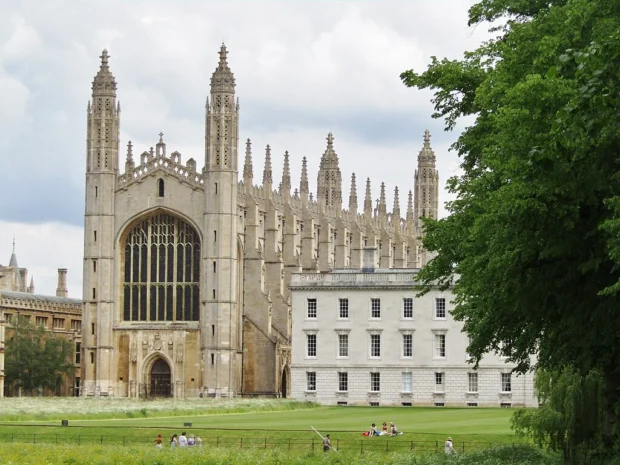
The choir here is famous worldwide, and if you’re lucky enough to catch them rehearsing, it’s a sound that lingers in your memory. But what I found most moving was how the chapel is both a symbol of Cambridge’s academic power and a living space students crossing the courtyard with books, locals pausing on the grass, everyone sharing a brief moment under the same sky.
The Backs: Cambridge’s Most Photographed View
Just behind the colleges lies the Backs, a stretch of meadows and riverbank where willows bend over the Cam and college gardens spill toward the water. Locals say the Backs are the only place where the city feels entirely itself: peaceful, open, and full of light. I often walked here in the late afternoon, watching punters steer their long boats beneath stone bridges as ducks floated by, unbothered by tourists or students.
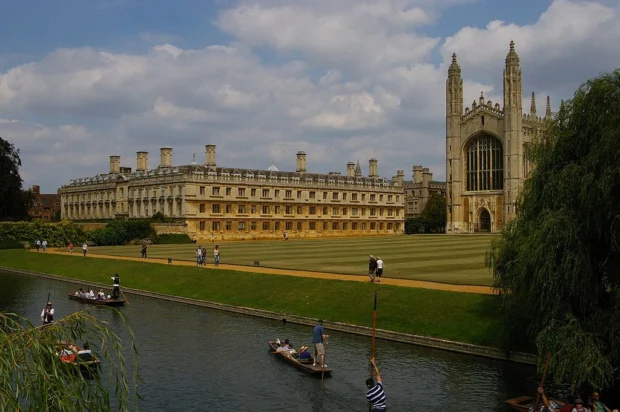
From here, you see the classic view college towers reflected in the slow-moving water, students picnicking, couples reading quietly beneath the trees. The Backs connect many of the famous colleges, but they are also open to everyone. I met a retired professor here, walking his dog, who pointed out how each college garden has its own personality formal lawns, wildflower patches, hidden benches. Even on busy weekends, the air carries a kind of hush.
Punting on the River Cam: A Floating Tradition
A visit to Cambridge feels incomplete without trying your hand at punting. I was nervous the first time I stepped onto one of the flat-bottomed boats, but locals assured me that falling in is part of the tradition. Punting means using a long pole to push your way along the river, weaving between ancient bridges and under the shadows of college walls. If you don’t feel brave enough to steer, you can join a guided tour many are led by witty students who mix facts with university legends.
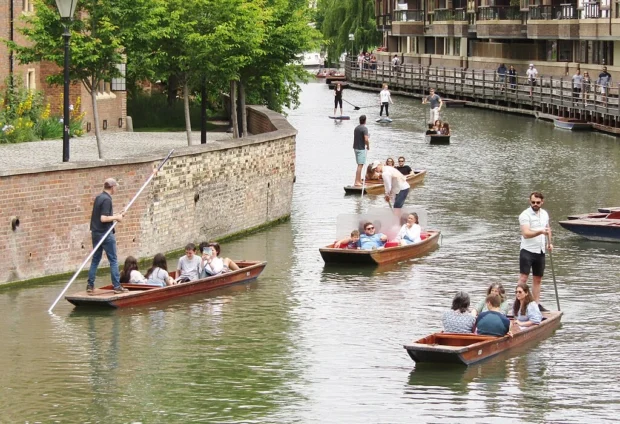
Punting gives you a new perspective, both literally and figuratively. On sunny afternoons, the water sparkles, and you drift past King’s College Chapel, Trinity College’s grand lawns, and the famous Bridge of Sighs at St John’s College. The river is a stage for stories: I once watched a group of students reading poetry on their punt while a family tried to navigate a sharp bend, laughter echoing along the water.
Market Square: Where Cambridge Gathers
Every day, the Market Square is full of life. Located right in the city center, this open space has hosted sellers for centuries. The air smells of roasted coffee and fresh bread. Stalls offer everything from artisan cheeses to vintage books, street food from Ghanaian jollof rice to British sausage rolls. I loved wandering here on weekends, watching locals bargain over fruit or pausing at a flower stall while church bells chimed from Great St Mary’s nearby.
For those intrigued by lively city markets and rich local rhythms, Montreal’s gem of urban life offers a contrasting yet familiar flavor worth experiencing.
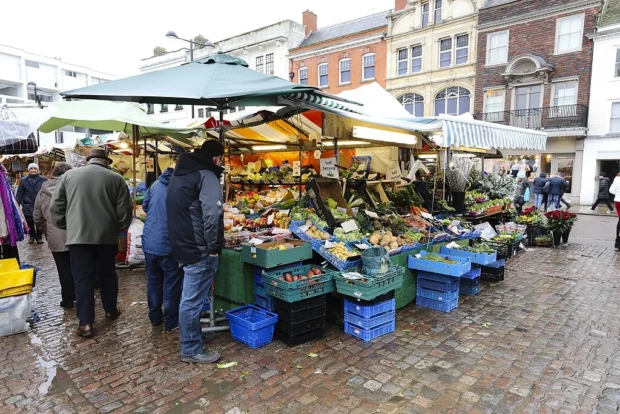
The market isn’t just for shopping it’s a social hub. You’ll find students discussing philosophy over falafel wraps, families picking up picnic supplies, and musicians trying out new songs. At Christmas, the square fills with colored lights and mulled wine, while in summer, people spill onto the stone steps to eat ice cream and people-watch. The market is the city’s living room, and everyone is invited.
Fitzwilliam Museum: Art, Curiosity, and Tea
On a rainy day in Cambridge which, I learned, comes often the Fitzwilliam Museum is a refuge. Its classical columns and grand entrance feel imposing from the street, but inside, the atmosphere is welcoming. The collection ranges from Egyptian artifacts to Impressionist paintings and medieval manuscripts. I spent hours here, moving from room to room, drawn in by curious details a Roman brooch, a Dutch still life, a set of Shakespeare’s early editions.
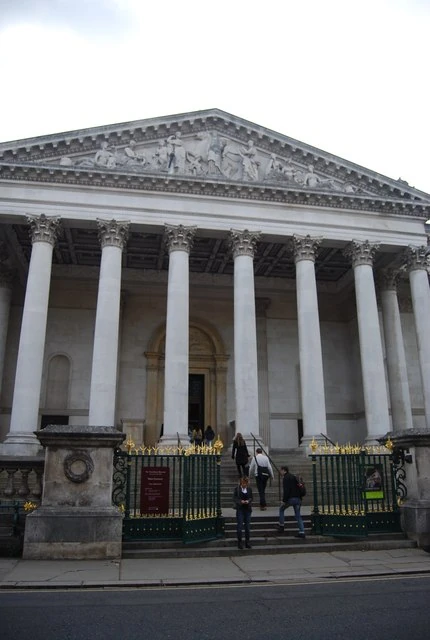
What makes the Fitzwilliam special isn’t only the art, but the way people use it: I saw students sketching statues, a grandmother explaining Greek pottery to her granddaughter, a group of friends sitting in the café, comparing their favorite rooms. Don’t miss afternoon tea in the museum’s airy café scones with clotted cream, a ritual as much as a snack. If you want to see a quieter side of Cambridge, this is the place.
St John’s, Trinity, and the Round Church: Echoes of the Past
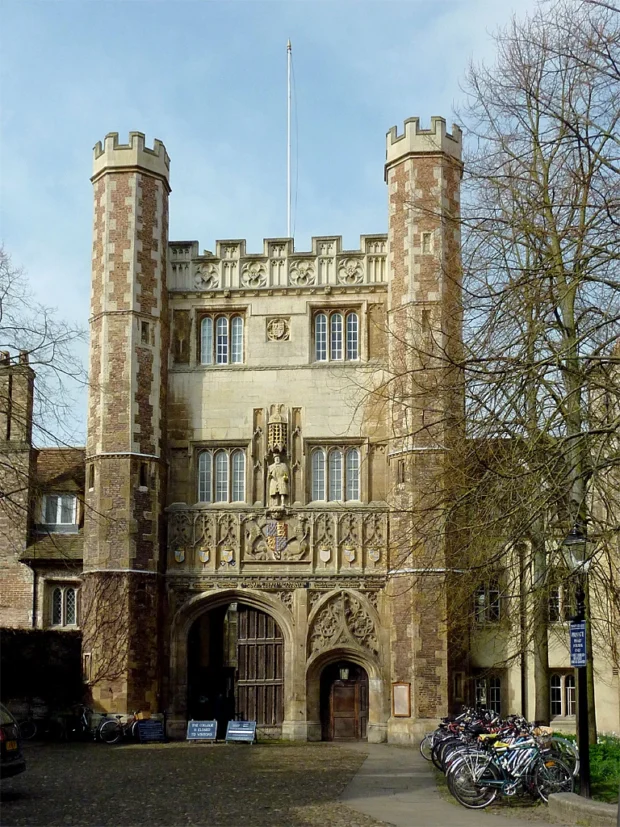
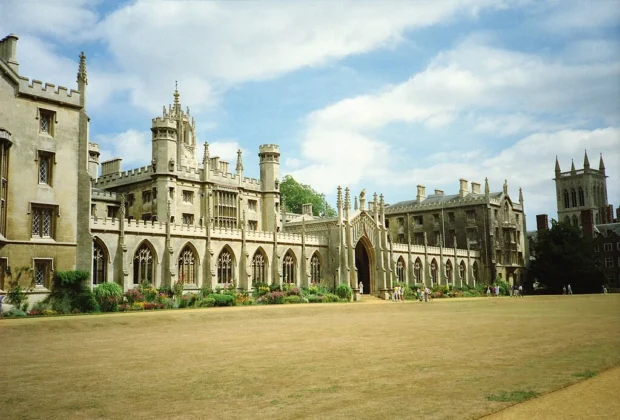
Cambridge’s colleges are more than just places of study they’re miniature worlds with their own traditions, legends, and rivalries. St John’s College is famous for its Bridge of Sighs, an elegant covered bridge that students claim is haunted by exam ghosts. Trinity College impresses with its vast front court and the famous “Great Court Run” made legendary by athletes and film. The courtyards here are open to visitors (for a small fee), and wandering beneath the ancient archways, you feel both the weight of history and the energy of student life.
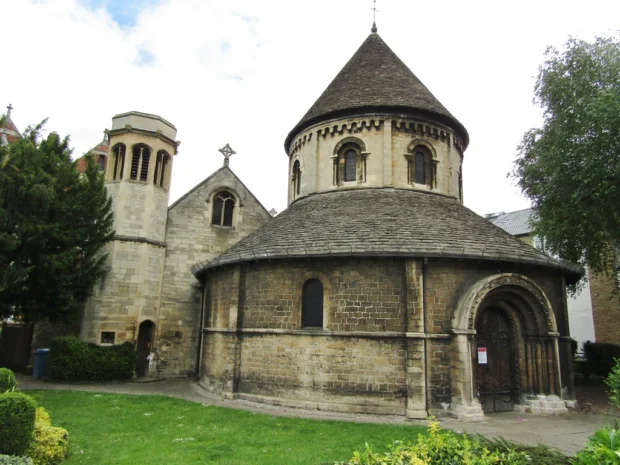
A short walk away stands the Round Church, one of England’s oldest buildings. Its circular shape, built in the 12th century, always draws the eye. Step inside to see the stone columns and simple nave. I chatted with a volunteer guide here, who told me the church once welcomed pilgrims heading to the shrine of Thomas Becket. Now, it’s a quiet spot, perfect for a moment’s pause in the busy city center.
Cambridge University Botanic Garden: Urban Nature in Bloom
When the city crowds feel too much, the Cambridge University Botanic Garden is a world apart. Created in the 19th century, this 40-acre area blends scientific research with pure beauty. I wandered along winding paths, past greenhouses steaming with orchids and lily pads, catching the scent of herbs and wild roses. The garden feels both wild and carefully arranged there are themed plantings, Victorian glasshouses, and quiet ponds where herons wait for fish.
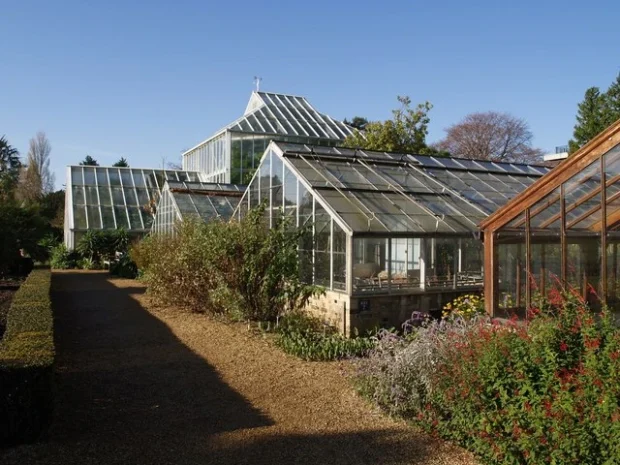
In spring, the garden bursts with color; in autumn, golden leaves pile up along the walkways. Families stroll here, students read under the trees, and I often saw artists painting or sketching rare plants. The garden is also a place for learning: workshops, plant sales, and guided walks are common. For urban peace, there is nothing like sitting on a bench, listening to birds, and reading a book with the city just beyond the hedges.
Culinary Cambridge: From Pubs to Street Eats
Cambridge’s food scene is surprisingly diverse, blending traditional English fare with global flavors. In the historic center, you’ll find centuries-old pubs serving classics like fish and chips, steak and ale pie, and sticky toffee pudding. I spent many evenings in these wood-paneled rooms, their fireplaces crackling, listening to stories from locals and visitors alike.
For something lighter, cafés around Mill Road and Jesus Lane are favorites. Independent bakeries offer saffron buns a regional treat while trendy spots serve flat whites and fresh pastries. The city’s student population means plenty of budget-friendly options: Indian curries, Turkish mezze, and East Asian noodle bars. At the market, don’t miss the vegan samosas or the crumbly Fenland cheeses, made just outside the city.
On festival weekends, food stalls fill the park with the scent of grilled halloumi and sweet churros. I once joined a queue for Cambridge’s famous fudge, made in small batches behind a market stall. The fudge-maker handed out free samples with a wink, promising it would “change your day.” It did.
Arriving, Getting Around, and Where to Stay
Arriving in Cambridge is straightforward. If you fly into London Stansted (the nearest airport), direct trains run to Cambridge station in under 40 minutes. From the train station, local buses and cycling paths lead into the city center walking takes about 20 minutes, but the route is lined with bakeries and bookstores, so you may be distracted. Cambridge’s compact size means you don’t need a car. Buses cover most areas, and the city is famously friendly to cyclists. I rented a bike for a month and felt like a true local though dodging geese on the river path is a real sport.
When it comes to where to stay, Cambridge offers a mix of guesthouses in Victorian terraces, student-style apartments, and modern rooms near the river. Many places are within walking distance of the main sites. I stayed in a simple guesthouse off Hills Road, with creaky floors and a view over tiled rooftops charm and convenience in one.
Everyday Life, Customs, and Culture
Cambridge is a city of gentle manners and quiet traditions. People greet each other with a nod or a brief “morning.” Queuing is serious whether for coffee, bus, or the Fitzwilliam cloakroom. It’s polite to keep your voice low in college courtyards; laughter and debate are saved for the Eagle pub or the steps outside the library. I learned quickly: don’t walk on the college grass unless invited, and don’t try to guess who is a famous scholar everyone dresses alike in weather-proof jackets.
The city holds on to old customs but welcomes newcomers. Each May, students celebrate “May Week” with boat races and wild costumes, though the event is in June a Cambridge joke. On winter evenings, lantern parades pass through the streets, music echoing off the stone walls. Market sellers remember regulars, and café staff might slip an extra biscuit onto your saucer if you look particularly rain-soaked.
I found Cambridge full of contrasts ancient chapels and modern science labs, quiet gardens and busy festivals, tradition and innovation living side by side. It’s a place where history is never far away, but every day feels new.
Surprises and Lesser-Known Corners
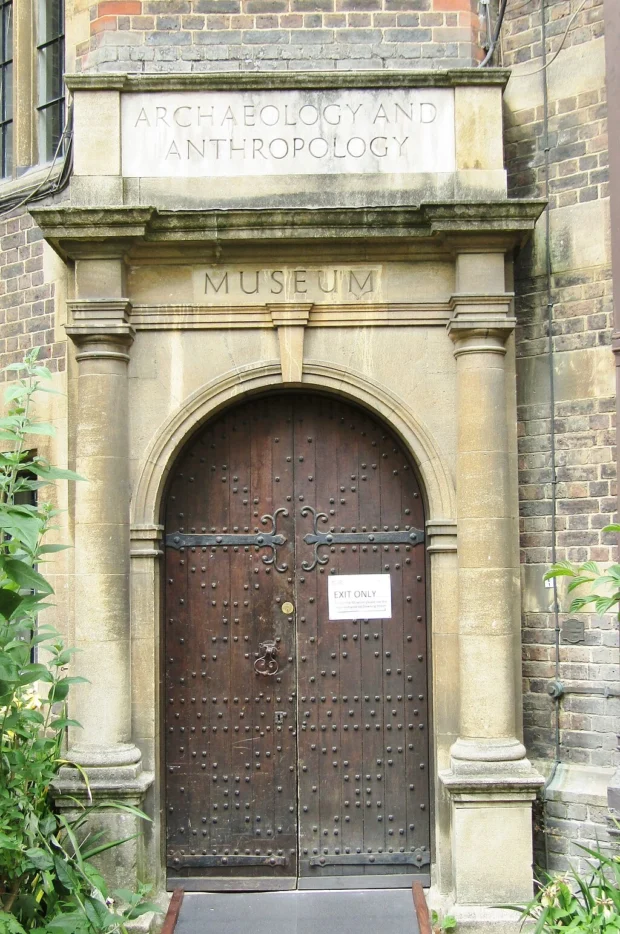
Not all of Cambridge’s treasures are obvious. On one meandering walk, I stumbled onto the Museum of Archaeology and Anthropology a small jewel tucked away on Downing Street. Inside, cases overflow with objects from around the world: Polynesian canoes, ancient masks, and the oddest item a pair of shoes made from human hair. I spent an hour listening to a curator describe the city’s ties to explorers and collectors.
Other quiet surprises: the labyrinth behind Sidney Sussex College, where hedges form a living maze; Kettle’s Yard, an art-filled home turned gallery; the wildflower meadows on Coe Fen, just a few steps from busy roads. Even the alleys behind the market reward the curious one leads to a bakery with cinnamon buns as big as your hand, another to a tiny bookshop specializing in medieval poetry.
Departing Cambridge: The Lasting Impression
As my time in Cambridge ended, I realized how deeply the city had shaped my sense of rhythm. It’s a place that encourages wandering, invites you to pause, and rewards attention to detail. Whether standing beneath the soaring arches of King’s College Chapel, drifting past the Backs in a punt, or sipping tea in the Fitzwilliam’s café, I always felt part of a larger story.
For an equally rich architectural and cultural journey, explore St. Stephen’s Cathedral in Vienna, a masterpiece echoing history like Cambridge’s historic lanes.
Cambridge is more than its famous university it is markets, street corners, laughter, and rain, woven together in a pattern that is unmistakably its own. The city’s beauty is not just in what you see but in the way it makes you feel: curious, connected, and welcomed, no matter the language you speak or the path you take.

Lover of cities, local cafés, and historic streets, exploring urban life with attention to architecture and culinary delights.
- Cambridge University Press – geograph.org.uk – 3781035 by N Chadwick on Wikimedia Commons – cc by-sa 2.0
- Cambridge University – King's College Chapel – geograph.org.uk – 6886390 by Colin Smith on Wikimedia Commons – cc by-sa 2.0
- Cambridge, King's College and the Backs – geograph.org.uk – 2540261 by Christopher Hilton on Wikimedia Commons – cc by-sa 2.0
- Cambridge – Punting on the Cam – geograph.org.uk – 6886295 by Colin Smith on Wikimedia Commons – cc by-sa 2.0
- Cambridge Market Square Market Hill Cambridge England Britain UK United Kingdom United Kingdom of Great Britain and Northern Ireland (41158382152) by bryan… on Wikimedia Commons – cc by-sa 2.0
- Fitzwilliam Museum – geograph.org.uk – 4282454 by N Chadwick on Wikimedia Commons – cc by-sa 2.0
- The Gatehouse at Trinity College, Cambridge – geograph.org.uk – 3898177 by Roger Kidd on Wikimedia Commons – cc by-sa 2.0
- St John's College New Court, Cambridge – geograph.org.uk – 5684564 by Jeff Buck on Wikimedia Commons – cc by-sa 2.0
- Cambridge – Round Church – geograph.org.uk – 6885328 by Colin Smith on Wikimedia Commons – cc by-sa 2.0
- The Glasshouse Range, Cambridge University Botanic Garden – geograph.org.uk – 615128 by Derek Harper on Wikimedia Commons – cc by-sa 2.0
- University of Cambridge – Archaeology and Anthropology Museum – geograph.org.uk – 6885208 by Colin Smith on Wikimedia Commons – cc by-sa 2.0


.jpg)


