
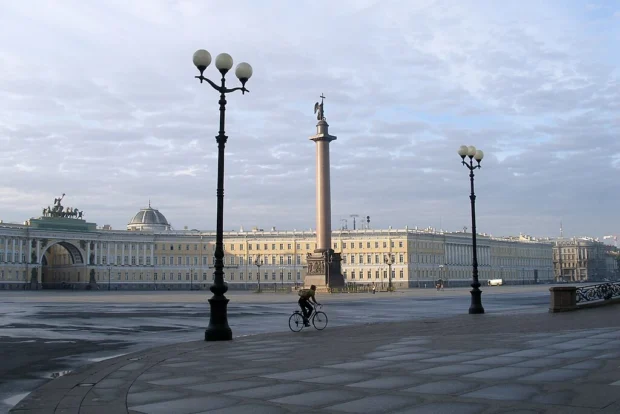
Some cities feel like novels Saint Petersburg is an epic. Built where Neva River meets the Baltic Sea, the city stretches along canals, islands, and grand avenues. Once the capital of Tsarist Russia, Saint Petersburg is now a world-famous destination, where centuries of history are still alive in its streets, churches, and palaces. It calls with onion domes, lively markets, and a rhythm that never quite sleeps. Whether you want museums, food, or shoreline walks, you’ll find scenes you can’t forget here so let’s wander together.
Table of Contents
Arriving at Saint Petersburg and Getting Around
Chances are you’ll arrive at Pulkovo Airport, about 23 kilometers from the city center. Once you’ve collected your bags and braved the passport queues, look for the city’s reliable public transport. The airport express buses get you to Moskovskaya metro station quickly. From there, Saint Petersburg’s metro is not just a way to move around it’s an attraction. Many stations are deep underground and decorated with marble, mosaics, and chandeliers. Riding the metro feels like stepping into a palace, one train stop at a time! If you prefer, trams and trolleybuses crisscross the city’s wide streets, offering window views at a gentle pace.
Saint Petersburg is large, but its heart can be walked. Dress warmly even in May, wind from the Neva can sting and wear good shoes for old cobblestones. If you like river views, hop on a ferry or public boat for a different perspective. It’s a city built on water, after all.
Hermitage Museum: A Palace of Astonishments
It’s almost impossible to talk about Saint Petersburg without mentioning the Hermitage Museum. Founded by Catherine the Great in 1764, the Hermitage is one of the world’s largest and oldest museums. What began as the private art collection of Tsars is now a set of green-and-white palaces filled with treasures. Step into the Winter Palace, through gilded halls and up grand marble staircases. You’ll find masterpieces by Rembrandt, da Vinci, Picasso, Matisse, and thousands more. Some say if you spend just one minute at every exhibit, it will take you almost a decade to see them all.
For a more detailed journey through the Hermitage Museum’s stunning art and rich history, explore our dedicated guide to this iconic Saint Petersburg landmark here.

The building itself is a masterpiece, and sometimes, as we wander its endless rooms, we get lost imagining Catherine herself choosing paintings. By the time you step outside into the chilly air, you will have touched centuries of history a true feast for the mind and senses.
Look out the windows and see Palace Square, the main plaza where grand events are staged, and where locals gather after the museums close. In winter, the square is often glowing with snow and music.

Nevsky Prospect’s Pulse and Everyday Life
If the Hermitage is Saint Petersburg’s grand past, Nevsky Prospect is its lively present. This wide avenue, famous since the 18th century, runs straight through the city center. Walking Nevsky feels like joining a Russian parade of daily life: street musicians, flower sellers, well-dressed grandmothers, students with textbooks, and every kind of café and bakery. Along here you’ll pass Kazan Cathedral, with its long row of columns, always busy with people lighting candles or taking a silent moment.
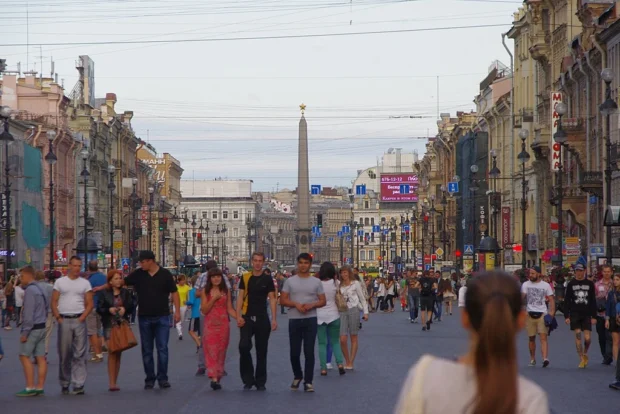
Take time to stop for tea or a sweet pastry try “pyshki,” a local Russian donut, still warm from the fryer. If you sit at a window seat and watch the world walk by, you’ll see more than museums ever show. On the next corner, the Art Nouveau buildings catch the afternoon sun a reminder that this city was modern and fashionable long before the world thought to call it so.
The Church of the Savior on Spilled Blood: Fairytale on the Canal
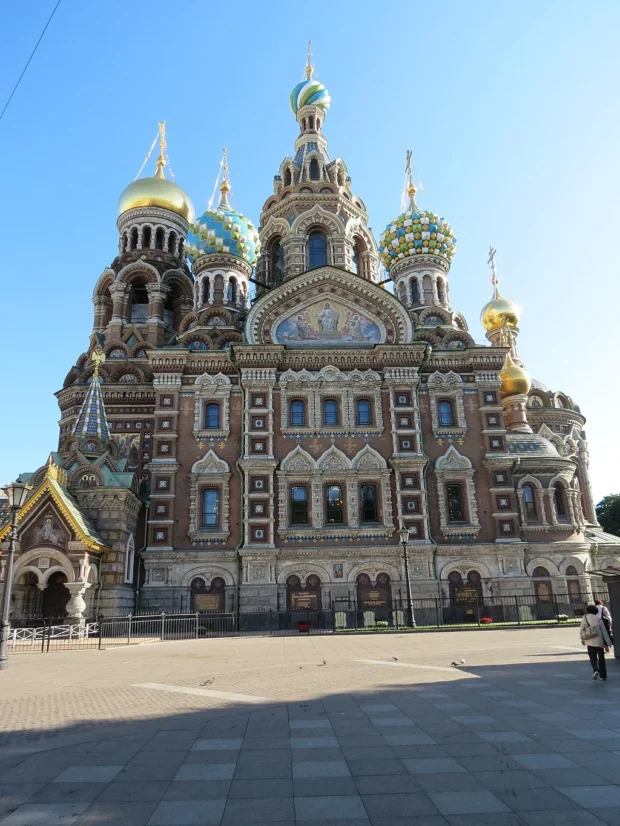
Suddenly, near a small canal, you’ll see it the Church of the Savior on Spilled Blood. It is impossible to ignore. With its bright onion domes of emerald, sapphire, gold, and ruby, this church looks as if it was built for a fairy tale. The story behind it is much darker. This church was built on the spot where Tsar Alexander II was killed in 1881. Look up: over 7,500 square meters of mosaics decorate the inside. Many Russians say it’s the most beautiful church in the country.
For a closer look at Saint Petersburg’s unique architecture and history, the Church of the Savior on Spilled Blood offers an unforgettable artistic and cultural visit.
Inside, every wall and ceiling glows with religious mosaics not painted, but made from tiny colored stones. The scenes shimmer in candlelight. Even if you visit many churches, this one will feel special a mix of sorrow, beauty, and hope. Locals sometimes remind visitors not to miss the small silver star on the cathedral floor, marking the exact place where the Tsar fell.
Peterhof Palace: Fountains That Dance by the Sea
Southwest of the city center, facing the Gulf of Finland, stands Peterhof Palace a must for anyone who enjoys grandeur mixed with fresh sea air. Nicknamed the “Russian Versailles,” Peterhof was built by Peter the Great to impress Europe. Many say he succeeded. The main palace is surrounded by endless formal gardens and gold-tipped fountains. The trick fountains are famous; children love running through sudden sprays of water that appear when you least expect it.
To reach Peterhof, take the fast hydrofoil boat from the city center. Approaching by water lets you arrive like the Tsars once did. The salt breeze and distant calls of seagulls set the scene. In summer, the fountains leap and sparkle. You can wander the Lower Gardens, brushing past hedges and tulips, with the salty wind in your hair. It’s theatrical and timeless and yet, somehow, just right for a picnic or a quiet walk.

If you find Saint Petersburg’s palaces captivating, the Peterhof Palace offers a stunning glimpse of royal gardens and historic grandeur just outside the city.
Classics and Unexpected Delights
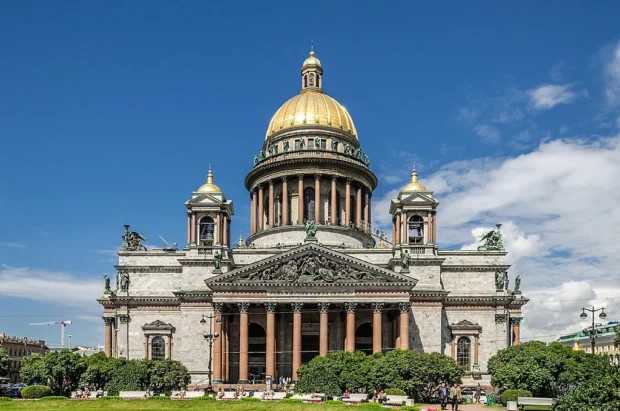
Saint Petersburg is famous for its grand architecture, but it rewards the curious who look deeper. Saint Isaac’s Cathedral rises with a golden dome you can spot from almost anywhere in the city. If you climb the 262 steps to its colonnade, you’re rewarded with a sweeping view of rivers, rooftops, and islands a circus of clouds, bridges, and spires under northern light.
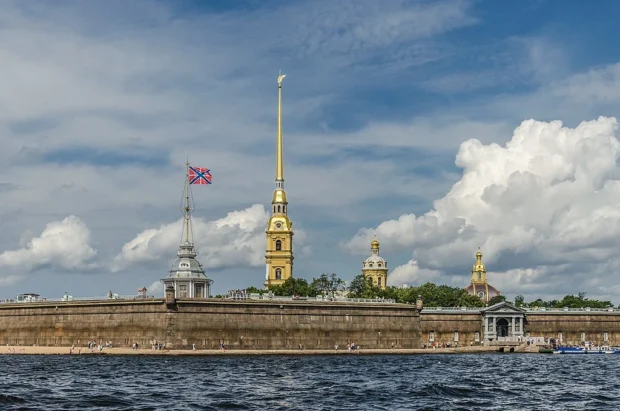
The Peter and Paul Fortress sits on its own island, one of the oldest spots in town. Inside its walls, Romanov Tsars are buried under marble tombs. In summer, locals sunbathe on the fortress’s sandy beaches sometimes in the shadow of the cathedral’s delicate golden spire. There’s a cannon that fires at noon, every day, a tradition so regular that all nearby dogs know to hide five minutes before. There is a gentle playfulness in how old customs survive in Saint Petersburg.
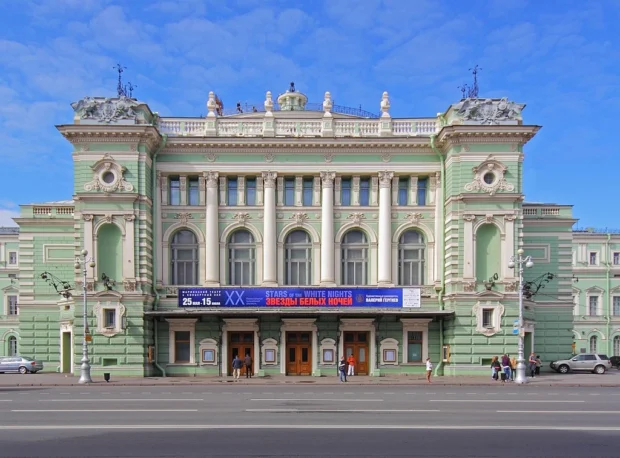
If classical music stirs your soul, slip into the Mariinsky Theatre. Ballet and opera here are not just shows they’re traditions, practiced for generations. Tickets can sell out, but even standing at the back, hearing world-class musicians in a building glittering with chandeliers is unforgettable.
The Russian Museum, not far from Nevsky, holds the world’s largest collection of Russian fine art. If you want to understand Russian spirit its pride, struggles, and dreams you’ll find it here, painted on large canvases, pressed between the old wooden frames.
Nearby, the Fabergé Museum displays an entire collection of the famous jeweled eggs, once made for the Tsars. Even if you have no love for jewelry, these objects tell stories: secret codes, hidden clocks, tiny mechanical surprises tucked inside sparkling shells. For those who appreciate craft traditions, it’s a wonderland.
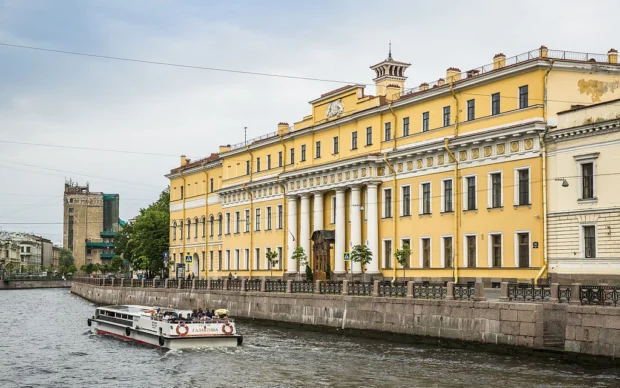
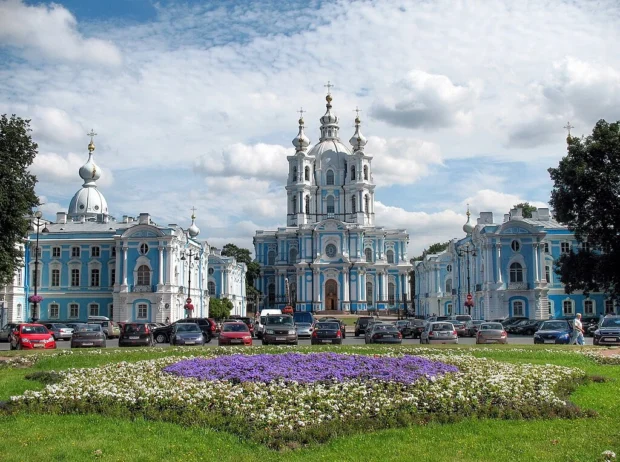
Some evenings, we just wandered the bridges and found the Yusupov Palace, where secret plots once unfolded, or caught sight of Smolny Cathedral glowing blue as the sun set late, trailing streaks of salmon and gold over the city.
Other Sights, Quiet Corners, and Local Life
It’s easy to be blinded by gold domes, but Saint Petersburg’s neighborhoods hide rewards. In the colorful Vasileostrovsky district, students gather in small craft markets and cool cafés. Sometimes we stumbled on small courtyards where children chased pigeons, old people sipped tea, and artists painted city scenes on park benches.
Markets and bakeries were everywhere tiny places selling “pirozhki” (pastries stuffed with cabbage or meat). In the Sennaya district, the market smells of berries and pickles. The air is thick with sounds: bargaining, laughter, distant bells. For a truly local lunch, try “shchi,” a delicate soup made from cabbage and herbs, or seek “pelmeni,” dumplings served with sour cream, in the small eateries north of the Fontanka River.
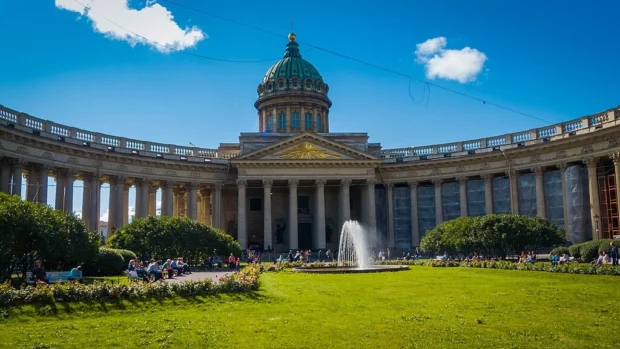
We once shared a table with a history teacher who explained how different districts have their own food specialties he insisted that “blini” pancakes taste better in the shadows of the Kazan Cathedral, where honey and thick cream are served by grandmothers who never rush. Russians love their bread; even the smallest bakery here might serve “borodinsky” dark, fragrant rye bread, perfect with salted fish or sharp pickles.
Quirks, Legends, and Northern Rituals
Saint Petersburg has its oddities. In June and July, the city barely sleeps. This is the season of the “White Nights,” when the sun almost never sets, and people walk along the embankments at midnight as if it were afternoon. You might find newlyweds dancing under the open sky or friends racing to see how many bridges they can cross before sunrise.
There’s a legend that touching certain griffin statues on the Bank Bridge will bring luck. Some say students leave coins here before exams. Riverside booksellers are quick to share stories ask, and you might hear about Dostoevsky’s ghost, said to wander Nevsky Prospect with a notebook in hand.
As for transport, look for the city’s open-air tram lines in the old districts; it’s like riding through the city’s memory. The trams are slow, but you’ll see laundry floating from windows, cats peeking from attic rooms, and tiny vegetable gardens on balconies reminders of ordinary life behind ornate facades.
Behind the fancy buildings, I once chatted with a craftsman in Petrogradsky district, working on restoring old wooden window frames. He explained that the city’s love for architectural conservation is not just about tourism it’s about keeping memory alive, one piece of carved trim at a time.
Where to Stay: Atmosphere or Comfort?
You can find every kind of accommodation in Saint Petersburg, from simple guesthouses in the city’s nooks to grand historic residences near Palace Square. Many travelers choose to stay near Nevsky Prospect here you’ll be close to shops, cafés, and easy transport links in every direction. If you prefer quiet, search for an apartment on Vasilievsky Island or along the quieter northern embankments; morning walks here are peaceful, and you’ll wake to the gentle sounds of river life.
Some travelers, especially those eager to understand local customs, stay in old communal apartments. These Soviet-era homes are sometimes shared by several families. With creaky staircases and busy kitchens, it’s an unusual way to meet people and hear stories, from the wise and the witty.
Customs, Everyday Culture, and Advice
People in Saint Petersburg are rightly proud of their culture. It’s polite to say “spasibo” (thank you) and to greet people with a handshake. Don’t be surprised if locals keep a straight face in public Russians can seem reserved, but warm up quickly when talking about literature, family, or food.
When entering churches or cathedrals, it’s respectful to dress modestly. Some churches offer scarves or long skirts at the entrance for visitors who need them. If you’re invited to a local’s home, always remove your shoes at the door most Russians do this without thinking, and slippers are sometimes offered.
Perhaps the most important advice? Take your time. Saint Petersburg is a city for wandering its beauty is not just in the big palaces, but in the slow rhythm of the rivers and the quiet wisdom of old parks. On misty days by the Gulf, with the old lighthouses blinking in the fog, you start to understand why so many poets wrote their best lines here.
Final Thoughts: Why Saint Petersburg Leaves a Mark
Leaving Saint Petersburg is like finishing a good novel you feel changed, hungry for more stories. Here, tradition and new life nestle together: inside old market halls, friends gather over spiced tea; in the famous ballet halls, the next generation is already waiting in the wings. The city’s facades reflect the sky in a thousand colors, sometimes gray, sometimes golden, always full of promise.
After exploring Saint Petersburg’s elegant lanes, experience Moscow’s vibrant life and iconic landmarks to widen your view of Russian cities here.
We take home the sound of church bells, the taste of dark rye bread, the sparkle of river water at midnight. And maybe, just maybe, a bit of that curiosity that makes Saint Petersburg what it is a place where every street corner is a chapter in a long, true story, waiting for your footsteps.

Eastern Europe travel specialist uncovering hidden gems from the Baltics to the Balkans.
- Palace Square in the moring, Saint Petersburg, Russia by Vyacheslav Argenberg on Wikimedia Commons – cc by 4.0
- Saint Petersburg Hermitage from Neva 12 by Ad Meskens on Wikimedia Commons – cc by-sa 4.0
- Evening in Palace Square, St. Petersburg (6) (36367378784) by Richard Mortel from Riyadh, Saudi Arabia on Wikimedia Commons – cc by 2.0
- Nevsky Prospect 2013-07 1374957584 by Artyom Svetlov on Wikimedia Commons – cc by-sa 4.0
- Church of the Savior on Spilled Blood, St.-Petersberg, Russia (1) by Perfektangelll on Wikimedia Commons – cc by-sa 3.0
- Peterhof Palace, St. Petersburg, Russia (37576379990) by Andrey Filippov 安德烈 from Moscow, Russia on Wikimedia Commons – cc by 2.0
- Saint Isaac's Cathedral in SPB by Florstein (Telegram:WikiPhoto.Space) on Wikimedia Commons – cc by-sa 4.0
- Peter & Paul fortress in SPB 03 by Florstein (Telegram:WikiPhoto.Space) on Wikimedia Commons – cc by-sa 4.0
- Spb 06-2012 MariinskyTheatre by A.Savin on Wikimedia Commons – cc by-sa 3.0
- Yusupov Palace on the Moika River 01 by Ninaras on Wikimedia Commons – cc by 4.0
- Saint Petersburg Smolny Cathedral IMG 5855 1280 by Alexxx1979 on Wikimedia Commons – cc by-sa 3.0
- Kazan Cathedral (Saint Petersburg) – panoramio by Yuri Geler on Wikimedia Commons – cc by-sa 3.0
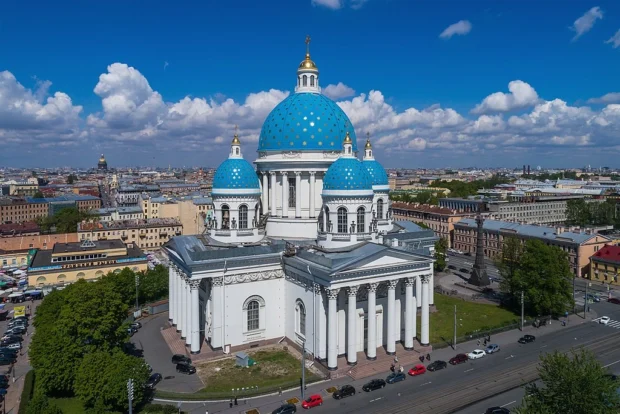
- Spb 06-2017 img06 Trinity Cathedral by A.Savin on Wikimedia Commons – fal


_(36367378784).jpg)

.JPG)
.jpg)


_-_panoramio.jpg)
