
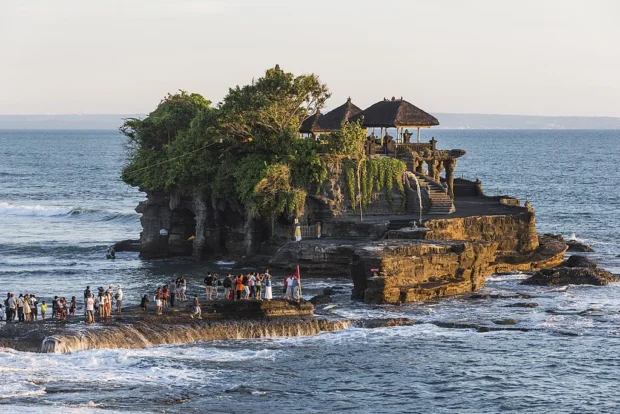
Bali, Indonesia is one of Southeast Asia’s most remarkable destinations. Its vibrant landscapes and spiritual sites attract travelers from every corner of the world. On my recent visit, I carefully planned my itinerary to include Bali’s most iconic attractions: Uluwatu Temple, Tanah Lot, Ubud Monkey Forest, and several other top-rated sights. This post shares firsthand observations, practical travel tips, and local phrases all in simple English to help you envision and prepare for your own Bali adventure.
Table of Contents
From Ngurah Rai Airport to the Heart of Bali
Arriving at Ngurah Rai International Airport, I noticed how organized Bali’s public transport options have become. The airport is about 13 kilometers south of Denpasar, Bali’s capital. Buses called “Trans Sarbagita” connect the airport to Batubulan Terminal near Ubud and several main towns. Bemo minibuses also operate, but they require patience and basic Bahasa Indonesia phrases, such as “Berapa harga?” (What is the price?). Many visitors choose shuttle vans or rent scooters, but cycling routes are also improving around central Bali, especially near Ubud.
If you are heading to the south (like Uluwatu or Jimbaran), expect 30 to 60 minutes travel time from the airport, depending on traffic. The main roadways are busy but clearly signed. Bali’s intermodal transport mixing buses, shuttle vans, and even ferries to places like Nusa Penida is fairly straightforward, especially if you buy combination tickets from well-marked kiosks at the airport or main bus stations. Always keep small cash handy, as card readers are rare on local transport.
Uluwatu Temple: Dramatic Clifftop Views and Kecak Dance
My first highlight was Uluwatu Temple (Pura Luhur Uluwatu), perched on a steep limestone cliff 70 meters above the Indian Ocean. The panoramic views at sunset are unforgettable. There is a small entrance fee and, out of respect, all visitors must wear a sarong and sash over their clothes. These are provided at the entrance. The temple is not only a masterpiece of Balinese Hindu architecture, but also famous for its Kecak fire dance performances at dusk. The rhythmic chanting of dozens of performers stays with you.
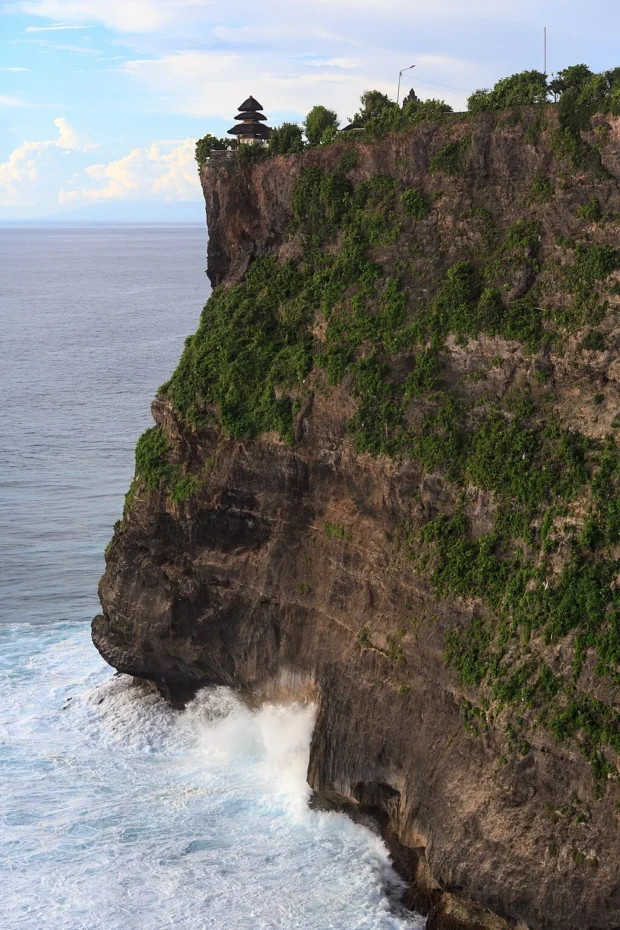
Monkeys at Uluwatu are notorious for their cleverness. One local smiled and told me, “Jangan pegang barang sembarangan” do not hold things carelessly referring to sunglasses, hats, or loose jewelry that the monkeys might snatch. I witnessed a monkey grab a phone, only to return it for a treat offered by a temple staff member. The legend of Uluwatu claims it protects Bali from evil spirits, and walking along the cliff-top path at sunset, I felt the winds change as the sky shifted colors an impressive natural show.
Tanah Lot: Bali’s Most Photographed Sea Temple
Tanah Lot Temple sits on a rocky islet just off Bali’s west coast, about an hour’s drive from Denpasar. It is one of the most important sea temples in Bali and perhaps the most photographed. The temple’s silhouette against the crashing ocean waves at high tide is spectacular. At low tide, you can walk closer to the base. Legend says Tanah Lot was founded by a 16th-century priest who saw a holy light here. Crowds gather every evening, so I recommend arriving early in the afternoon for quieter moments.
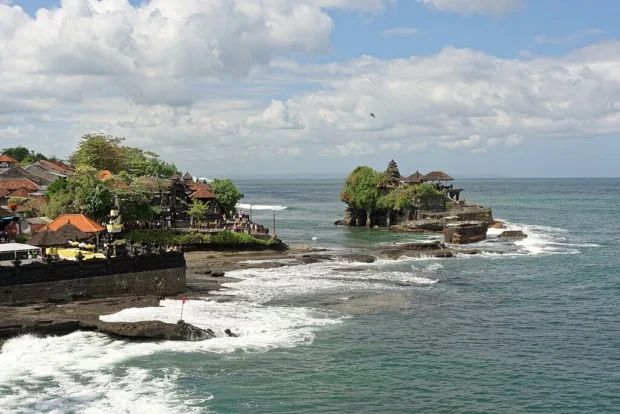
Access to Tanah Lot is straightforward, with paved walkways and ample signage even a dedicated cycling lane for those who prefer to travel by bicycle. Parking lots are located before the commercial area, where locals sell snacks and souvenirs. Try “jajan pasar” (traditional Balinese sweets) or grilled corn with a dash of chili a snack popular with both residents and tourists.
Ubud Monkey Forest and Rice Terraces Excursion
Inland Bali is dominated by vivid green rice terraces, dense jungle, and artisan villages. Ubud is a central hub and can be reached via the main road north from Denpasar. Frequent buses and shuttle vans make this trip, and cyclists will enjoy the wide shoulders on the road, though some hills are steep.
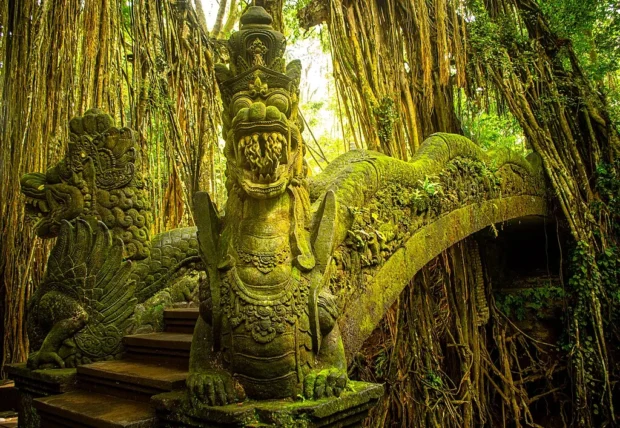
The Ubud Monkey Forest, or Sacred Monkey Forest Sanctuary, is a nature reserve with more than 1,000 long-tailed macaques and towering banyan trees. Walking the shaded lanes, I watched monkeys leap from tree to ancient stone carvings. Signs remind you to avoid feeding or teasing the animals. The Balinese staff explained, “Monyet di sini suci” the monkeys here are sacred. I followed the main trail past temple ruins and a cool spring, a favorite photo spot for many.
A short drive or cycle north of Ubud leads to the Tegallalang Rice Terraces, famous for their geometric green steps carved into the hillsides. Early morning is the best time for photos, as the sunlight casts long shadows across the terraces and the crowds have not yet arrived. Farmers still use traditional methods, and several offered to explain their work for a small donation. Tegallalang is one of the most iconic and accessible rice terraces in Asia, and an essential stop on any Bali itinerary.
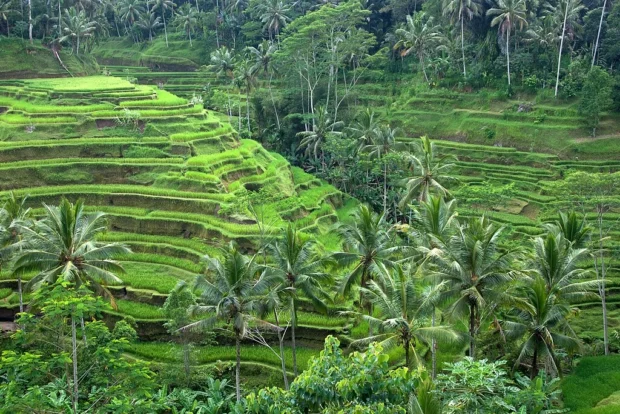
Mount Batur Sunrise and Kintamani Highlands
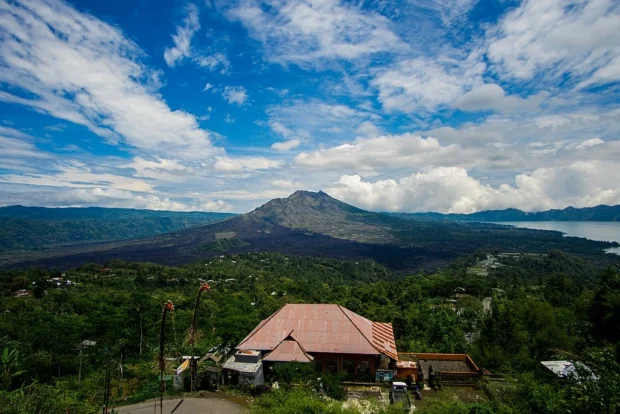
For many, climbing Mount Batur is a once-in-a-lifetime experience. This active volcano stands 1,717 meters above sea level in the Kintamani region. Guided treks start before dawn to reach the summit by sunrise. Local guides, who know the safest routes, often share stories about the volcano’s eruptions and the lake below Lake Batur. The air is cool at this elevation, and as the sun appeared, the mist lifted to reveal distant villages and fields.
Reaching Kintamani is efficient with scheduled buses from Ubud or private minibus services. Roads are winding but well-maintained, with occasional mountain passes offering panoramic vistas. Bicycle touring is possible for experienced riders, with scenic rest stops along the ridge. After your trek, the local specialty “nasi campur” (rice with various vegetables and meats) is served at roadside warungs. This area is known for strong Bali coffee, grown on the slopes and roasted in small batches.
Temples, Springs, and Balinese Spiritual Life
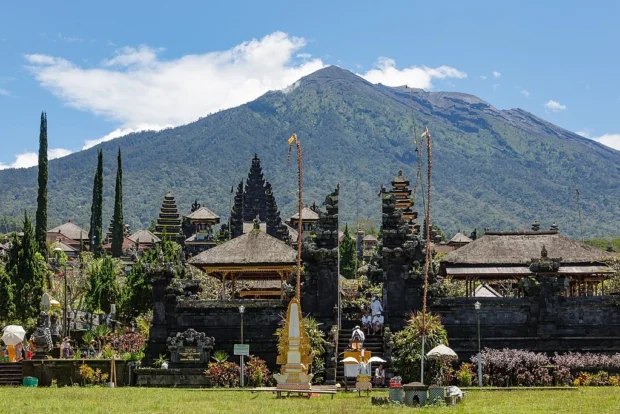
Bali is called the “island of a thousand temples” for good reason. Besides Uluwatu and Tanah Lot, several other temples are woven into daily life. In central Bali, Besakih Temple (Pura Besakih) sits on the slopes of Mount Agung and is considered Bali’s “Mother Temple.” The temple complex is extensive, with 23 separate temples on six levels. Respectful dress sarong and sash is required, and local guides offer historical background as you explore.
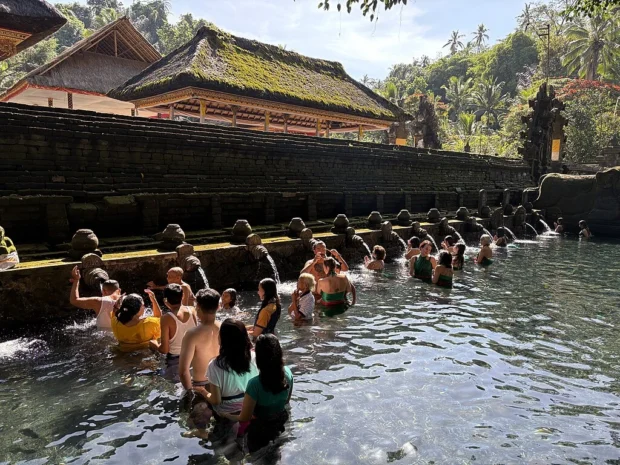
Tirta Empul Temple, near Tampaksiring, is renowned for its sacred spring water. Locals and tourists alike join purification rituals in the cool pools. The ceremony is a calm experience, with worshippers offering flowers and incense. It is customary to remain quiet and observe from a respectful distance if not participating.
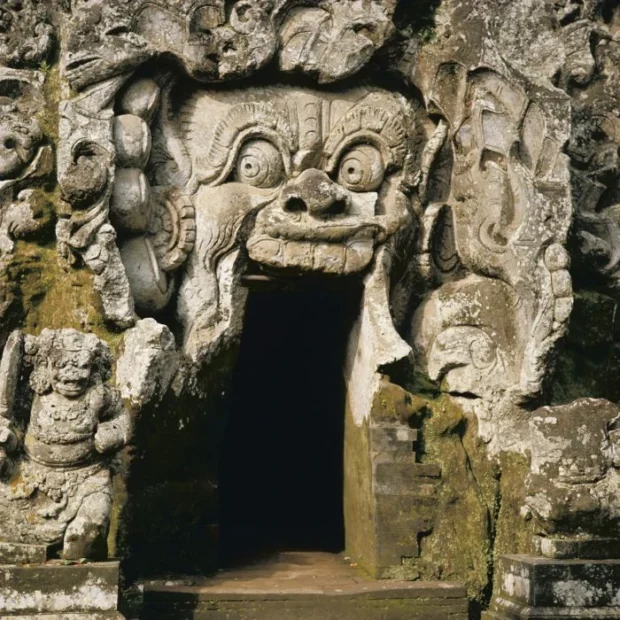
Goa Gajah, the “Elephant Cave,” is a mysterious archaeological site with ancient reliefs carved into the stone entrance. Nearby, Ulun Danu Beratan Temple appears to float on Lake Beratan especially dramatic in the misty morning. Both temples are accessible by public buses, though schedules can be irregular, so planning in advance is wise.
Beaches, Sunsets, and Coastal Towns
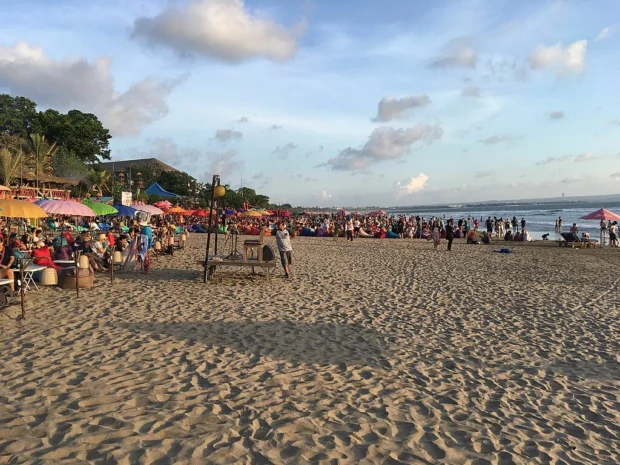
Bali’s southern and eastern coasts offer a variety of beaches for every type of traveler. Seminyak Beach is known for its long stretch of soft sand and lively beachside cafes. Surfers gather here, as well as in nearby Kuta and Legian. Sanur Beach, by contrast, is quieter, ideal for families and those seeking gentle swimming. A dedicated cycling corridor lines Sanur’s beachfront, making it perfect for a morning ride or a leisurely stroll.
Jimbaran Bay is famous for grilled seafood restaurants right on the sand. At sunset, the bay fills with the aroma of fresh fish and the laughter of locals and guests. The famous phrase “terima kasih” (thank you) is exchanged often between guests and servers. I tried grilled snapper with sambal a spicy chili sauce that defines Balinese cuisine.
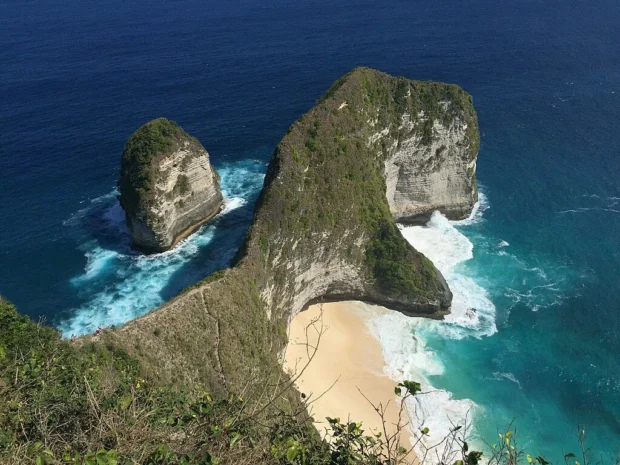
If you wish to explore beyond the main island, Nusa Penida is accessible by fast boat from Sanur or Padangbai ports. These boats depart several times daily and tickets should be purchased from official counters to avoid surcharges. Nusa Penida offers dramatic cliffs and secluded beaches, though roads are rough and hilly. Scooters and local vans serve as the main transport.
Staying Overnight: Where and How
Bali offers a wide range of places to stay, from simple guesthouses to luxurious villas. In Ubud, many guesthouses are set among rice fields, providing a peaceful backdrop and easy access to artisan workshops. In the south, accommodations near Seminyak or Sanur are close to beaches and main roads, making day trips straightforward.
Booking in advance secures better rates, especially in high season (July-August and December). Many places offer bicycle rentals or shuttle vans to main sights. For those seeking a quieter setting, central and northern Bali around Kintamani or the slopes of Mount Batur provide cool temperatures and mountain views.
Balinese Food Specialties and Districts Worth Sampling
Balinese food is flavorful and diverse. “Babi guling,” or roast pork, is a specialty in Gianyar district, often served at local warungs. “Ayam betutu,” spicy slow-cooked chicken, is another dish to try, especially in Ubud and the surrounding villages. On the coast, Jimbaran Bay is famous for seafood feasts, while night markets in Denpasar offer “satay lilit” (minced fish grilled on lemongrass sticks) and sweet rice cakes. Portions tend to be generous and the food spicy, though most kitchens can adjust the heat if requested.
Tap water is not safe to drink, so bottled water is essential. Vegetarians will find plenty of “gado-gado” (vegetables with peanut sauce) and tofu dishes. For a polite request, the phrase “boleh minta…” (may I please have…) earns a smile from the staff.
Etiquette, Customs, and Practical Tips for Bali
Balinese people are polite and respectful. It is a custom to greet with a smile and sometimes a light bow, saying “Om swastiastu,” a traditional Hindu greeting. Public displays of affection are uncommon, especially in temples or rural areas. Visitors should dress modestly when entering temples or villages shoulders and knees covered.
Take off your shoes before entering someone’s home or a temple. Pointing with your feet is considered rude, and it’s best to hand items with your right hand or both hands together. In crowded markets or festival areas, keep your belongings close, but overall, Bali feels safe and welcoming.
Public transport in Bali is efficient for main routes, but schedules can change, especially during religious ceremonies. Renting a bicycle is a practical option in Ubud or along beach promenades. Road signage is clear for main attractions. Cycling from Ubud to Tegallalang or through the Campuhan Ridge Walk offers some of the most scenic and accessible cycling corridors in Southeast Asia, with smooth paths and stunning outlooks.

Unmissable Walks, Festive Events, and Oddities
The Campuhan Ridge Walk in Ubud is a well-marked trail that weaves through coconut groves and rice fields, offering a peaceful escape from busy town streets. I met a group of local students sketching the landscape and learned that the path is a favorite for sunrise jogs.
Throughout the year, Bali hosts lively temple festivals, called “odalan.” On these days, streets fill with music, offerings, and processions. Even if you are not religious, the vibrant colors and gamelan music create a memorable atmosphere. Visitors are welcomed to observe as long as they remain respectful no flash photography, and always stand back during prayers.
One curious thing: in rural villages, you may see tall decorative bamboo poles called “penjor.” These are put up during Galungan and Kuningan festivals to celebrate good over evil. I was told each family crafts their own penjor, decorating it with palm leaves and flowers a symbol of gratitude and community.
Conclusion: Bali’s Enduring Charms
Bali is a destination where practical travel meets deep tradition. Its famous temples Uluwatu and Tanah Lot are more than sights to see; they are living places of worship and community. The rice terraces near Ubud, the sunrise over Mount Batur, and the peaceful walks along ridges and beaches show how geography and culture are closely linked here. Every transport option, from intercity bus to cycling corridor, brings a different view of the island’s daily life and landscape.
With its welcoming people, delicious food, accessible infrastructure, and rich customs, Bali offers something for every traveler. Learning a few simple Indonesian phrases adds warmth to every interaction. Whether you visit for a few days or several weeks, Bali’s postcard-perfect scenes and practical travel routes leave an impression long after you depart. Selamat jalan have a good journey.

- Tanah-Lot Bali Indonesia Pura-Tanah-Lot-01 by CEphoto, Uwe Aranas on Wikimedia Commons – cc by-sa 3.0
- Kuta Bali Indonesia Pura-Luhur-Uluwatu-02 by CEphoto, Uwe Aranas on Wikimedia Commons – cc by-sa 3.0
- Bali – Pura Tanah Lot, 20220827 1003 1131 by Jakub Hałun on Wikimedia Commons – cc by-sa 4.0
- Dragon Bridge Ubud Monkey Forest by Philip Nalangan on Wikimedia Commons – cc by 4.0
- Rice terraces, Ubud, Bali by Vyacheslav Argenberg on Wikimedia Commons – cc by 4.0
- Besakih Bali Indonesia Pura-Besakih-03 by CEphoto, Uwe Aranas on Wikimedia Commons – cc by-sa 3.0
- Bali – bathing (Melukat) at Pura Tirta Empul (2025) – img 03 by Chainwit. on Wikimedia Commons – cc by 4.0
- COLLECTIE TROPENMUSEUM De Pura Goa Gajah of Olifantsgrot TMnr 20027331 by Boy Lawson on Wikimedia Commons – cc by-sa 3.0
- Kelingking Beach, Nusa Penida by Shrigusti on Wikimedia Commons – cc by-sa 4.0
- Seminyak Beach 02 by Christophe95 on Wikimedia Commons – cc by-sa 4.0
- Gunung Batur, Bali by Dimasdw93 on Wikimedia Commons – cc by-sa 4.0
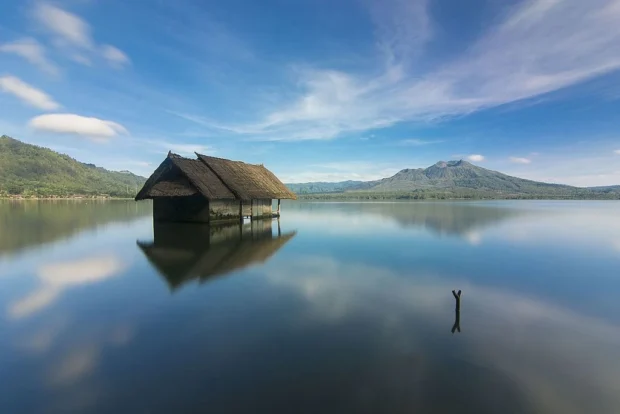
- Gubuk Derita by Made agus devayana on Wikimedia Commons – cc by-sa 4.0
- Campuhan Ridge Walk, Ubud, Bali (15003626368) by Fabio Achilli from Milano, Italy on Wikimedia Commons – cc by 2.0


_at_Pura_Tirta_Empul_(2025)_-_img_03.jpg)


.jpg)