
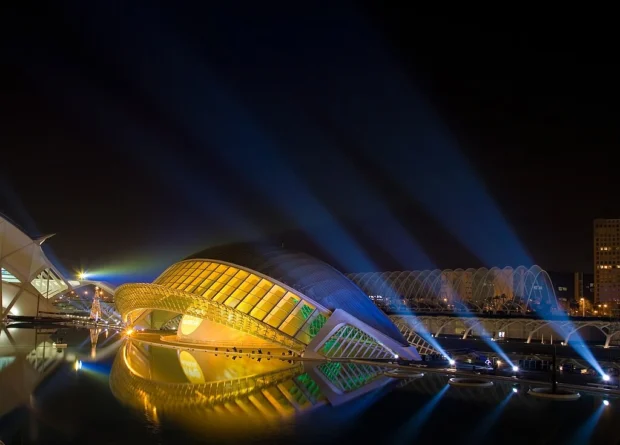
Valencia, Spain’s sun-drenched city by the Mediterranean, has a special personality that you start to feel as soon as you step onto its wide, palm-shaded streets. It’s not only about paella or sandy beaches though both are worth arriving hungry and barefoot for. What fills this city with life is a mix of dazzling buildings, friendly locals, and strange corners that turn every walk into something personal. If you travel for markets, seaside breezes, odd museums, and daily surprises, Valencia keeps rewarding your curiosity.
Table of Contents
Let me take you on a walk sometimes I get lost, but that’s half the fun. With warm mornings, hidden gardens, and a rhythm that’s never hurried, Valencia quietly competes with Spain’s bigger cities. And if you ask the locals, they’ll tell you (with a cheeky smile) that it beats them all.
From Airport to Orange Groves Getting into Valencia
Landing at Valencia Airport, you’ll notice orange trees and blue sky right outside the terminal. The easiest way into the city center is using the Metro. Hop on Line 3 or 5; both take you straight to downtown. The ride takes about 20 minutes, and you’ll see neighborhoods change as you go. If you arrive by train, Estació del Nord drops you in the heart of the city just a lazy stroll from most main sights. Valencia is flat, so walking is easy, and buses and trams are simple for going farther.
City of Arts and Sciences A Space Odyssey by the River
No matter how many pictures you’ve seen, the City of Arts and Sciences is more surreal in person. Locals call it “La Ciudad de las Artes y las Ciencias”—a name as long as the futuristic buildings themselves. Designed by Santiago Calatrava, it looks like something beamed down from another planet. Shimmering pools reflect silver walkways; fish-shaped roofs and giant white arches tease your camera. Inside you’ll find Oceanogràfic, the largest aquarium in Europe, where you walk under floating sharks and rays. There’s also a science museum where kids (and adults) can play and learn at the same time. Step outside, and skateboarders and rollerbladers zip by on smooth marble, while families bask on the sun-warmed steps.
Valencia’s City of Arts and Sciences offers a stunning blend of futuristic design and cultural wonder worth experiencing up close.
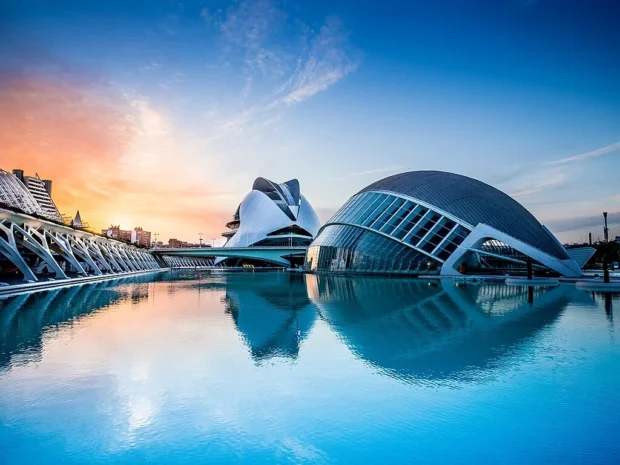
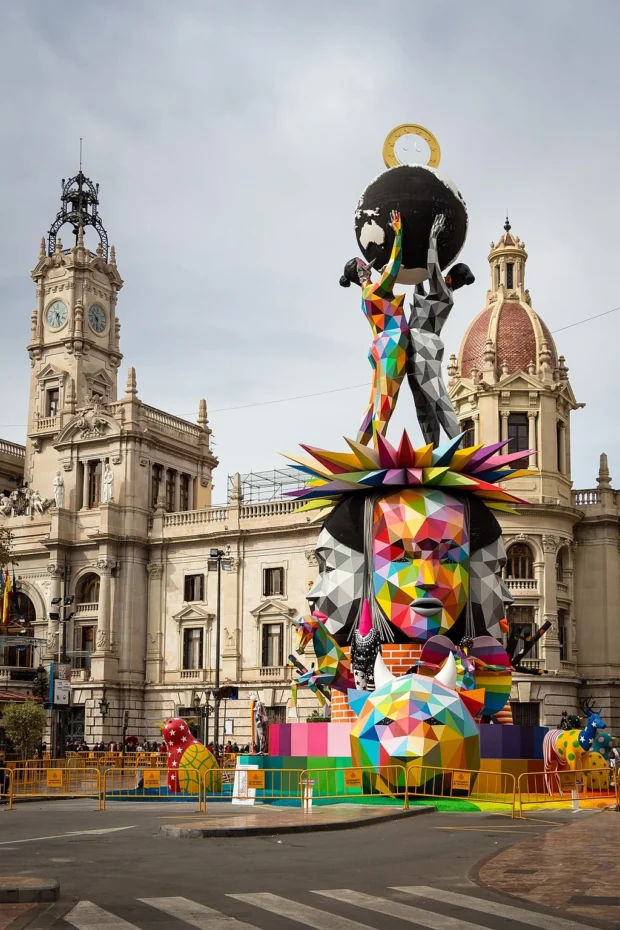
If you’re lucky enough to visit during the annual Fallas festival, this area is even more alive, full of fireworks, music, and enormous wooden sculptures. Even when there’s no special event, this part of town feels exciting a mix of science fiction dreams and Spanish passion for outdoors. Locals come here to picnic, jog, or just let kids run wild.
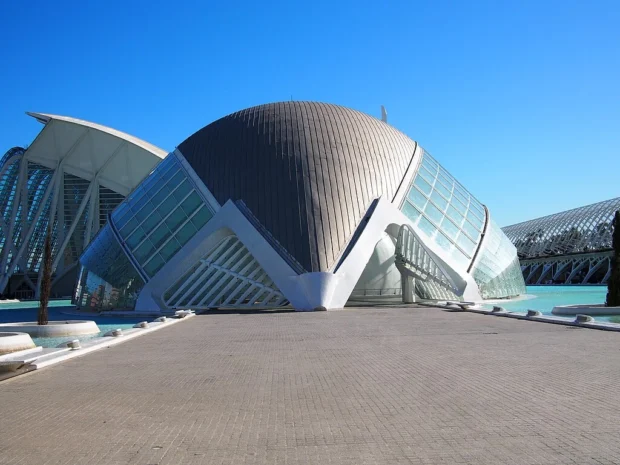
Turia Gardens Valencia’s Winding Green Heart
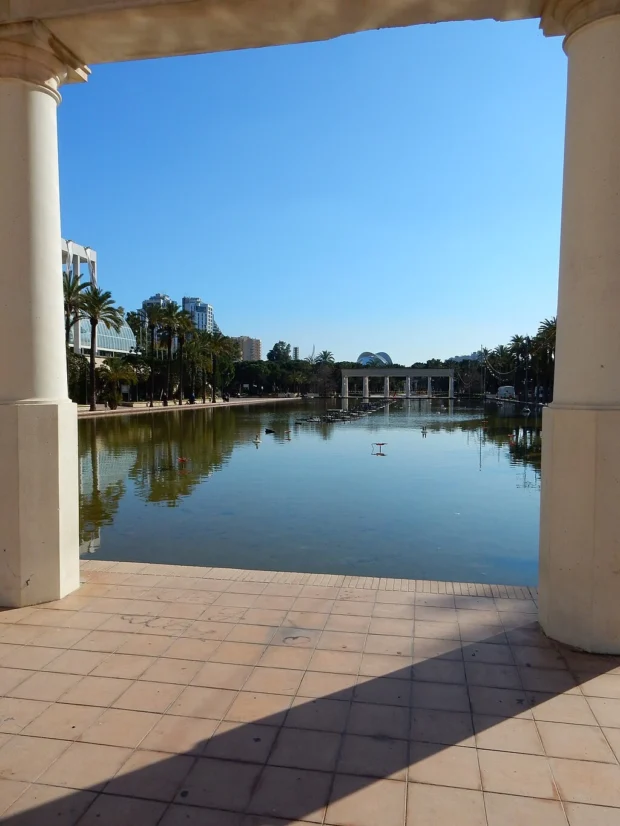
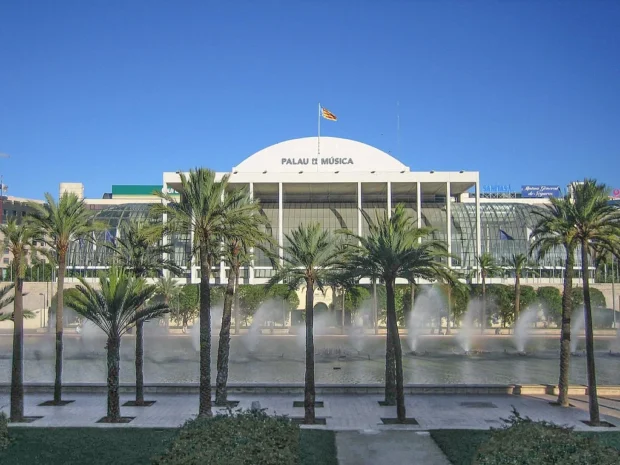
One story every Valencian loves to tell: The river used to run through the city, cutting it in two. After a terrible flood in the 1950s, they moved the river and built a giant garden where the water used to flow. Today, Jardín del Turia (or just Turia Gardens) is a ribbon of green stretching through the middle of town. Eleven kilometers long, it’s full of playgrounds, fountains, and even an open-air gym. I love to rent a bike there are rental stands everywhere and ride beneath the old bridges, passing kids playing soccer and old men reading under orange trees. The soft sound of water and cheerful locals gives you a break from stone streets and sun. Some mornings, street musicians set up near the Palau de la Música, giving free concerts to anyone passing by. The best thing? The gardens connect so many sights like a leafy secret path between past and future Valencia.
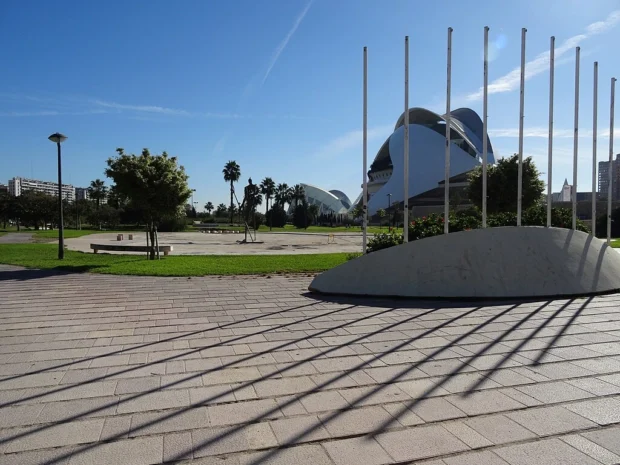
Valencia Cathedral Bell Towers, Legends, and a Holy Grail
Cities compete for the biggest or the oldest churches, but Valencia’s Cathedral has its own mystery the supposed Holy Grail sits inside. Locals sometimes joke that you can “find God and adventure” in the same place. The outside shows pieces from many centuries Gothic, Baroque, even Romanesque. Step inside, and light pours through colored glass as old as the city itself. For a true postcard moment, climb the Micalet bell tower (there are 207 winding steps, so stretch first). From the top, the rooftops look like burnt caramel with splashes of blue tile, and you can see the Mediterranean in the distance on a clear day.
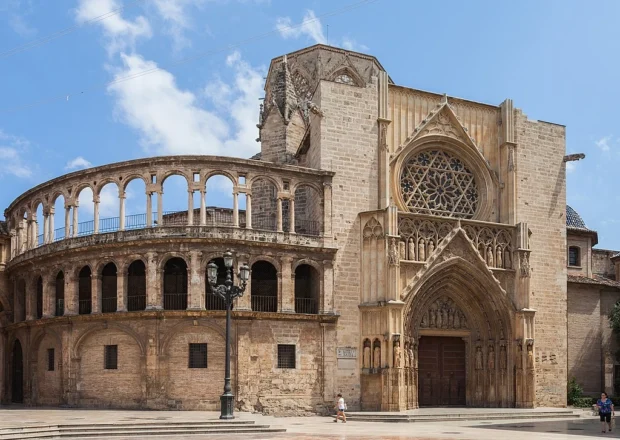
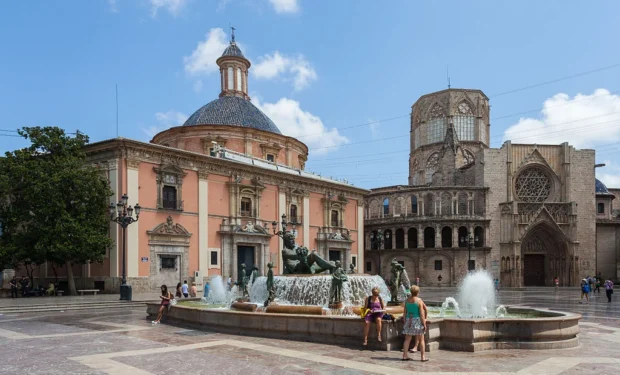
Don’t miss the nearby Plaza de la Virgen, an easygoing square surrounded by cafés. People linger here for hours drinking coffee, reading the paper, or just watching pigeons chase bread crumbs. On Thursdays at noon, you might see the famous Water Court, where robed men settle disputes about irrigation a tradition over a thousand years old and now a UNESCO Intangible Heritage. I once watched them argue with hand signals, all in Valencian, but everyone seemed to understand perfectly.
La Lonja de la Seda Whispering Walls of Silk and Silver
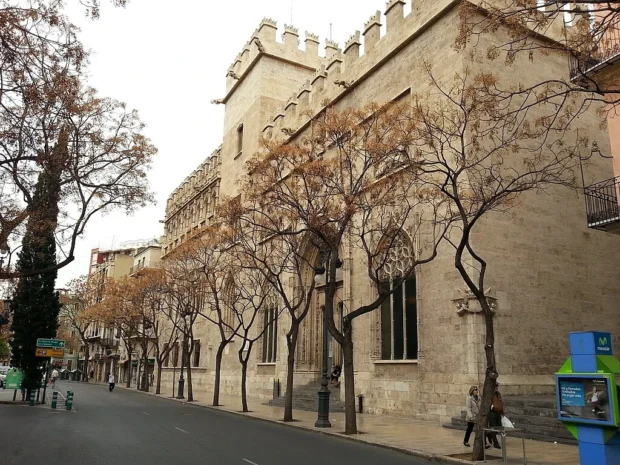
Walk a few streets from the cathedral and you find La Lonja de la Seda, the old Silk Exchange one of Europe’s best Gothic buildings, and a UNESCO World Heritage site. Built when Valencia was rich on silk trade, its twisted columns look like giant, stone ropes. I remember whispering in the echoing hall, imagining merchants haggling over priceless fabrics, and hearing the wind whistle through the courtyard of orange trees. There are stone gargoyles watching you from above; some are strange, including one said to be picking his nose! Locals say the builders put them there just to make people laugh. The building’s silent grandeur makes you sense both the ambition and humor of old Valencia.
Valencia’s historic charm continues in the elegant La Lonja de la Seda, a tranquil Gothic masterpiece near the heart of the city.
Mercado Central Baskets of Fruit, Voices, and Scented Air
Across the square, the Mercado Central vibrates with life and color. Walk inside and your senses wake up at once: pink hams hanging from fancy stalls, bright oranges stacked like a still life, fish so fresh they still shine. This market is an Art Nouveau marvel with mosaics and iron beams, but nobody pays much attention to the ceiling they are too busy shopping or chatting. Listen to the mix of Spanish, Valencian, and laughter. Try juicy mandarins or horchata (a sweet, nutty drink) at one of the small bars. In the back corner, I once saw a grandmother teaching her grandson how to choose the best tomatoes. There’s no better way to taste the city just don’t come hungry or you’ll buy everything.

Beaches, Rice, and Wetlands Valencia’s Mediterranean Coast and Countryside
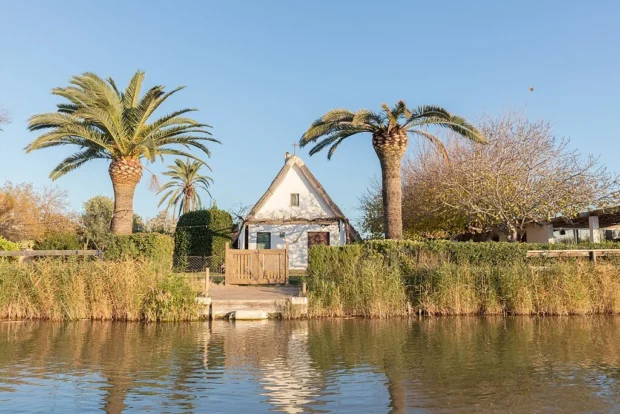
If sun and sea call your name, Malvarrosa Beach and its neighbors are a half-hour tram ride from the center. Even in winter, you see joggers and old men fishing from the pier. In summer, the sand is soft and the water perfect for swimming. Along the promenade, old fishermen’s houses have turned into paella restaurants. The best paella, locals say, is made in the Albufera Natural Park, just south of the city. Take Bus 25 from downtown and you’ll be among rice paddies, herons, and wooden boats. Some evenings, I watched the sunset from a boat drifting over the shallow lake flamingos skimming the reeds, paella bubbling nearby. Albufera, with its little villages and slow pace, shows a quieter side of Valencia.
More Sights Towers, Art, and Surprises on Every Corner
Valencia never truly ends, even if you think you’ve seen it all. The Torres de Serranos and Torres de Quart, two medieval gates, still stand proud at the edge of the old town. I always imagine knights clattering through on horseback, though today families use them as a lookout before heading off for ice cream. Museums are everywhere: The Museum of Fine Arts has paintings from masters like Goya and Velázquez, and inside the Iglesia de San Nicolás you get a surprising burst of color—locals sometimes call it “the Sistine Chapel of Valencia” for its painted ceilings.

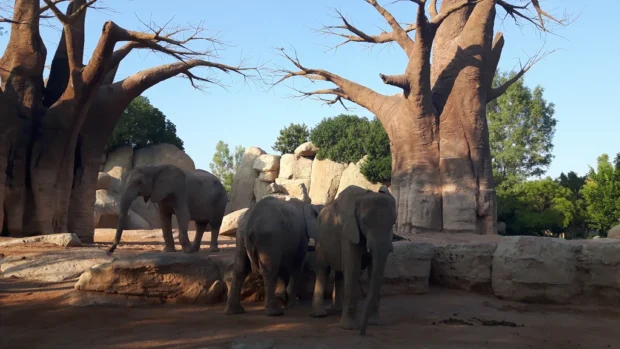
Not far away, Bioparc Valencia is a zoo that feels like a safari animals roam in landscapes almost like their real homes. For music lovers, the Palau de la Música sits in the Turia Gardens and often offers free concerts, or you can simply enjoy the modern glass architecture and relaxing fountains nearby. The Plaza del Ayuntamiento (City Hall Square) is the city’s center for festivals, fireworks, and watching life swirl past. On big days like Las Fallas, expect the square to fill with noise, color, and smoke don’t forget earplugs if you’re sensitive!
Where to Stay Finding Your Own Valencia
Valencia offers many options for different travelers. If you want to wake to church bells and lively cafés, the old center (Ciutat Vella) is best. The Ruzafa district is trendy, packed with creative energy, street art, and food from around the world. Quiet souls might prefer a room near the Turia Gardens, where birdsong replaces traffic. For longer stays, some travelers rent a room in family-run guesthouses usually simple but warm, with helpful hosts who know the secrets of the city.
Morning or night, Valencia feels safe and welcoming. Some streets are lively until late, but residential areas quiet down early. In the beach neighborhoods, expect music and dancing at weekends locals love a good walk by the sea before dinner. If you’re the kind who likes to slip into the flow of daily life, choose a place near a local bakery or park, and let the city wake you up gently.
Food Specialties Rice Above All, and Sweet Surprises
Paella was born here, and every local has an opinion about it. For the classic experience, try the version with rabbit and snails (paella Valenciana) in the rice villages south of town. In the city, Ruzafa and El Carmen have small restaurants serving all kinds of rice dishes seafood, black rice, or even vegetarian. Don’t ask for chorizo in your paella; locals will give you a gentle frown. For a quick bite, try street pastries called fartons, dipped into creamy horchata, sold in bakeries from the Mercado Central to Algiros.

Markets are great for trying cheese, jamón, and smoothies made from local oranges. In the evenings, tapas bars fill up with people nibbling olives, salted almonds, and clams. I once joined a table in a busy bar and ended up sharing food and stories with a family celebrating a birthday Valencians love to include newcomers. Don’t leave without tasting bunyols (fried dough balls) if you visit during Las Fallas, or the fruity wines of the Utiel-Requena region just inland.
Customs, Culture, and Everyday Life in Valencia
The people of Valencia are proud of their history but easygoing with strangers. Greet with a smile, and you’ll likely get one in return. Don’t rush lunch can last hours, and shops might close for siesta in the hottest part of the day. In the evenings, plazas fill with families, young people, and older folks chatting. Sunday mornings are for churros and thick hot chocolate. If you join a festival, follow what the locals do be respectful, but let yourself enjoy the noise and fun.
Avoid talking politics or religion unless invited by your hosts. Keep your voice down in cathedrals and museums; people here respect quiet spaces. If someone offers you homemade paella, consider it a sign of friendship it’s a dish that takes hours, and people rarely make it just for themselves. Take time to notice details: hand-painted tiles on old walls, small flower stalls near the bridges, or neighbors sharing oranges over a fence. Valencia’s rhythm rewards those who move slowly and pay attention.
Quirky Corners and Village Escapes Beyond the Postcard Sights
I’ll finish with some of my own favorite offbeat discoveries. In the fishermen’s quarter, the houses are painted all colors sometimes with laundry hanging across the street like party flags. In Cabanyal, old tiled facades hide tiny taverns where you hear flamenco late at night. Every spring, almond blossoms cover the hills near Benimaclet, a district where chicken coops and backyard gardens still exist just minutes from downtown. If you feel bold, try a trip to nearby mountain villages by train. The landscape becomes wilder, and sometimes you find a valley with nobody but goats and wild rosemary. The train ride itself, with weaving tracks and scrambling clouds, often becomes the best part of the journey.
Valencia, in the end, is both grand and gentle. Its most important sights are easy to find, but its personality reveals itself in the way people greet you, in markets at sunrise, in a glass of sangria on a sunlit plaza. Follow your own curiosity, take the time to chat with a shopkeeper, or just watch the city change color as the evening falls. That’s the Valencia that stays with you long after you leave.

Backpacker exploring budget-friendly destinations while volunteering around the world.
- Hemispheric – Valencia, Spain – NYE Dec 2006 by Diliff on Wikimedia Commons – cc by 2.5
- City Of Arts And Sciences by William Warby on Wikimedia Commons – cc by 3.0
- Oceanogràfic Valencia by Andrew Stobart on Wikimedia Commons – cc by-sa 4.0
- 20151119 048 Valencia – Jardín del Turia (23285588285) by Sjaak Kempe from Groningen, The Netherlands on Wikimedia Commons – cc by 2.0
- Catedral de Valencia, Valencia, España, 2014-06-30, DD 160 by Diego Delso on Wikimedia Commons – cc by-sa 3.0
- Plaza de la Virgen, Valencia, España, 2014-06-30, DD 163 by Diego Delso on Wikimedia Commons – cc by-sa 3.0
- Llotja de la Seda de València 06 by Dorieo on Wikimedia Commons – cc by-sa 4.0
- Mercado Central, Valencia, España, 2014-06-30, DD 117 by Diego Delso on Wikimedia Commons – cc by-sa 3.0
- Barraca, parque natural de la Albufera, Valencia, España, 2022-12-18, DD 19 by Diego Delso on Wikimedia Commons – cc by-sa 4.0
- 155 Torres dels Serrans (València), cara nord by Enric on Wikimedia Commons – cc by-sa 4.0
- Bioparc Valencia, Valencia, Spain (30444665195) by Boris Dzhingarov on Wikimedia Commons – cc by 2.0
- Fallas2018 – Falla Plaza del Ayuntamiento 01 by Rafa Esteve on Wikimedia Commons – cc by-sa 4.0
- Valencia, Spain (26460023531) by Brett Hodnett on Wikimedia Commons – cc by-sa 2.0
- Altar mayor de la Iglesia de San Nicolás de Bari y San Pedro Mártir 02 by Dorieo on Wikimedia Commons – cc by-sa 4.0
- Palau de la Música a València by Sento from Valencia, Spain on Wikimedia Commons – cc by-sa 2.0

.jpeg)

.jpg)


,_cara_nord.jpg)
.jpg)

.jpg)

