

Imagine a city where leafy boulevards meet lively street corners, old-world churches are set beside Soviet facades, and the hum of daily life always seems touched by poetry. This is Chisinau, capital of Moldova and a place where the crossroads of history, culture, and hospitality are waiting for curious travelers. If you have never considered wandering in Moldova’s capital, its mix of eastern and western influences, gentle green parks, and openhearted people may surprise you. Let’s walk the tree-lined streets together, trading stories for secrets, and finding what makes Chisinau special for every visitor.
Table of Contents
Arrival in Chisinau: Getting Around Made Easy
Chisinau’s main airport sits just 13 kilometers from the city center. Most visitors choose a minibus (locally called “rutiera”) or the regular city trolleybus. Both are affordable, and the ride often feels like a slice of local life old men with newspapers, students sharing music, mothers with flowers from the market. Listen for the rustle of bills and coins; here, payment is usually made in cash, handed directly to the driver or conductor.
Chisinau’s main train station is also close to the heart of town, a Soviet-era building with an impressive clock tower. From here, trolleybuses fan out to every district. Tickets are cheap, and the routes are regular, but don’t expect signs in English join the flow, ask a fellow passenger, and you’ll find yourself practicing a few friendly Moldovan words before you know it.
Stefan Cel Mare Central Park: The City’s Living Room
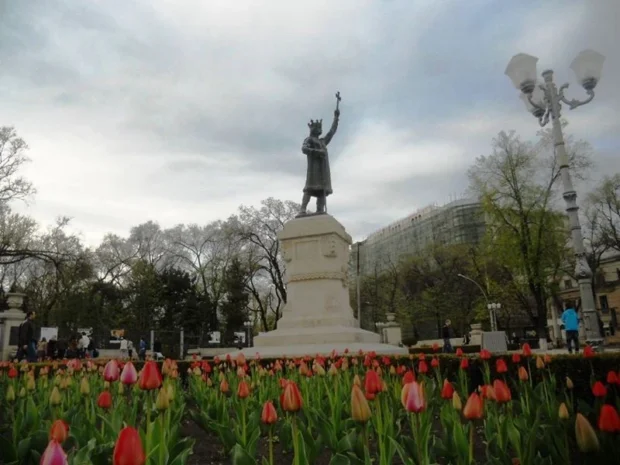
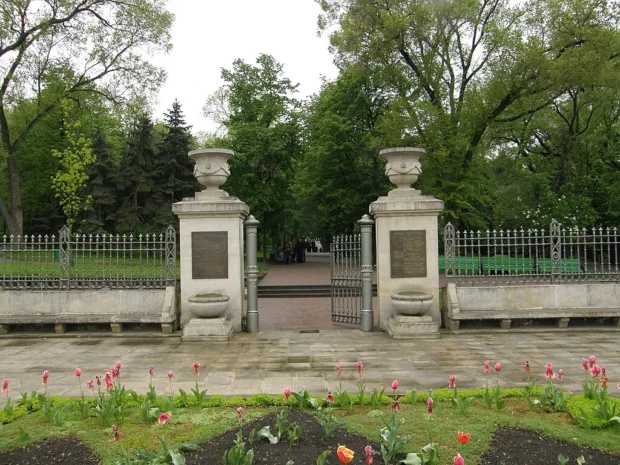
Locals often call Stefan Cel Mare Central Park the “lungs of Chisinau.” In the early hours, grandparents gather under the shade of ancient chestnut trees, trading stories and shells of sunflower seeds. Later, young couples stroll the stately walkways, sometimes meeting around the fountain near the Monument of Stephen the Great. This statue, honoring Moldova’s beloved 15th-century ruler, stands like a silent guardian over the park, sword raised as if to greet every passerby.
The park is more than a green spot it’s a living museum of city moods. On Sunday mornings, you might see chess players hunched over battered boards. By afternoon, children tumble across playgrounds or chase pigeons near the open-air book market (a great place to find a Soviet-era map or a poetry book for your shelf back home). For many, Stefan Cel Mare Park is where Chisinau’s heart beats loudest: full of music, laughter, and a gentle sense of belonging.
Triumphal Arch and the Nativity Cathedral: Chisinau’s Classic Icons
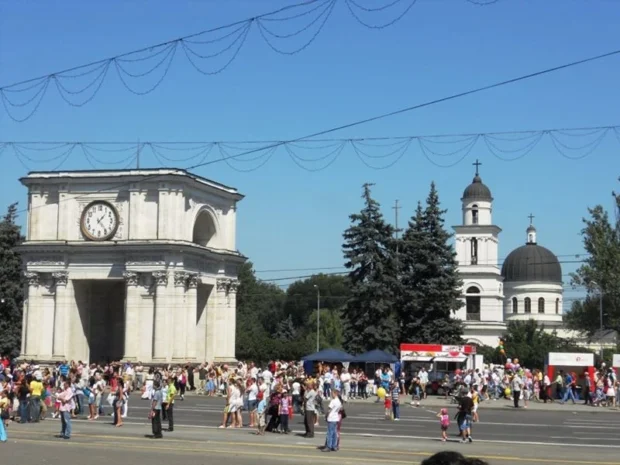
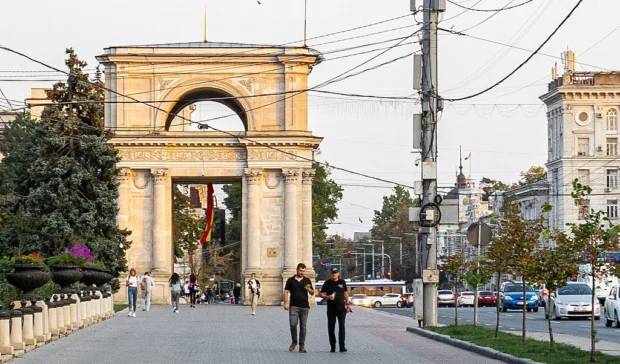
If you walk ten minutes from Stefan Cel Mare Park, you’ll find yourself in front of two symbols of Chisinau’s soul. The Triumphal Arch, sometimes called the Holy Gates, is a white limestone gate built in 1840 to mark the Russian Empire’s victory over the Ottomans. While it is not as big as similar arches in Paris or Moscow, this landmark is instantly recognizable, especially when lit up at night. Stand beneath it and feel the weight of years and stories in its stone.
Nearby stands the Nativity Cathedral, Chisinau’s main Orthodox church. Its pale yellow walls and elegant domes gleam against the sky. Step inside and a hush falls over you: icons flicker in the candlelight, and the scent of beeswax and incense hangs in the air. Locals cross themselves quietly before the elaborate iconostasis. If you come on a Sunday morning, you’ll hear a choir singing old melodies, their voices echoing through the high cupola. The cathedral’s square, with its symmetrical gardens and fountains, is a favorite meeting place for friends and families.
An Afternoon of Curiosities: Museums and Local Oddities
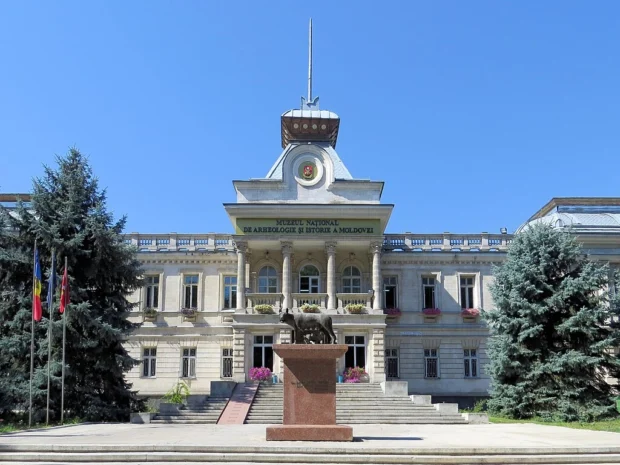
No walk through Chisinau is complete without visiting the National Museum of History. This statue-flanked neoclassical building welcomes you into Moldova’s past from medieval armor to rare coins and Soviet propaganda posters. Once, I lingered too long in the room full of old village costumes and found myself chatting with a museum guide about wedding rituals in the countryside. Did you know Moldovan brides once wove their own dowries, including carpets and embroidered towels, to show their skill and patience?
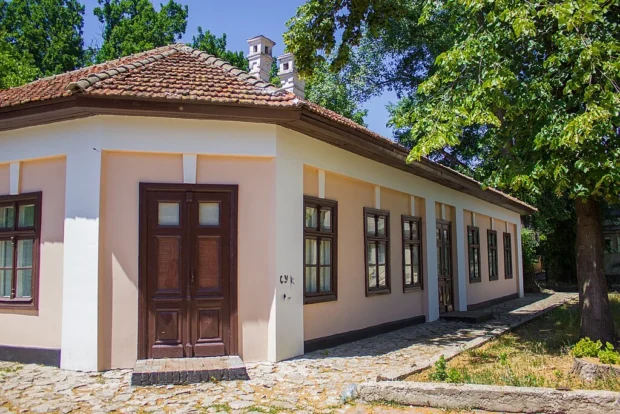
Another hidden favorite is the Pushkin Museum. Alexander Pushkin, Russia’s greatest poet, lived in Chisinau in exile for three years. The house where he stayed is now a museum, filled with manuscripts, feather pens, and quirky 19th-century gadgets. Some say Pushkin wrote some of his sharpest lines while gazing out at the city’s poplar trees, dreaming of home.
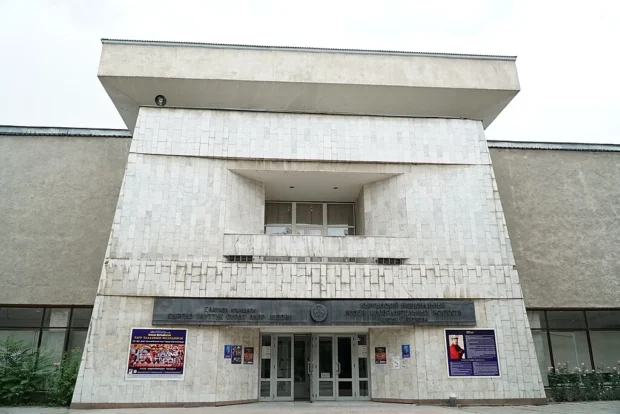
Art lovers should not miss the Muzeul National de Arta al Moldovei, which houses a colorful mix of Moldovan and European works. The building itself is worth a look, with delicate facades and wide marble staircases. I remember a rainy afternoon spent lost in galleries of icons, folk art, and 20th-century paintings, some so bright you’d swear the artist bottled up Moldova’s long summer light.
Green Oases and Hidden Corners: Parks and Beyond
When the city’s mood feels busy, Chisinau offers many green escapes. Valea Morilor Park is my favorite for a picnic or lazy walk. The lake, created during the Soviet era, is circled by willow trees and jogging paths. In spring, the banks explode with wildflowers and couples renting paddleboats. If you follow the wide staircase to the water’s edge, you’ll spot fishermen with bamboo rods and children racing toy boats.
To complement your exploration of Chisinau’s parks and vibrant city life, discover São Paulo’s unique blend of urban art and serene green spaces in our guide to the Brazilian metropolis São Paulo City Break.

For nature lovers, the Chisinau Botanical Garden at the city’s edge is a peaceful retreat. Locals come here for wedding photos, quiet contemplation, or to see the dazzling tulip displays in late April. The air smells of lilac and cut grass, and if you walk far enough, you’ll find rare oaks and ponds filled with frogs. The garden, originally designed by Soviet botanists, is also home to turtles and hundreds of kinds of birds keep your camera ready.
One morning, a local friend led me to a much quieter place: the Holy Gates Monastery, set further from the city center. The bell tower rises above rose bushes and tidy rows of vegetables. Monks in dark robes tend the grounds in silence, sometimes giving a shy nod to visitors. If you’re lucky, you may hear the bells calling the faithful to prayer, or catch the scent of wood smoke and fresh bread drifting from the kitchens.
Meeting Chisinau’s People: Marketplaces, Rituals, and Everyday Life
To feel the city’s pulse, visit the central market, Piata Centrala. It’s an explosion of color and sound: piles of cherries in summer, pyramids of tomatoes and aubergines, the sharp scent of fresh dill. Women in flowered headscarves bargain over blocks of brinza (salty sheep cheese), while old men drink kvass fermented bread soda from plastic cups under striped umbrellas. Try a slice of placinta, a flaky pastry filled with cabbage or cherries. Vendors are used to curious foreigners and will often offer a taste with a wink.
Chisinau’s markets are also goldmines for craft traditions. Look for handwoven carpets, painted ceramics, and baskets made from willow. If you need a souvenir, pick up a woven towel called a “prosop” locals use them in rituals from weddings to Easter celebrations. Many believe a home with a prosop by the door welcomes good luck.
Festivals are an important part of local culture. The city comes alive in late August for Independence Day, with music, folk dancing, and impromptu picnics in the parks. If you’re lucky enough to visit during the Wine Festival in early October, you’ll find the whole city celebrating Moldova’s ancient wine traditions glasses clink, folk songs echo, and strangers toast “noroc” (cheers) as if you were always an old friend.
Architecture and Cultural Heritage: A City of Contrasts
Chisinau’s architecture is a living lesson in its past. Along one avenue, you’ll spot 19th-century villas with chipped paint and wild grapevines curling up the balconies. On another, austere Soviet apartment blocks loom over the street, complete with mosaics of heroic workers and stylized sunbursts. The city’s urban landscape is full of surprises a crumbling Art Nouveau facade here, a modern glass bank there, and in between, unexpected pockets of greenery and rose gardens.
In the old city, small churches hide behind courtyards, their gold domes peeking above red roofs. Some are only open on major Orthodox holidays, but if you visit during a service, it’s common to step quietly to the back and light a candle. Don’t be surprised if someone offers you a piece of sweet bread after the prayers Moldovan hospitality stretches to strangers too.
Conservation is an ongoing challenge in Chisinau. Locals are proud of their history and traditions, yet many historical buildings wait for careful restoration. Community groups and artists have begun painting murals and repairing old houses if you’re interested in architecture, keep your eyes open for these grassroots efforts, especially in the area around Pushkin Street.
Sleep, Eat, and Enjoy: Practical Tips for Your Stay
Accommodation in Chisinau ranges from simple guesthouses to stylish apartments in the city center. For the most authentic feel, stay in a residential district close to Stefan Cel Mare Park or the old town, where morning brings the sound of church bells and the smell of baking bread from nearby corner shops. Apartments often have small balconies perfect for a cup of coffee and people-watching.
Moldovan food is hearty and full of flavor, shaped by both Slav and Balkan traditions. In the Riscani district, sample mamaliga, a golden cornmeal porridge served with sour cream and cheese. In Botanica, look for zeama, a chicken noodle soup bright with herbs and a squeeze of lemon. Cafes serve sarmale (rice and meat in cabbage leaves) and thick borscht with fresh dill. Portions are generous, so come hungry. And don’t skip dessert: try a slice of honey cake or a glass of homemade fruit compote.
Wine has been a part of Moldovan life for thousands of years. Local wines especially the reds are worth tasting, whether in a cozy restaurant or at a market stand. If you enjoy trying something new, ask for a glass of “kvint,” a traditional Moldovan brandy. Toast with locals and you’ll soon learn the Moldovan habit of clinking glasses and looking friends in the eyes.
Customs, Conversations, and Making Friends
Moldovans are proud of their traditions and hospitality. When greeting someone, a warm handshake and direct eye contact are the norm. If you are invited to a home, bring a small gift flowers are always appreciated, but avoid even numbers, as they are associated with funerals. At the table, it’s polite to try every dish offered (even if you’re full), as refusal may be seen as unfriendly.
Religion plays an important role in public and private life. In churches, dress modestly and speak quietly. On Orthodox holidays, watch for families carrying baskets of colored eggs and sweet bread to be blessed. Even in the busiest parts of the city, you might see someone pause to cross themselves before a roadside icon or chapel.
Conversation with strangers is usually reserved but polite. Moldovans are quick to laugh and share stories once you break the ice especially if you know a word or two in Romanian or Russian. Don’t worry if you get a name wrong; most locals are forgiving and eager to help visitors feel at home.
Last Glimpses: Chisinau’s Lasting Impressions
As the sun sets, Chisinau changes pace. The parks hush as families wander home, but the city’s small cafes and bars come to life with music and conversation. Sometimes, I’d end my day watching the golden light on the statue of Stefan cel Mare, or sharing a last cup of coffee on a balcony, listening to the city’s soft, steady rhythm.
Chisinau is a city of contrasts and gentle surprises a place where history, hospitality, and daily ritual weave together in unexpected ways. Whether you come for a few days or linger for weeks, you’ll find the city always has another story to share, another corner to reveal, and another friend to make. The Moldovan saying goes, “Where the guest is happy, the host is also happy.” In Chisinau, that happiness feels as honest and enduring as the city’s oldest trees.
For a different European city blend, consider visiting Brussels, where historic squares meet vibrant street life and unique local flavors.

Eastern Europe travel specialist uncovering hidden gems from the Baltics to the Balkans.
- Chisinau Railway Station – Moldova (by David Stanley) by D-Stanley on Wikimedia Commons – cc by 2.0
- AIRM – Stephen the Great Monument, Chișinău – aprilie 2013 – 586667028024721 by Agenția de Inspectare și Restaurare a Monumentelor din Republica Moldova on Wikimedia Commons – cc by-sa 4.0
- AIRM – Nativity Cathedral, Chișinău – dată necunoscută – 262580180433409 by Agenția de Inspectare și Restaurare a Monumentelor din Republica Moldova on Wikimedia Commons – cc by-sa 4.0
- Museum of History (AP4L0086 1PS) (28922487610) by Alexandru Panoiu from Bucharest, Romania on Wikimedia Commons – cc by 2.0
- Muzeul Puskin 2015 by Criss90kf on Wikimedia Commons – cc by-sa 4.0
- National Museum of Fine Arts Gapar Aitiev by Adam Harangozó on Wikimedia Commons – cc by-sa 4.0
- Parcul Valea morilor (2013) (3) by Alex Prodan md on Wikimedia Commons – cc by-sa 4.0
- Arch of Triumph, Chisinau, Republic of Moldova (51160304626 cropped) by Photobank MD from Chisinau, Moldova on Wikimedia Commons – cc0
- Entrance to the Stephen the Great Central Park in Chișinău (2476159265) by Klearchos Kapoutsis from Santorini, Greece on Wikimedia Commons – cc by 2.0
.jpg)


_(28922487610).jpg)


_(3).jpg)
.jpg)
.jpg)