

Venice, long celebrated as La Serenissima, is a city where land and water calmly intertwine, shaping a place unlike any other. Here, canals weave between antique palazzi and marble bridges, while gondolas drift beside floating market boats. Venice is not simply a collection of famous landmarks its soul reveals itself through the soft lapping of the Grand Canal, the abstract reflections in flooded squares, and the aroma of chicchetti in hidden bacari. I wandered its labyrinth of lanes and piazzas with curiosity, pausing for conversation with Venetians who claim, “In Venice, every stone tells a story.” Let us embark on an immersive stroll through this watery city, where centuries of architecture, painting, mosaic, and sculpture quietly call those who admire beauty and living history.
Table of Contents
St. Mark’s Basilica: Mosaic Splendor in Piazza San Marco
My first morning in Venice began with the sound of bells echoing across Piazza San Marco, the city’s social and spiritual heart. Here stands St. Mark’s Basilica, an emblem of Venetian grandeur and artistic achievement. The basilica’s eastern domes rise above golden mosaics and marble columns, blending Byzantine, Romanesque, and Gothic influences in a symphony of color and light. Stepping inside, I felt hushed awe: thousands of shimmering glass tiles form biblical scenes overhead, their glow shifting with the day’s sunlight. Venetians say, “Andare a San Marco,” to go to St. Mark’s is both a prayer and a celebration.
Amid marble floors echoing with centuries of footsteps, I lingered to admire the Pala d’Oro, an altarpiece encrusted with gold and gems. The attention to detail here, from the tessellated patterns beneath one’s feet to the sculpted columns bearing the basilica’s weight, reveals a city that has always valued the fusion of faith and artistry. Outside, pigeons fluttered across the square, and artists set up easels to paint the basilica’s animated façade. “Grazie mille,” locals smiled as I admired their work simple words of thanks, yet full of pride.

The Doge’s Palace: Gothic Power Meets Renaissance Elegance
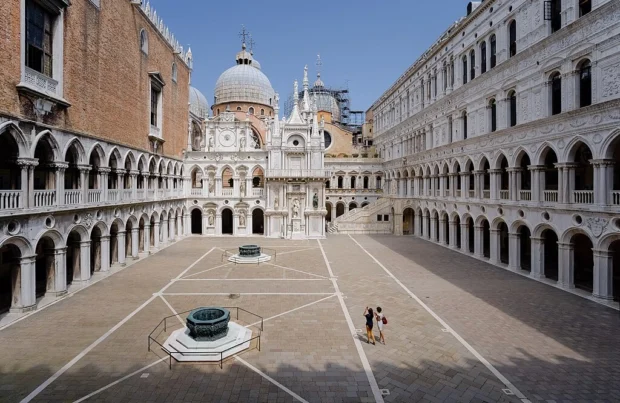
Beside St. Mark’s Basilica stands the Doge’s Palace, a masterpiece of Gothic architecture. Its pink marble arcades gaze towards the lagoon, inviting visitors into the former seat of Venetian power. The palace’s façade, with its delicate tracery and sculpted capitals, feels both light and monumental a paradox that mirrors Venice itself. Passing through the Porta della Carta, I was reminded of Venice’s long history as a republic where art and law joined forces.
For a deep dive into Venice’s regal history, the Doge’s Palace offers an enriching look at its art and power beyond St. Mark’s Basilica.
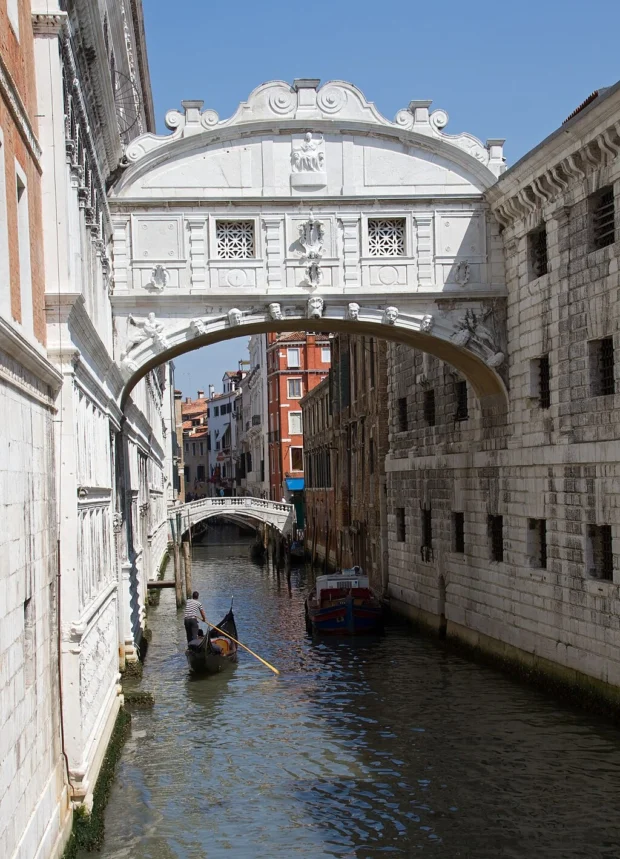
Wandering through the grand halls, I marveled at the painted ceilings by Veronese and Tintoretto, whose brushstrokes brought allegorical scenes to life. The Sala del Maggior Consiglio, once the largest room in Europe without supporting columns, pulses with the energy of political debate and artistic splendor. I paused at the famed Bridge of Sighs, an enclosed white limestone passage linking the palace to the old prisons. Legend whispers that prisoners crossing the bridge would sigh at their last glimpse of Venice’s beauty. The palace, to me, is a living archive its architecture and decoration a testimony to the city’s power and cultural ambition.
Rialto Bridge and the Life Along the Grand Canal
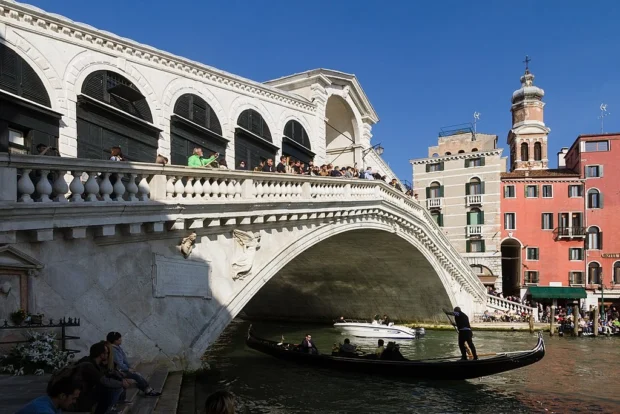
No postcard of Venice is complete without the Rialto Bridge. This sculpted arch, carved of shining Istrian stone, spans the central bend of the Grand Canal. Early one morning, I crossed the bridge while the city was bathed in silvery mist; vendors were arranging fruits and flowers at the market below, their voices rising in melodic Venetian dialect.
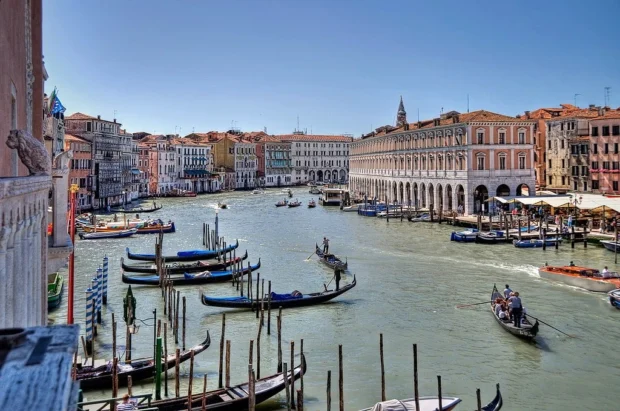
From this vantage point, the Grand Canal reveals itself as a living museum. Palaces with peeling frescoes and ornate balconies line the banks, their reflections rippling in the water. Vaporetto boats glide by Venice’s answer to city buses, efficient and scenic. I recommend using the waterbus from the airport or train station instead of taxis; it’s affordable and offers a panoramic introduction to the city.
For a closer look at Venice’s Grand Canal and its unique blend of history, architecture, and local life, check out Glide Along Venice’s Grand Canal.
The Rialto area bustles with life: there are cicchetti bars serving small plates of seafood, and locals gather for coffee or a glass of spritz. I tasted sarde in saor sweet and sour sardines in the San Polo district. “Buon appetito!” a smiling woman encouraged me. Such food, rooted in the city’s maritime history, tells another story of Venice’s ties to distant lands.
Piazza San Marco and Its Lively Atmosphere
Piazza San Marco, the city’s largest square, is surrounded by historic buildings and open to the lagoon. In the late afternoon, the square fills with gentle chatter and the sounds of live orchestras from elegant cafés. Children chase pigeons across patterned paving stones, and visitors marvel at the harmonious ensemble of the basilica, the campanile, and the arcades of the Procuratie.
Visitors enamored with Venice’s rich architecture may appreciate the insights on the vibrant heart of the city found in Piazza San Marco Awaits.

It is said that Napoleon called this Piazza “the drawing room of Europe.” While sipping espresso beneath striped awnings, I watched the interplay of light and shadow on stone, feeling briefly connected to the many writers, painters, and rulers who have lingered here. If rain comes, the square sometimes floods a phenomenon called “acqua alta” turning reflections into impressionist paintings at your feet. Venetians, in their waterproof boots, simply smile and say, “Così è Venezia” that’s Venice.
Islands of Murano and Burano: Glass and Color
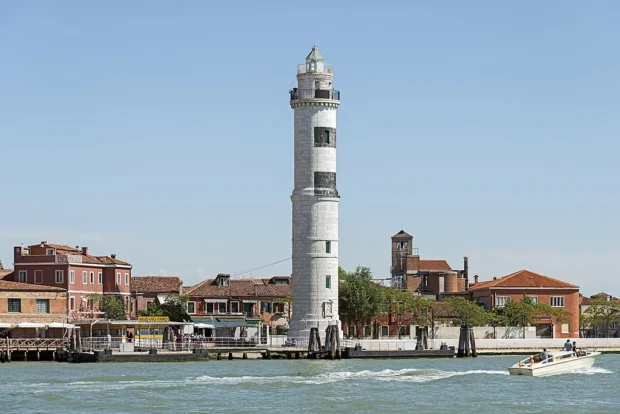
A gentle vaporetto ride from the main city brings you to the islands of Murano and Burano, each with their own distinct identity. Murano is world-renowned for its glassmaking tradition. Walking past glowing furnaces, I watched artisans shape fragile vases and dazzling chandeliers, spinning centuries-old techniques into contemporary forms. Many studios allow visitors to observe glassblowers at work, the heat of the fire a vivid reminder of the labor behind each beautiful object.
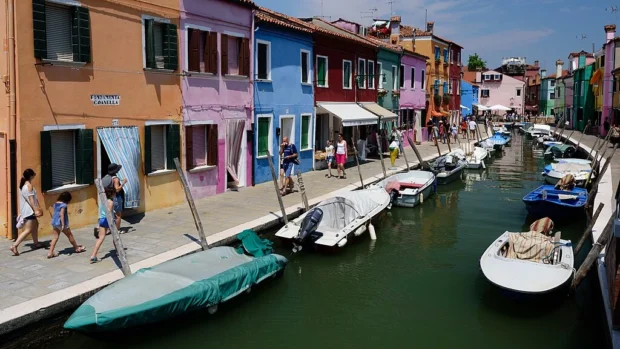
Burano, in contrast, greets visitors with houses painted every shade of blue, green, pink, and yellow. Fishermen’s homes form bright ribbons along tiny canals. Locals here are proud of their lace-making heritage, and scarves or tablecloths in shop windows speak of patient, meticulous artistry. While wandering, I chatted with a grandmother knotting fine lace. “Che bello!” she exclaimed when I complimented her work. I found this island peaceful, perfect for slow walks, with simple trattorias offering risotto di go, a creamy fish risotto unique to the lagoon.
Masterpieces at the Peggy Guggenheim Collection
Venice’s devotion to beauty is not confined to the past. On the Grand Canal, the Peggy Guggenheim Collection houses an extraordinary array of twentieth-century paintings and sculptures. The museum, set in an unfinished palace, feels intimate and approachable. I stood before Jackson Pollock’s rhythmic lines and admired the playful surrealism of Joan Miró—modern visions in conversation with the city’s ornate backdrop.
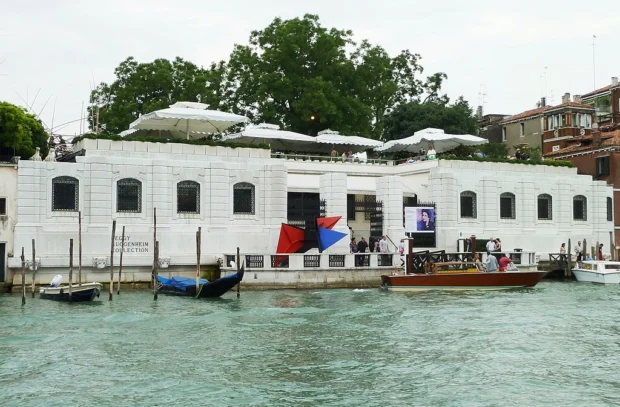
In the lush garden, I found quietude among marble sculptures and the grave of Peggy’s beloved dogs. Contemporary art lives here in a dialogue with Venetian light and water, attracting new generations of artists and thinkers during events like the Venice Biennale. I recommend leaving time to sit by the canal-front terrace, where passing gondolas provide living scenery for contemplation.
Architecture, Performance, and Hidden Corners
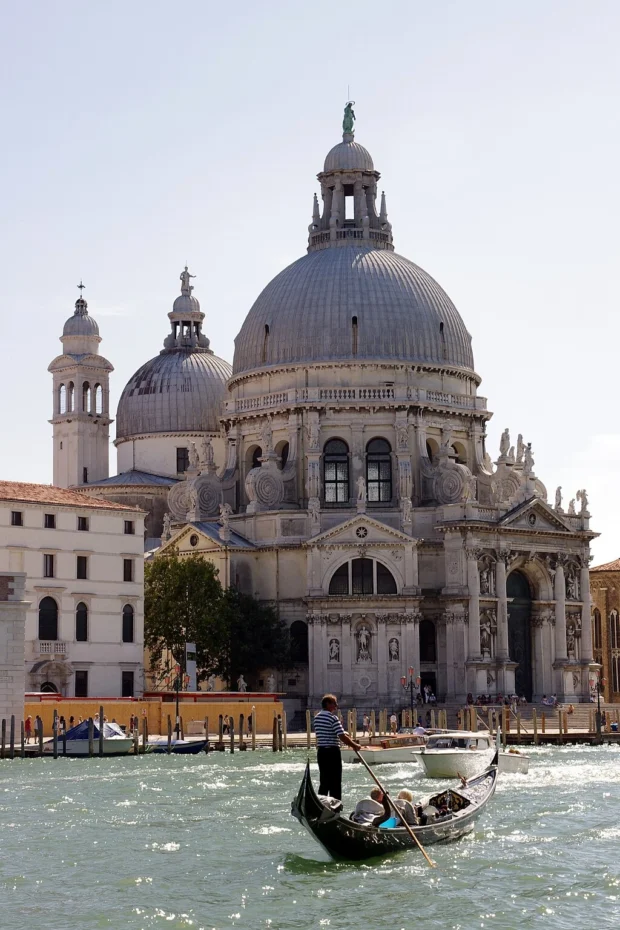
Venice’s architectural richness extends far beyond its most famous landmarks. Ca’ Rezzonico, a baroque palace overlooking the Grand Canal, offers a window into eighteenth-century life with its frescoed rooms and antique furnishings. The Santa Maria della Salute church, with its luminous white dome and elegant spiral stairs, stands as a baroque guardian at the mouth of the canal. Its interior mosaics and curling forms seem to echo the movement of the tide.
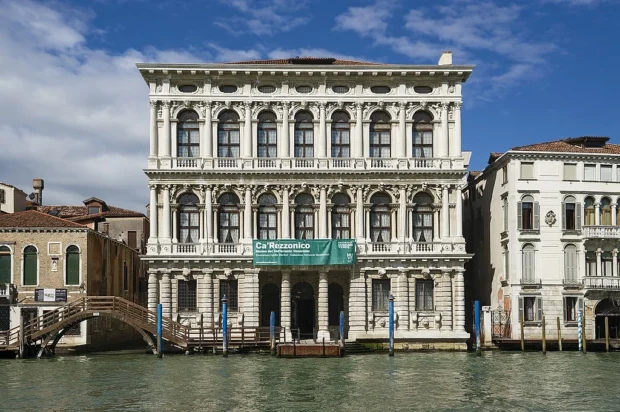
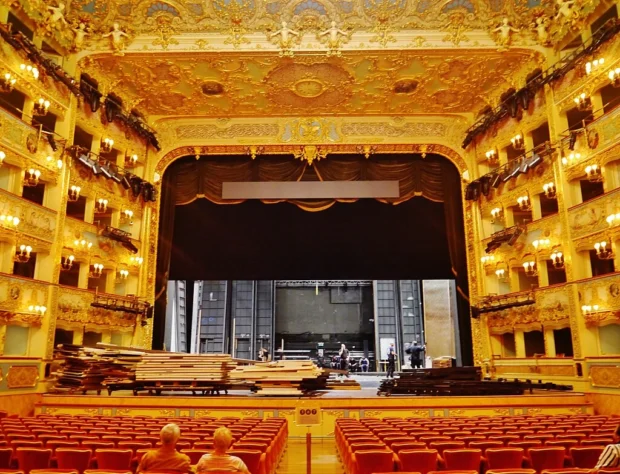
Music and opera are woven into the city’s cultural DNA. At Teatro La Fenice, red velvet seats and gilded balconies frame performances that evoke Venice’s theatrical soul. Even those not attending a show can sometimes enter to admire the restored interiors. During my visit, a rehearsal’s crescendo spilled out into the street, mingling with the city’s own music of laughter and oars.
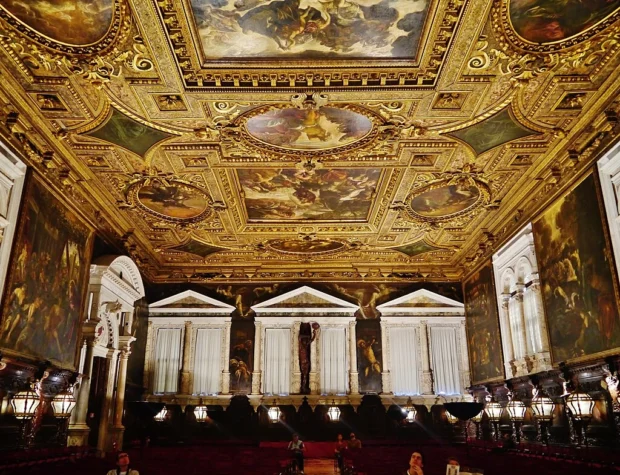
For quieter reflection, I sought out the Scuola Grande di San Rocco, where Tintoretto’s dramatic paintings fill the halls with biblical scenes in swirling, chiaroscuro light. Nearby, at the Arsenale di Venezia the historic shipyard massive gates and towers remind visitors of Venice’s former naval might, now transformed each year into pavilions for the Venice Biennale.
Hidden in narrow lanes, I stumbled upon murals and modern installations: spray-painted masks, stone-carved lions over doorways, and quirky mailboxes decorated by local sculptors. Venice’s neighborhoods, or sestieri, offer many such surprises for those who step away from the main routes.
Venetian Cuisine and Where to Stay
Eating in Venice is an adventure for the senses. In the Cannaregio district, I sampled baccalà mantecato a creamy cod spread served atop grilled polenta. In Dorsoduro, cicchetti bars line the canals, offering small plates of octopus salad, marinated anchovies, and golden fried zucchini flowers. Each sestiere has its own flavor, and locals linger over meals, savoring both food and conversation.
Venetian etiquette encourages politeness and patience. Greet shopkeepers with a quiet “Buongiorno” (good morning) or “Buonasera” (good evening), and remember that “Permesso?” is a gentle way to ask to pass. In cafés, standing at the bar for coffee is common; sitting at a table may cost more, but offers people-watching and a slow pace. Tuck into risotto nero (black cuttlefish risotto) at a trattoria, and end with a slice of tiramisu, invented just inland from Venice.
For accommodation, I found it rewarding to stay within Venice itself, rather than the mainland. Each district San Marco for grandeur, Dorsoduro for art, Cannaregio for quiet authenticity has its own personality. Accommodations range from palatial guesthouses with canal views to modest rooms in centuries-old buildings. Even the humblest place carries echoes of Venice’s grand past in its beamed ceilings and creaking floors.
Getting Around and Seasonal Pleasures
Venice is largely pedestrian, and its winding calli (lanes) and campi (squares) invite gentle wandering. I often found myself lost, but always stumbled onto something beautiful a sunlit courtyard, a stonemason’s studio, or a tiny church hung with Renaissance paintings. For longer distances or to visit islands like Murano and Burano, the ACTV vaporetto system is reliable and easy to use. From the airport, the Alilaguna waterbus brings you directly to the heart of the city, its route a microcosm of Venetian life.
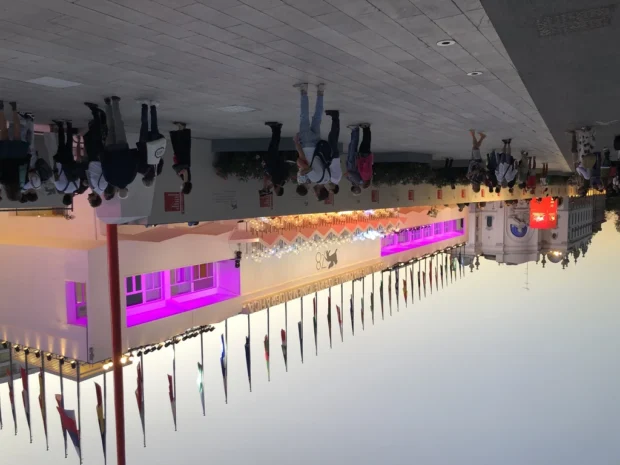
Lido di Venezia, reached by vaporetto, offers sandy beaches and Liberty-style villas. In summer, locals and visitors alike escape here for a swim or to attend the Venice Film Festival. Spring and early autumn are gentler times to visit, when the air is scented with wisteria and the crowds dissolve into quiet corners. During Carnival, masks and costumes fill the city with color and drama; in winter, mist shrouds the palaces, and lighted windows set the canals aglow.
Living Traditions and Lasting Impressions
Venetian traditions endure in the small moments: a gondolier’s song, a glassblower’s concentration, or a grandmother’s wisdom shared over coffee. Even as the city faces the challenges of modern tourism, its people live with resilience and grace. Locals cherish their dialect and customs, holding tight to the word “Venezianità” the essence of being Venetian.
More than once, I was touched by the openness of locals. During a festa in a campo, I was offered a slice of frittelle, a sweet fried pastry, and told with a wink, “In Venice, we share.” The city’s etiquette is not fussy, but grounded in respect walk quietly, admire old things, and always greet with a smile.
To visit Venice is to witness the ongoing conversation between water and stone, past and present, tradition and innovation. Each visit reveals new layers a hidden fresco, a fleeting melody, a shaft of golden light beneath a bridge. Venice remains, in the words of its people, “sempre bella” always beautiful. For those who seek inspiration in architecture, painting, and the gentle rhythms of daily life, La Serenissima offers an endless invitation.

Art museum enthusiast who loves contemporary art and spends days wandering through exhibitions.
- Chiesa del Redentore (Venice) by Didier Descouens on Wikimedia Commons – cc by-sa 4.0
- St. Mark's Basilica, St Mark's Square, Venice, Italy by Vyacheslav Argenberg on Wikimedia Commons – cc by 4.0
- Bridge of Sighs (7243837904) by Tony Hisgett from Birmingham, UK on Wikimedia Commons – cc by 2.0
- Doge's Palace Courtyard BLS by Benh LIEU SONG on Wikimedia Commons – cc by-sa 4.0
- Ponte di Rialto, April, 2017 by Alexey Komarov on Wikimedia Commons – cc by-sa 4.0
- Hotel Ca' Sagredo – Grand Canal – Venice Italy Venezia – photo by gnuckx and HDR processing by Mike G. K. – panoramio by gnuckx on Wikimedia Commons – cc by 3.0
- Piazza San Marco (Venice) by dconvertini on Wikimedia Commons – cc by-sa 2.0
- Faro (Murano) by Didier Descouens on Wikimedia Commons – cc by-sa 4.0
- Burano, Italy (28204033441) by Mustang Joe on Wikimedia Commons – cc0
- Pal Venier dei Leone by Abxbay on Wikimedia Commons – cc by-sa 3.0
- 20110722 Venice Santa Maria della Salute 4459 by Jakub Hałun on Wikimedia Commons – cc by-sa 4.0
- Ca' Rezzonico (Venice) by Didier Descouens on Wikimedia Commons – cc by-sa 4.0
- Venezia Teatro La Fenice Innen Zuschauersaal 01 by Zairon on Wikimedia Commons – cc by-sa 4.0
- Venezia Scuola Grande di San Rocco Innen Oberer Saal 09 by Zairon on Wikimedia Commons – cc by-sa 4.0
- 78a mostra del Cinema di Venezia 03 by Davide Mauro on Wikimedia Commons – cc by-sa 4.0
.jpg)

.jpg)


.jpg)
.jpg)
.jpg)


.jpg)


