

Venice, Italy, offers a treasure chest of history and artistry, but none so compelling as the iconic St. Mark’s Basilica. This masterpiece blends Byzantine magnificence with Gothic flourishes, creating a spectacle that has captivated architects, artists, and visitors for centuries. In this guide, you will find practical information on reaching the basilica, the best moments to visit, historical insights, and key recommendations for tours and reservations. Nearby lodging, local culinary delights, and transport options round out your seamless plan to witness this bold emblem of Venetian grandeur.
Table of Contents

Approaching the Heart of Venice: Directions and Transport
St. Mark’s Basilica stands proudly at the eastern end of the famed Piazza San Marco, a nexus where Venetian life pulses strongest. For travelers arriving in Venice, the basilica is comfortably accessible via several means:
- From Venice Marco Polo Airport: Take the Alilaguna water bus (Blue Line) directly to San Marco. This scenic route offers a gentle introduction to Venice’s waterways and delivers you near the basilica’s entrance.
- From Venezia Santa Lucia Train Station: A vaporetto (water bus) along the Grand Canal, specifically Line 1, will bring you to the San Marco stop in about 30–40 minutes, permitting a leisurely cruise past palaces and bridges.
- On Foot: If your accommodation is nearby, strolling through Venice’s labyrinthine alleys and crossing its myriad bridges unveils the city’s intimate character, culminating in the breathtaking sight of the basilica’s gilded domes rising against the sky.
Venice’s pedestrian nature means no cars near the basilica, preserving its ancient ambience. Plan your route considering your arrival time and preference for water or walking journeys.
Timing Your Visit for Serenity and Splendor
The Basilica welcomes visitors year-round, but timing your visit can profoundly affect your experience. Early mornings, particularly weekdays outside high tourist seasons like summer and Carnival, offer a more contemplative atmosphere. Arriving just as the basilica opens allows appreciation of the intricate mosaics before crowds gather.

Afternoon visits on weekends tend to attract larger groups, diminishing the quiet reverence that this spiritual and artistic sanctuary evokes. Consider visiting from November to February to witness Venice’s quieter months, where the mist over the lagoon adds a mystical aura to the basilica’s golden façade.
Architectural and Historical Significance of St. Mark’s Basilica
St. Mark’s Basilica is much more than an ornate church; it is Venice’s historical heartbeat. Constructed beginning in 828 to house the relics of Saint Mark the Evangelist, its architecture narrates centuries of Venetian power and artistry.
Byzantine Influence and Venetian Craft
The Basilica’s five domes and lavish mosaics reflect Byzantine styles, a testament to Venice’s maritime ties with the Eastern Mediterranean. Rich gold mosaics depict biblical scenes with remarkable detail, the craftsmanship inviting prolonged admiration. The ornate marble inlays and sculptural details express Venetian innovation merged with imported grandeur.

Symbol of Civic Identity
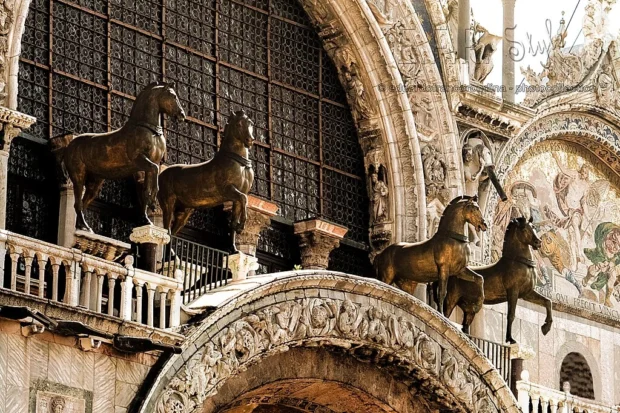
Throughout its history, the basilica served not only religious functions but also symbolized Venice’s sovereignty and wealth. The famous horses at the façade’s entrance, brought from Constantinople in the 13th century, embody the city’s ambitious reach. Political ceremonies and ducal inaugurations often took place here, cementing its role as a civic as well as spiritual centerpiece.
Planning Tours and Booking Reservations at St. Mark’s Basilica
Entry to the basilica is free, but the growing number of visitors requires careful planning. To avoid long queues and ensure access to all areas, booking a guided tour or reservation is advisable.
- Standard Admission: Free entry to the main church area; however, security checks can take time during peak hours.
- Paid Tours and Special Access: For access to the museum, the Pala d’Oro (a dazzling gold altarpiece), and the terrace with panoramic views, tickets are required. Guided tours offer deeper historical context and highlight intricate details often missed by casual visitors.
- Online Reservations: It is strongly recommended to book tickets and tours in advance through the official website to ensure availability and skip the line.
To reserve your visit, please refer to the official St. Mark’s Basilica website, which provides updated information and ticketing options.
Staying Nearby and Enjoying Venetian Flavors
Accommodation around Piazza San Marco ranges from charming guesthouses to elegant inns, offering quick access to the basilica and other landmarks. Staying close means waking up to gentle canal sounds and stepping out into lively squares with ease.
For dining, seek out nearby trattorias where Venetian culinary tradition shines. Sample cicchetti, the region’s answer to tapas, featuring small seafood bites, marinated vegetables, and local cheeses. Don’t miss out on a hearty bowl of risotto al nero di seppia risotto cooked with cuttlefish ink, delivering a striking black hue and intense flavor.
Venture slightly off the beaten path to find family-run eateries favored by locals, where recipes are often passed down through generations, ensuring authentic Venetian tastes.
Venice’s Urban Charm Around the Basilica
The urban fabric enveloping St. Mark’s Basilica is a fascinating study in Venetian morphology. Narrow alleys, ornate bridges, and hidden squares converge here, revealing layers of history and architectural evolution. The basilica is not isolated but interwoven with palazzi that showcase Gothic, Renaissance, and Baroque influences, offering a rich tableau for those intrigued by architectural transitions.
Nearby, the Clock Tower (Torre dell’Orologio) and the Doge’s Palace complete the ensemble, each a chapter in Venice’s story of naval dominance and artistic patronage. Walking this area allows an immersive experience in design and craftsmanship, from stone capitals to delicately wrought iron balconies.
Final Reflections on Visiting St. Mark’s Basilica
Standing beneath the domes of St. Mark’s Basilica, one cannot help but feel connected to centuries of human creativity and devotion. This structure is a testament to Venice’s ability to embrace and transform diverse influences into something wholly its own. Whether you’re drawn by the gilded mosaics, the history whispered by ancient stones, or the interplay of light in the piazza, the basilica promises an unforgettable encounter with art and culture.
If you appreciate grand historic landmarks, Hagia Sophia in Istanbul offers another stunning blend of architectural and cultural heritage to explore.

By planning thoughtfully, embracing local flavors, and wandering beyond the obvious views, your visit will not only capture the basilica’s essence but also the soul of Venice itself.
To enhance your Venetian journey, consider gliding along the Grand Canal, where centuries-old palaces and lively markets enrich your experience.
- St. Mark's Basilica, St Mark's Square, Venice, Italy by Vyacheslav Argenberg on Wikimedia Commons – cc by 4.0
- Campanile of St Mark's Basilica Aug 2020 8 by Kasa Fue on Wikimedia Commons – cc by-sa 4.0
- Basilica di San Marco, Venice (31407316442) by Dimitris Kamaras from Athens, Greece on Wikimedia Commons – cc by 2.0
- Basilica di San Marco 2005 by Photo by Maria Schnitzmeier. on Wikimedia Commons – cc by-sa 3.0
- Horses Of Saint Mark by Eduardo Franco Rondina on Wikimedia Commons – cc by-sa 3.0
- Facade of St. Mark's Basilica-Venice by Yair Haklai on Wikimedia Commons – cc by-sa 4.0


.jpg)

.jpeg)
