

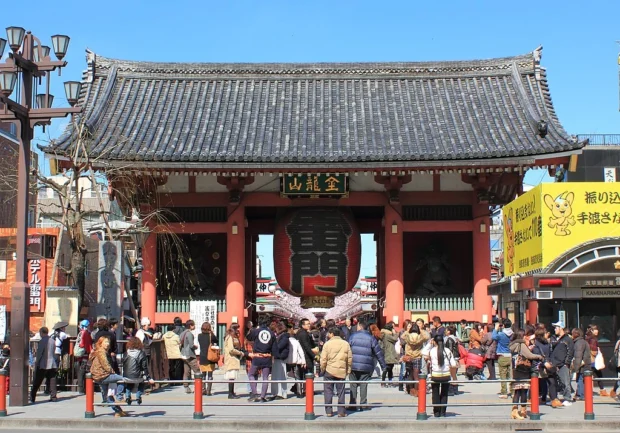
Tokyo’s Senso-ji Temple stands as a captivating gateway to Japan’s rich spiritual and cultural traditions. Nestled in Asakusa, this ancient Buddhist temple attracts visitors with its vibrant architecture, historical depth, and bustling local atmosphere. Beyond the temple’s grand Kaminarimon gate, a world unfolds of charming craft shops, fragrant street food, and stories etched into centuries-old rituals. Whether arriving from central Tokyo or nearby airports, the journey to Senso-ji is a gentle passage into Japan’s profound heritage, inviting reflection, curiosity, and delight.
Table of Contents
Reaching Senso-ji: Paths Through Tokyo’s Heart
Getting to Senso-ji is straightforward, weaving you effortlessly from Tokyo’s modern pulse to a traditional enclave. From Tokyo Station, take the JR Yamanote Line to Kanda and transfer to the Tokyo Metro Ginza Line, which brings you directly to Asakusa Station. The temple’s majestic Kaminarimon gate lies just a short walk from there. For travelers arriving at Haneda or Narita Airports, express trains and airport buses connect to Asakusa without hassle, allowing for smooth transitions from flight to shrine visit.
Once nearby, try walking through the Nakamise Shopping Street a lively path from Kaminarimon to the temple entrance. This street is lined with stalls selling delicate crafts, sweet treats, and souvenirs crafted by local artisans, inviting restful pauses and sensory experiences.
The Ancient Spirit: Senso-ji’s Historic Roots and Meaning
According to legend, in 628 AD, two fishermen brothers found a golden statue of Kannon, the Goddess of Mercy, in the Sumida River. This miraculous find inspired the building of Senso-ji, Tokyo’s oldest temple, in 645 AD. Through centuries marked by fires and rebuilding, Senso-ji has remained a beacon of spiritual refuge and community gathering, embodying the resilience and enduring faith of Tokyo’s people.
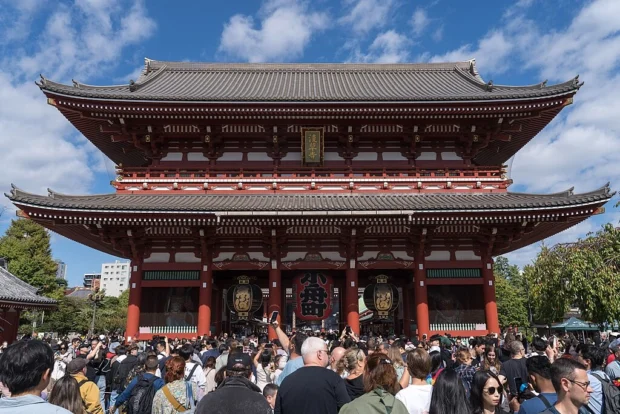
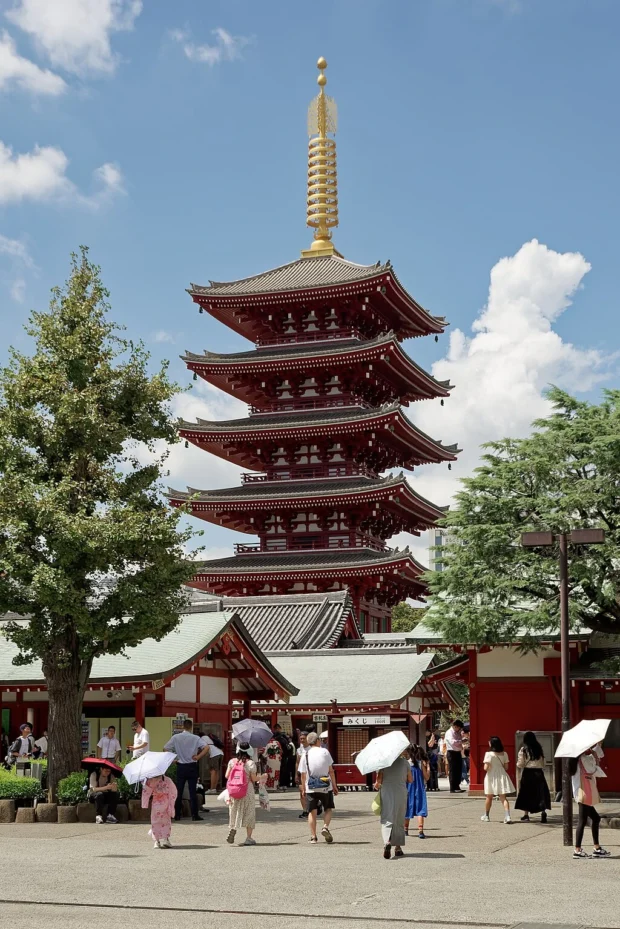
The temple’s red-lacquered gates and soaring pagoda are more than architectural marvels; they represent layers of symbolism protection, enlightenment, and the weaving of human and divine realms. Visitors often pause to draw omikuji, or fortune slips, seeking insight and guidance, a ritual connecting to the temple’s centuries-old spiritual tapestry.

Rich Traditions and Festivals
Every May, the Sanja Matsuri festival breathes vibrant life into Senso-ji’s precincts. This joyous event honors the temple’s founders with grand processions, traditional music, and lively performances. Participating in or witnessing this festival is to witness a living thread of Tokyo’s cultural heartbeat, a celebration of community and heritage.
Best Visiting Hours and Days for a Peaceful Visit
To experience Senso-ji’s tranquil side, early mornings are ideal especially on weekdays before the crowds arrive. The soft morning light highlights the temple’s details and lends a reflective mood to your walk through its grounds. Avoid weekends and national holidays if you prefer quiet contemplation, as these times see throngs of visitors drawn by Senso-ji’s fame.
Evening visits reveal a different charm, as lanterns illuminate the temple, casting warm glows on the sacred spaces. The atmosphere then becomes more intimate, perfect for serene moments or photography.
Do You Need Reservations or Tours? Planning Your Visit
Visiting Senso-ji itself requires no entrance fee or advance reservation, making it accessible throughout the year. Those wishing to deepen their understanding may consider guided tours that offer insights into the temple’s architecture, symbolism, and rituals. Various local guides and agencies provide walking tours tailored to history enthusiasts or cultural explorers.
For special experiences such as participating in traditional tea ceremonies nearby or seasonal workshops on Japanese folk crafts, booking ahead is recommended. These immersive activities often fill quickly, especially during tourist seasons.
Savor Local Flavors and Stay Nearby
Asakusa is known not only for its spiritual sites but also for its street food that twines tradition and taste. Try freshly made ningyo-yaki, small cakes filled with red bean paste, or indulge in crispy tempura served at decades-old eateries around the temple area. A stroll along the Sumida River offers spots for peaceful picnics with views of the Tokyo Skytree rising in the distance.
Visitors will find a range of comfortable accommodations nearby from cozy guesthouses reflecting the neighborhood’s old-town charm to more contemporary inns. Staying close allows leisurely returns to the temple’s evening ambiance or early morning serenity.
Nearby Cultural Gems Worth Visiting
- Asakusa Culture and Tourist Information Center: Offers panoramic views from its observation deck and detailed local guidance.
- Sumida Park: A riverside park perfect for quiet walks and viewing cherry blossoms in spring.
- Tokyo Skytree: Just a short distance away, this modern tower contrasts with Asakusa’s traditional atmosphere, offering spectacular city views.
If you appreciate Tokyo’s historic and cultural sites, the peaceful atmosphere and rich traditions of Meiji Shrine offer a unique spiritual complement to your visit.

Official Resources for Authentic Information
For the latest on events, access, and cultural insights directly from the temple, consult the official Senso-ji webpage. It provides updates on festivals, ceremonies, and visitor guidelines, helping you plan with confidence.
If you want a wider view of Tokyo’s famous spots beyond Senso-ji, this guide to Tokyo’s landmarks offers great insights into the city’s mix of tradition and modern life.
A Chinese tour guide with deep knowledge of the Far East, its traditions, and culinary secrets.
- Illuminated Senso-ji Temple (4097294737) by Yoshikazu TAKADA from Tokyo, Japan on Wikimedia Commons – cc by 2.0
- Asakusa Sensoji Kaminarimon 2012 by Kakidai on Wikimedia Commons – cc by-sa 3.0
- 2024-10-20 Tokyo, Sensō-ji 5 by Alexkom000 on Wikimedia Commons – cc by 4.0
- Getting fortunes at Senso-ji (3800881455) by Andrea Schaffer from Sydney, Australia on Wikimedia Commons – cc by 2.0
- Five-storied Pagoda, Sensoji, Tokyo, 20240824 1103 5616 by Jakub Hałun on Wikimedia Commons – cc by 4.0
- Senso-ji Hondo 201503b by Tak1701d on Wikimedia Commons – cc by-sa 3.0
.jpg)


.jpg)

