

Standing as an indelible symbol on Mumbai’s coastline, the Gateway of India draws countless visitors who marvel at its imposing arch, panoramic sea views, and rich historical significance. This monument, located in the heart of Mumbai, India, has long been a witness to epochal moments and a meeting point for locals and tourists alike. Whether you arrive from the bustling city center or from the nearby Chhatrapati Shivaji Maharaj International Airport, the Gateway offers not only a chance to witness architectural finesse but also to immerse in the city’s lively maritime atmosphere. Alongside recommendations for travel routes and best visitation periods, this guide offers insights into the monument’s origin, cultural impact, and practical tips for bookings and nearby hospitality.
Table of Contents
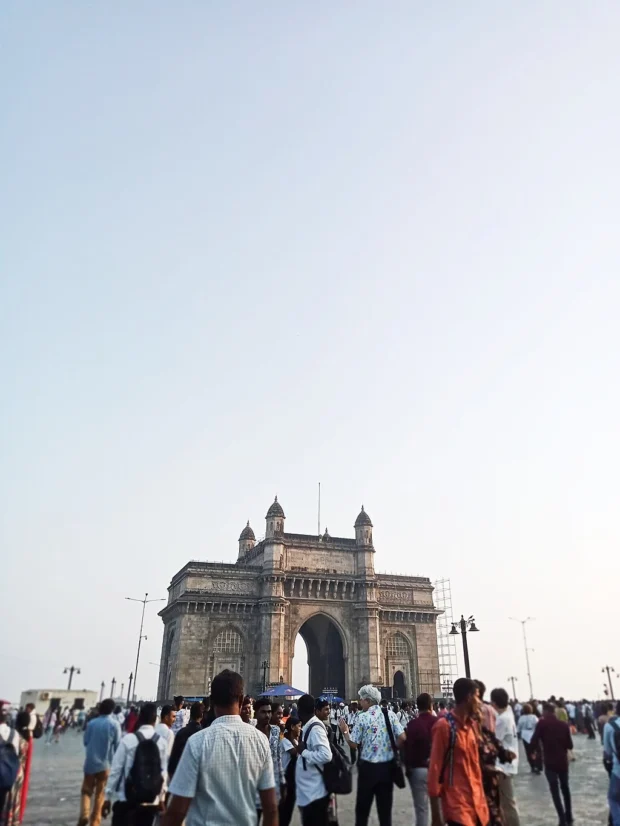
Architectural Design and Symbolism of Gateway of India
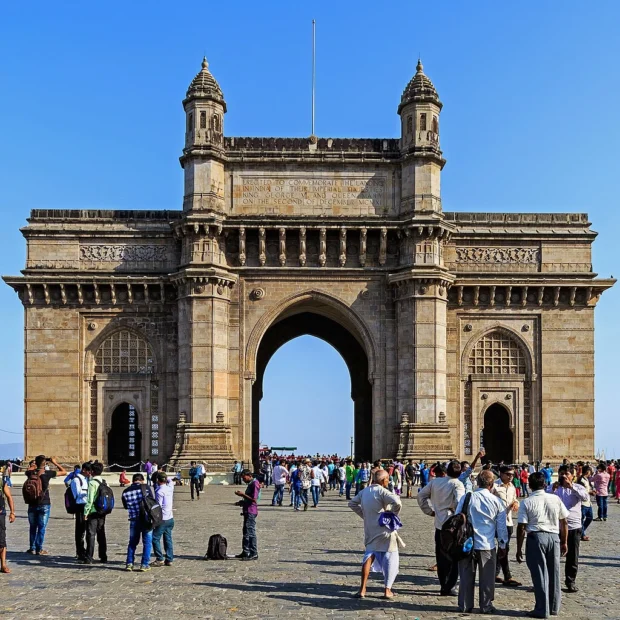
Constructed in the early 20th century, the Gateway of India is an artistic confluence of Hindu and Muslim architectural styles, reflecting Mumbai’s cosmopolitan character. Its majestic arch rises to nearly 26 meters, fashioned from yellow basalt and reinforced concrete. Intricate lattice work along the facade adds to the delicate ornamental detailing, while the overall form projects a graceful symmetry.
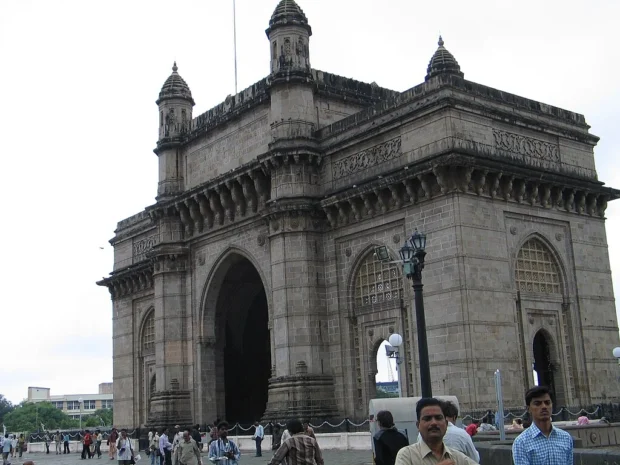
The structure was originally conceived as a ceremonial entrance for King George V and Queen Mary during their 1911 visit to India, although its construction was completed in 1924. What fascinates architectural enthusiasts is how the monument’s design balances monumental scale with refined articulation. The chhatris and jalis softly articulate the stonework, inviting viewers to appreciate craftsmanship rather than sheer massiveness alone.
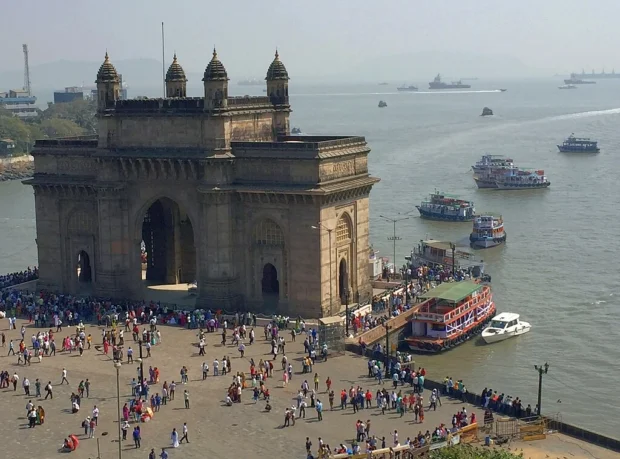
Position in Mumbai’s Urban Fabric
Strategically located at Apollo Bunder, next to the Arabian Sea, the Gateway serves both functional and symbolic roles. It marks the city’s historic maritime gateway and historically welcomed British officials, dignitaries, and pilgrims arriving by sea. Today, the site is a vibrant social space, alive with street vendors, artists, and photographers capturing the changing light over the harbor waters.
For those enchanted by iconic waterfront gateways, Cartagena’s vibrant streets and rich cultural beats offer a colorful contrast and a fresh urban rhythm to enjoy.

Getting There: Directions and Local Transport
Visitors generally reach the Gateway of India via Mumbai’s extensive local transport system. From the city center around Chhatrapati Shivaji Maharaj Terminus (CSMT), a short taxi or rickshaw ride leads directly to the monument’s doorstep, typically under 15 minutes depending on traffic. For a more scenic approach stroll along Marine Drive to reach the waterfront, taking in the bustling urban panorama.
From the airport, consider prepaid taxis or app-based rides that promise convenient and secure travel to Apollo Bunder. Public bus services also connect various neighborhoods, though journeys might be slower given Mumbai’s lively traffic patterns.
For a truly immersive experience, arriving by boat is an option during specific ferry services linking Gateway of India with Elephanta Island a UNESCO World Heritage site known for its rock-cut temples.
When to Visit for the Best Experience
Planning your visit between November and February offers the most pleasant climate. The cool, dry season enables comfortable exploration without the intense heat or humidity that marks Mumbai’s summers. Early mornings or late afternoons are ideal for photography; softer natural light enhances the monument’s textures and the shimmering sea beyond.
Weekdays generally see fewer crowds, providing a more serene vantage point for appreciation and study of the monument’s finer details. However, weekends bring a buzz of local families, street performers, and artisanal vendors, enriching the atmosphere with vibrant urban color.
Book Your Tour or Reserve Access
While the Gateway of India is accessible to the public without entry fees, guided tours can greatly enhance understanding of its historical narratives and architectural marvels. Several local operators offer walking tours and sea cruises departing from here, often requiring advance booking during peak tourist season.
Reservations can be made through trusted Mumbai tourism platforms. Visitors interested in visiting nearby attractions such as the Elephanta Caves should inquire about combined tour packages that include ferry rides and guided exploration.
Accommodation and Cuisine Near Gateway of India
The vicinity houses a variety of accommodation options ranging from boutique guesthouses to luxury hotels, all within walking distance or a short drive. Staying nearby allows easy access to dawn and dusk vistas, as well as the chance to return for rediscovered views under the night sky.
For dining, the Colaba district just minutes away offers an eclectic mix of street food stalls and elegant cafes. Savor fresh seafood specialties at local eateries or enjoy global cuisines crafted by Mumbai’s diverse culinary community. Street vendors near the monument also serve up iconic Mumbai snacks such as bhel puri and pani puri, perfect for a quick, flavorful bite.
Less Known Facts and Anecdotes
- King George V never actually passed through the completed Gateway the monument was still under construction during his 1911 visit.
- The Gateway was the departure point for the last British troops leaving India in 1948, marking the end of colonial rule.
- Local fishermen regard the arch as a lucky symbol, often performing small rituals here to bless their boats.
- The basalt stone used in the structure was sourced locally, showcasing regional natural materials skillfully integrated into monumental architecture.
For those intrigued by historic architecture, La Lonja de la Seda in Valencia offers a beautifully preserved example of Gothic stonework reflecting a city’s rich trade history.
Essential Online Resources for Planning
For detailed, official information on visiting hours, nearby events, and guided tours, please refer to the Maharashtra Tourism official website. The page provides updates on visitor facilities and special cultural programs hosted at the Gateway.
For a broader sense of Mumbai’s vibrant life and iconic places beyond the Gateway, explore the city’s spirit through this insightful Mumbai city guide.
- Gateway of India, Mumbai, Maharashtra by Drashti Nazarr on Wikimedia Commons – cc by-sa 3.0
- Gateway Of India 02 by Unnikannan7 on Wikimedia Commons – cc by-sa 4.0
- Gateway of India (4002913793) by urbzoo on Wikimedia Commons – cc by 2.0
- India (Mumbai) Gateway of India, Indo-Saracenic triumphal arch, with colorful people (31924510414) by Güldem Üstün from Istanbul, TURKEY on Wikimedia Commons – cc by 2.0
- Gateway of India – Anannya – 3 by Anannyadeb on Wikimedia Commons – cc by-sa 3.0
- Mumbai 03-2016 30 Gateway of India by A.Savin on Wikimedia Commons – fal


.jpg)
_Gateway_of_India,_Indo-Saracenic_triumphal_arch,_with_colorful_people_(31924510414).jpg)

