
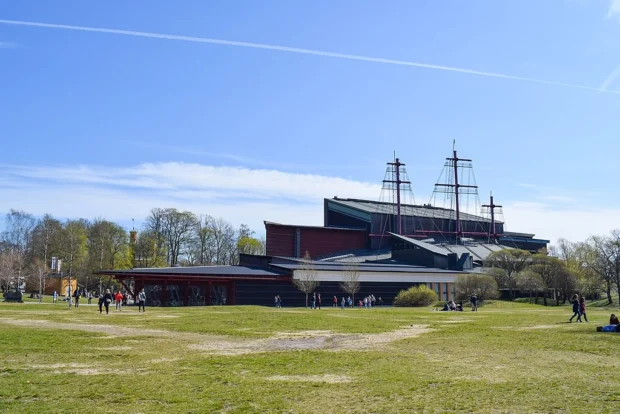
In the midst of Stockholm’s scenic waterfront lies the Vasa Museum, a treasure for anyone curious about maritime history or Sweden’s past. This museum, nestled on the island of Djurgården, offers visitors a chance to see a real 17th-century warship, perfectly preserved and displayed. Walking here, you’ll find yourself surrounded by tales of seafaring, royal ambition, and the art of shipbuilding, all within easy reach from Stockholm city center. With simple access, fascinating stories, and rich cultural atmosphere, the Vasa Museum is a must for those who appreciate history wrapped in craft and heritage.
Table of Contents
Reaching the Vasa Museum from Stockholm’s Core
Getting to the Vasa Museum is straightforward, whether you start at the central station or the airport. From Stockholm Central Station, you can take tram number 7 directly to the Djurgården stop, which puts you a short walk from the museum entrance. The tram ride is scenic, following the water and green parks, giving hints of what’s to come inside the museum.
For travelers arriving by air, Arlanda Airport offers several ways. You’ll likely take an Arlanda Express train to the central station, then switch to tram 7 as described. Alternatively, airport buses can drop you near the city center where you can continue by tram or ferry. The ferry route from the city center to Djurgården is a charming choice on sunny days, sailing under Stockholm’s bridges, and docking close to the museum.
Nearby Accommodation and Dining Options
While the Vasa Museum itself does not offer lodging, nearby Djurgården and central Stockholm have plentiful hotels and guesthouses to suit various budgets. Staying near the water offers relaxing views and easy morning access to the museum before the crowds arrive.
When hunger strikes, the area excels in traditional Swedish cuisine and casual eateries. Try local fish dishes or classic meatballs at nearby cafes. For something lighter, the museum café serves pastries and coffee, perfect for a break after exploring the gigantic wooden ship and exhibits.
The Vasa’s Story: A Ship and Its Time
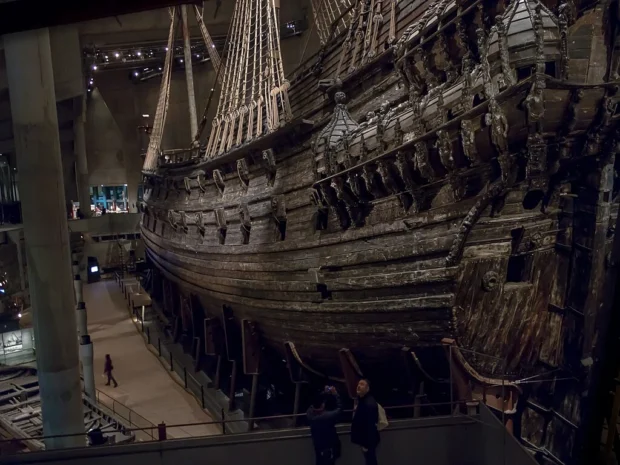
The Vasa was commissioned by King Gustavus Adolphus in the 1620s, meant to be a flagship for his fleet and a symbol of Sweden’s growing power. The ship was impressive, carrying 64 cannons and richly decorated with carved sculptures. Yet fate was cruel it sank during its maiden voyage in 1628, barely a kilometer from shore. For over 300 years, it rested at the bottom of Stockholm’s harbor, forgotten until its remarkable salvage in 1961.
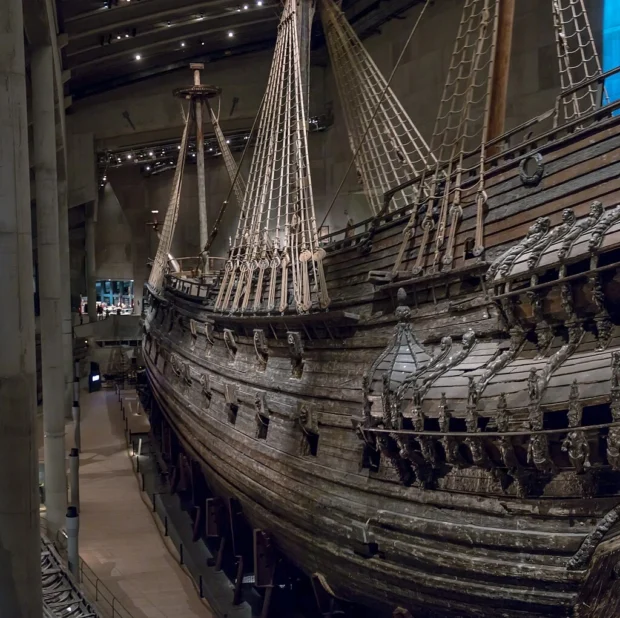
What makes the Vasa unique is not just its age but its excellent state of preservation. Cold, brackish Baltic water kept the wood intact. Today, it tells a story of Swedish naval ambitions, craftsmanship, and the harsh lessons of early modern shipbuilding. Wlking around and above the ship, we see not only a vessel but a frozen moment of 17th-century life and politics.

Planning Your Visit: When and How to Maximize Time
For the best experience, timing your visit matters. The museum is opened year-round but tends to be less crowded during weekdays and outside Swedish school holidays. Early mornings right at opening time or late afternoons are ideal moments to enjoy the exhibits more calmly and take in every detail.
Advance booking is recommended, especially during summer months when Stockholm attracts many tourists. Tickets can be bought online, which can save you from long waits. Guided tours are available and enhance the experience with detailed context and stories these should also be reserved in advance. Audio guides in various languages help if you prefer exploring at your own pace.
What to Expect Inside
Besides the massive warship itself, the museum offers multiple floors of displays explaining the ship’s history, the people who built and sailed her, and life in 17th-century Sweden. Interactive exhibits and models help visitors understand the complex naval technology and social environment of the time. Keep an eye out for the carved wooden figures and the gun decks, which invite thought on the labor and lives behind this grand project.
Delightful Details and Unexpected Facts
While many come to see the ship, here are some lesser-known facets often missed:
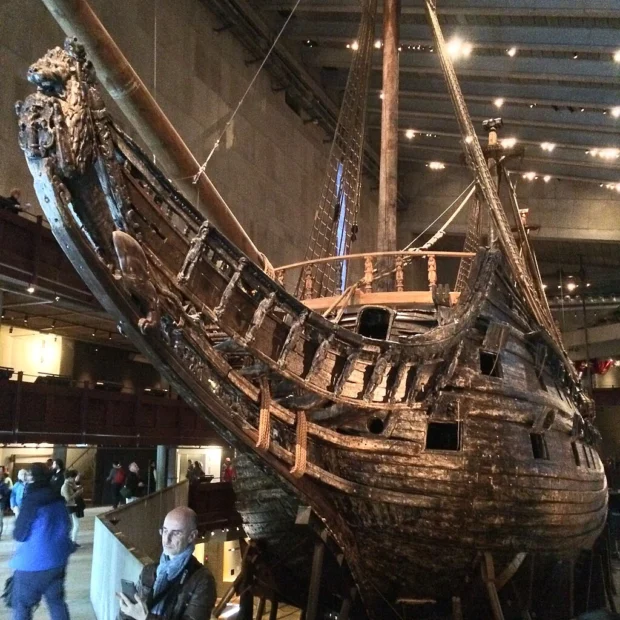
- Vasa’s design was top-heavy, causing instability a lesson painfully learned that day it sank.
- The ship carried a crew of about 150, including soldiers and sailors, each with stories now partially uncovered by historians.
- Among the carvings on the ship are depictions of mythological and biblical figures, illustrating 17th-century beliefs and political messages.
- The retrieval of the Vasa was one of the most challenging marine archaeology projects ever undertaken, inspiring modern underwater archaeology methods.
- The museum also hosts temporary exhibitions on maritime archaeology and Swedish naval history.
Access and Visitor Tips for a Comfortable Visit
Accessibility is well planned: the museum offers ramps, elevators, and benches for rest, welcoming families, seniors, and travelers with reduced mobility. Consider wearing comfortable shoes as you walk through several floors and around the large ship structure.
Photography is allowed, but flash and tripods are not, to protect the exhibits. Take advantage of natural lighting in the main hall for memorable photos of the Vasa.
Official Information and Tickets
To plan your visit in detail, including current opening hours, ticket prices, and special events, consult the museum’s official site. It provides the most up-to-date and reliable information, along with options for guided tours and group bookings.
Whether you come for maritime curiosity, cultural insight, or just to marvel at an enormous piece of history fixed in time, the Vasa Museum offers a warm welcome and a rich, unforgettable experience on Stockholm’s beautiful island.
For a change of pace, discover Monaco’s mesmerizing blend of sea views, royal heritage, and lively streets in Monaco’s Allure.

Eastern Europe travel specialist uncovering hidden gems from the Baltics to the Balkans.
- Stockholm – Vasa Museum – April 2019 02 by Liridon on Wikimedia Commons – cc by-sa 4.0
- Musée Vasa 2017 5 by Pierre Goiffon on Wikimedia Commons – cc by-sa 4.0
- Musée Vasa 2017 13 by Pierre Goiffon on Wikimedia Commons – cc by-sa 4.0
- Vasa Museum interior 2 by Steven Lek on Wikimedia Commons – cc by-sa 4.0
- Stockholm Vasa Museum and Nordic Museum 09 by Ad Meskens on Wikimedia Commons – cc by-sa 4.0
- Djurgården, Östermalm, Stockholm, Sweden – panoramio – Николай Семёнов (27) by Николай Семёнов on Wikimedia Commons – cc by 3.0


.jpg)