
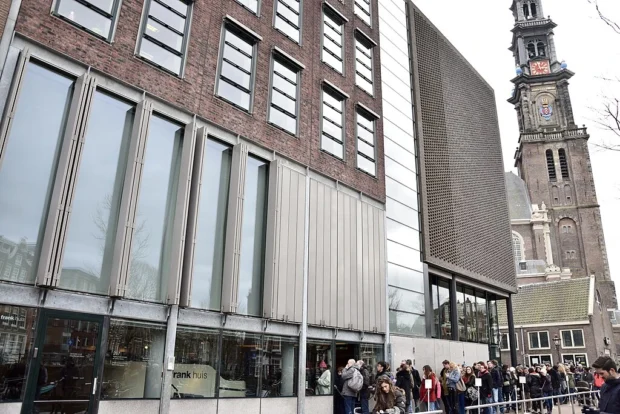
Amsterdam’s Anne Frank House holds layers of history that resonate far beyond the city’s canals and bustling streets. Nestled in the Jordaan neighborhood, this poignant museum invites visitors to connect deeply with the story of Anne Frank, a young girl whose diary captured the world’s heart during one of history’s darkest chapters. Exploring Anne Frank House offers more than just a glance at a famous hiding place; it’s stepping into a past filled with courage, hope, and the haunting realities of war. This post guides you through directions, tips for visiting, fascinating historical context, and practical advice on reserving your passage into this quiet corner of memory.
Table of Contents
Finding Your Way to Anne Frank House from Key Spots
Located at Prinsengracht 263-267, Anne Frank House belongs to the vibrant Jordaan district, itself an unmissable part of Amsterdam. Coming from Amsterdam Centraal Station, the journey feels like a scenic stroll combined with bits of local life. A short tram ride on lines 13 or 17 will get you close to the house in about 10 minutes; then a few minutes’ walk through narrow streets lined with independent shops and narrow canal bridges leads you right there.
From Schiphol Airport, you can take the train to Amsterdam Centraal and follow the same tram directions. Alternatively, a taxi or rideshare service offers a more direct route but keep in mind traffic in the city centre can slow progress in peak hours. If you prefer cycling, Amsterdam’s arterial bike paths create a swift, scenic approach.
Understanding the Significance of Anne Frank House
The building itself is unassuming: a typical 17th-century canal house with quiet facades that belie the profound story within. Anne Frank and her family hid here for two years during World War II, beginning in July 1942, to escape Nazi persecution. Anne’s diary, written in this secret annex, chronicles the hope, fear, and daily life of a teenager trapped in extraordinary circumstances.
This house stands as a vital reminder of the human consequences of war and discrimination. Walking through its rooms offers not just a lesson in history but an invitation to reflect on courage and the fight for human dignity. The museum preserves original artifacts, Anne’s diary entries, and exhibits on the Holocaust making it an essential pilgrimage for anyone interested in authentic historical stories that still ripple into today’s social conscience.
Booking Your Visit: Best Practices and Requirements
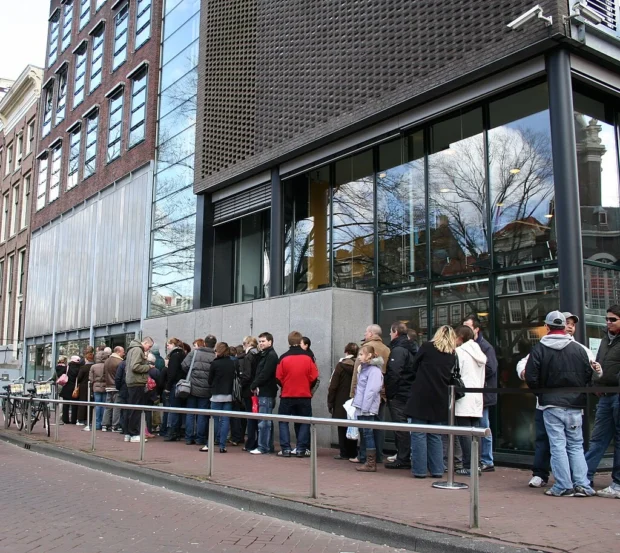
Visits to Anne Frank House require careful planning because entry operates on a timed ticket system only. Unsurprisingly, walk-up tickets are not sold at the door, especially during peak tourist seasons, given the museum’s popularity and limited space in the hidden annex.
To reserve tickets, you should visit their official website well in advance, particularly if planning to come during summer months or weekends. For those with flexible schedules, midweek and early morning slots tend to be less crowded, providing a quieter, more reflective atmosphere.
Audio guides are highly recommended and included in the ticket price; they offer valuable context and personal stories that enrich the experience beyond just visual observation.
Nearby Places to Rest and Refresh
After such an intense visit, the surrounding Jordaan area offers many inviting spots to unwind.
After visiting Anne Frank House, unwind by exploring the charming canals with a gentle boat ride through Amsterdam’s historic Canal Ring canal tour.
- Try a local café where you can savor traditional Dutch coffee culture think dark roast served alongside stroopwafels or fresh apple pie.
- Explore artisanal bakeries and markets dotted around the neighborhood, which reflect Amsterdam’s rich culinary heritage and community ethos.
- For food enthusiasts, nearby eateries specialize in hearty Dutch and international fare, perfect for sampling authentic tastes amid charming canal views.
Immersing Yourself in Amsterdam’s Atmosphere Nearby
While the Anne Frank House anchors the neighborhood’s historical weight, the Jordaan district itself pulses with life, creativity, and architectural allure. I suggest wandering the nearby streets, camera in hand, to capture the striking contrasts of old brick houses adorned with flower boxes and cobblestone alleys alive with stories.
Near the Anne Frank House, the Rijksmuseum offers a stunning view into Dutch art and history that complements your visit.
Local artisans, vintage shops, and literary cafés pepper the area, inviting reflection and quiet conversation that echoes the spirit of Anne’s time. These streets often host community events and markets, where heritage meets contemporary urban living.
Transport Tips from the City Centre
Reaching Anne Frank House on foot from the Dam Square takes roughly 20 minutes, a pleasant amble along canals lined with boats and bustling with cyclists. This walk itself forms a mini city tour, showcasing Amsterdam’s unique layout and lively street culture.
Alternatively, trams 13 and 17 offer efficient 10-minute rides, while buses cater to less frequent options if needed.
Secrets Hidden in Anne Frank House
Most visitors focus on the secret annex, but the museum holds plenty of lesser-known details. For example, the building originally functioned as a warehouse and office for Otto Frank’s spice company this blending of commerce and concealment adds layers to the story’s physical reality.
Additionally, through some old photos displayed inside, you glimpse Amsterdam before the war, a city vibrant with everyday life yet overshadowed by looming conflict. It’s these juxtapositions that give the house its solemn beauty and profound emotional impact.
Helpful Resources for Visitors
Before setting out, always check the museum’s official page for the latest news on opening hours, ticketing, and health guidelines. Booking online early guarantees your chance to walk through this important historical chapter at your own pace.
Access the museum’s website for direct ticket purchases and detailed visitor information.
Final Thoughts on Visiting Anne Frank House
Experiencing Anne Frank House in Amsterdam is touching beyond measure. It is an emotional journey, a silent conversation with history, and a call to empathy and understanding. In the midst of a lively city famous for canals and cycling, this quiet spot invites contemplation and respect.
As someone fascinated by heritage and social storytelling, I found each corridor and artifact a reminder that places hold memories and those memories help guide us toward shared humanity.

Lover of cities, local cafés, and historic streets, exploring urban life with attention to architecture and culinary delights.
- Anne Frank House (Museum), Amsterdam 03 by Ank Kumar on Wikimedia Commons – cc by-sa 4.0
- Münster, Krameramtshaus (Haus der Niederlande) — 2014 — 6865 by Dietmar Rabich on Wikimedia Commons – cc by-sa 4.0
- AnneFrankMuseum (cropped) by Massimo Catarinella on Wikimedia Commons – cc by-sa 3.0
,_Amsterdam_03.jpg)
_--_2014_--_6865.jpg)
.jpg)