

Rome enchants visitors with its ancient streets, vibrant piazzas, and timeless monuments. Among its countless treasures, the Trevi Fountain stands out as a stunning spectacle of art and history. Nestled in the heart of the Eternal City, the Trevi Fountain invites travelers to marvel at its grandeur, partake in charming rituals, and uncover fascinating stories woven into its sculpted waters. This guide offers practical advice, vivid descriptions, and delightful anecdotes to enhance your visit to Rome’s most famous fountain.
Table of Contents
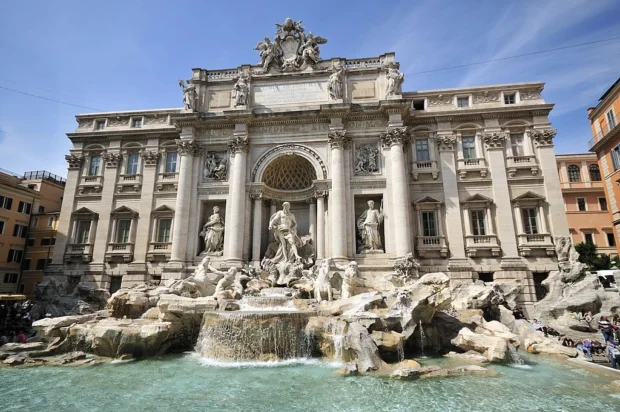
Finding Your Way to the Sparkling Heart of Rome
Situated at the junction of three ancient roads, the Trevi Fountain is easy to reach from many key points in Rome. From the city center, walking is often the best way to absorb the lively Roman atmosphere along the way. Just follow Via del Corso or Via del Tritone for about 10 minutes, and you will hear the gentle roar of cascading water before you see it.
If you prefer public transport, take the Metro Line A to Barberini station, which is a short and pleasant five-minute walk from the fountain. Alternatively, several city buses stop nearby on Via del Tritone or Via delle Muratte. From Rome’s Fiumicino Airport, a comfortable train ride on the Leonardo Express to Termini station will set you close, followed by a leisurely 15-minute walk.
Accommodation Near Trevi Fountain
Several charming guesthouses, boutique inns, and well-appointed apartments surround the fountain’s district. Staying in this lively neighborhood gives you easy access to the fountain both during the bustling day and quieter evenings, allowing you to appreciate different moods of the same enchanting place.
Local Bites to Savor Nearby
After your visit, treat yourself to classic Roman flavors at nearby eateries. Delight in hand-made pasta dishes like cacio e pepe or amatriciana in nearby trattorias. Stop by a gelateria for refreshing granita, or sample artisan espresso at an old-fashioned café. The bustling streets around the fountain brim with culinary gems reflecting Rome’s rich gastronomic heritage.
The Trevi Fountain’s Tale: Water, Myth, and Mastery
The Trevi Fountain’s story isn’t just about dazzling sculpture it represents several layers of history and symbolisms. The name “Trevi” likely stems from “trivium,” meaning “three roads,” marking the meeting point of Roman thoroughfares. This spot also historically marked the endpoint of the Aqua Virgo, an ancient Roman aqueduct constructed in 19 BCE that brought pure water into the city.
The current fountain, completed in 1762 by Nicola Salvi after three decades of dedicated craftsmanship, showcases Oceanus the sea god riding a chariot pulled by spirited horses guided by tritons. Each detail is wrought with symbolism to celebrate water’s life-giving and awe-inspiring power.
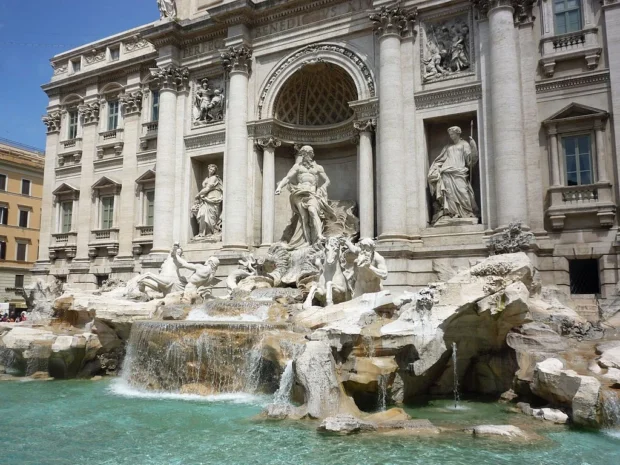
Fun fact: the fountain is made almost entirely from travertine stone quarried near Tivoli, lending it a glowing, warm cream color that contrasts beautifully with the deep blue water.

Best Moments to Witness the Fountain’s Charm
For a spellbinding view, early mornings or late evenings prove magic. The sun’s soft glow or ambient lighting bathes the fountain in delicate hues, creating perfect moments for photography or simply quiet reflection. Weekdays, especially midweek, tend to be less crowded, allowing visitors to bask in the fountain’s splendor without the jostle typical of Rome’s popular spots.
During summer, avoid midday heat by planning visits before 10 am or after 6 pm. Winters offer a crisp freshness and fewer tourists, with occasionally softened crowds leaving room for immersion in history and artistry.
Engage in the Coin-Throwing Tradition
Legend says tossing a coin into Trevi Fountain ensures your return to Rome. Standing with your back to the fountain, throw a coin over your left shoulder with your right hand. More than just a tourist ritual, it’s an act steeped in centuries of tales and wishes whispered amidst the splashing waters.
Can You Book a Tour? What to Know About Reservations
The Trevi Fountain itself does not require an entry ticket or reservation, welcoming all visitors freely 24 hours a day. However, guided tours and special night visits can deepen your understanding and appreciation of its artistry and stories. Many walking tours covering surrounding historical neighborhoods include Trevi as a highlight, enriching the visit with colorful narratives.
Some premium tours even offer backstage access to the maintenance chambers or the chance to view restoration efforts up close, ideal for architecture and art lovers intrigued by the delicate craftsmanship.
Tip: Avoid Tourist Traps Nearby
While the area around the fountain bustling with kiosks and souvenir shops, take time to explore slightly off the beaten path. Venture towards Via Panisperna or Via della Croce for authentic trattorias, artisan workshops, and charming market corners where locals gather.
For a contrasting blend of urban charm, discover Bern Old Town’s medieval streets and stories, offering a quiet stroll through history unlike Rome’s bustling piazzas.
Layers of Rome: Architectural Splendor Surrounding the Fountain
Trevi Fountain stands amid a vibrant tapestry of Rome’s architectural marvels. Nearby, the elegant Palazzo Poli provides a dramatic backdrop with its grand columns and baroque details. Just around the corner, the Quirinal Palace, a symbol of Italian statehood, rises on the highest of Rome’s seven hills.
The surrounding streets and squares brim with baroque and renaissance architecture, church facades, and fountains whispering stories of emperors, popes, and artists who shaped Rome’s soul. Wandering these lanes after visiting Trevi reveals layers of history stitched into cobblestone, every corner a glimpse of the city’s artistic legacy.
Cultural and Culinary Gems Close to the Fountain
Beyond the fountain’s magnificent spectacle, the surrounding area offers delightful encounters with Roman traditions. Every morning, local markets nearby unfold stalls brimming with fresh vegetables, herbs, cheeses, and seafood, inviting culinary exploration.
If you crave a sensory feast, join a cooking class or food tour in the nearby quarters. Learn the secrets of pasta making passed down through generations or savor seasonal delicacies perfect for welcoming any palate.
Craft Workshops Worth Visiting
Finally, immerse yourself in Roman artisanal crafts. Look for small shops behind the fountain where skilled hands mold terracotta, craft leather goods, or weave textiles reflecting Rome’s longstanding cultural landscapes. These workshops preserve techniques echoing the city’s enduring bond with craftsmanship and artistic expression.
More Information and Resources for Visitors
For official updates, conservation news, and event announcements related to the Trevi Fountain, it’s best to consult the authoritative website of Rome’s municipal heritage. To explore further details, feel free to check Rome’s official city website, which provides extensive resources in various languages including English.
Discover how the Roman Forum unravels the stories behind Rome’s historic heart beyond the Trevi Fountain’s charm in Roman Forum Walk.

Explorer of historic places and culinary traditions, combining landscape appreciation with food culture.
- Rome, Italy, The Trevi Fountain (Fontana di Trevi) by Vyacheslav Argenberg on Wikimedia Commons – cc by 4.0
- Fontana di Trevi – panoramio – Vlad Lesnov by Vlad Lesnov on Wikimedia Commons – cc by 3.0
- Fontana di Trevi, Roma fc03 by Fczarnowski on Wikimedia Commons – cc by-sa 3.0
- Rome (IT), Trevi-Brunnen — 2013 — 3593 by Dietmar Rabich on Wikimedia Commons – cc by-sa 4.0
.jpg)


,_Trevi-Brunnen_--_2013_--_3593.jpg)