
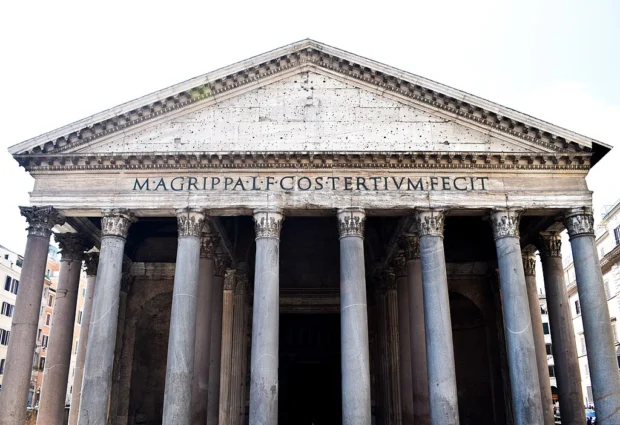
Rome, Italy, offers countless marvels, but none quite matches the awe of the Pantheon. This architectural marvel, celebrated for its grand dome and perfect proportions, stands as a testament to ancient Roman ingenuity and design. Whether you’re wandering Rome’s historic center or planning your route from the airport or station, the Pantheon remains an unmissable symbol of classical architecture fused with spiritual history. Here, you’ll find essential tips, intriguing history, and practical advice to enrich your visit to this iconic monument.
Table of Contents
If interested in Rome’s architectural highlights, the Spanish Steps provide a beautiful complement to your Pantheon visit with their elegant design and vibrant setting. See the Spanish Steps for another inspiring Roman landmark.

Approaching the Pantheon: Directions and Nearby Conveniences
The Pantheon resides in the heart of Rome’s historic district, making it a natural focal point during your stroll through the city’s cobbled streets. From the city center, this monument is easily reachable on foot. If you arrive at Roma Termini, the main train station, taking the Metro Line B one stop to Colosseo and then a pleasant 15-minute walk will bring you directly to Piazza della Rotonda, where the Pantheon proudly stands. From Fiumicino Airport, you can ride the Leonardo Express train to Termini and continue as described.
Surrounding the Pantheon, you’ll find a charming array of accommodations, ranging from cozy guesthouses to boutique lodgings, all filled with Roman character. Known for its proximity to lively piazzas, visitors can savor authentic Italian dishes nearby, including classic Roman pasta like carbonara and amatriciana, served in quaint trattorias. Don’t miss sampling gelato on a sunny afternoon while gazing at the Pantheon’s majestic columns.
To complement your visit to the Pantheon, stroll through the Roman Forum to witness the heart of Ancient Rome’s public life and politics. Roman Forum Walk offers a vivid view of the city’s historic center beyond the Pantheon.
The Pantheon’s Timeless Architecture and Historical Weight
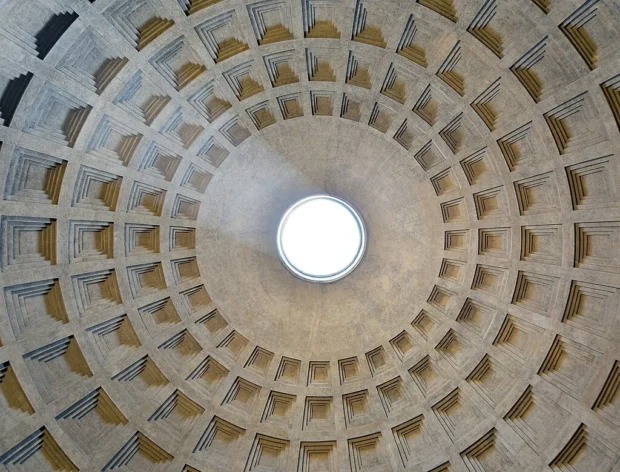
Constructed nearly 2,000 years ago, the Pantheon’s presence is a triumph of ancient engineering and aesthetic harmony. Originally built as a temple to all Roman gods under Emperor Hadrian around 126 AD, it has remarkably preserved its structure and purpose over the centuries. Its defining feature, the vast rotunda crowned by an unreinforced concrete dome, remains the world’s largest of its kind. The oculus, a circular opening at the dome’s apex, not only floods the interior with natural light but also symbolizes the connection between heaven and earth.
The Pantheon’s portico, supported by sixteen Corinthian columns, establishes a rhythmic interplay between solidity and grace. This harmonious blend of Greek and Roman architectural traditions marks an evolution in design that invites admiration for the craftsmen’s skill and vision. The building’s adaptive re-use as a Christian church since the 7th century saved it from abandonment, preserving its grandeur for modern visitors.

Architectural Craftsmanship and Material Mastery
What sets the Pantheon apart is the meticulous choice and layering of materials. The concrete dome grows lighter towards the oculus, incorporating pumice, a volcanic rock, at the top to reduce weight. This ancient innovation allowed a vast open space without internal supports an engineering feat still studied today. The marble floors and walls, adorned with geometric patterns, echo the Roman penchant for order and symmetry. Every detail conveys an acute understanding of proportion and durability, testifying to ancient Rome’s mastery of construction and aesthetics.
Best Time to Visit and Avoiding Crowds
Choosing when to visit the Pantheon can significantly affect your experience. Early mornings during weekdays, especially from Tuesday to Thursday, tend to be the least crowded times. The soft morning light streaming through the oculus adds a magical ambiance to the interior, perfect for photography or quiet contemplation. Late afternoons also offer a more serene atmosphere as daytrippers depart.
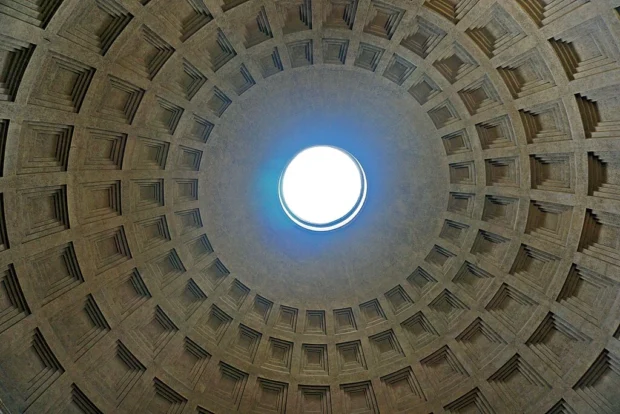
Conversely, weekends and midday hours attract large tour groups, which can obscure the details and diminish the sense of calm this space naturally evokes. Winter months, particularly December and January, bring fewer tourists, allowing more intimate appreciation, though the weather may be cooler.
To see another striking Roman monument, visit Trevi Fountain, admired for its baroque beauty and rich history nearby.
Touring the Pantheon: Booking and Insider Recommendations
While the Pantheon’s central location encourages spontaneous visits, booking a guided tour or timed ticket in advance enhances understanding and helps avoid long queues. Several official and private tours are available, ranging from general historical tours to specialized sessions focusing on Roman engineering or religious transformations of the site. Reservations are recommended during peak seasons to secure your preferred slot.
Visitors with interest in architectural conservation will appreciate tours highlighting restoration efforts and the challenges of preserving such a delicate monument amid an urban environment. For those fascinated by urban morphology, guided walks around the Pantheon reveal how Roman city planning integrated temples and public squares in harmonious spatial relations.
Practical Tips for a Respectful and Enriching Visit
- Dress modestly: As the Pantheon serves as a place of worship, covering shoulders and knees is advised.
- Photography: While allowed, avoid flash inside to protect the ancient surfaces and respect fellow visitors.
- Accessibility: The Pantheon is wheelchair accessible, though some surrounding cobblestones may pose challenges.
- Audio guides: Available in multiple languages, these devices provide detailed information without distracting the ambiance.
- Nearby spots: After visiting, take a quiet moment at the nearby Piazza della Rotonda, perfect for sipping espresso and observing local life.
Online Resources and Official Information
For the latest updates on opening hours, ticket prices, and special events, the official Pantheon website is an essential resource. It offers detailed visitor information and educational content, although primarily in Italian, with some pages available in English.
Visit the Pantheon official website
A Last Thought on the Pantheon’s Enduring Inspiration
Standing beneath the Pantheon’s dome, one can feel a profound connection to the past a nexus where architectural genius meets spiritual mystery. This monument is not just a relic; it is a vibrant conversation across centuries about form, function, and faith. To walk its marble floors and gaze upward is to witness the enduring power of human creativity, a legacy carefully preserved in the heart of Rome.
For deeper insight into classical architectural wonders, the Palace of Versailles presents another grand monument of historical craftsmanship and royal design.
- Façade of the Pantheon, Rome, Italy by Julian Lupyan on Wikimedia Commons – cc0
- Pantheon (Rome) – Exterior 10 by John Samuel on Wikimedia Commons – cc by-sa 4.0
- Pantheon Rome 04 2016 5916 by Mariordo (Mario Roberto Durán Ortiz) on Wikimedia Commons – cc by-sa 4.0
- Pantheon (Rome) – Dome interior by Livioandronico2013 on Wikimedia Commons – cc by-sa 4.0
- Oculus Pantheon Rome 04 2016 6426 by Mariordo (Mario Roberto Durán Ortiz) on Wikimedia Commons – cc by-sa 4.0

_-_Exterior_10.jpg)

_-_Dome_interior.jpg)
