
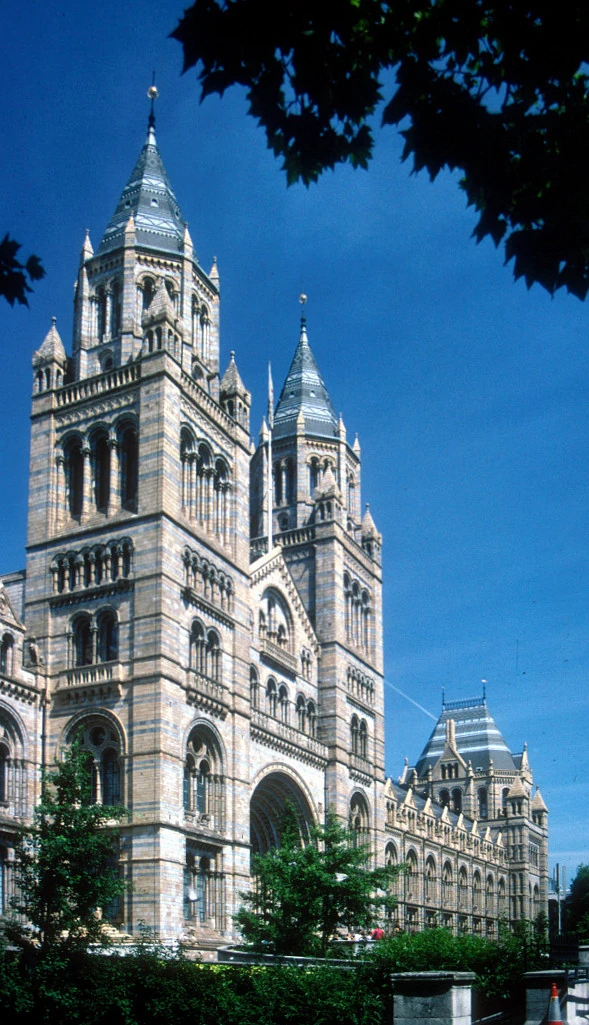
London’s Natural History Museum beckons with its awe-inspiring collections, architectural grandeur, and a rich story that intrigues visitors from across the world. Nestled in South Kensington, this landmark is a treasure trove of fossils, minerals, and specimens that bring the natural world to life. Whether you are drawn by the towering dinosaur skeletons or the delicate beauty of butterflies, this museum offers an immersive experience rich in history and discovery. This guide shares practical directions, insider tips, and surprising tales behind the scenes, ensuring your visit is memorable and smooth.
Table of Contents
Getting to the Museum from London’s Heart
Arriving at the Natural History Museum is an effortless start to a day of exploration. Situated in the vibrant district of South Kensington, the museum is well connected by public transport.
From Central London, the easiest way is to take the London Underground:
- Circle and District Lines: Alight at South Kensington Station, just a five-minute walk. Follow signs to the museum exit; you’ll find yourself on Exhibition Road.
- Piccadilly Line: Also stopping at South Kensington, convenient for travelers from airports and the West End.
If arriving from Heathrow Airport, the Heathrow Express to Paddington Station followed by the Circle Line offers a swift route. From King’s Cross or St Pancras, the Piccadilly Line directly connects to South Kensington.
For those who prefer buses, several routes serve the area, and cycling enthusiasts can use nearby Santander Cycle docks. Parking is limited and often costly, so public transport remains the recommended choice.
The Museum’s Architectural Grandeur and Scientific Legacy
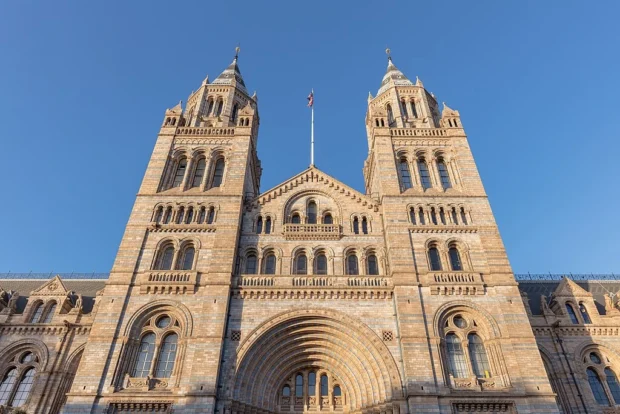
The Natural History Museum’s stunning Romanesque facade, designed by Alfred Waterhouse in the late 19th century, stands as a masterpiece of Victorian architecture. The intricate terracotta tiles depict flora and fauna, offering a prelude to the wonders inside. This building itself is a lesson in history and style, worthy of lingering admiration before entering.

Founded in 1881, the museum carved its place as a vital institution for natural science. It houses over 80 million specimens, ranging from towering fossils to microscopic insects. The collection supports not only public education but also vital scientific research, influencing knowledge on biodiversity and conservation worldwide.
Quirky Stories Hidden in the Halls
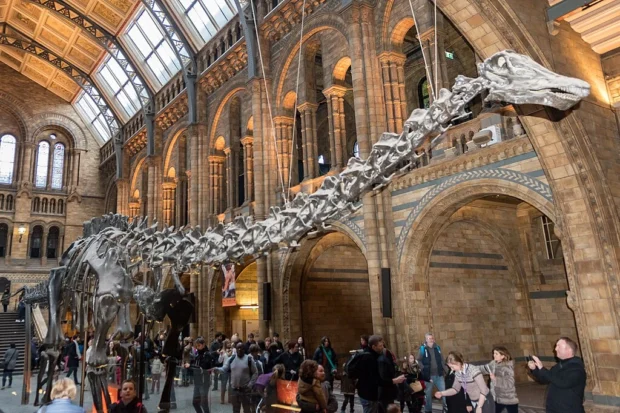
Among these storied halls lies the legendary Diplodocus skeleton, affectionately named “Dippy,” which stood as a museum icon for over a century before embarking on a nationwide tour. Few know the building once faced structural challenges due to the weight of its collections, prompting innovative engineering solutions in the 20th century. Such tales weave a narrative as rich as the exhibits themselves.
Best Times to Visit and Planning Your Day
To fully appreciate the museum without the crowds, midweek mornings are ideal. Tuesdays through Thursdays, just as the doors open at 10 AM, offer the most serene atmosphere. Weekends and school holidays attract families and tourists, which can mean bustling galleries and longer queues.
Seasonal exhibitions often enhance the museum’s appeal but can draw larger audiences. Booking tickets in advance for special events or temporary exhibitions is highly recommended. The museum’s galleries themselves remain free to enter, an extraordinary benefit for visitors.
Insider Tips for Comfort and Enjoyment
- Wear comfortable shoes as the museum covers four floors and extensive galleries.
- Plan breaks in the elegant Hintze Hall or nearby cafés to absorb the ambiance without rushing.
- Download the museum’s app or pick up a map at the entrance to navigate highlights efficiently.
- Photography is welcome but avoid flash to protect delicate specimens.
Reservations and Tours: Enhancing Your Visit
While entry to the museum is free, guided tours and special exhibitions require advance reservations. The tours reveal deeper layers of the collections, often led by expert curators who share captivating stories and insights not found on plaques.
Booking online ensures a spot and sometimes access to quieter viewing times. Family-friendly tours and workshops encourage hands-on learning, a delight for younger visitors and those young at heart.
Self-guided audio tours offer flexibility, allowing visitors to explore at their own pace while receiving rich commentary. Check the museum’s website regularly for seasonal programs, lectures, and workshops that elevate the visit into a truly engaging cultural event.
Local Flavours and Accommodation Choices Nearby
The district around the museum is a charming blend of elegant streets and green spaces, where visitors can find a variety of accommodation options. From cozy guesthouses to stylish boutique apartments, the area caters to diverse tastes and budgets without sacrificing proximity to this cultural treasure.
After immersing yourself in natural wonders, treat your palate to local cafés and eateries offering English teas, artisan pastries, and innovative meals inspired by global cuisines. The nearby South Kensington and Knightsbridge neighbourhoods buzz with culinary delights, from street food markets to refined dining rooms.
Strolling through the Kensington Gardens or venturing to the nearby Victoria and Albert Museum adds layers of urban charm and historic atmosphere to your itinerary. For a peaceful pause, sip freshly brewed coffee at a literary café, soaking up the city’s vibrant cultural tapestry.
Where to Find More Information and Plan Ahead
To ensure your visit is seamless, detailed information on current exhibitions, ticket bookings, and visitor guidelines is available on the museum’s official website. Here you will also find updates on special events and visitor amenities.
Visit the Natural History Museum homepage for all the latest details, including accessibility information and suggested itineraries. This resource serves as your digital companion, helping tailor your visit to your interests and schedule.
Final Reflections on a Day at the Museum
Walking through the Natural History Museum in London is stepping into a world where science meets art and history whispers through the stone walls. Each gallery tells a story not just of the natural world, but of humanity’s quest to understand it. The vibrant neighbourhood and nearby cultural landmarks complete the picture, making this visit an elegant blend of education, inspiration, and urban exploration. Whether you arrive as a curious explorer or a seasoned lover of science, the museum leaves an indelible mark on the heart.


Lover of cities, local cafés, and historic streets, exploring urban life with attention to architecture and culinary delights.
- BritNatural History Museum2 by Thorfinn StainforthPerspective corrected on 2009-01-03 by Berthold Werner on Wikimedia Commons – cc by-sa 3.0
- Museo de Historia Natural, Londres, Inglaterra, 2022-11-25, DD 37 by Diego Delso on Wikimedia Commons – cc by-sa 4.0
- Entrance to Natural History Museum, Cromwell Road, London SW7 – geograph.org.uk – 1034304 by Christine Matthews on Wikimedia Commons – cc by-sa 2.0
- Diploducus Dinsosaur London by Dronepicr on Wikimedia Commons – cc by 3.0
- Museo de Historia Natural, Londres, Inglaterra, 2022-11-25, DD 50-52 HDR by Diego Delso on Wikimedia Commons – cc by-sa 4.0


.jpeg)
