
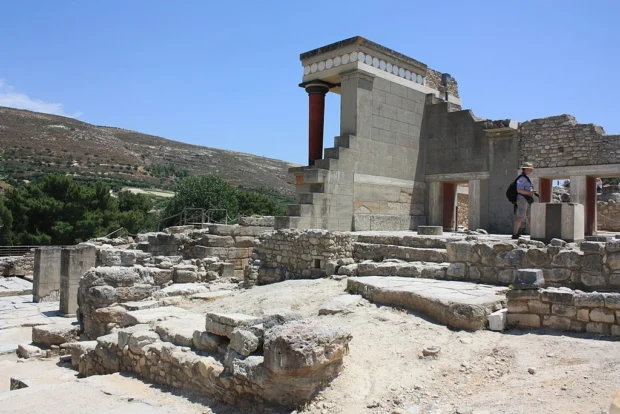
Knossos Palace, located near Heraklion on the island of Creta, Greece, represents one of the most remarkable archaeological sites in the eastern Mediterranean. This Minoan palace complex offers a glimpse into an ancient culture known for its advanced architecture, vibrant frescoes, and intricate stone work. Alongside exploring the fascinating ruins, visitors gain insight into the cultural landscape that influenced Balkan connections and Near Eastern trade routes thousands of years ago. For those interested in historic fortifications and archaeological conservation, Knossos remains a living narrative of both lost grandeur and ongoing heritage preservation.
Table of Contents
Getting to Knossos Palace from Heraklion
Knossos Palace is situated about 5 kilometers south of Heraklion city center, making it highly accessible for visitors. From Heraklion, the most convenient way to reach Knossos is by car or local bus. Many buses depart regularly from Heraklion’s main bus station, terminating at the archaeological site itself.
For travelers arriving via Heraklion airport, a short taxi ride or bus route will bring you to the palace within 20 minutes. If you prefer to stay nearby, several accommodations in the area provide easy access by foot or bike, allowing for a leisurely morning visit before the crowds arrive.
Also, consider combining your visit with a stroll through Heraklion’s vibrant marketplaces or nearby craft workshops, where traditional ceramics and textiles tell stories as rich as those carved in stone at Knossos.
The Enduring Story of Knossos Palace
Knossos is often linked with Greek mythology, notably the legend of King Minos and the labyrinth that housed the infamous Minotaur. Archaeologically, the palace was the ceremonial and political center of the Minoan civilization around 1900 to 1400 BCE, showcasing complex multi-story buildings with elaborate plumbing and storage facilities.
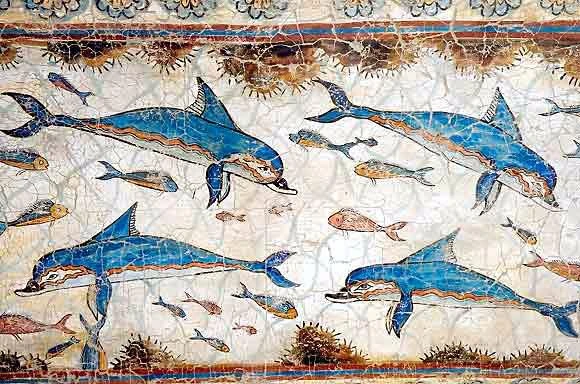
Its walls were decorated with colorful frescoes depicting rituals, religious ceremonies, and everyday life offering a glimpse into rituals reflecting oral traditions and the social fabric of the time. The palace’s architectural mastery with intricate stone columns and reliefs exemplifies Creta’s deep cultural mapping of Mediterranean influences, merging eastern Mediterranean styles with Balkan elements.
Archaeological Relevance and Conservation
Sir Arthur Evans’ excavation in the early 20th century revealed much of Knossos’ grandeur but also sparked debates about restoration practices. The ongoing conservation efforts balance preserving original mosaics and stone works while maintaining visitor accessibility. Understanding these challenges adds depth to any visit, as the site stands as both a monument of past glory and modern archaeological dedication.
Visiting Knossos: When to Arrive and What to Know
The best times to visit Knossos are early mornings on weekdays during the shoulder seasons of spring (April to June) and autumn (September to October). During these periods, the weather is mild, and the site is less crowded, allowing for reflective exploration of the ruins.
Weekends and summer months tend to be busy, with many tour groups arriving, which can diminish the tranquil feel of the site. Arriving right at opening time ensures a quieter experience and cooler temperatures for walking through the outdoor sections.
Entry and Tour Details
Entrance tickets can be purchased on-site, but pre-booking is strongly recommended to avoid lines, especially in high season. Guided tours, either through official services or private companies, enrich the visit by providing detailed explanations of the architectural elements, fresco techniques, and historical context.
Visitors interested in a more in-depth experience might also consider audio guides or specialized workshops focusing on Minoan ceramics and textiles, providing immersive insight into the traditional crafts that flourished alongside royal administration.
Nearby Accommodation and Culinary Delights
Accommodation options near Knossos range from quaint guesthouses to comfortable inns offering traditional Cretan hospitality. Staying close to the site allows visitors to enjoy the calm of countryside mornings, often accompanied by the sounds of nature and distant sea breezes.
Local cuisine highlights the freshness of Creta’s produce olive oil, wild herbs, fresh cheeses, and seafood dominate the menus. Sampling traditional dishes such as dakos (barley rusk salad), lamb with herbs, or freshly baked kalitsounia (sweet or savory cheese pastries) at nearby tavernas enriches the cultural experience.
Unexpected Details and Anecdotes of Knossos
Among the many intriguing facets of Knossos is the fact that some frescoes depict vibrant bull-leaping scenes, a ritual sport combining athleticism and religious significance. This physical culture element reflects a close relationship between humans and animals in Minoan society, with bulls symbolizing strength and fertility within their cultural landscape.
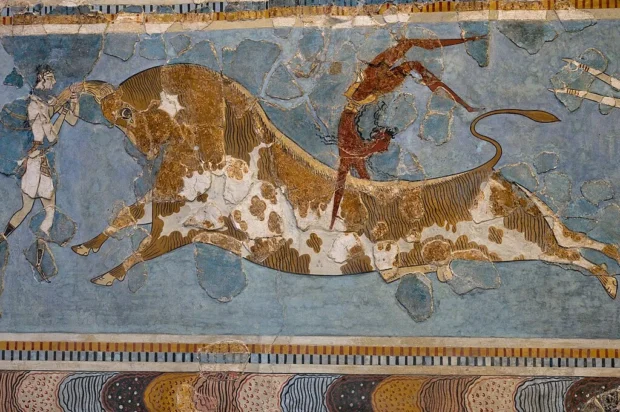
Another less obvious detail is the palace’s advanced drainage and water management system, illustrating early understanding of urban planning and environmental adaptation. Walking through the remnants of these stone channels, one appreciates how the Minoans mastered water flow long before modern plumbing.
Essential Resources for Planning Your Visit
For up-to-date information and booking options, the official site of the Greek Ministry of Culture offers comprehensive details on Knossos Palace, including opening hours, ticket prices, and special events. Feel free to check its official page.
Planning ahead enhances the experience, allowing you to align your visit with guided tours, exhibitions, or temporary displays focused on archaeological conservation and Creta’s cultural heritage.
Final Thoughts on Knossos and Creta’s Living Heritage
Knossos Palace is more than an archaeological site. It is a cultural landscape that speaks to the continuity of human endeavor, creativity, and adaptation in Creta. Exploring its halls and frescoed walls invites reflection on how ancient stories and crafts still resonate in modern Crete’s identity.
By combining the palace visit with local culinary treats, craft workshops, and the vibrant life of Heraklion, travelers gain a comprehensive understanding of this eastern Mediterranean crossroads where past and present converse through stone architecture, mosaics, and enduring traditions.
For a wider view of Creta beyond Knossos Palace, explore the island’s wild nature and historic sites with our detailed Creta Must-See Guide here.

Explorer of historical towns, ancient ruins, and traditional markets, combining modern travel with interest in heritage.
- Knossos Crete by Simon L Kozhin/Кожин Семён Леонидович on Wikimedia Commons – cc by-sa 3.0
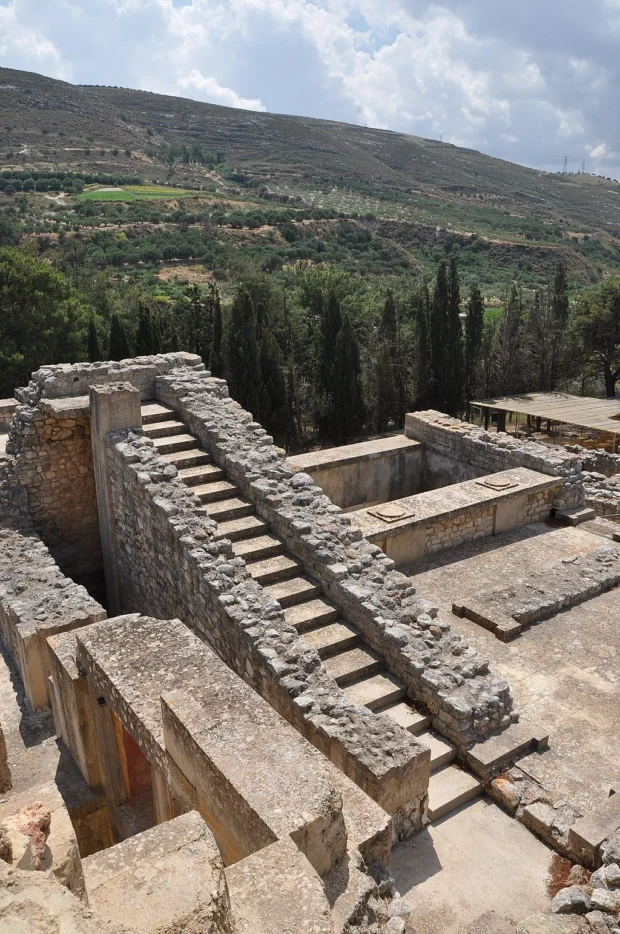
- Grand Staircase in Knossos, Crete 001 by Moonik on Wikimedia Commons – cc by-sa 3.0
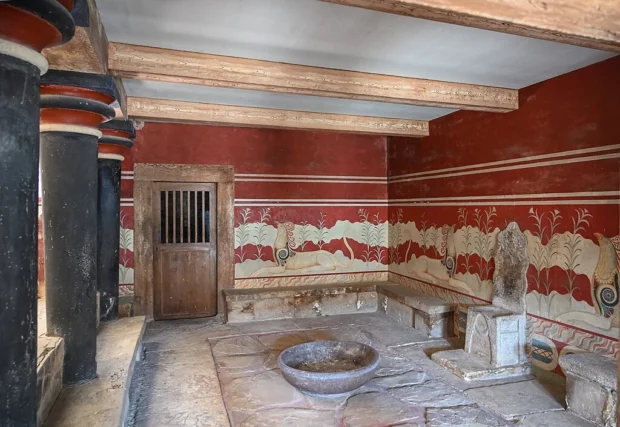
- Knossos, Throne room, Sept. 2019 by Cayambe on Wikimedia Commons – cc by-sa 4.0
- Bull leaping fresco, Knossos, 1600-1450 BC, AMH, 258362 by Zde on Wikimedia Commons – cc by-sa 4.0


