
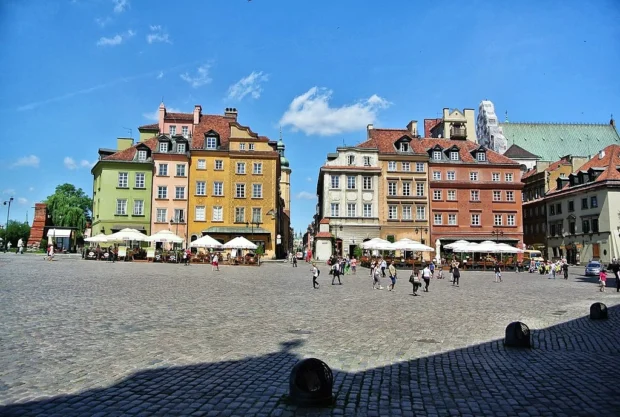
In the heart of Poland’s capital, Warsaw Old Town invites us to step into a world where bricks and mortar speak of centuries past. From its medieval cobblestones to the lively squares, the Old Town is a perfect blend of history, culture, and everyday Polish life. Whether you come drawn by stories of resilience or the charm of vernacular architecture, this district never fails to captivate. Join us as we wander through Warsaw’s Old Town, uncovering its secrets, tasting local flavors, and learning how to make the most of your visit.
Table of Contents
Tracing the Footsteps to Warsaw Old Town
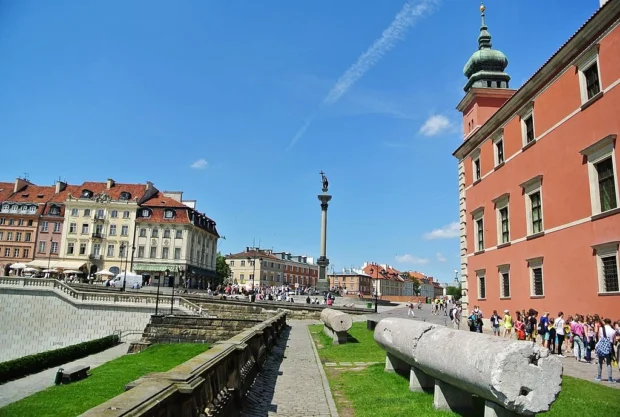
Getting to the Old Town is straightforward. From Warsaw Chopin Airport, a smooth journey by train to the city center (Warszawa Centralna) takes about 20 minutes. From there, the tram or a short walk leads you to the heart of the Old Town.
If arriving by train at Warszawa Centralna or Warszawa Wschodnia stations, local trams and buses frequently run to Ratusz Arsenał or Stare Miasto stops both are prime gateways.
For those who enjoy strolling, a 10 to 15-minute walk from the central station through Nowy Świat Street offers a beautiful introduction. Here, you can admire elegant townhouses and catch a hint of folk music from street performers.
Living History in Brick and Stone
The Old Town tells a remarkable tale, especially when you consider its near-total destruction during World War II. What you see today is a historic reconstruction, a UNESCO World Heritage Site since 1980, symbolizing Polish resilience and passion for heritage conservation.

Its origins stretch back to the 13th century, making it one of Warsaw’s oldest areas. The Royal Castle and surrounding squares were centers for both governance and lively markets, reflecting a blend of medieval architecture and vibrant local life.
Walking its alleys, we often hear stories of merchants, craftsmen, and royal courts that once animated these streets. The colorful houses, painstakingly rebuilt using historical paintings and photographs, are a testament to Poland’s dedication to preserving its rural and urban heritage.
Spotlight on Vernacular Architecture and Craft Traditions
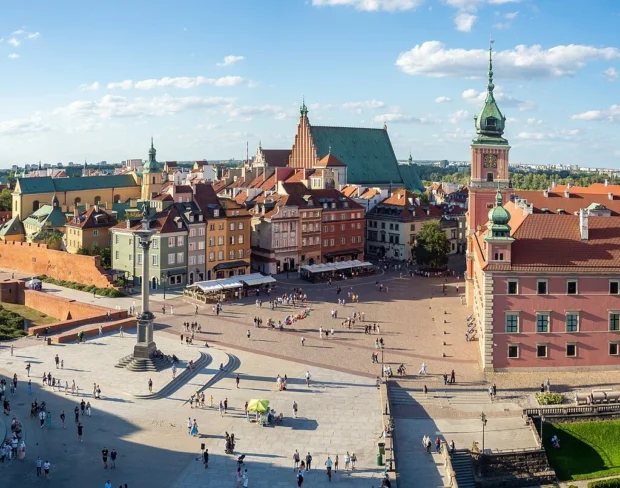
The Old Town’s buildings showcase traditional Polish vernacular architecture, enhanced with baroque and gothic elements. Notice the intricate facades and ornamental details many crafted by local artisans skilled in ceramics and textiles, a tradition dating back centuries.
Some workshops still practice folk craft, especially around the Market Square, where you may find hand-painted pottery and embroidered textiles that make perfect souvenirs.
When to Visit for the Best Experience
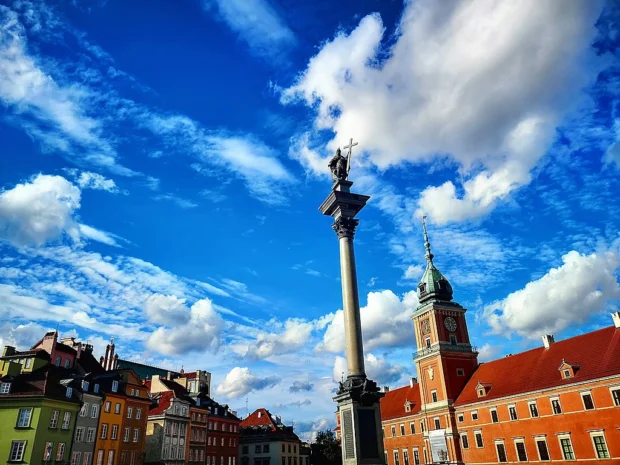
Timing your visit can shape your impression of the Old Town. Weekday mornings offer a quieter atmosphere, perfect for those who want to explore without crowds. Early spring or late autumn provide gentle weather and fewer tourists.
Summer is lively with open-air concerts and festivals celebrating folk music and culinary heritage, but expect more visitors. Winters, especially around Christmas, transform the Old Town into a fairy-tale scene with festive markets and traditional Polish treats.
Useful Tips to Enjoy the Old Town
- Wear comfortable shoes as cobblestones can be uneven.
- Bring a small umbrella or raincoat; Warsaw weather can be unpredictable.
- Ask local guides about hidden courtyards and legends, such as the statue of the Warsaw Mermaid the city’s emblem.
- Trying pierogi (Polish dumplings) at a nearby eatery provides a delicious connection to local food traditions.
Exploring the Old Town: Tours and Reservations
Guided tours offer insightful stories and access to heritage museums around the Old Town. Many are available in English, focusing on medieval architecture, folk rituals, and royal history.
While walking freely is possible, booking a guided tour can deepen your understanding. Some places, like the Royal Castle, require timed tickets, readily reservable online to avoid queues.
Reservation is recommended during high season or festival periods to secure your spot and enjoy personalized experiences, such as private tours or workshops on local crafts.
Where to Rest and Taste Near the Old Town
The neighborhood around the Old Town offers a variety of accommodations, from guesthouses in historic buildings to modern apartments. Staying close means waking up to the gentle hum of early market life and easy access to city transport.
If hunger strikes, venture into small cafes and family-run restaurants that emphasize Poland’s culinary heritage. Sampling traditional dishes such as żurek (sour rye soup) or bigos (hunter’s stew) in a cozy setting adds a warm layer to your visit.
Final Steps in Warsaw’s Living History
As we conclude our stroll, the Old Town’s vibrant squares and silent alleys remind us that history is alive, not just a preserved past. Between the layers of paint on reconstructed walls and the sounds of folk music lingering in the air, this area is a dialogue between time, art, and community.
After enjoying the charm of Warsaw’s Old Town, you might like to learn why Warsaw is a perfect city break full of history, culture, and local life in Warsaw as a Cultural City Break.
For more detailed information and to plan your visit, you can explore the official website of the Warsaw Old Town at Royal Castle in Warsaw.

Eastern Europe travel specialist uncovering hidden gems from the Baltics to the Balkans.
- Warsaw Old Town, Warsaw, Poland – panoramio (40) by Ben Bender on Wikimedia Commons – cc by-sa 3.0
- Warsaw Old Town, Warsaw, Poland – panoramio (38) by Ben Bender on Wikimedia Commons – cc by-sa 3.0
- Barbakan-Warsaw by Yair Haklai on Wikimedia Commons – cc by-sa 4.0
- Castle Square (22346p) by Rhododendrites on Wikimedia Commons – cc by-sa 4.0
- Kolumna Zygmunta, Warszawa by Chichebombon on Wikimedia Commons – cc by-sa 4.0
- Godzina "W"-a young insurgent – panoramio by jdn2 on Wikimedia Commons – cc by-sa 3.0
.jpg)
.jpg)

.jpg)

