
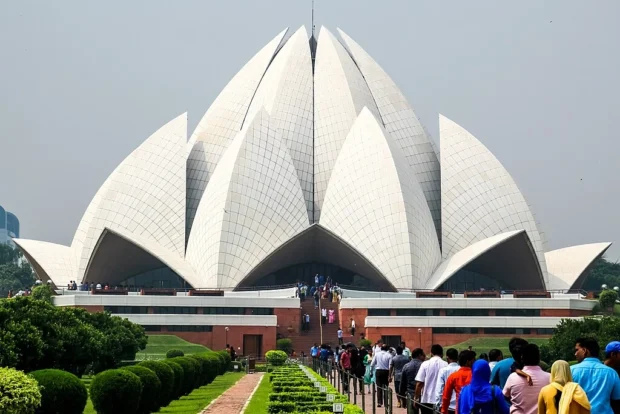
The Lotus Temple in Delhi stands as an exquisite example of modern architecture blended with spiritual harmony. Known for its flowerlike shape and serene atmosphere, this Bahá’í House of Worship draws visitors worldwide seeking both architectural inspiration and peaceful reflection. Nestled in the heart of India’s bustling capital, the temple’s design, history, and accessibility make it a must-visit landmark for anyone intrigued by craftsmanship, spiritual architecture, or Delhi’s cultural mosaic.
Table of Contents
Lotus Temple Location and How to Reach It
Situated in the Bahapur area near Nehru Place, the Lotus Temple enjoys a strategic location accessible by various modes of transport from Delhi’s core.
Transport Options from Delhi Center and Airport
From Connaught Place, Delhi’s central usiness district, a short taxi ride or a combination of metro lines can get you to the temple in under 30 minutes. The nearest metro station is Kalkaji Mandir on the Violet Line, which is a brief walk away from the temple entrance.
If arriving from Indira Gandhi International Airport, the most convenient way is to take the Airport Express Line to New Delhi Station and then switch to the Yellow Line towards HUDA City Centre, followed by a transfer to the Violet Line at Central Secretariat to reach Kalkaji Mandir.
By road, multiple buses ply from various city points toward Nehru Place or Kalkaji. Auto-rickshaws also offer a flexible yet quintessential local travel experience for short distances.
Architectural Marvel and Spiritual Significance
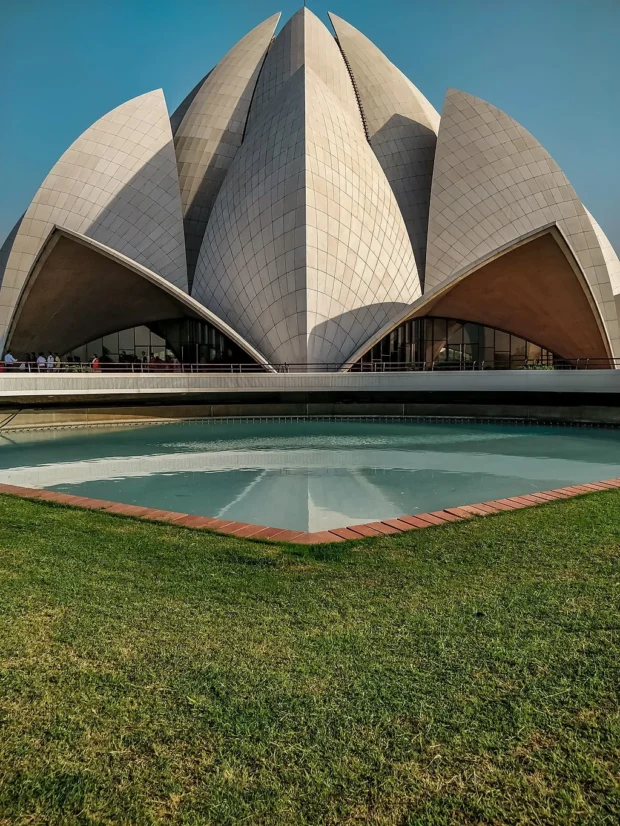
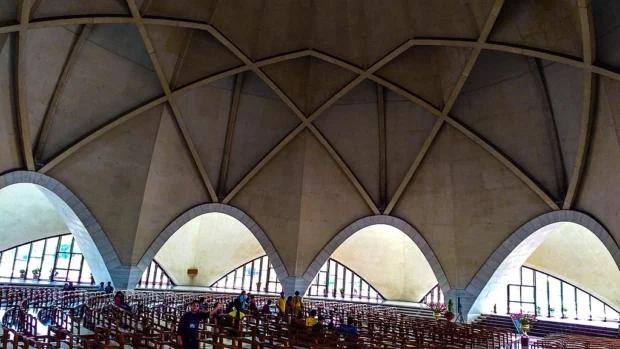
Shaped like a lotus flower, this building is an eloquent architectural feat. The temple’s 27 free-standing marble “petals” form nine sides that create a perfect geometric symmetry. This design not only serves aesthetic purposes but also unites the universal theme of purity and peace symbolized by the lotus in many cultures, especially Indian tradition.
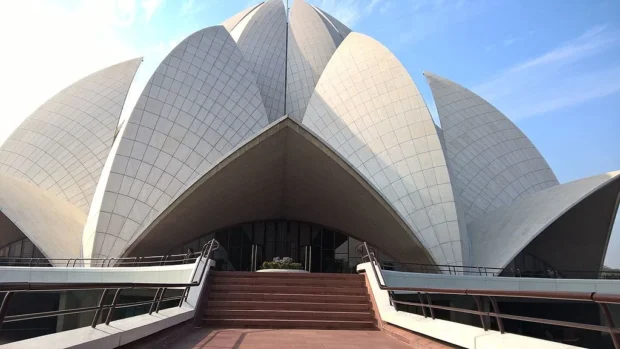
Completed in 1986, the temple is one of the most recent examples of religious architecture that avoids traditional iconography and instead embraces a universal message of unity and peace preached by the Bahá’í faith. The lack of any idols or pictures inside emphasizes inclusiveness, inviting followers of all religions to meditate and pray silently.
Optimal Visiting Times and Crowd Insights
To fully appreciate the temple’s serene atmosphere, timing your visit carefully is key. Early mornings during weekdays generally offer a quieter experience, as the temple tends to attract larger groups during weekends and Indian public holidays.
The climate also influences visiting pleasure; autumn through spring (October to March) provides comfortable weather, avoiding the intense heat of Delhi summers. Late afternoon visits allow for beautiful natural light that highlights the marble’s texture and the petals’ delicate curves, perfect for photographers and architecture enthusiasts.
Practical Tips for Visitors and Tour Details
- The Lotus Temple is open daily from 9:00 AM to 7:00 PM, except Mondays when it remains closed for maintenance.
- Entry is free of charge, but visitors should observe a strict silence policy inside the prayer hall to preserve the meditative environment.
- Photography is permitted outside but not inside the main prayer hall, respecting the sacred space’s tranquility.
- Reservations or guided tours are not required, making spontaneous visits easy to plan.
- Visitors are advised to wear modest clothing and remove footwear before entering the prayer hall.
Nearby Accommodation and Dining Suggestions
The temple’s location near Nehru Place ensures many lodging options ranging from budget guesthouses to comfortable mid-range hotels. Staying nearby lets you avoid lengthy commutes and offers a chance to explore the vibrant local markets and eateries after your visit.
For food enthusiasts, local restaurants provide authentic Delhi flavors, from street-style chaat at nearby bazaars to well-curated vegetarian meals reflecting the temple’s spiritual ethos. Sampling these dishes adds a flavorful dimension to your cultural visit.
Architectural Details Worth Noticing
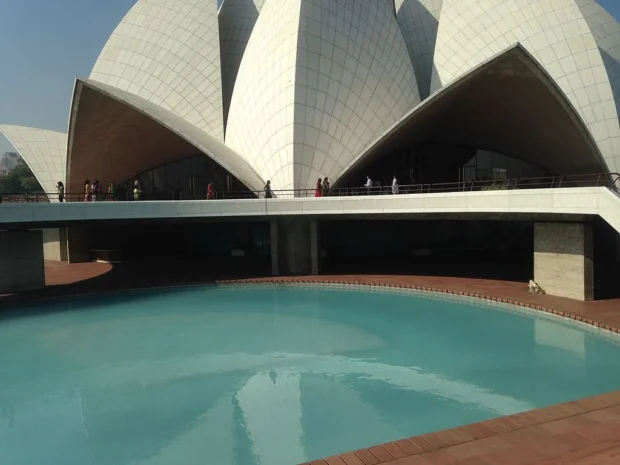
While wandering around the temple’s expansive gardens and reflecting pools, take note of the precision in the marble cladding and the way natural light plays on the curved surfaces. The interplay of shadow and light changes throughout the day, subtly altering the structure’s visual dynamics.
Each petal’s design reflects a blend of modern engineering and traditional craftsmanship, showcasing innovative use of materials and techniques. The structure’s earthquake resistance and water management system demonstrate a thoughtful approach to sustainability uncommon in many religious buildings worldwide.
Official Resources and Additional Insights
For current visiting hours, event updates, or special programs, the temple’s official website offers reliable information. You can visit the Lotus Temple official page to plan your visit and learn more about its spiritual philosophy.
In summary, the Lotus Temple in Delhi is a captivating blend of spiritual peace and architectural ingenuity. Its accessibility, welcoming atmosphere, and artistic form make it an essential visit for those drawn to spaces where design meets devotion. Whether you arrive by metro, taxi, or bus, a journey to this striking monument promises thoughtful reflection set against the backdrop of one of India’s most energetic cities.
Those fascinated by iconic religious architecture might appreciate a visit to Sagrada Familia in Barcelona, a masterpiece blending faith and craftsmanship.

- Lotus Temple, located in Delhi, India, is a Bahá'í House of Worship by Buete on Wikimedia Commons – cc by-sa 4.0
- LOTUS TEMPLE-DELHI-03-min by Chinmaykp25 on Wikimedia Commons – cc by-sa 4.0
- Lotus Temple 09 by Jugal97 on Wikimedia Commons – cc by-sa 4.0
- A Closeup of The Lotus Temple by Delrish Patel on Wikimedia Commons – cc by-sa 4.0
- Lotus Temple 01 by Akshatha Inamdar on Wikimedia Commons – cc by-sa 4.0


