
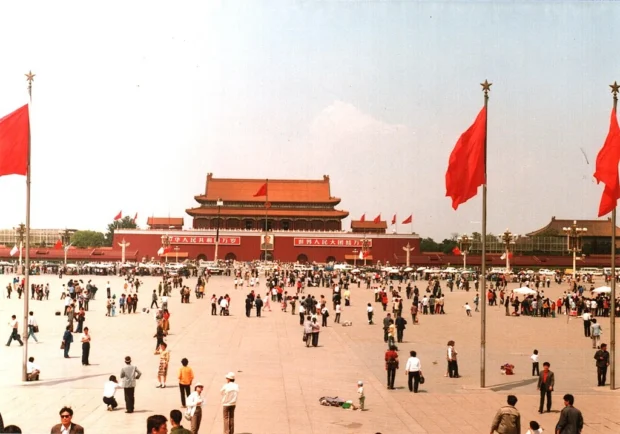
Beijing, China’s vibrant capital, is home to myriad marvels that enchant travelers from every corner of the globe. One such iconic open space is Tiananmen Square, a place dense with history, tradition, and stirring cultural reflections. Nestled just south of the Forbidden City, this vast plaza has witnessed some of China’s defining moments, from imperial proclamations to modern-day events. Whether you arrive by metro or taxi, Tiananmen Square offers a profound sense of place and time, inviting visitors to ponder its layered past and present. This journey introduces you to the heart of Beijing through Tiananmen Square’s rich tapestry, with tips and tales that will help you experience it thoughtfully and fully.
Table of Contents
The Grand Space Where History Unfolds
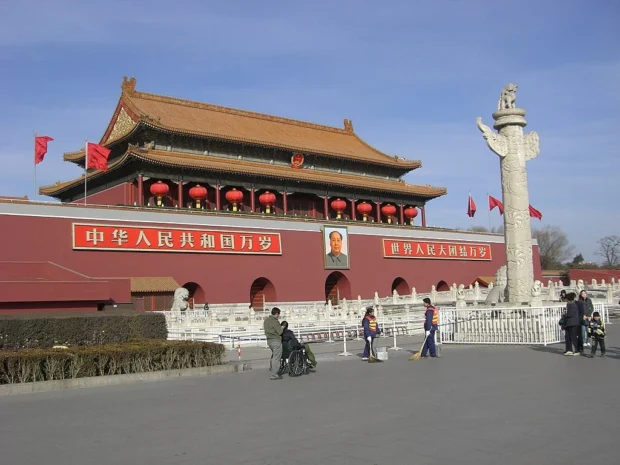
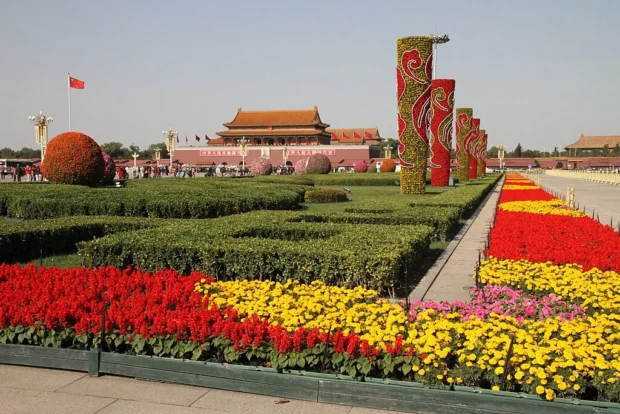
Spanning over 440,000 square meters, Tiananmen Square is one of the largest public squares worldwide. Its vast expanse tells stories of imperial ceremonies, revolutionary movements, and commemorations. The name “Tiananmen” means “Gate of Heavenly Peace,” derived from the grand gate located at its northern edge, which historically served as the main entrance to the Forbidden City.
Constructed in 1651 during the Ming Dynasty, the square evolved significantly over centuries. It is not just a physical space but a symbol of China’s national identity. Key historical events, such as the May Fourth Movement in 1919 and the founding ceremony of the People’s Republic of China in 1949, took place here. The square remains a living monument where culture, political history, and public life converge.
How to Arrive and Getting Around Beijing
Reaching Tiananmen Square is straightforward for travelers. For those landing at Beijing Capital International Airport, a taxi ride into the city center typically takes 40-60 minutes, depending on traffic flow. Public transport enthusiasts may prefer the Airport Express Line to Dongzhimen Station, then transfer to Metro Line 2 to Qianmen Station, which is just a short walk from the square.
From Beijing Railway Station, a quick metro ride along Line 2 will bring you to Qianmen or Tiananmen East and West stations, placing you within steps of the square’s perimeter.
Walking around the area is pleasant and accessible. The square itself is pedestrian-friendly and opens early in the morning until late at night, offering ample time to absorb its ambiance. Nearby accommodations typically feature easy metro access and lively dining streets, allowing visitors to experience Beijing’s diverse culinary palette.
Experiencing Tiananmen Square at Different Times
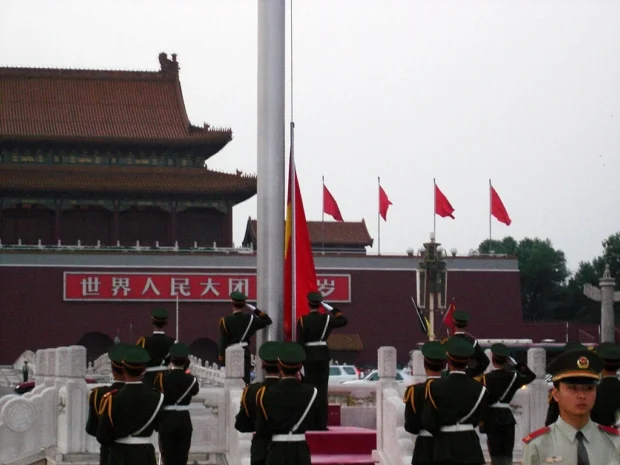
The time you choose to visit Tiananmen Square colors your experience. Early mornings bring cooler temperatures and fewer crowds, perfect for quiet reflection or photography. Watching the flag-raising ceremony at dawn an event conducted by the honor guard can be deeply moving, signaling the start of a new day in the capital.
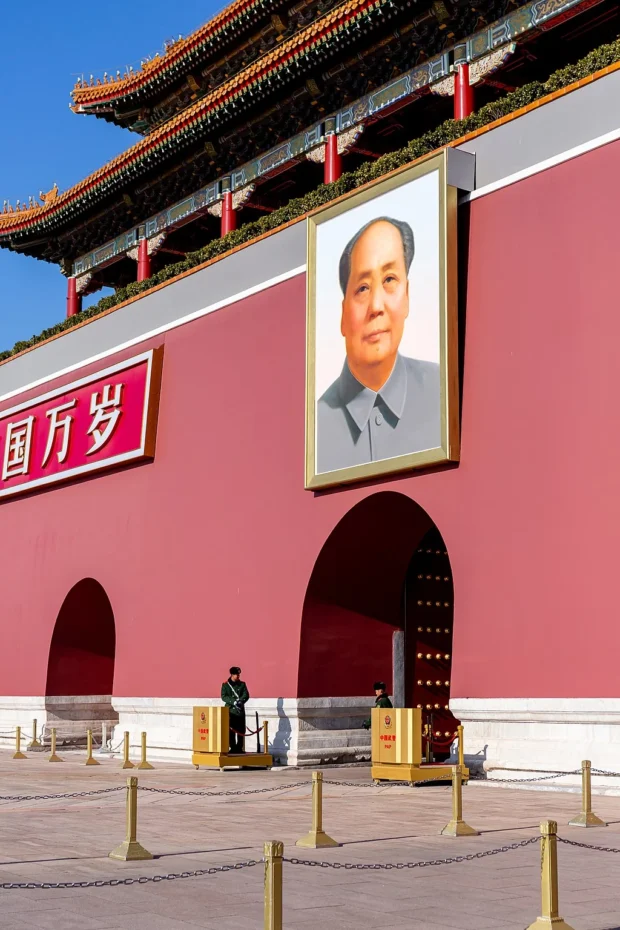
Afternoons are lively with tourists and locals alike, creating a dynamic atmosphere where guides share stories and street vendors offer snacks such as candied hawthorn and roasted chestnuts. Evenings reveal the square bathed in gentle light, highlighting architectural features and the imposing portrait of Chairman Mao that hangs on the Tiananmen Gate.
Weekdays tend to be less crowded than weekends or national holidays, when the square becomes a hive of activity, including parades or public events. Planning your visit midweek can provide a more intimate experience amid one of the world’s most significant urban squares.
Exploring Surroundings and Local Flavors
Tiananmen Square sits at a crossroads of cultural heritage and culinary delight. Within walking distance visitors encounter a treasure trove of experiences:
- The Forbidden City, just north of the square, offers imperial palaces adorned with intricate craftsmanship and historical secrets.
- Nearby Wangfujing Street invites food lovers to savor Beijing’s famed delicacies think Peking duck, jianbing (savory crepes), and fragrant lamb skewers grilled over charcoal.
- The National Museum of China, located on the east side of the square, hosts exhibits on folk art, ceramics, and ancient textile traditions, enriching your appreciation for Chinese cultural heritage.
Wandering these surroundings allows one to connect with Beijing’s traditions, where the scent of spices and aged wood mingle with tales of ancient dynasties and modern transformations.
After experiencing Tiananmen Square’s vast history, a visit to the Forbidden City reveals the imperial life behind its walls and architecture.
Booking Tours and Entry Rules to Know
Most of Tiananmen Square itself is open to the public without charge, though access points include security checks reminiscent of airport protocols for safety. Bags may be inspected, and certain items are restricted, so packing light and respectful attire is advised.
Visitors wishing to enter the Forbidden City or the National Museum should consider purchasing tickets in advance during busy seasons. Guided tours often enrich the visit, offering deeper insights into historical events, traditional architecture, and symbolic motifs found throughout the area.
Several companies provide walking tours focusing on imperial palaces, cultural heritage storytelling, or thematic explorations such as traditional performances and craft demonstrations nearby.
Little-Known Tales and Quirky Facts of the Square
Did you know that the square includes a hidden underground shopping area, linking it seamlessly with the city’s metro system? Beneath its enormous surface, tunnels and passages bustle with vendors and commuters alike, a modern contrast to the grandeur above ground.
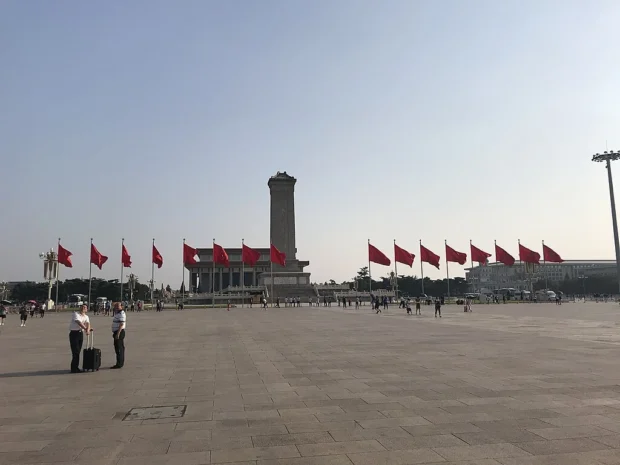
Another intriguing detail is the presence of the Monument to the People’s Heroes, a granite obelisk engraved with calligraphy by Mao Zedong himself, commemorating revolutionary martyrs. It stands as a silent guardian amid the square’s open landscape, inviting visitors to pause and reflect.
The large portrait of Chairman Mao, changing with each weather season, has become a culturally encoded landmark, ceremoniously replaced twice a year, which few tourists witness firsthand.
Additional Information and Resources
For more detailed information, planning visits, and current event updates in Tiananmen Square and surrounding sites, the official Tiananmen Square website provides authoritative guidance, albeit mainly in Chinese.
By blending leisurely strolls, cultural curiosity, and mindful observation, visiting Tiananmen Square becomes far more than a sightseeing stop it transforms into a step into the heart of Beijing’s enduring heritage.
If you want to continue your China visit beyond the city center, discover the Great Wall near Beijing, a breathtaking historical landmark just a few hours away.
A Chinese tour guide with deep knowledge of the Far East, its traditions, and culinary secrets.
- Tiananmen Square, Beijing, China 1988 (1) by Derzsi Elekes Andor on Wikimedia Commons – cc by-sa 3.0
- Monument to the Peoples Heroes Tiananmen Square by Jp16103 on Wikimedia Commons – cc by-sa 4.0
- Gate of Heavenly Peace, Tiananmen – panoramio by konget on Wikimedia Commons – cc by-sa 3.0
- 升国旗 – panoramio by 武当山人 on Wikimedia Commons – cc by-sa 3.0
- Beijing-Tiananmen-34-Blumenschmuck-gje by Gerd Eichmann on Wikimedia Commons – cc by-sa 4.0
- 20200110 Tiananmen Square Mao Zedong portrait-2 by Balon Greyjoy on Wikimedia Commons – cc0
.jpg)


