
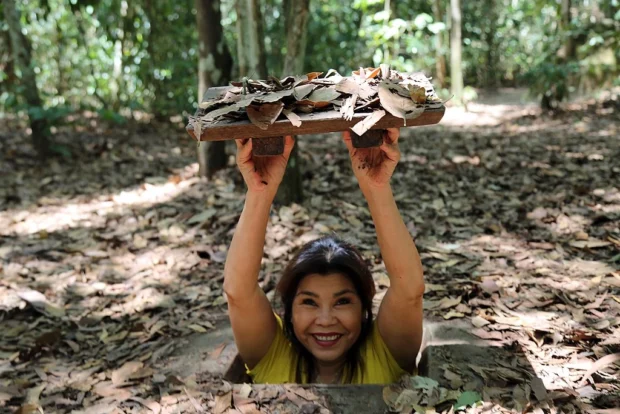
Journeying from Ho Chi Minh City to the Cu Chi Tunnels offers a passage into Vietnam’s layered past, threading together stories of resilience and strategic genius. For those curious about wartime ingenuity and rural landscapes, the Cu Chi Tunnels stand as a remarkable destination. Located about 40 kilometers northwest of the city, these underground labyrinths whisper tales of guerrilla warfare and local survival tactics. This guide walks you through reaching the tunnels, best times to visit, what to expect during the tours, and highlights of nearby culinary and lodging options that enrich your visit.
Table of Contents
How to Reach Cu Chi Tunnels from Ho Chi Minh City
Setting off from the bustle of Ho Chi Minh City, travelers have several options to arrive at the Cu Chi Tunnels with ease and flexibility. If you appreciate the rhythm of local life, taking a motorbike or scooter along the highways offers a firsthand experience of Vietnam’s vibrant roadways teeming with scooters, street vendors, and lush greenery passing by. For convenience and ease, many choose organized tours leaving from the city center or their hotel.
Public buses are another affordable choice. Bus No. 13 departs from Ben Thanh Market area and winds its way toward Cu Chi. The ride takes roughly 2 hours, giving a glimpse of suburban and rural Vietnam. Taxis and ride-hailing apps are practical for those seeking direct, private trips, especially during early or late hours.
For visitors arriving at Tan Son Nhat Airport, the most straightforward way is to hire a taxi or book a shuttle service that can combine your hotel drop-off and Cu Chi visit.
Transport Tips
- Set off early to avoid midday heat and heavy traffic.
- Check bus schedules ahead to align with your tour timings.
- Wear comfortable shoes and light clothing as the journey includes walking and outdoor exploration.
Unfolding the Layers of Cu Chi Tunnels
Embedded deep beneath the earth, the Cu Chi Tunnels are a marvel of human endurance and clever design. Originally dug during the French colonial period, they gained historic importance during the Vietnam War as a covert network used by Viet Cong forces. These tunnels stretched over 250 kilometers, offering shelter, living quarters, supply routes, and communication channels.
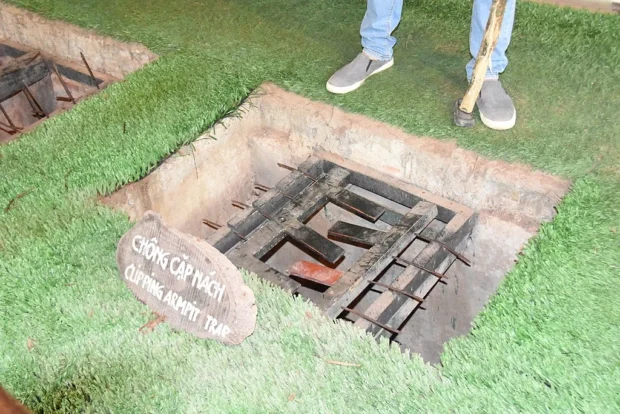
Visiting the tunnels brings you close to this impressive maze. It is striking to consider how life thrived underground, with makeshift kitchens, hospitals, and weapon workshops hidden from sight. The texture of the narrow tunnels and the earthy smell around evokes a tangible connection to the past that textbooks cannot deliver.
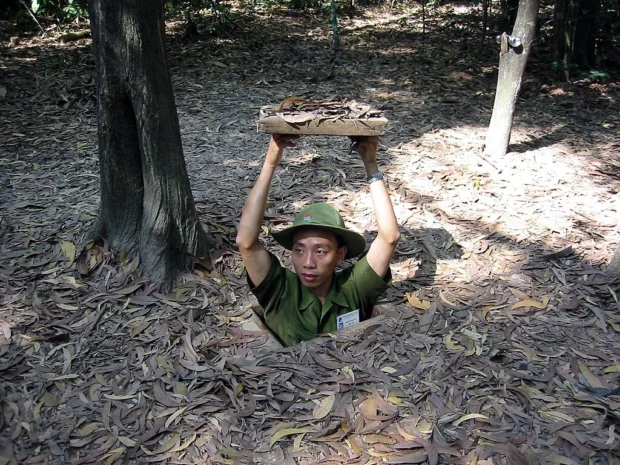
The tunnels symbolize resistance and the resourcefulness of local people, turning hostile terrain into a powerful defensive system. Stories from veterans and locals enrich the experience, illuminating how these passageways shaped the dynamics of the conflict.
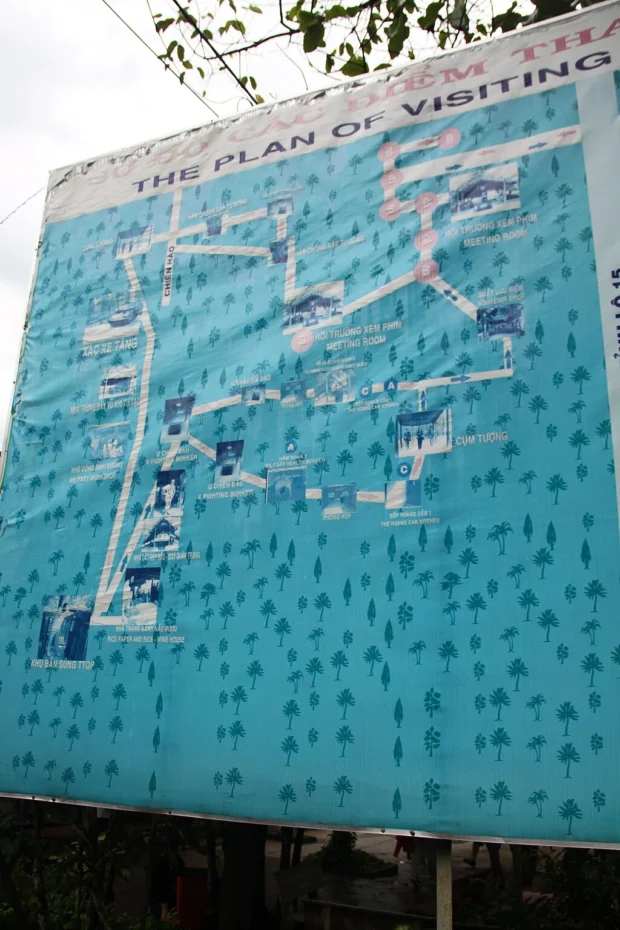
Best Time and Day to Explore Cu Chi Tunnels
As with many outdoor heritage sites in Vietnam, timing your visit wisely impacts your comfort and enjoyment. Early mornings from Tuesday to Thursday offer a quieter atmosphere with fewer crowds, allowing a reflective, unhurried visit. The temperature is cooler, and the sun casts softer light, enhancing photography and general mood.
Avoid weekends and public holidays when the tunnels become busy with both locals and tourists. Afternoons can get hot and humid, making the confined spaces inside the tunnels somewhat challenging.
Season-wise, the dry months from November to April provide the most pleasant conditions, though the tunnels remain accessible year-round.
Booking Tours and Reservations
Although self-guided visits are possible, most travelers find that joining a guided tour unlocks deeper understanding and seamless logistics. Expert guides narrate stories and point out details that might otherwise go unnoticed, such as hidden trapdoors and ingenious ventilation systems.
Tours vary from half-day visits to full-day packages that include transportation, lunch, and sometimes combined stops at local craft villages or rice paddies. Booking through reputable travel agencies ahead of time ensures availability and can smooth out transportation arrangements.
For independent visitors, purchasing tickets on-site is practical but expect queues during peak periods. Guided tours typically include entry fees, transport, and a knowledgeable guide, making the experience more immersive and hassle-free.
Nearby Accommodation and Culinary Suggestions
While it’s common to return to Ho Chi Minh City for overnight stays, several guesthouses and small inns near Cu Chi provide rustic comfort and intimate views of rural life. Waking to the sounds of birds and rustling leaves offers a refreshing break from urban clamor.
After visiting the tunnels, indulging in authentic southern Vietnamese dishes enhances the cultural palate. Seek out local eateries that serve bánh xèo (crispy pancakes) filled with shrimp and pork, or savor hearty bún thịt nướng (grilled pork noodle salad) bursting with fresh herbs and textures. Street vendors near the site often prepare steamed corn and tropical fruits, perfect for a quick snack amid exploration.
Quirky Details and Lesser-Known Facts
Few realize how ingenious the trapdoors to the tunnels are; they were cleverly camouflaged with leaves and soil to blend into the jungle floor. The tunnels also had elaborate air filtration systems disguised as termite mounds, a testament to the Viet Cong’s survival skills.
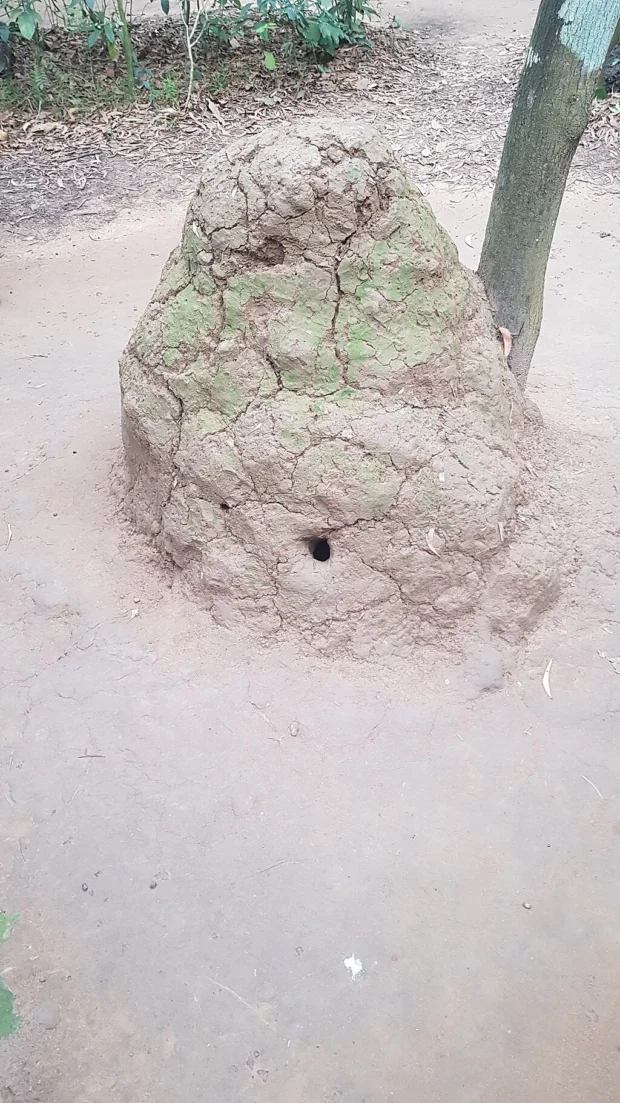
Visitors sometimes surprise themselves trying to crawl through the narrowest sections, gaining deep respect for the fighters who spent hours underground. Cameras are allowed, but flash photography is discouraged to preserve the tunnels’ dark ambiance.
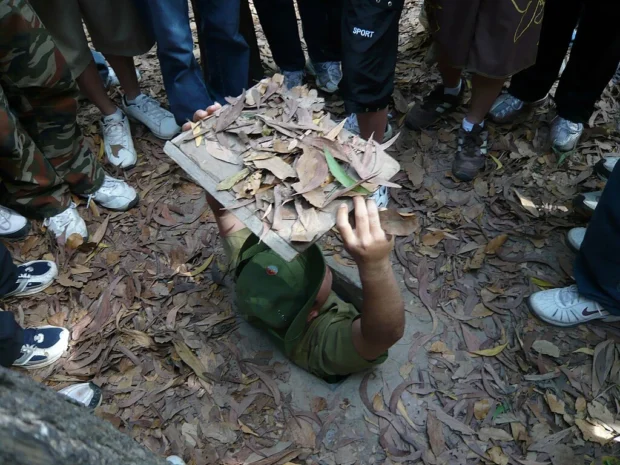
One touching anecdote is about a local woman who played a vital role as a tunnel guide during the war, her story still shared by tour guides highlighting the human dimensions behind this historic relic.
Official Online Resource for Cu Chi Tunnels
For the latest updates, booking options, and detailed visitor information, the official Cu Chi Tunnels website provides a well-structured portal with comprehensive details on tours, ticketing, and visitor guidelines.

Explorer of historic places and culinary traditions, combining landscape appreciation with food culture.
- Co Chi Tunnels, Ho Chi Minh City, Vietnam (49580049197) by flowcomm on Wikimedia Commons – cc by 2.0
- Clipping Armpit Trap- in the end, the US troops lost psychologically (31985396172) by shankar s. from Dubai, united arab emirates on Wikimedia Commons – cc by 2.0
- Cu Chi Tunnel Entry (1) by Thomas Schoch on Wikimedia Commons – cc by-sa 3.0
- Cu Chi Viet Cong Tunnels (10037524835) by Gary Todd from Xinzheng, China on Wikimedia Commons – cc0
- Cu Chi Tunnels Vietnam war 7 by Andre Hospers on Wikimedia Commons – cc by-sa 4.0
- CuChiTunnelEntrance by Bencmq on Wikimedia Commons – cc by-sa 3.0
.jpg)
.jpg)
.jpg)
.jpg)

