
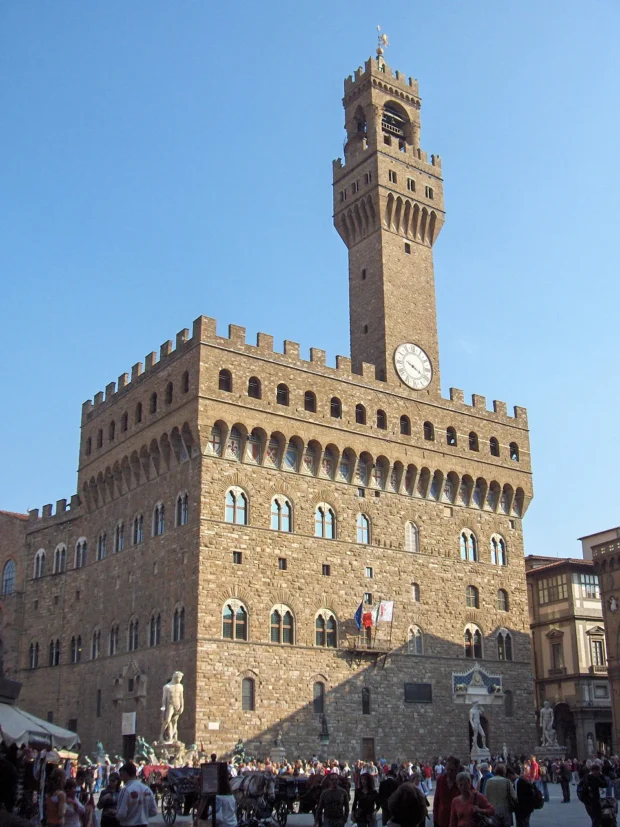
Winding streets of Florence lead me to one of its most captivating corners, Palazzo Vecchio. This fortress-palace, rich with stories and life, sits proudly in Piazza della Signoria. For anyone drawn to Florence, Italy’s artful cradling of the Renaissance, the Palazzo Vecchio invites reflection on power, creativity, and community. Its walls whisper tales of Medici intrigue, artistic mastery, and civic pride. In this post, I share my personal insights on how to reach this historic gem, the best times to enjoy its embrace, its striking significance, and practical advice to make your visit smooth and meaningful.
Table of Contents
Journey to Palazzo Vecchio’s Historic Ground
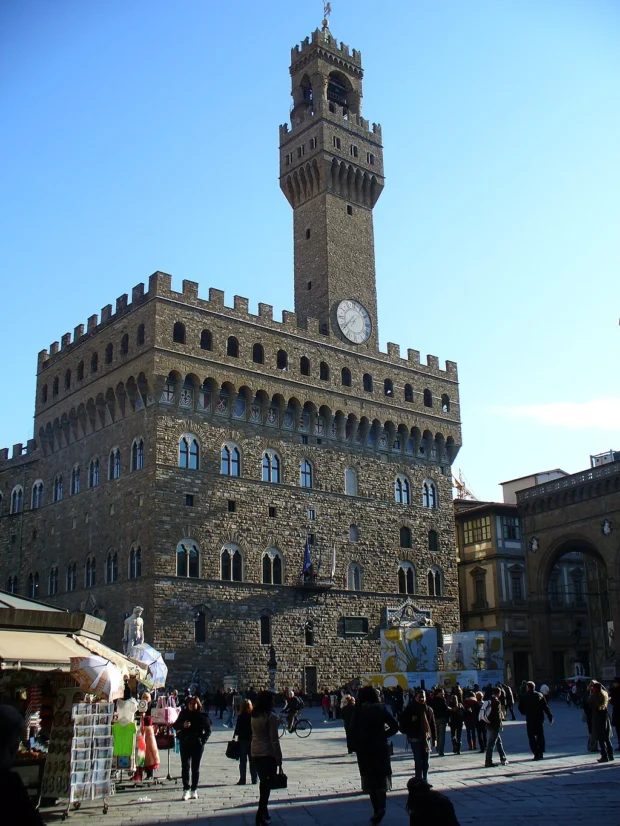
Getting to the heart of Florence to stand before Palazzo Vecchio is a simple joy. The palace is right in the city center. If you arrive by train, Firenze Santa Maria Novella station is less than a 20-minute walk, following the lively Via degli Avelli into Piazza della Signoria. From Florence Airport, a direct bus or taxi takes around 20-30 minutes to reach the same square.
Should you wish to use public transit, several bus lines pass near Piazza della Signoria, but walking remains the most delightful way to soak in Florence’s urban charm. Nearby accommodations range from cozy boutique guesthouses to elegant apartments, perfect for sinking into Florentine life after a day of exploration.
Unlocking the Layers of Palazzo Vecchio’s Past
Palazzo Vecchio is not just a building; it is Florence’s beating heart through centuries. Originally built at the end of the 13th century as the seat of government, it represented the city’s resilience and independence. This fortress, with its crenellated tower rising high, symbolized power and protection.

Inside, the grandeur tells of the Medici family’s influence when they transformed the palace into a ducal residence in the 16th century. The lavish frescoes, paintings, and sculptures under the hands of artists like Giorgio Vasari reveal stories of political ambition, religious devotion, and artistic glory. What strikes me profoundly is how the building’s public halls and secret chambers blend governance with artistry, reflecting Florence’s identity as a city where civic life and creativity intertwine.
Myths Carved in Stone
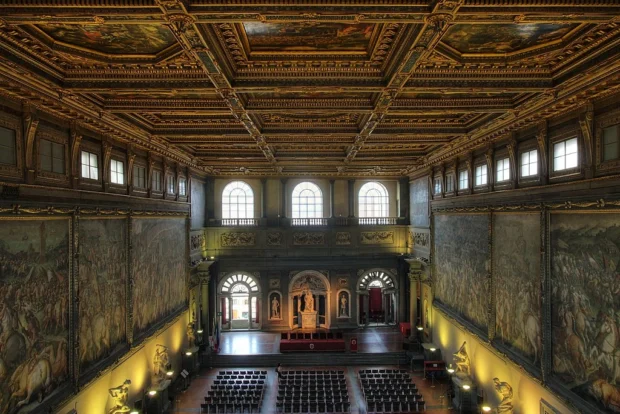
One lesser-known fact is about the “Hall of the Five Hundred” (Salone dei Cinquecento), where the city’s council once met. Legend says that lightning struck the hall in 1494, seen as a bad omen during turbulent political times. The room’s immense scale and richly decorated walls make it a place where one feels the pulse of history’s drama.
Best Moments to Walk Palazzo Vecchio’s Corridors
Timing your visit to Palazzo Vecchio can enhance your experience. I found that weekday mornings, especially between October and April, offer a quieter atmosphere to absorb the details without crowds. Early spring mornings, with soft light filtering through stained glass, create a serene mood.
Summer afternoons tend to be bustling, but the piazza buzz itself is part of Florence’s lively spirit. Avoid Sundays if possible, when many locals and tourists converge, making the place crowded.
Seasonal Events and Cultural Rhythms
Sometimes, visiting during local festivals brings added layers of meaning. For instance, the annual “Calcio Storico” a historic football game played nearby brings a unique energy to the neighborhood. While Palazzo Vecchio itself hosts temporary exhibitions and cultural events that celebrate Florentine heritage and craftsmanship, so keep an eye on the calendar.
Reservations and Guided Insights to Deepen Your Visit
Palazzo Vecchio’s popularity means it’s wise to plan ahead. Ticket reservations online save time and ensure entry, especially during peak tourist seasons. Guided tours enrich the visit, unlocking hidden corners and intricate stories. Options include audio guides, group tours led by expert local historians, or private guides who tailor the experience to your curiosity.
Many tours also incorporate visits to the hidden “Passetto,” a secret passage connecting Palazzo Vecchio to the Uffizi Gallery, offering a glimpse into the complex interplay of Florence’s political and artistic worlds.
The Uffizi Gallery offers a rich extension to Palazzo Vecchio’s history with its stunning Renaissance art and architecture.
Nearby Flavors: Savoring Florence
After moving through the palace’s centuries-old stone halls, food beckons as a way to taste local heritage. Nearby, small trattorias serve traditional Tuscan dishes think ribollita (a hearty vegetable and bread soup) and bistecca alla Fiorentina (Florentine steak). Sampling these dishes in a lively piazza side café connects you to Florence’s rich food culture.
Markets within walking distance offer fresh produce, cheeses, and breads, letting you piece together a picnic to enjoy overlooking the Arno River or in nearby Boboli Gardens.
Florence’s Social Pulse Around Palazzo Vecchio
The area surrounding Palazzo Vecchio thrums with daily life, blending tourists and locals in a shared space defined by centuries of social tradition. Street musicians fill the air, artisans display hand-crafted leather goods, and lively conversations swirl around café tables.
One special moment I cherish is watching the sunset cast golden hues on the palazzo’s pink stone façade, as the city’s rhythms shift from workday hustle to evening grace. Here, ancient history meets living culture in an embrace that invites reflection on community, heritage, and creativity.
For a fuller sense of Florence’s charm beyond Palazzo Vecchio, visit Florence’s Essential Sights and Stories to enjoy its timeless corners and treasures.
Official Resources for Your Visit
For detailed information about opening hours, ticketing, and special exhibitions, you can visit the official site of Palazzo Vecchio. This website is reliable, provides up-to-date news, and is available in English, making it easier to plan your itinerary and gain deeper insights.

Traveler exploring cultural intersections, sharing reflections on similarities and differences between traditions, lifestyles, and food.
- Firenze Palazzo della Signoria, better known as the Palazzo Vecchio by JoJan on Wikimedia Commons – cc by-sa 3.0
- Palazzo vecchio 11 by Freepenguin on Wikimedia Commons – cc by-sa 3.0
- Firenze Campanile di Giotto Vista su il Palazzo Vecchio 1 by Zairon on Wikimedia Commons – cc by 4.0
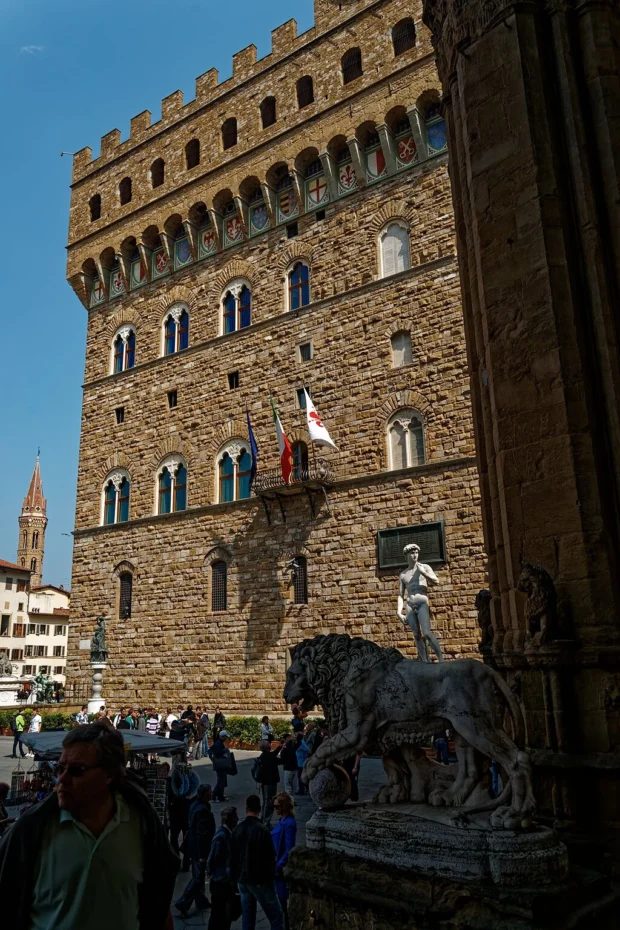
- Firenze – Florence – Loggia dei Lanzi – View East on Flaminio Vacca's Lion 1598, Michelangelo's David & Palazzo Vecchio by Txllxt TxllxT on Wikimedia Commons – cc by-sa 4.0
- Palazzo Vecchio – grand hall byThis photo was taken by Eusebius (Guillaume Piolle).Feel free to reuse it, but always credit me as the author as specified below. on Wikimedia Commons – cc by 3.0


