
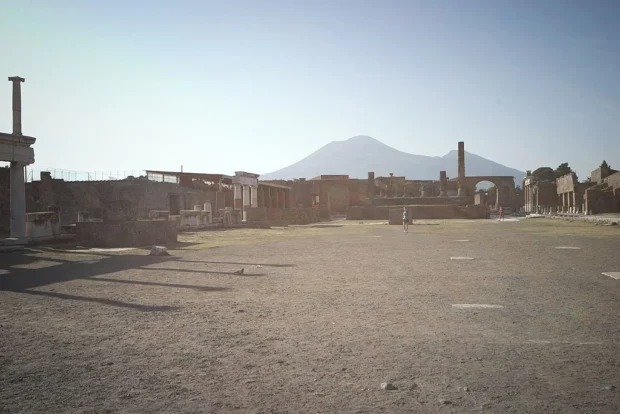
For those fascinated by history, archaeology, and the rhythms of ancient Mediterranean life, Naples and Pompeii offer a remarkable window into Italy’s rich heritage. Nestled close to the Bay of Naples, this region combines dramatic landscapes with millennia-old stories carved into stone, frescoes, and ruins. Travelling here to walk the streets of Pompeii or wander Naples’ vibrant quarters immerses you in an environment where past and present converse softly but distinctly. This guide will share practical advice, transport details, historical insight, and some cultural reflections to help you savor this extraordinary journey with sensitivity and depth.
Table of Contents
From Naples to Pompeii: Easy Paths Through Time
Starting your exploration in Naples, you’ll find it an energetic city with a dense tapestry of life, bustling markets, and welcoming cafes. To reach Pompeii, the ancient town devastated by Mount Vesuvius in 79 AD, trains depart frequently from Napoli Centrale, the city’s main train station. The Circumvesuviana line connects Naples to Pompeii in about 30 to 40 minutes, dropping you off near the Pompeii archaeological site entrance.
For those arriving by air at Naples International Airport, the easiest route into the city center is by Alibus shuttle or taxi, both of which quickly take you to Napoli Centrale or Piazza Garibaldi. From there, transfer to the Circumvesuviana for Pompeii.
Once at Pompeii, the site is expansive, so comfortable walking shoes are a must. Consider also local buses or taxis for nearby villages, where you can taste southern Italian rural life and cuisine.
The Stories Beneath the Ashes: Pompeii’s Historical Essence
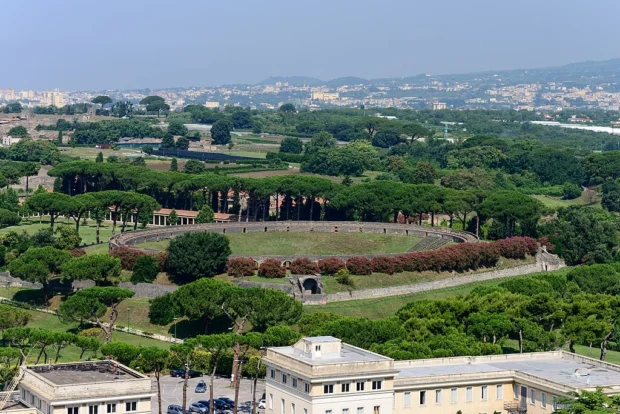
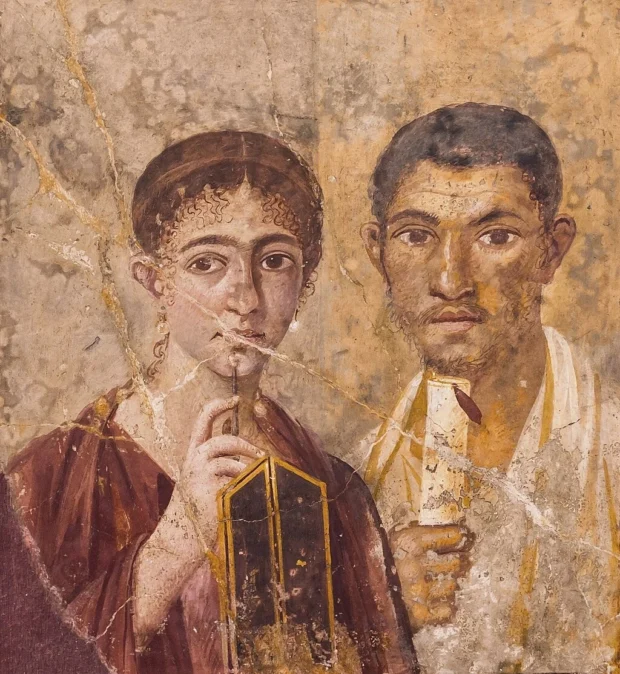
Pompeii’s history is a haunting echo of sudden tragedy and daily life frozen in time. Covered under volcanic ash after Vesuvius erupted in 79 AD, the city was lost to memory until rediscovered in the 18th century. Archaeologists have painstakingly revealed streets, homes, baths, temples, and frescoes that offer unparalleled insight into Roman urban life.
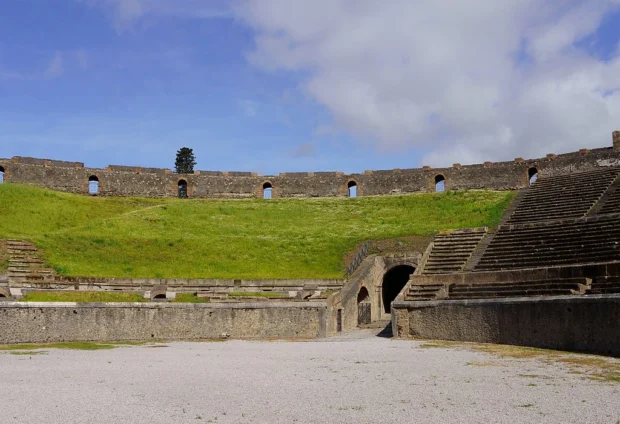
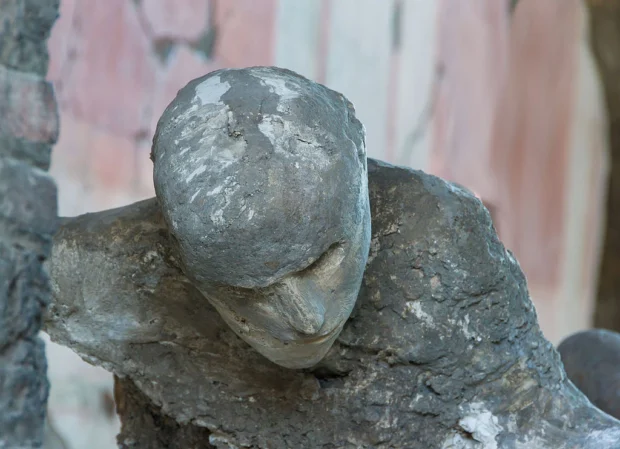
The careful conservation of Pompeii continues to reveal details about the people who lived here their trades, religious practices, and social structures making it a living classroom of history, cultural landscape, and archaeological conservation. It’s worth noting that recent restoration practices have enhanced the preservation of the site’s many artifacts, from intricate mosaics to the eerie plaster casts of victims.
When to Visit Pompeii and Naples: Finding Quiet Moments
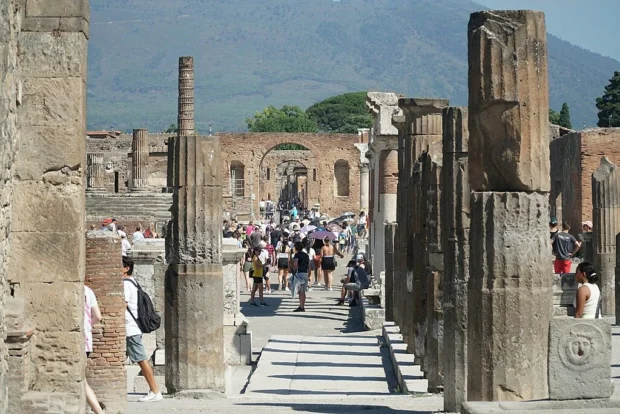
Pompeii is a major draw for tourists, so timing your visit can greatly affect your experience. Early mornings, right when the site opens, are generally less crowded. Weekdays, especially outside of peak seasons like summer or Italian holidays, offer a quieter atmosphere for reflection and unhurried exploration.
Naples, while lively year-round, is also best enjoyed outside major festival days or weekends, when locals swarm into restaurants and piazzas. For both places, spring and autumn combine pleasant weather with softer crowds, inviting long, meandering strolls.
Essential Preparations: Tickets, Tours, and Reservations
Buying tickets in advance for Pompeii is highly recommended. Access is often timed or limited due to preservation concerns and visitor numbers. You can purchase entry tickets and book guided tours or audio guides through the official archaeological park’s platform, which helps plan your visit with helpful maps and site updates.
Tours are available in multiple languages and provide invaluable context that reading nothing can match, bringing to life Pompeii’s social textures and historic trade routes. For those intrigued by ethnographic notes or cultural landscapes, several specialized tours delve into ancient agriculture, crafts, and daily life visible in the ruins.
Official Pompeii Archaeological Park Website
You’ll find detailed visitor information, ticketing, restoration news, and educational programs at the official site, linked here as Pompeii Archaeological Park.
Living Naples: Flavors, Markets, and Neighborhoods
After your historical immersion, Naples welcomes you with open arms and rich, sensory experiences. Wander the narrow alleys where pizzerias stake their centuries-old claims to the world’s best pizza, or visit bustling food markets alive with colors, scents, and conversations. Sampling traditional Neapolitan dishes, including seafood specialties and sweets, connects you to a culinary heritage distinct to southern Italy.
Walking through neighborhoods like Spaccanapoli or the Vomero quarter, one feels the pulse of the city’s continuous cultural mapping the blend of tradition, local crafts, and the adaptation to modern life. Artisans practicing ancient techniques coexist alongside vibrant street art and new festivals, embodying Naples’ enduring spirit.
Naples’ vibrant streets and unique neighborhoods add enriching layers to any visit; see how local life brings the city’s pulse alive in this detailed take on Naples.
Local Experiences Off the Beaten Track
- Visit smaller craft workshops where traditional ceramics and textiles are still made following generations-old methods.
- Attend a folk music event or oral storytelling session in a local piazza to hear legends connected to the Campania region and its Balkan, Near Eastern, and Eastern Mediterranean links.
- Explore nearby historic fortifications and lesser-known archaeological sites on organized heritage trails that reveal layers of trade and cultural exchange.
Each experience adds a mosaic piece to understanding Campania’s layered identity, beyond guidebooks and typical visits.
Discover a vibrant contrast by reading about Cancun, where ancient ruins meet stunning blue seas and unique local flavors Cancun’s vibrant flavors and ancient secrets.
Concluding Thoughts: Embracing History and Present Day
Travelling through Naples and Pompeii invites more than sightseeing. It offers an invitation to reflect on human resilience how communities rebuild, conserve, and narrate their past while living lively present lives. By walking ancient streets, savoring local food, and engaging with ongoing restoration, one partakes in a continuous dialogue across centuries. Whether absorbed in the archaeological richness or the vibrant modern culture, visitors leave with a sense of connection to a place where heritage lives actively in the landscape and local hearts.
After exploring Pompeii, taking a stroll through the Roman Forum reveals another vivid chapter of Italy’s ancient public life and culture Roman Forum Walk.

Explorer of historical towns, ancient ruins, and traditional markets, combining modern travel with interest in heritage.
- 80045 Pompeii, Metropolitan City of Naples, Italy – panoramio (16) by L-BBE on Wikimedia Commons – cc by 3.0
- Ancient Roman Pompeii – Pompeji – Campania – Italy – July 10th 2013 – 02 by Norbert Nagel on Wikimedia Commons – cc by-sa 3.0
- Amphitheatre (Pompeii) – Arena inside by Commonists on Wikimedia Commons – cc by-sa 4.0
- Forum, Pompeii 06 by Adam Harangozó on Wikimedia Commons – cc by-sa 4.0
- Cast victim eruptions Pompeii by Jebulon on Wikimedia Commons – cc0
.jpg)

_-_Arena_inside.jpg)

