
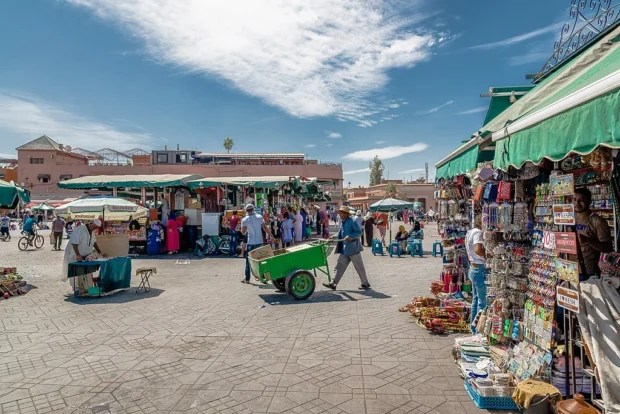
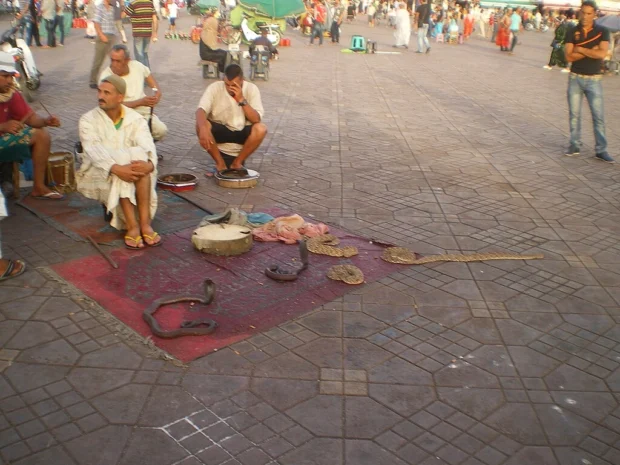
Jemaa el-Fnaa, the bustling square in Marrakesh, Morocco, stands as an emblem of rich cultural heritage and vibrant urban life. For those drawn to Morocco’s vivid tapestry of tradition, architecture, and social rhythms, this square offers a compelling stage. Located in the center of the medina, Jemaa el-Fnaa pulses with storytellers, snake charmers, spice vendors, and food stalls. Its history, atmosphere, and surroundings make it a must-see destination that invites curiosity and reflection. Whether arriving from Marrakesh-Menara Airport, the city center, or the train station, this square is easily accessible and is a perfect point to begin or deepen your journey into Moroccan culture.
Table of Contents

Finding Your Way: Directions to Jemaa el-Fnaa
Getting to Jemaa el-Fnaa is straightforward once you arrive in Marrakesh. If you land at Marrakesh-Menara Airport, which is about 6 kilometers away, a taxi ride or shuttle will bring you into the city center within 15 to 20 minutes. Most taxis know Jemaa el-Fnaa by name, as it’s the beating heart of the old city.
For those coming by train, Marrakesh Train Station lies roughly 2.5 kilometers to the north. From there, a short taxi ride or even a pleasant 30-minute walk through the medina’s narrow streets will lead you to the famous square. The walk itself is rewarding, offering glimpses of tilework, small markets, and local life.
Public buses also connect various city points to the medina, but due to the crowded nature of streets around Jemaa el-Fnaa, taxis or walking tend to be more practical.
The Living Room of Marrakesh: Jemaa el-Fnaa’s Role and History
Jemaa el-Fnaa translates roughly to “Assembly of the Dead,” a name that hints at deep historical layers. The square served since the 11th century as a central market and gathering place, a venue where stories, goods, and ideas flowed freely. It’s been a crossroads where Berber, Arab, and sub-Saharan African cultures mingled, lending the square a unique social and cultural vibrancy.
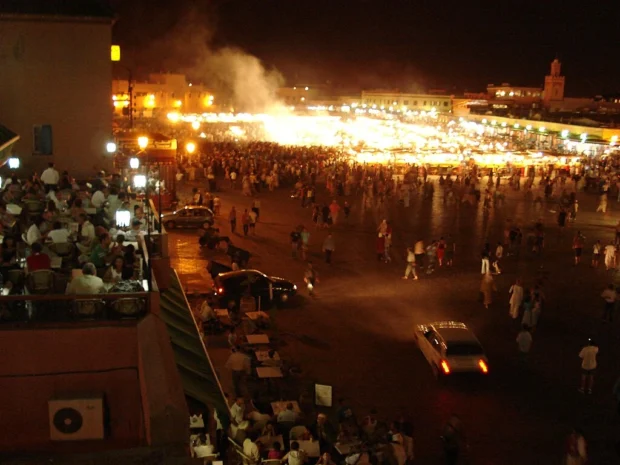
Historically, Jemaa el-Fnaa was not just a marketplace for spices, textiles, and crafts but also an open-air theatre. Storytellers, musicians, and magicians would gather crowds, keeping oral traditions alive. This oral heritage is recognized by UNESCO as an Intangible Cultural Heritage of Humanity, underscoring the square’s importance beyond tourism.
Walking through Jemaa el-Fnaa today, one senses this deep connection to history. The smoky air from grilled meats mingles with calls of merchants, the rhythmic beat of gnawa music, and the animated conversations of locals and visitors alike. The square is not a museum piece but a living, breathing social space that reflects Morocco’s evolving identity.
The Best Time to Visit Jemaa el-Fnaa
Timing your visit to Jemaa el-Fnaa can greatly influence your experience. The best days tend to be midweek, when the crowds are lively but not overwhelming. Weekends attract more tourists and locals alike, making the square at its most bustling and perhaps harder to navigate.
Visiting in the late afternoon allows you to witness the transformation of the square. As the sun lowers, food stalls multiply and the atmosphere deepens with evening lights and aromas. Nighttime at Jemaa el-Fnaa unveils one of the grandest street food scenes in Morocco, with everything from spicy harira soup to fresh orange juice.
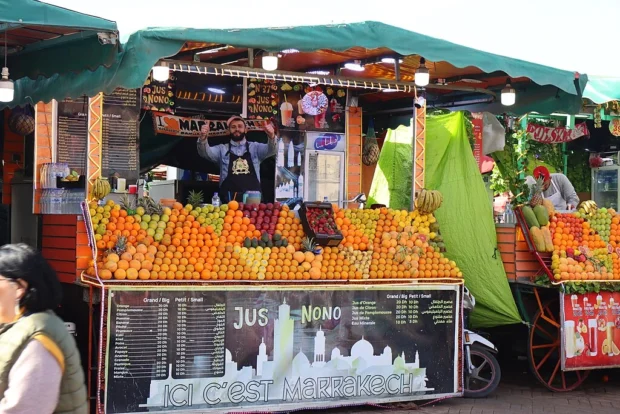
Seasonally, spring and autumn offer mild weather ideal for wandering the square and surrounding souks. Summers can be intensely hot, making midday visits less comfortable, while winter evenings are usually cooler but still lively.
Respectful Sightseeing: Visitor Tips and Local Customs
Immersing yourself in Jemaa el-Fnaa’s energy means embracing its social rituals and remaining mindful of cultural nuances. Here are some practical tips to keep in mind:
- Photography: Many performers and vendors expect a small tip if you take photos. Asking politely before snapping pictures shows respect and opens chances for genuine interaction.
- Bartering: Haggling is part of the marketplace culture, but it should be friendly and fair. Enjoy the exchange rather than stress over prices.
- Food Safety: Try the street food, but look for busy, popular stalls where turnover ensures freshness. Drinking bottled water is recommended.
- Dress Code: Morocco is a Muslim country with conservative customs. Wearing modest clothing helps you blend in respectfully and avoid unwanted attention.
- Personal Belongings: Keep an eye on your belongings, especially in crowded areas.
Planning Your Visit: Tours and Reservations
While wandering Jemaa el-Fnaa independently offers freedom to soak up the atmosphere, guided tours can reveal deeper layers of meaning and hidden corners. Many local guides offer walking tours focusing on the square’s history, culinary delights, and storytelling traditions.
Advance booking is generally not required for visiting the square, as it is a public space. However, for organized cooking classes, historical tours, or evening dining experiences on rooftop terraces overlooking the square, reservations are advisable, especially during high tourist seasons.
For official information and updates, the Marrakech Tourism Office maintains a website with helpful resources about Jemaa el-Fnaa and other city attractions. You can visit their site by clicking Marrakech Tourism Office.
Surrounding Gems: Where to Stay and Eat Near Jemaa el-Fnaa
Staying near Jemaa el-Fnaa lets you absorb the medina’s pulse at all hours. Numerous guesthouses and riads offer authentic Moroccan hospitality, often within stone’s throw of the square. These traditional homes converted into lodgings provide cool courtyards, intricate tilework, and quiet retreats away from the urban buzz.
When hunger strikes, the square itself is a banquet. For a more relaxed meal, nearby alleys host cafes serving mint tea and pastries. Don’t miss sampling local specialties such as tagine with preserved lemons, couscous with vegetables, and freshly baked bread from neighborhood ovens.
Transportation Within Marrakesh
After exploring Jemaa el-Fnaa, consider simple transport options for your next destination. Small taxis, known as petit taxis, operate within the city and provide affordable rides. For longer trips or private tours, larger taxis or private drivers are available. Walking in the medina is often the most rewarding way to discover hidden shops and artisan workshops.
A Final Reflection on Jemaa el-Fnaa’s Spirit
To stand in Jemaa el-Fnaa is to step into a sensory mosaic shaped over centuries. It is a place where stories are told not only by words but by scents, sounds, colors, and movements. This square invites us to slow down, listen attentively, and engage openly with the rhythms of Moroccan life.
For a traveler interested in cultural rituals, storytelling heritage, and urban history, Jemaa el-Fnaa offers layers of meaning beneath its lively surface. It reminds us that public spaces are not just physical locations but living communities where past and present meet. Visiting this square becomes more than sightseeing; it becomes an act of listening to a city’s heart beat.
For those fascinated by Marrakesh’s rich heritage, this guide to Marrakesh’s ancient walls and lively alleys adds a vivid layer of stories beyond Jemaa el-Fnaa.

Traveler exploring cultural intersections, sharing reflections on similarities and differences between traditions, lifestyles, and food.
- Jemaa El Fnaa 6 by Jonjobaker on Wikimedia Commons – cc by-sa 4.0
- JEMAA EL FNA SQUARE MARRAKECH MOROCCO APRIL 2013 (8894364598) by calflier001 on Wikimedia Commons – cc by-sa 2.0
- Djama Elfna square by night (2845838172) by mwanasimba from La Réunion on Wikimedia Commons – cc by-sa 2.0
- La place Jemaa El Fna by Tontonfranky on Wikimedia Commons – cc by-sa 4.0
- Džma el Fna, Marrákeš, 2025 (06) by Draceane on Wikimedia Commons – cc by-sa 4.0

.jpg)
.jpg)

.jpg)