
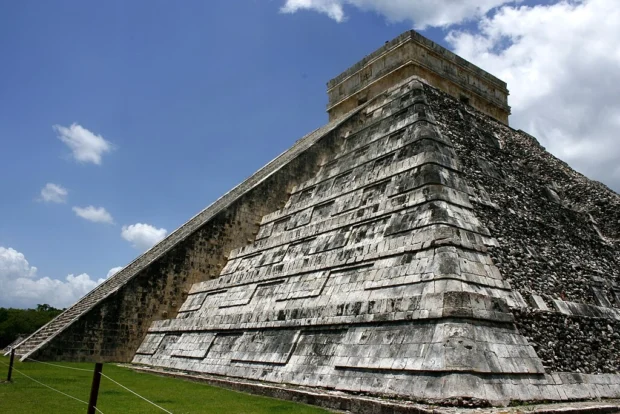
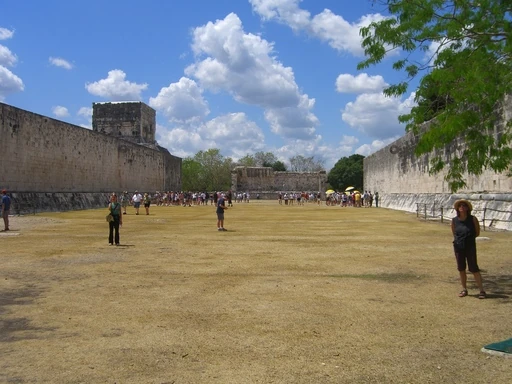
Chichen Itza, located about two hours from Cancun, Mexico, stands as one of the most iconic archaeological sites of the ancient Maya civilization. This magnificent stone city draws visitors worldwide, eager to witness its grand pyramid, stunning ball courts, and mysterious carvings. For those traveling from Cancun, whether by car or tour bus, the journey offers a glimpse into Mexico’s rich pre-Columbian history and vibrant Yucatecan culture. In this article, I will share detailed directions, best times to visit, fascinating historical insights, local food recommendations, and practical advice for enjoying Chichen Itza to its fullest.
Table of Contents
Getting From Cancun to Chichen Itza: A Practical Guide
Starting your journey from Cancun’s city center or the airport, the trip to Chichen Itza typically takes around two to two and a half hours by road. Most visitors choose between renting a car, booking a tour, or taking public transportation.
By Car or Rental
Driving gives the most freedom and comfort. Take Highway 180D from Cancun heading southwest toward Valladolid, then follow the signs for Chichen Itza. The road is well maintained and features clear signage. The entrance to the site is just off the highway, making it easy to find.
By Bus or Guided Tour
ADO buses depart regularly from Cancun’s central bus station to Valladolid, from where you can catch a local bus or taxi to Chichen Itza. Many travelers prefer guided tours that include transportation, a professional guide, and stops for local crafts or food tasting.
Choosing the Best Time and Day for Your Visit
Chichen Itza is busy year-round, but you can enhance your experience by picking the right moment. Early mornings, right at the opening time (8:00 AM), are ideal for avoiding crowds and experiencing the site in cooler, softer light.
Weekdays tend to be less crowded than weekends, and the dry season from November to April offers more pleasant weather. Avoid the hottest hours around midday, when the sun can be intense and the site crowded with groups arriving from Cancun.
The Rich Story Behind Chichen Itza’s Mystique
The name “Chichen Itza” means “At the mouth of the well of the Itza,” referring to the sacred cenote nearby. This city flourished from around 600 to 1200 CE, becoming a major political and economic center of the Maya world.
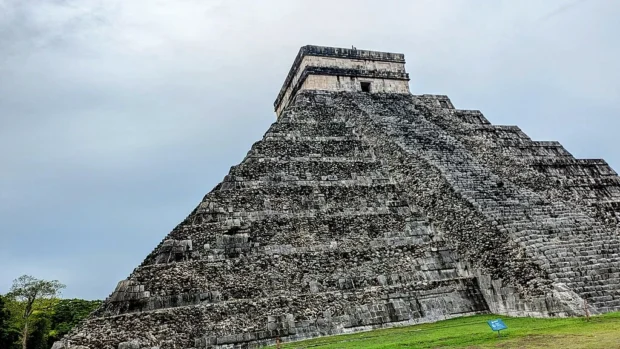
The pyramid at the heart of the site, El Castillo, also known as the Temple of Kukulkan, is a marvel of astronomy and architecture. Each of its four sides has 91 steps, which combined with the temple platform at the top, total 365 steps mirroring the Maya solar calendar.
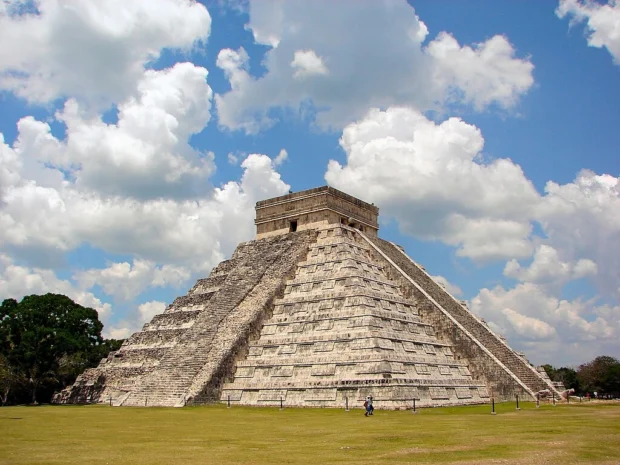
During the spring and autumn equinoxes, shadows cast by the setting sun create the illusion of a serpent slithering down the pyramid’s stairs, a ceremonial event that draws many visitors but can be quite crowded and challenging to view up close.
Booking Tours and Entry: What to Know Before You Go
Entry tickets can be purchased at the site, but to save time and guarantee availability, booking in advance is recommended, especially during high season. Many visitors find that guided tours enrich their visit by revealing hidden details and the cultural context of the ruins.
Keep in mind that large bags, food, and drinks are restricted inside the archaeological zone, so pack lightly. Hiring an official guide on site or joining an organized group ensures you get well-informed commentary, and connects you to the site’s living heritage.
Nearby Accommodations and Dining Opportunities
While Cancun offers a wide range of hotels and resorts, staying overnight closer to Chichen Itza, in towns like Valladolid or smaller villages nearby, can immerse you deeper into local life. There, you will experience the warmth of Yucatecan hospitality and quieter evenings.
Local cuisine is a highlight: try cochinita pibil (slow-roasted pork marinated in achiote), fresh tortillas, and regional sweets like marquesitas a crispy crepe filled with cheese and caramel. Small family-run eateries and markets in Valladolid offer authentic flavors away from tourist crowds.
The Sounds and Textures of a Living Past
Walking through Chichen Itza, one senses the hustle of past ceremonies and daily life. The cool stone steps underfoot, the chirping of tropical birds, and the rustling of leaves in the breeze create a sensory tapestry that connects you directly to the ancient world.
For a deeper dive into Cancun’s vibrant energy beyond Chichen Itza, read about the city’s lively markets, beaches, and local flavors right here.
Many visitors overlook smaller details, like the carved images of warriors and jaguars that speak of mythology and power struggles. Nearby cenotes invite reflection on the spiritual significance of water in Maya culture.

Quick Tips for a Smooth Visit
- Bring sunscreen, a hat, and water to stay hydrated.
- Wear comfortable shoes; the terrain can be uneven and dusty.
- Consider hiring a certified local guide for deeper insight.
- Arrive early to beat the heat and crowds.
- Respect the site’s rules and avoid climbing on ruins where prohibited.
- Bring a camera but remember to soak in the moment beyond the lens.
For official information, tickets, and updates, visit the National Institute of Anthropology and History website. Although primarily in Spanish, it contains valuable resources about Chichen Itza’s preservation and visitor services.

Anthropologist and traveler admiring local customs, festivals and traditional arts.
- 2007-06-22 Chichen Itza – 106 by markbyzewski on Wikimedia Commons – cc by 2.0
- Kukulkan's Temple – Chichen Itza 2024 by edenpictures on Wikimedia Commons – cc by 2.0
- Chichen-Itza-Castillo-Seen-From-East by Bjørn Christian Tørrissen on Wikimedia Commons – cc by-sa 3.0
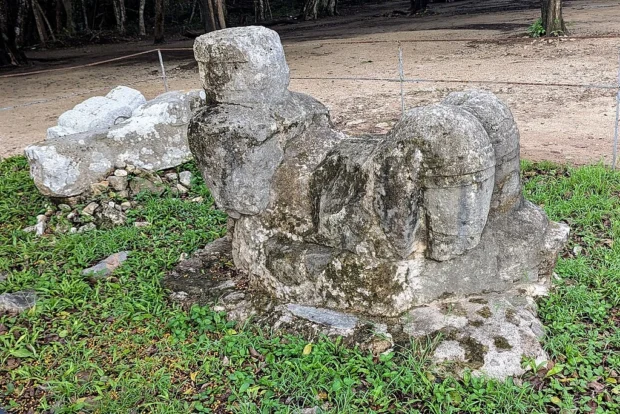
- Chacmool – Chichen Itza 2024 by edenpictures on Wikimedia Commons – cc by 2.0
- Chichen Itza, the Observatory (14372459224) by Arian Zwegers from Brussels, Belgium on Wikimedia Commons – cc by 2.0


.jpg)