
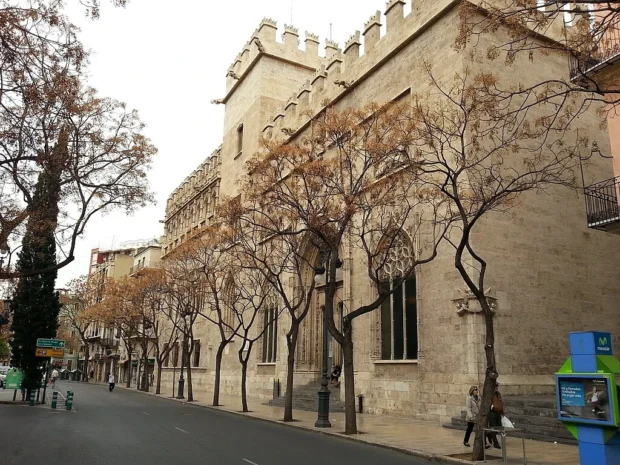
Valencia, Spain, is a city where history and vibrant life intertwine beneath Mediterranean skies. Among its many jewels, La Lonja de la Seda holds a profound elegance an architectural poem of late Gothic stonework and carved stories. This emblematic building not only narrates Valencia’s mercantile past but also offers a sanctuary where visitors pause and listen to the whispers of silk traders, carved angels, and twisting columns. For those seeking a moment of calm admiration or a journey through centuries of art and commerce, La Lonja de la Seda invites you to wander its sculpted spaces and reflect on the city’s shimmering legacy.
Table of Contents
Tracing the Silk Thread: The Historical Pulse of La Lonja
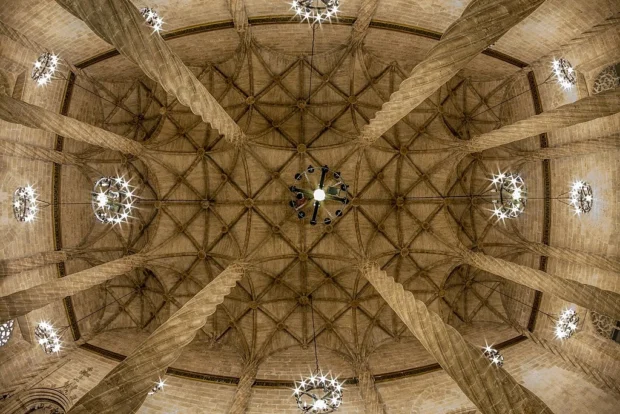
Built between 1482 and 1548, La Lonja de la Seda stands as a testament to Valencia’s golden age of trade, specifically the silk trade that propelled the city onto the European stage. Originally conceived as a merchant exchange, it symbolized economic prowess and the careful rules that governed commerce. This UNESCO World Heritage site is much more than a building; it is a manifesto of Gothic architecture’s richest phase, where ornate design meets functional public space.
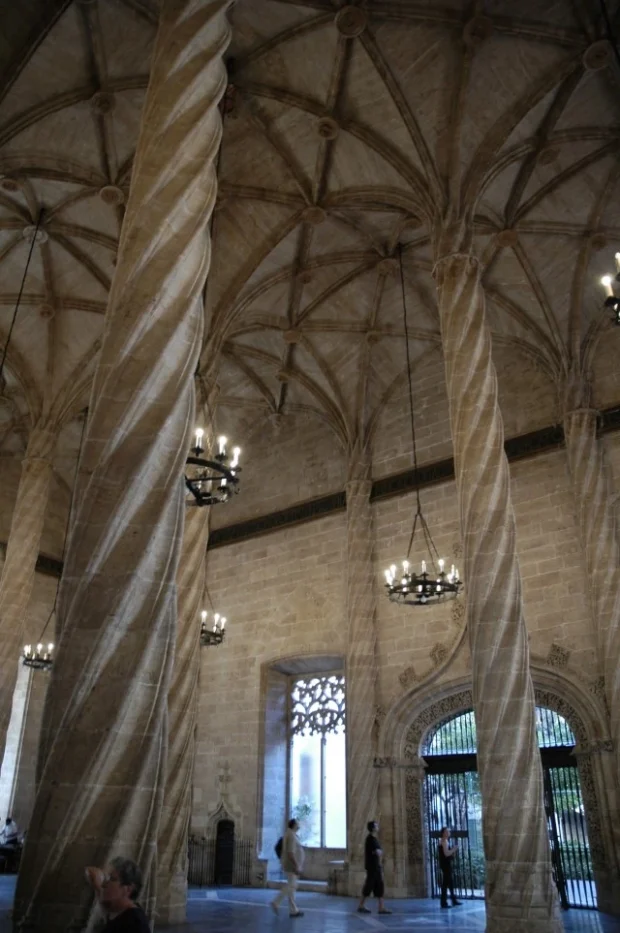
Once bustling with merchants sorting silks, coins, and contracts, you can almost hear the echoes of negotiation in the vaulted ceilings and admire the meticulous craftsmanship each column a twisting narrative of sinuous movement, each gargoyle guarding the secrets of past deals. La Lonja’s magnificent central hall, known as the Sala de Contratación, is an ocean of stone waves capped by elaborate ribbed vaults that suggest both movement and sanctuary.

Graceful Arrival: How to Arrive at La Lonja de la Seda
Finding La Lonja from the bustling heart of Valencia is effortless, yet each approach offers a distinct encounter with the city’s layers. Located in the historic district, near the Central Market and Valencia Cathedral, the site is less than a 15-minute walk from the city center. If arriving by public transport:
- From Valencia Airport, take line 3 or 5 metro to Xàtiva station; from there, it is a short stroll through winding streets rich in color and life.
- At the North Station (Estació del Nord), wander southwest through Plaza del Ayuntamiento towards the Centro Histórico.
Valencia’s bike-sharing system and electric scooters offer a breezy alternative, particularly along the nearby Turia Gardens, where you can glide past lush greenery before stepping into La Lonja’s stone embrace.
Moments to Cherish: Best Times to Visit La Lonja
Embracing the quiet grandeur of La Lonja is best done with intention. Early mornings, just after opening time, afford a serene experience with soft light filtering through gently weathered windows, illuminating intricate stone details. Weekdays, especially midweek, are less crowded, allowing for contemplative wandering. During the warmer months, late afternoon shadows deepen the textures of the carvings, inviting visitors to linger on the subtle dance of light and stone.
Keep in mind that La Lonja is closed on Mondays and certain holidays, so planning your visit on a Tuesday through Sunday will ensure uninterrupted immersion.
Inside the Stone Story: Highlights of the Tour
Even if you are a lone seeker of quiet beauty, the guided tours deepen appreciation, unveiling the symbolism etched into the building’s fabric and the lives once entangled within its halls. While tours are optional, booking ahead is recommended especially during peak seasons to secure a place and avoid waiting lines.
The building’s sculpted features speak volumes look for the twisted columns resembling the trunks of ancient trees, the whimsical gargoyles perched above watching vigilantly, and the golden hall that once hosted the silk merchants’ deliberations. These elements evoke a timeless dialogue between nature, commerce, and human aspiration.
Booking Your Visit
Entrance tickets and guided tours can be reserved online, allowing you to step directly into the historic ambience. For detailed visitor information, schedules, and to purchase tickets, you can visit the official site.
Rest Your Feet and Taste Valencia Nearby
After wandering through centuries of carved stone and vaulted ceilings, your senses might crave the vibrant colors and flavors of local Valencian cuisine. Several charming cafés and tapas bars line the nearby streets, serving fresh horchata, traditional paella, or sweet bunyols, each bite a celebration of place and tradition.
Visitors often find joy in the neighborhood’s quieter plazas, where orange trees scent the air and locals gather over slow afternoon coffees. Comfortable accommodation options nearby range from boutique guesthouses nestled in historic buildings to modern apartments overlooking bustling streets perfect for extending your exploration of this rich historic quarter.
Reflections Beyond Stone: Cultural Layering Near La Lonja
La Lonja de la Seda is a portal not only to Valencian mercantile history but also to a broader cultural dialogue. Nearby, galleries showcase local and Renaissance art, public murals color the urban fabric, and theaters invite you into performances enriched by the city’s artistic heritage.
For those enchanted by Gothic craftsmanship, the nearby Duomo di Milano offers a similar awe-inspiring journey into intricate stone artistry and centuries of cultural heritage.
As the evening descends, consider wandering towards the opera house or one of the city’s design fairs, where art and architecture converse in contemporary rhythms, echoing the historic spirit preserved within La Lonja’s walls. The experience reveals how deeply intertwined art and daily life remain in Valencia’s soul.
To see Valencia’s colorful daily life and iconic spots beyond La Lonja, visit the detailed walk through its signature sights here.

Art museum enthusiast who loves contemporary art and spends days wandering through exhibitions.
- Llotja de la Seda de València 06 by Dorieo on Wikimedia Commons – cc by-sa 4.0
- Lonja Techo Fisheye by Rafesmar on Wikimedia Commons – cc by-sa 4.0
- Valencia – Lonja de la Seda 01 by Mihael Grmek on Wikimedia Commons – cc by-sa 3.0


