
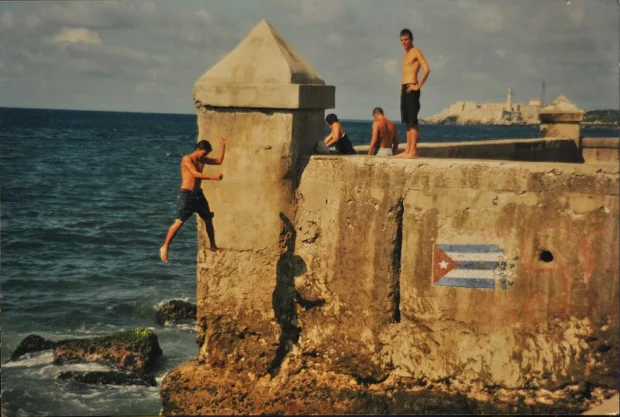
Havana’s Malecón stretches like a long, charming invitation along the northern coast of the city, where the Atlantic Ocean meets Cuban life in a spectacular display. This iconic seawall and promenade is not just a place to watch the waves; it’s a vibrant stage where locals mingle, music flows, and history whispers with every gust of ocean breeze. Whether you’re curious about the best time to visit, how to get there, or what hidden tales the Malecón holds, this guide will walk you through everything you need to soak up the essence of Havana’s beloved coastal stretch.
Table of Contents

Finding Your Way to the Malecón’s Heart
Getting to the Malecón is easy, no matter if you’re starting from Havana’s bustling city center, the airport, or the main bus stations. If you’re near Old Havana or Centro Habana, a short walk or a quick taxi ride will bring you to the promenade’s vibrant edges. From José Martí International Airport, taxis and shared rides offer a 30-minute trip directly to the Malecón, perfect for those eager to dive right in. Public transport options include buses that traverse Havana’s coastal avenues ask a friendly local for directions; Cubans love helping visitors find their way.
Nearby Places to Stay and Eat
The neighborhoods flanking the Malecón offer an array of guesthouses and homes that invite you into authentic Cuban living without the hotel feel. Staying nearby means waking up to the salty sea air and easy access to the promenade.
As for food, nothing beats the aroma drifting from street stalls selling tostones (fried plantain slices) or fresh seafood caught that morning. For a casual bite, try small local paladares family-run restaurants serving dishes like ropa vieja or grilled fish with yuca. Enjoying a mojito in a seaside café while watching fishermen mend their nets is pure Havana.

The Malecón’s Waves Carry Decades of History
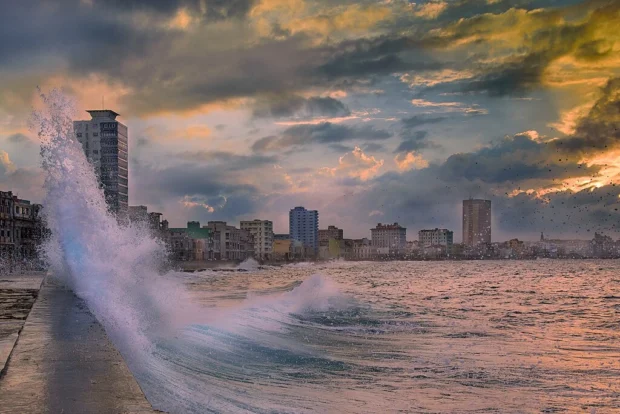
Built in 1901, the Malecón was originally constructed to protect Havana from the sea’s force. Over the years, it evolved beyond function into a beloved social and cultural hub. Imagine bikers, couples, and fishermen sharing the same concrete stretch where revolutionary speeches and festive celebrations once echoed. The seawall faced the fury of hurricanes and waves but always stood firm, a metaphor for the resilience of Havana itself.
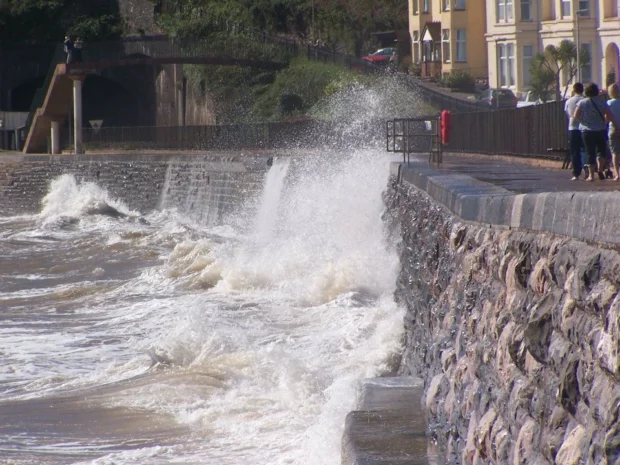
Many locals will share stories of their evenings spent here, dodging splashes, dancing to street musicians, or simply chatting under the stars. The Malecón is a living museum of Havana’s people and spirit.
Cartagena’s Walled City offers a rich historical stroll that complements your Havana Malecón walk perfectly, bringing more colonial charm and local life. Experience Cartagena’s fortifications and vibrant streets.
When the Malecón Calls: Best Times to Visit
The Malecón transforms with the day’s rhythm. Early mornings bring a peaceful, almost meditative walk with a few eager joggers and fishermen starting their day. Late afternoons and evenings are the Malecón’s true stage, when families, teenagers, and artists gather to catch the sunset, share a laugh, or play dominoes on the seawall’s benches.
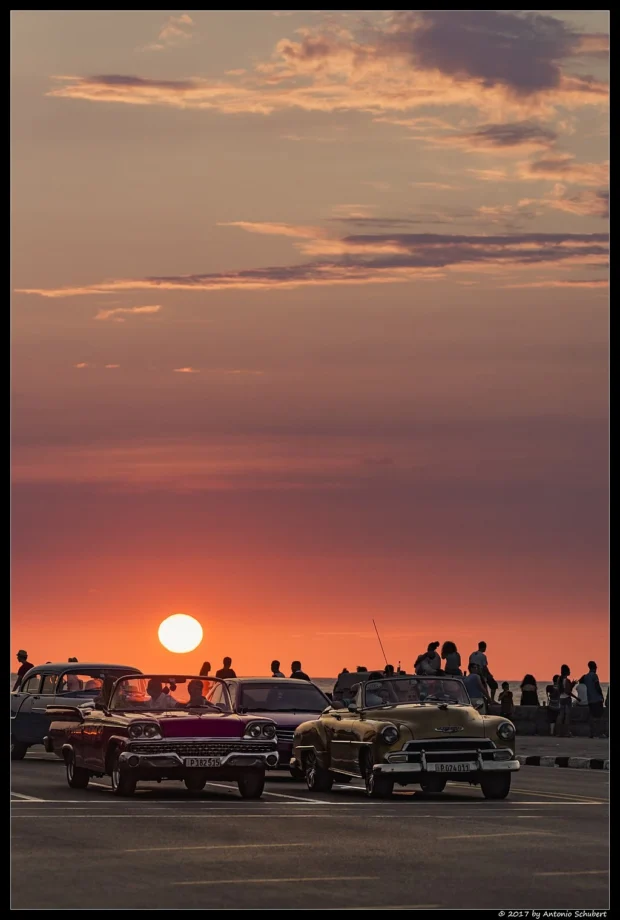
Weekends are lively with street performances and occasional festivals, but this can also mean larger crowds. For those seeking a quieter experience, weekdays just before sunset offer the perfect balance of atmosphere without the crush.
Weather and Comfort Tips
- Bring a light jacket for the cool ocean breeze in the evening.
- Wear comfortable shoes; the promenade is long and best enjoyed on foot.
- Carry some cash for street snacks and local crafts; card payments are rare here.
Booking a Guided Tour or Roaming Freely
Guided tours along the Malecón provide rich context, weaving historical facts with tales of the people who made the wall their playground. Many tours also combine visits to nearby landmarks such as Castillo del Morro or the Old Havana district. If you prefer wandering on your own, the Malecón’s layout and local energy are intuitive and welcoming, making self-guided exploration both safe and rewarding.
For a fuller taste of Havana’s spirit, wander the colorful streets of Old Havana, where history and daily life merge beautifully.
Reservations for popular guided experiences can be made through local agencies or guesthouses. Opt for tours that include a local guide; their stories add soul to the walk. For those who decide to roam independently, stay alert after sunset and try to walk in well-lit, populated sections.
Quirky Facts and Local Legends Along the Wall
Did you know the Malecón once hosted an impromptu roller-skating race that ended with a splash into the sea? Or that it inspired songs and poems still sung by Havana’s street musicians? Some say the seawall carries the sound of waves that once whispered secrets from distant shores, bringing stories from sailors and travelers long gone.
Keep an eye out for the colorful fishing boats bobbing in the water or the spontaneous art installations created by youth groups. Each visit can reveal new surprises, making the Malecón feel like an ever-changing canvas painted by its community.
Useful Resources and Official Information
For current events, guided tour bookings, and official updates about the Malecón and Havana’s cultural calendar, the city’s main tourism portal offers detailed information. You can visit the official homepage of Havana’s tourism authority for trustworthy guidance and to plan ahead.

Backpacker exploring budget-friendly destinations while volunteering around the world.
- Jumping off the Malecon in Havana Cuba by Mennonot on Wikimedia Commons – cc by-sa 3.0
- DJI 0197 crp wiki by RenaatPeeters on Wikimedia Commons – cc by-sa 4.0
- Havana (Cuba, February 2023) – 81 by Bruno Rijsman on Wikimedia Commons – cc by-sa 2.0
- Dawlish Seawall with sea breaking over railway – geograph.org.uk – 3251882 by stewart michael on Wikimedia Commons – cc by-sa 2.0
- El Malecón de La Habana (38968241964) by Antonio Schubert from Rio de Janeiro, Brasil on Wikimedia Commons – cc by-sa 2.0
- El Malecon Havanna Sunset (16443824281) by Ashu Mathura from Amsterdam, The Netherlands on Wikimedia Commons – cc by-sa 2.0


_-_81.jpg)

.jpg)
.jpg)