
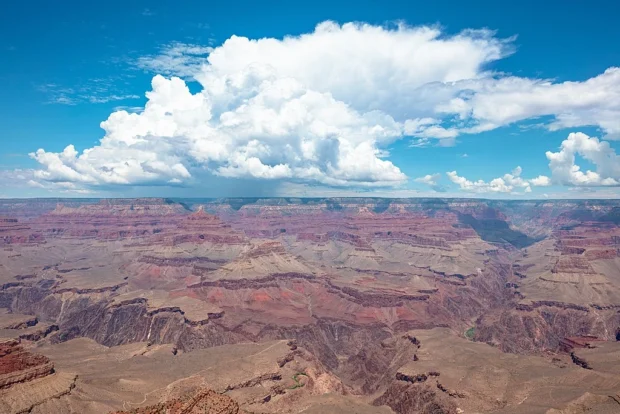
The Grand Canyon South Rim stands as a breathtaking gateway to nature’s grandeur, carving a deep impression into the soul of anyone who visits. Nestled in northern Arizona, this vast canyon invites wanderers from all corners of the world to pause, breathe, and take in its sculpted cliffs, meandering river below, and the ancient stories whispered by the wind. Whether you’re drawn by the promise of panoramic views, rugged hiking trails, or the subtle dance of light across layered rock, the South Rim offers a timeless space to connect with nature, with history, and with yourself.
Table of Contents
Setting Out Toward the Grand Canyon South Rim
Approaching the South Rim is part of the journey’s charm itself. The closest major gateway city is Flagstaff, about 80 miles south of the canyon’s edge. From Flagstaff, the drive along Highway 180 follows winding roads shaded by ponderosa pines and occasional glimpses of wildlife, arriving at the canyon in roughly 1 hour and 30 minutes.
For those flying in, Flagstaff Pulliam Airport is the nearest, though smaller and with limited flights. Larger hubs like Phoenix Sky Harbor International Airport and Las Vegas McCarran International Airport sit a few hours’ drive away but offer a wider selection of flights and car rentals.
If relying on public transportation, National Park Shuttle services operate seasonally from nearby towns, while private shuttles and guided tours from cities like Phoenix and Las Vegas provide options to leave behind the driving and simply absorb the scenery.
Finding a Place to Rest Nearby
Near the South Rim, accommodations range from rustic lodges to campgrounds surrounded by towering pines and whispering breezes. Many visitors choose quiet cabins or small inns nestled in the forest, where mornings begin with bird songs and the scent of earth and pine needles. Booking early is wise, especially in the busy spring and fall seasons when the landscape is met with soft light and moderate temperatures.
Sampling Local Flavors
Within the Grand Canyon Village, eateries offer simple yet hearty meals inspired by the Southwest think warm cornbread, spiced chili, and freshly brewed coffee to fuel your day of wandering. For a taste of the region beyond the rim, small towns like Tusayan feature restaurants serving Navajo tacos and southwestern specialties made with local ingredients, grounding one’s appetite in the land’s rich culinary heritage.
The Grand Canyon’s Ancient Layers and Living History
The story etched into the canyon walls stretches back over 2 billion years, a living timeline displaying vividly colored rock layers formed by shifts in climate, sea levels, and volcanic activity. Each stratum tells part of the Earth’s vast history, visible in bands of reds, oranges, and purples that glow differently with the sun’s arc.

This vast expanse also holds deep cultural significance. The Grand Canyon has been home to Indigenous peoples for thousands of years, including the Havasupai, Hopi, Hualapai, Navajo, and Zuni tribes. Their stories, traditions, and spiritual connection to the land add a profound layer to the canyon’s meaning beyond its geological beauty.
When to Wander and How to Prepare
The South Rim’s climate varies dramatically with the seasons, and picking the right time to visit enhances the quietude and wonder. Early spring and late fall invite softer light, gentler crowds, and crisp air, ideal for steady hikes along the rim or into the canyon’s depths. Summer brings long days but also higher temperatures and busier trails; arriving early or late in the day offers cooler pockets of solitude.
Weekdays tend to be less crowded than weekends and holidays, transforming the park into a slower, more reflective space where the spray of the Colorado River and distant calls of ravens dominate the soundscape.
- Bring layered clothing to adjust to temperature shifts.
- Pack water, snacks, and sun protection for trail ventures.
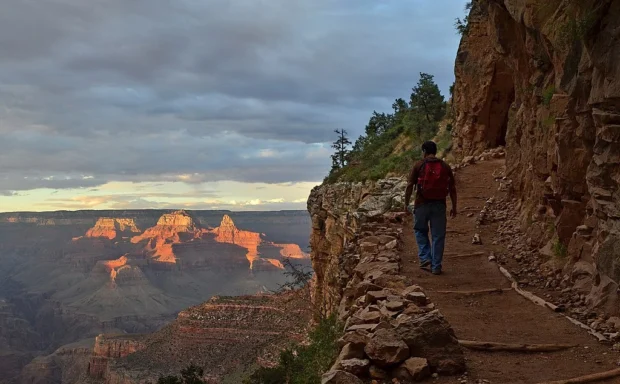
- Wear sturdy shoes paths range from paved viewpoints to rugged, uneven track.
- Respect wildlife by observing from a distance and not feeding animals.
Booking Tours and Navigating Park Requirements
The Grand Canyon National Park operates with a focus on conservation and visitor safety. While the South Rim has a visitor center with maps, exhibits, and ranger talks, many guests opt for guided tours to delve deeper into the canyon’s natural and cultural layers. These tours range from easy hikes led by park rangers to mule rides descending into the canyon, and even helicopter flights offering aerial perspectives.
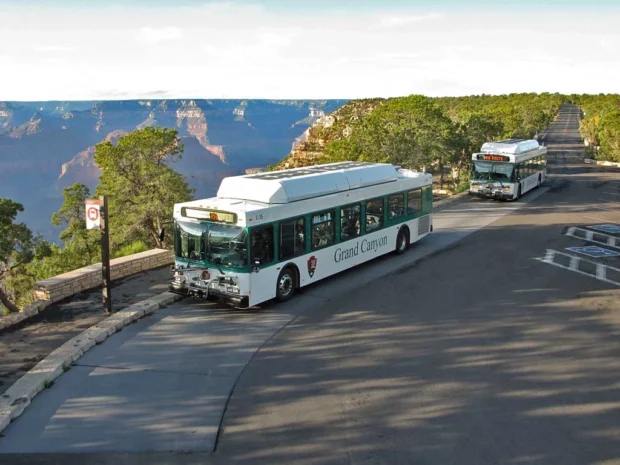
Reservations for popular activities, including campgrounds and mule rides, should be made well ahead of your trip. The shuttle bus system within the park operates without charge and is a wise option to avoid parking challenges and lessen environmental impact.
Quiet Moments and Hidden Corners Away from Crowds
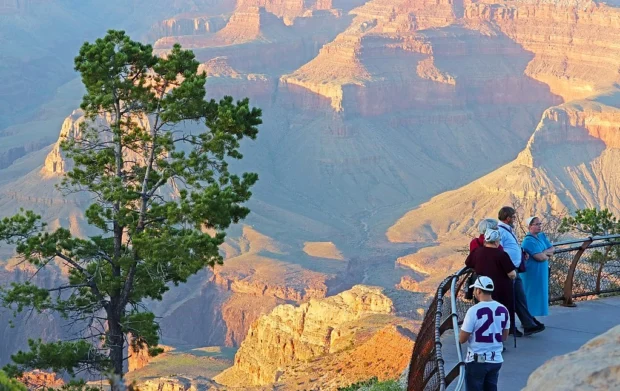
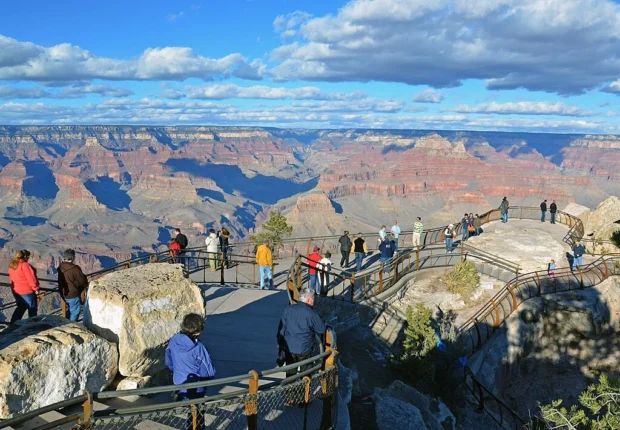
Beyond the well-trodden viewpoints like Mather Point and Yavapai Observation Station, there are quieter corners along the rim and on lesser-known trails where time seems to extend, and the canyon’s moods change with the shifting sunlight and breeze. A gentle walk along the Rim Trail reveals hidden pockets of wildflowers and offers chances to hear the soft rustling of the wind through junipr branches.
Sometimes, as twilight descends, the canyon’s walls deepen into cool shadows, stars emerge in unmistakable clarity, and the air fills with the smell of pine and earth. In these moments, the Grand Canyon becomes more than a place seen; it becomes a place felt deeply, a reminder of nature’s calm grandeur and the passage of time.
For those drawn to natural wonders within the Grand Canyon, reading about the remarkable Havasu Falls adventure reveals a stunning waterfall and cultural story worth knowing.
For Further Planning and Details
For official information, park alerts, shuttle schedules, and detailed maps, visit the National Park’s well-curated portal, Grand Canyon National Park. Their site offers updates on trail conditions, permits, and advice for a responsible visit, ensuring your time here is safe, respectful, and full of cherished memories.

- Clouds over Grand Canyon by Thomas Wolf, www.foto-tw.de on Wikimedia Commons – cc by-sa 3.0
- Grand Canyon, South Rim IMG 4939 by Don McCulley on Wikimedia Commons – cc by-sa 4.0
- Grand Canyon National Park Shuttle Buses at Hermits Rest 5770 (4923635073) by Grand Canyon National Park on Wikimedia Commons – cc by 2.0
- Desert View Watchtower, Grand Canyon 9-15 (21272245233) by Don Graham from Redlands, CA, USA – God bless it! on Wikimedia Commons – cc by-sa 2.0
- Grand Canyon National Park Bright Angel Trail – Sunset 0162 (6924462211) by Grand Canyon National Park on Wikimedia Commons – cc by 2.0
- 0059 Grand Canyon Mather Point Improvements (5373762649) by Grand Canyon National Park on Wikimedia Commons – cc by 2.0


.jpg)
.jpg)
.jpg)
.jpg)