
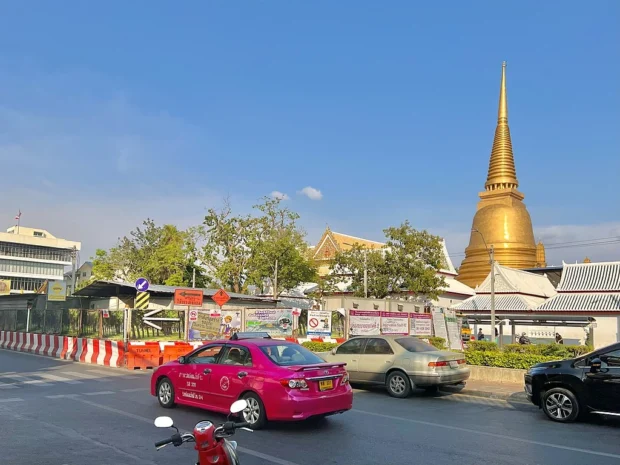
Bangkok fills the senses and soothes the spirit, even while its many contrasts keep you on your toes. I arrived under the soft haze of a June morning, stepping out of the station into air thick with the scent of fried garlic and exhaust, both oddly comforting. The city’s sound part temple bell, part motorbike welcomed me. I had heard tales of endless traffic, of golden shrines and river markets, but nothing compared with the living, breathing city before me. Each corner felt like a patchwork: modern glass towers beside tiny shrines, palms and tangled wires, monks in orange robes moving quietly past neon billboards. Bangkok’s heart beats with heat and color, yet its quiet places, too, leave a mark.
Table of Contents
Arrival and Getting Around Bangkok
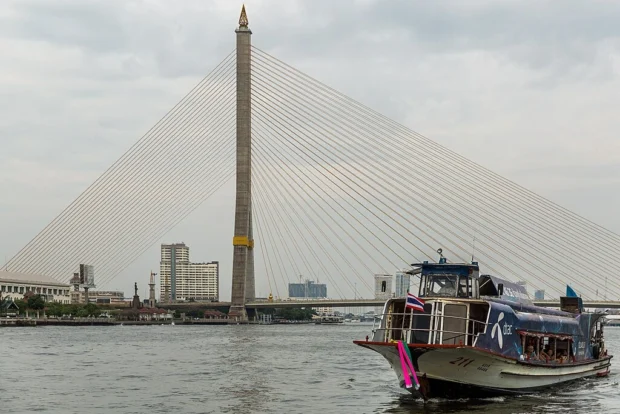
Suvarnabhumi Airport, a gateway that never truly sleeps, is both modern and efficient. From here, getting to the city center is swift on the Airport Rail Link, which connects directly to the BTS Skytrain system. This network elevated above lively streets makes travel easy. Bangkok’s Metro (MRT) runs under the city, linking many districts. River journeys, especially along the Chao Phraya River, offer a slower perspective. I often used the public river ferry, watching city life unfold along the banks as temples, markets, and shimmering towers slipped by. Tuk-tuks buzz everywhere, but for quiet travel, I slipped into side alleys on foot, where the air cooled and the city’s secrets revealed themselves.
Grand Palace: Bangkok’s Golden Heart
My first stop was the Grand Palace, a place that is both the spiritual and ceremonial center of Thailand. The palace grounds are breathtaking spires gleaming with mirrored tiles, roofs in green, orange, and gold. Walking beneath the hot sun, I admired the intricate murals that tell ancient stories, while the Emerald Buddha carved from a single jade stone sits in silent grace inside Wat Phra Kaew, drawing pilgrims and visitors alike. Shoes off, shoulders covered, I felt the gravity of tradition. Elder monks whispered “sawasdee” (hello) as they passed, and their peace was contagious. The palace crowds ebbed and flowed, but in the shaded arcades, the city faded away.

Wat Arun’s Morning Light Over the River
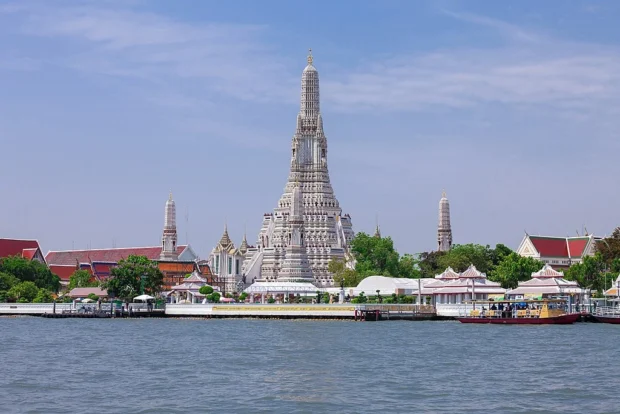
Crossing the broad Chao Phraya River by ferry, I arrived at Wat Arun, the Temple of Dawn. Its porcelain-tiered stupa sparkled in the morning sun, reflecting in the water below. Climbing narrow steps, I paused often partly from the steepness, partly for the view. Bangkok stretched in every direction, a low hum against the river breeze. Wat Arun is less crowded than the Grand Palace, and in the early hours, monks sweep the grounds, offering “khop khun” (thank you) for each small kindness. From here, the city’s energy feels gentle, softened by the river and the rhythmic sweep of brooms on stone.
For a peaceful start, visit Sunrise Serenity at Wat Arun to see Bangkok’s Temple of Dawn bathed in morning light.
Wat Phra Kaew: The Sacred Emerald Buddha
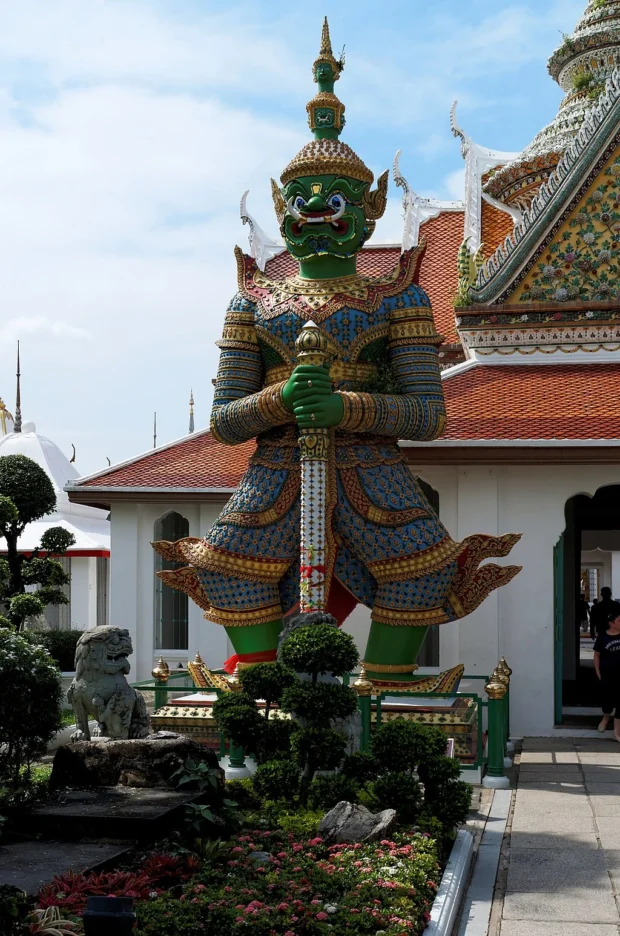
Nestled inside the Grand Palace is Wat Phra Kaew, or the Temple of the Emerald Buddha. This is Thailand’s most sacred Buddhist temple, home to the revered Emerald Buddha, which changes its golden robes according to the season. The interior is calm and cool, even on the hottest day. Locals bow quietly, offering lotus flowers and incense, and I joined them in stillness. The murals here tell the Ramakien epic Thailand’s version of the Indian Ramayana detailed with mythical beasts and forest spirits. Each scene seemed to whisper old stories, reminding me that behind the city’s rush is a culture steeped in myth and gentle faith.
Explore the sacred Wat Phra Kaew temple complex next, where the revered Emerald Buddha and royal traditions bring Bangkok’s spiritual heart to life with artistry and history Wat Phra Kaew temple complex.
Bangkok’s Colorful Markets and Handicrafts
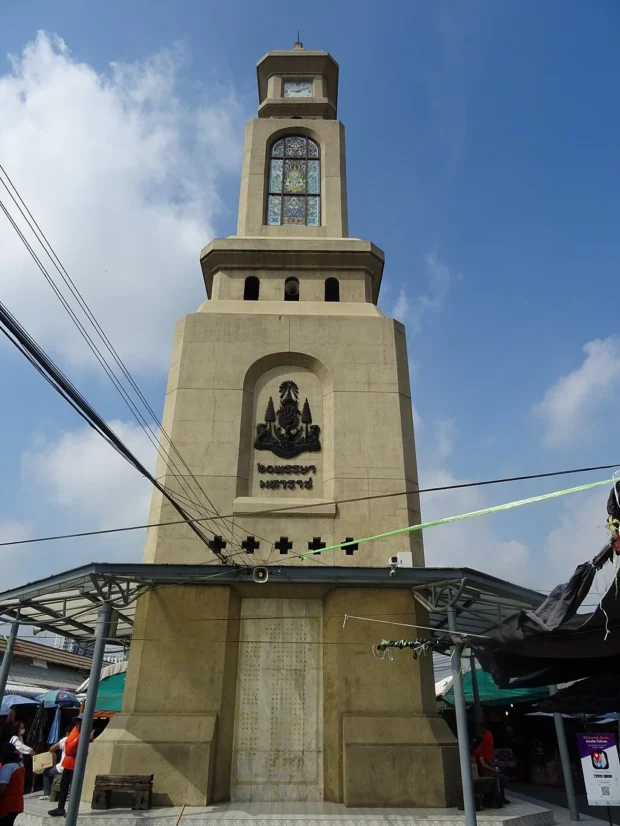
No trip would be complete without wandering the famous Chatuchak Market, a labyrinth that truly tests your sense of direction. On weekends, this market bursts with noise and fragrance grilled satay, fresh mango, steaming noodles, the earthy aroma of hand-woven baskets. I spoke to local artisans about their craft, learning that many stalls are family-run. Some sell intricate ceramics, others delicate flower garlands, all part of Bangkok’s legacy of traditional crafts. Here, I tried “pad thai” with tamarind tang, and “som tam” spicy papaya salad that set my lips tingling. If you smile and say “aroi” (delicious), you’ll light up every vendor’s face.
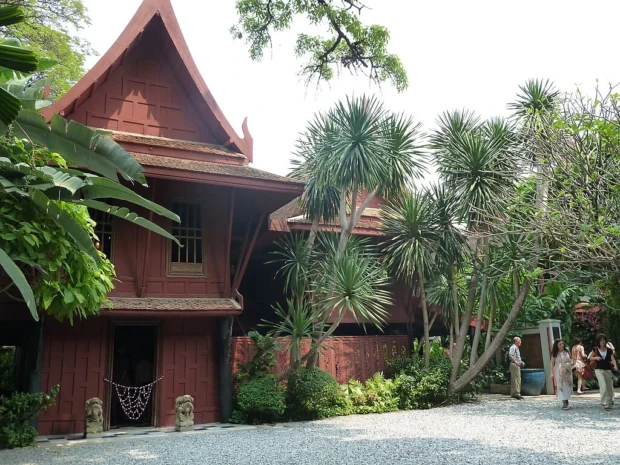
The Jim Thompson House is another hidden corner of the city a serene garden home once owned by an American silk entrepreneur. It is lush, shaded, filled with antiques, and small stories. The architecture blends Thai woodwork with Western comforts, and guides share tales of Jim Thompson’s mysterious disappearance in the Malaysian jungle. The quiet here is profound a welcome pause from the market’s commotion.
Evenings by the River and Nightlife Flavors
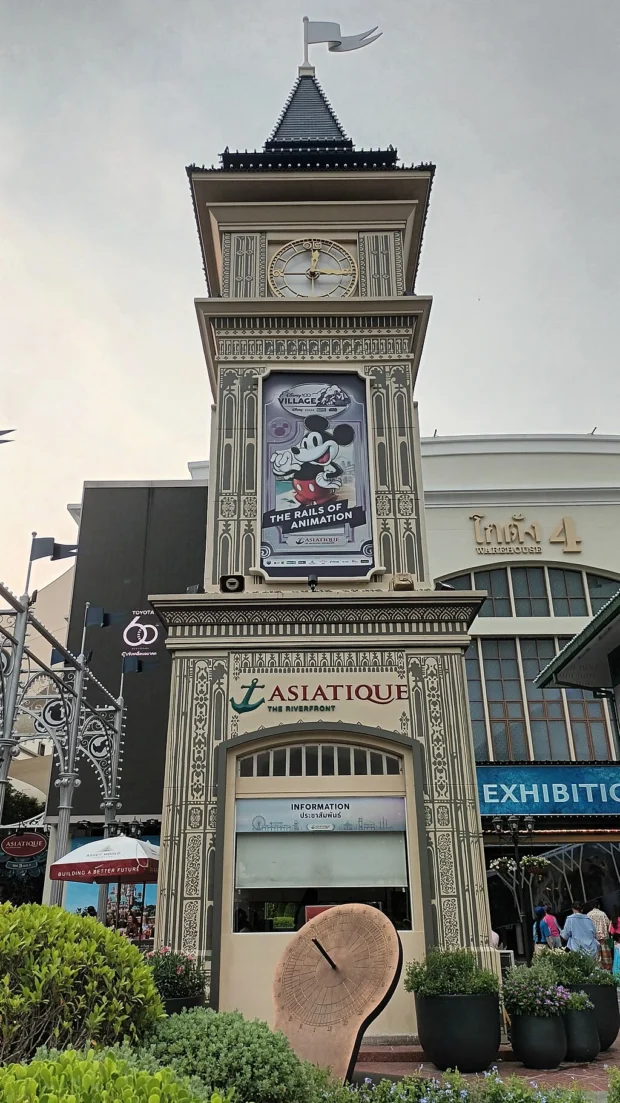
When dusk falls, Asiatique The Riverfront wakes up a waterfront market and promenade where lights twinkle on the water and cool breezes mix with music. Here, families stroll alongside couples and groups of friends, pausing at street food carts for skewers of grilled prawns or sweet coconut pancakes. Dancers perform on open stages, while the ferris wheel spins above, offering a sweep of city lights.
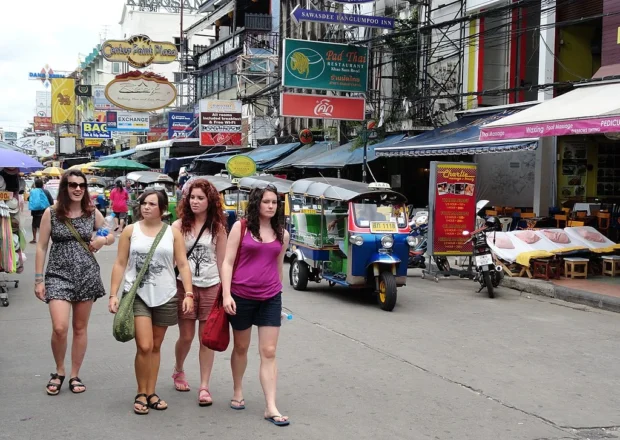
A quick hop along the river brings you to Khao San Road, which, despite its reputation for noise, holds unexpected quiet corners hidden cafés with hammocks, old book stalls, and stalls selling sticky rice with mango. If you want a taste of Bangkok’s backpacker pulse, this is the place. I found the food here inventive fusion curries, fresh herbal drinks served with a word of “chai” (yes) and a laugh from the young cooks.
Green Retreats and Local Life in the City
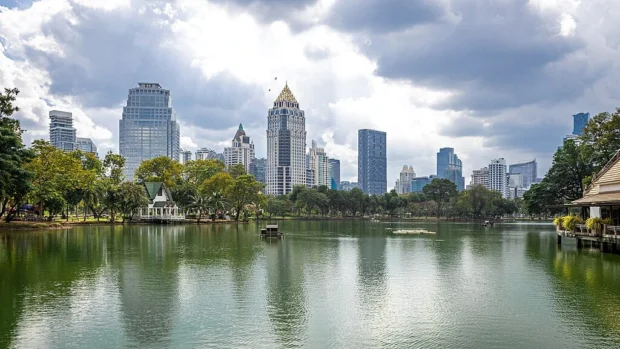
Whenever Bangkok’s rush became too much, I sought green spaces. Lumphini Park, in the city’s heart, welcomes joggers, tai chi groups, and picnicking families under tall trees. Morning is the best hour, when monitor lizards slip into the lake and locals run laps before the day’s heat sets in. I joined an elderly group for gentle stretching, sharing smiles and a few words. Though we spoke mostly in gestures, I learned respect is shown by a slight bow, the “wai” gesture with hands pressed together.
Walking the city’s side streets, I found neighborhoods where old shophouses line quiet canals, and the scent of jasmine hangs in the dusk Street vendors here remember your face, and a return visit means a bigger portion and a softer price. This is where Bangkok’s gentle resilience lives—in its daily routines, its open smiles, and its quiet corners untouched by noise.
Modern Shopping and Craft Collecting
Bangkok is also known for its modern malls, and the MBK Center is a city landmark. It’s a dizzying maze, packed with electronics, fashion, souvenirs, and handmade jewelry. For a break, I would slip into a small café for an iced coffee, watching high school students giggle over their phones. Bargaining here is expected but always friendly. If you pause to ask about an item’s story, the seller will often tell you where it was made, or how the design links to a village or family craft tradition.
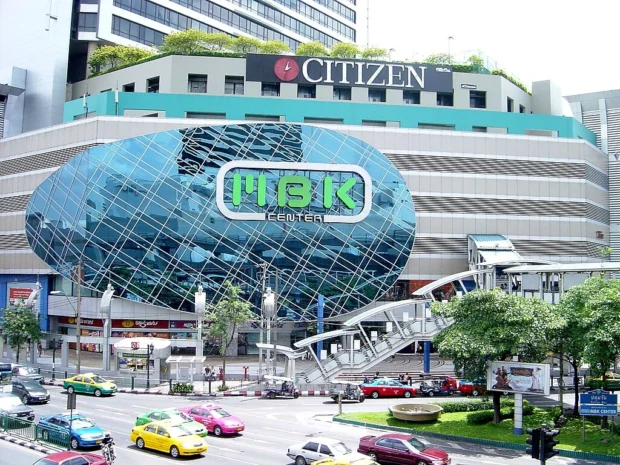
Many shops offer textiles sewn by minority communities from northern Thailand. As someone interested in rural economies and traditional crafts, I appreciated how the city weaves these distant stories into its fabric. If you seek souvenirs, ask for items that support small-scale producers. Often, you will find cooperative stands, and sometimes, proceeds help local schools or craftspeople.
Eating Well in Every District
Bangkok’s food is a story told dish by dish, old and new side by side. In Sukhumvit, I sampled coconut chicken soup the Thai classic “tom kha gai” which was both fresh and comforting. Chinatown (Yaowarat) is a universe in itself: roast duck shops, stands with pork buns, and alleyways dotted with herbal tea sellers. Here, night markets offer frog porridge and sticky rice balls, flavors that run deep with immigrant history.
I became a regular at a small noodle stall near Victory Monument, where the cook, a wiry man with a shy smile, greeted me each morning. The soup changed with the day’s catch sometimes fish balls, sometimes roast pork. “Gin khao” (let’s eat) he would say, and the meal became a moment of quiet community. Bangkok’s food is shaped by its rivers, fields, and the people who migrate from all corners of the country, bringing family recipes and local herbs. Seasonal fruit rambutan, mango, lychee fills the markets, and even in the hottest months, a wedge of chilled watermelon brings relief.
Culture, Customs, and Community Exchange
Bangkok thrives on gentle respect and shared space. Removing shoes before entering temples and some homes is a quiet sign of respect. Dress modestly at sacred sites covered shoulders and knees are expected and a light scarf in your bag is often useful. A smile is a universal language, and in Thailand, it eases every exchange even the trickiest price negotiation. Most people appreciate when travelers try a few simple Thai words, even if the accent is rough.
I noticed that public affection is rare, while heartfelt greetings like “sawasdee” with a slight bow are everywhere. At meal times, it is polite to wait for an invitation before eating. In rural markets, people share stories over rice, and the kindness is quiet but real. Bangkok’s pulse is quick, but its heart moves at a slower, more thoughtful rhythm.
Sustainability, Seasons, and Small-Scale Hosts
Bangkok faces real challenges overcrowding, pollution, and the pressures of rapid change. Yet, many residents are embracing carbon-conscious choices, like refillable water stations and community gardens on rooftops. Seasonal travel matters here: the cool season, from November to February, offers the easiest days for walking and open-air markets, while the hot months invite slower mornings and cool river breezes in the evenings.
For accommodation, I found staying in smaller guesthouses near river or canal districts helped me connect with local hosts. Often, breakfast was home-cooked rice with fruit, and hosts shared advice on walking routes or village day-trips outside the city. These small-scale stays support local economies and create real exchange. If you ask about crafts or local produce, you may be invited to see where they are made or grown.
Quiet Moments and Bangkok’s Gentle Spirit
One evening, sitting by the river at sunset, a monk paused beside me. We watched ferries cross the golden water, both content in silence. I thought of Bangkok’s contradictions its rush, its rest, its layers of old and new. This is a city that breathes change but roots itself in tradition. The words “mai pen rai” (never mind, it’s okay) capture something deep here a softness, an acceptance of life’s flow.
The serene beauty and historic grace of Kyoto’s Kiyomizu-dera offers a peaceful contrast to Bangkok’s vibrant bustle.
Bangkok is more than its headline sights it is found in its side streets, its gentle mornings, its resilience in the heat, and its laughter at night markets. Each day, I left something behind: hurry, worry, the urge to see everything. In their place, I carried the city’s rhythm a mix of incense, jasmine, footsteps, and river breezes. Bangkok’s spirit lingers long after the flights depart, calling you softly to return.

Minimalist traveler documenting slow journeys focused on mindfulness and sustainability.
- Bangkok, Thailand, March 2023 – Buddhist temple and motor vehicles by Sharon Hahn Darlin on Wikimedia Commons – cc by 2.0
- Grand Palace Bangkok Thailand by Wolfgang Holzem / https://ehalal.io/ on Wikimedia Commons – cc by-sa 4.0
- Phra Prang Wat Arun during day byThis Photo was taken by Supanut Arunoprayote.Feel free to use any of my images, but please mention me as the author and may send me a message. (สามารถใช้ภาพได้อิสระ แต่กรุณาใส่เครดิตผู้ถ่ายและอาจส่งข้อความบอกกล่าวด้วย)Please do not upload an updated image here without consultation with the Author. The author would like to make corrections only at his own source. This ensures that the changes are preserved.Please if you think that any changes should be required, please inform the author.Otherwise you can upload a new image with a new name. Please use one of the templates derivative or extract. on Wikimedia Commons – cc by 4.0
- 20171201 Bangkok Wat Arun 6460 DxO by Jakub Hałun on Wikimedia Commons – cc by-sa 4.0
- Chatuchak clock tower by Christophe95 on Wikimedia Commons – cc by-sa 4.0
- Jim Thompson House Bangkok P1110293 by Deror_avi on Wikimedia Commons – cc by-sa 3.0
- Asiatique The Riverfront 02 by Boonlert on Wikimedia Commons – cc0
- Bangkok, Khao San Road (6223050207) by Fabio Achilli from Milano, Italy on Wikimedia Commons – cc by 2.0
- Lumphini Park (I) byThis Photo was taken by Supanut Arunoprayote.Feel free to use any of my images, but please mention me as the author and may send me a message. (สามารถใช้ภาพได้อิสระ แต่กรุณาใส่เครดิตผู้ถ่ายและอาจส่งข้อความบอกกล่าวด้วย)Please do not upload an updated image here without consultation with the Author. The author would like to make corrections only at his own source. This ensures that the changes are preserved.Please if you think that any changes should be required, please inform the author.Otherwise you can upload a new image with a new name. Please use one of the templates derivative or extract. on Wikimedia Commons – cc by 4.0
- MBK Bangkok 1 by Christian Henrich on Wikimedia Commons – cc by-sa 2.5
- Chao Phraya River, Bangkok, Thailand 2 by Ninara from Helsinki, Finland on Wikimedia Commons – cc by 2.0


.jpg)
.jpg)

