
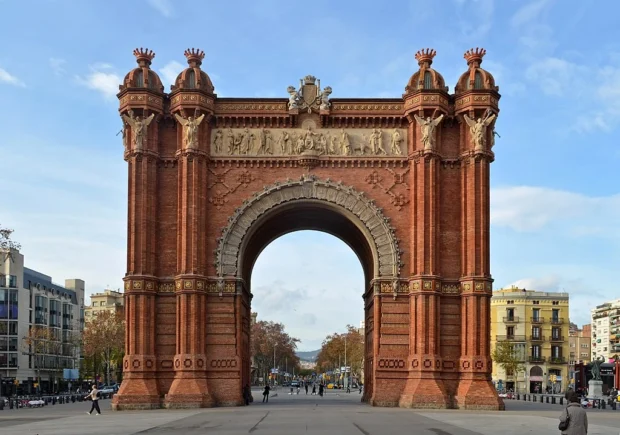
Arriving in Barcelona is like falling into a living painting. The city hums with color, movement, and a certain Mediterranean light that makes even shadows look inviting. As a writer who wandered these streets, I found Barcelona to be more than a checklist of attractions. Each corner holds a story; every block reveals a surprise. This metropolis rewards slow walks, quiet café moments, and sudden laughter from everyday chaos. Whether you’re searching for Gaudí’s breathtaking cathedrals, a plate of seafood, or the murmur of an old plaza at dusk, Barcelona is a city that lingers in your senses and memory.
Table of Contents
Life Flows on La Rambla
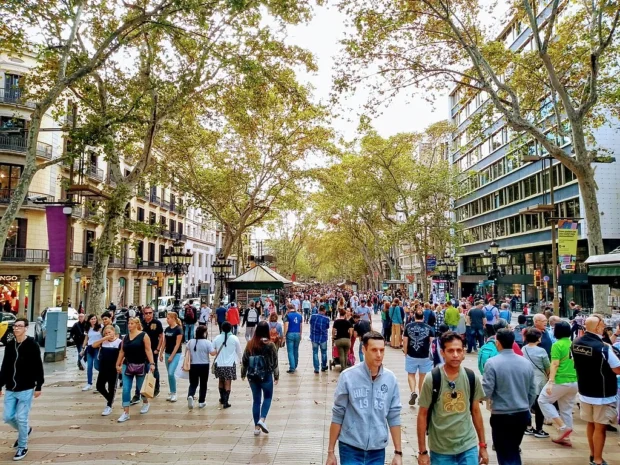
To begin, I always found myself pulled towards La Rambla. This boulevard slices through the city like a bright artery, pulsing with flower stalls, street artists, and the hopeful aroma of roasted chestnuts. Locals and tourists merge here in a slow parade. One morning, while sipping cortado at a terrace, I watched a pair of grandmothers bargain over gladiolus stems, a street mime freezing mid-step, and a group of students sketching the trees overhead. This is not just a road; it’s Barcelona’s stage, with drama, comedy, and a touch of mischief in each hour.
Step into the famous Boqueria Market just off La Rambla. The market is a tangle of sensory delights shouts of vendors, sharp scent of jamón, vivid pyramids of oranges and cherries. I once asked a butcher for advice on local cheese and received a free tasting and a story about his grandmother’s farm in Girona. Barcelona’s markets are not only places to buy food but also to learn about families, feasts, and the city’s stubborn pride in its flavors.
The Marvel of Sagrada Familia
It is impossible to discuss Barcelona without mentioning Sagrada Familia. This basilica, dreamt up by Antoni Gaudí, rises above the city like a vision from another world. Its towers twist and branch, resembling sandcastles and forests at once. I remember standing beneath its ceiling, where colored light pours through stained glass, turning stone into a kaleidoscope. The construction cranes are always there, a reminder that this is a living project, still growing more than a hundred years later.

Gaudí worked on the Sagrada Familia until his final days, and the details inside reflect his devotion. Columns fan out like trees, and carvings tell stories from the Bible and Spanish nature. On a quiet afternoon, the hush inside feels sacred even as tourists tiptoe and school groups gawk upward. For a few moments, you might believe the city itself is breathing through these walls.
Explore detailed insights and visiting tips in our guide to Sagrada Familia, enriching your understanding of this iconic basilica.
Gaudí’s Legacy: Park Güell and Casa Batlló
Gaudí’s imagination also shaped Park Güell. Perched high on Carmel Hill, the park is a mosaic wonderland serpentine benches, gingerbread-like gatehouses, and a sweeping view of the city to the Mediterranean. I strolled early one morning, sharing the quiet with drowsy cats and an elderly couple reading the newspaper. Even the air here feels playful, as if the city’s spirit can never be serious for long.

Down in the Eixample district, Casa Batlló stands as a bold testament to Gaudí’s genius. Its wavy façade and shimmering tiles make it seem alive, like a building built by the sea itself. One rainy day, I ducked inside to escape a downpour and found myself tracing the curve of a blue-tiled staircase, feeling as if I’d wandered into a fairytale. The rooftop, with its dragon-back spine, reminded me that Barcelona’s architecture loves to surprise and delight.

Gothic Quarter: Alleys, Cafés, and Whispers
The Gothic Quarter is a labyrinth of narrow alleys, centuries-old stone, and hidden squares. Here, the past is not dust but a living companion. I spent hours wandering, letting my feet decide the route. Small artisans sell handmade journals and delicate jewelry in shopfronts unchanged since the Middle Ages. At Plaça Reial, night owls gather beneath glowing lanterns, and musicians fill the air with Spanish guitar.
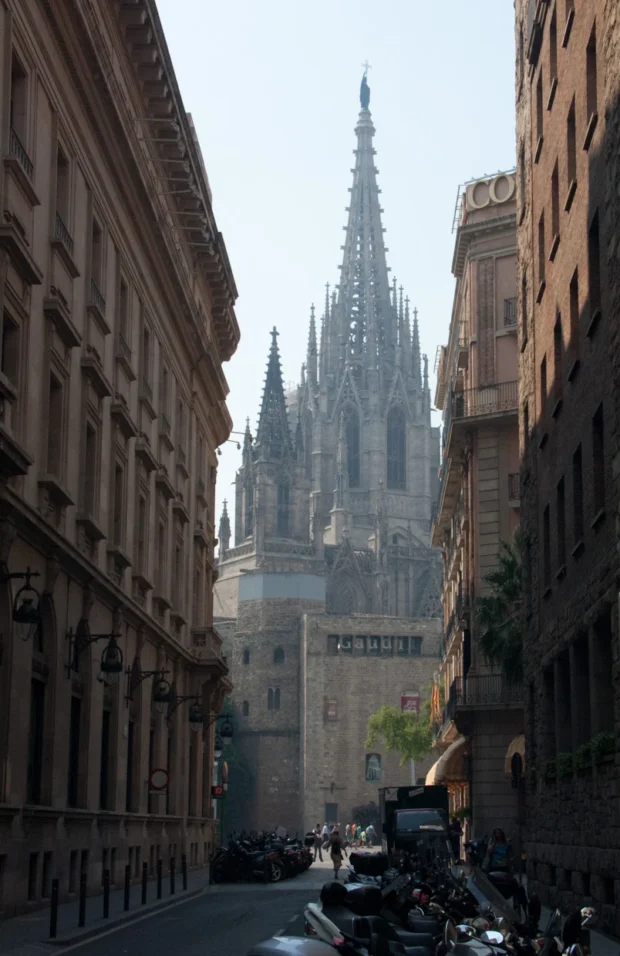
One evening, I stumbled upon a tiny literary café. The owner recited poetry in Catalan, and the regulars nodded in quiet approval. Here, the old city invites you to slow down and listen to the footsteps on ancient stones, the distant church bells, and the low laughter from a hidden courtyard.
Art, Music, and the Unexpected
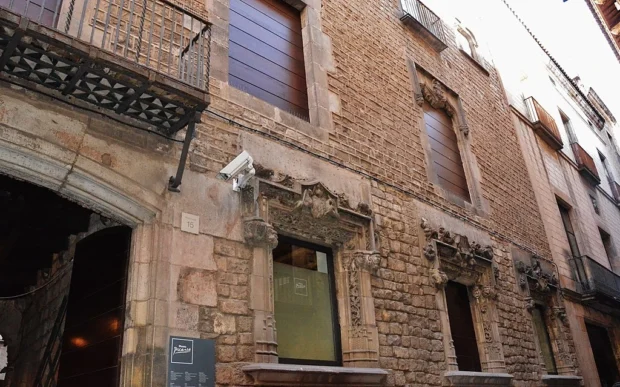
For a true taste of Barcelona’s creative soul, I wandered into the Picasso Museum, tucked in a series of medieval mansions. The collection is vast, but the highlight for me was seeing Picasso’s early sketches. It’s easy to forget that even masters start somewhere, and these rooms remind you that art is as much about struggle as brilliance.
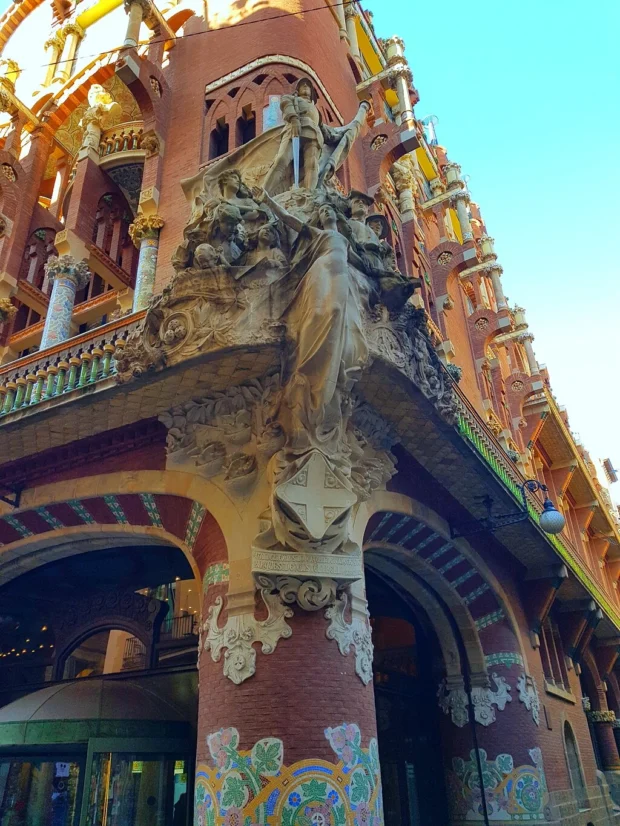
Not far away, the Palau de la Música Catalana glows with stained glass and ornate columns. If you can, catch a concert here the acoustics and atmosphere are magical. I once heard a flamenco performance that made the mosaic ceiling seem to tremble with energy. Even if you’re not a music lover, the building itself is worth a visit for its riot of color and detail.
The City’s Urban Pulse and Open-Air Life
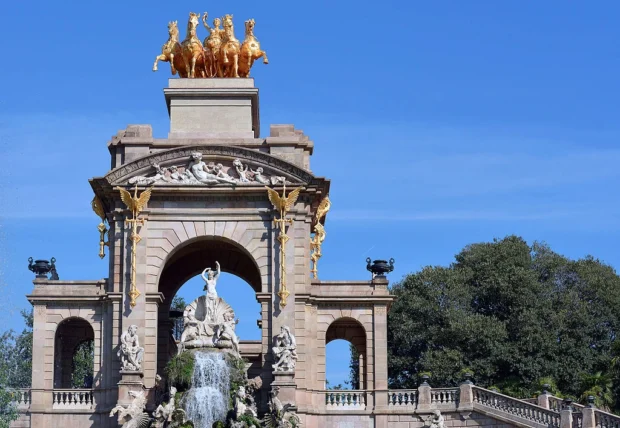
Barcelona’s heartbeat is felt outdoors in its parks, hills, and wide avenues. Ciutadella Park is the city’s green lung. Locals gather beneath palm trees to picnic, play music, or row boats on the small lake. On weekends, I joined families feeding ducks, students practicing circus tricks, and an elderly group dancing sardanas (the city’s traditional circle dance).
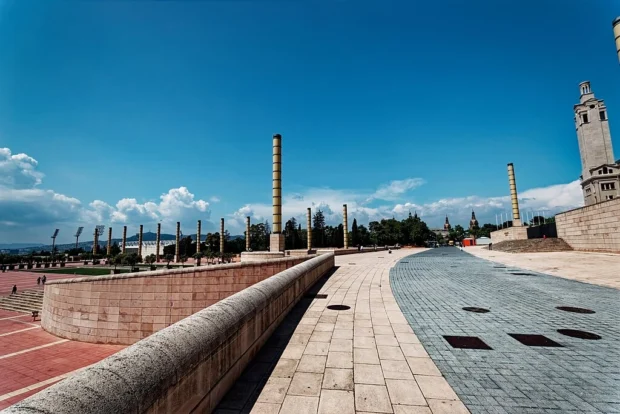
For the best city view, take the funicular up Montjuïc. The hill offers museums, gardens, and the Poble Espanyol a curious “Spanish village” built for the 1929 World’s Fair. It’s a patchwork of architecture, with artisans weaving, painting, or forging iron in little workshops. At sunset, I watched the Magic Fountain light up with music and color a spectacle that made even the most cynical teenagers clap.
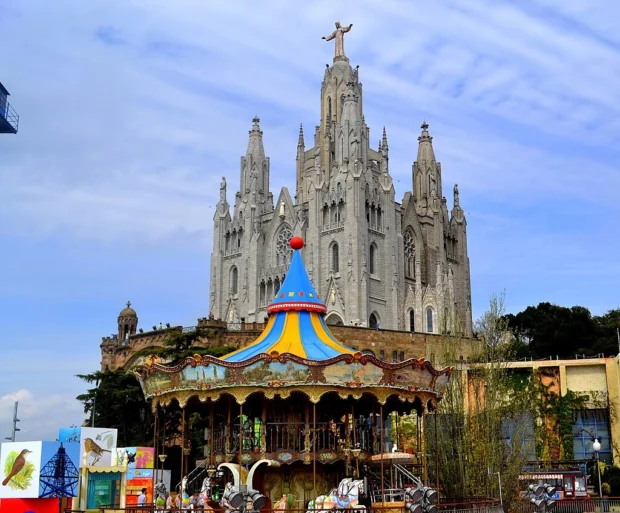
Another day, I rode the metro north to Tibidabo. Here, an old amusement park crowns the city’s highest point. The Ferris wheel and vintage rides are charming, but the real treasure is the panorama Barcelona, blue sea, and all, laid out like a map. There’s a 20th-century church on the summit, its statue of Christ watching over the city. On windy days, you can almost feel the city’s history swirl around you.
Barcelona’s Beachside and Football Passion
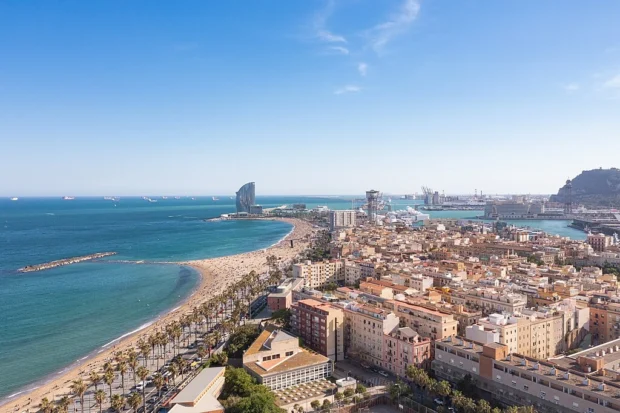
No visit is complete without seeing Barceloneta Beach. I spent many afternoons here, toes in the sand, watching locals play paddle tennis and children build sandcastles. The promenade is lined with seafood restaurants where platters of paella and grilled octopus are served alongside chilled glasses of vermouth. Even in winter, the air smells of salt and sunshine.
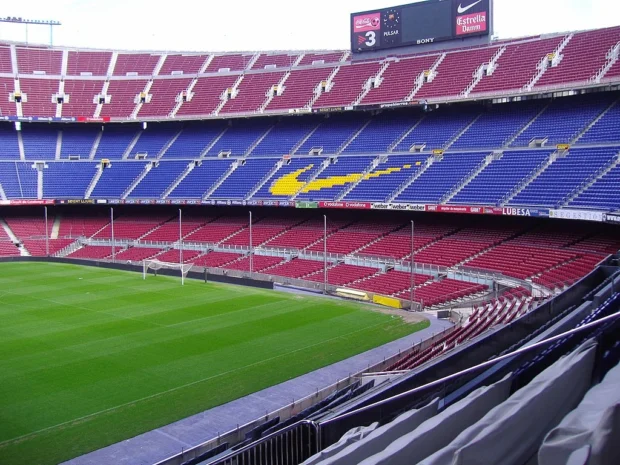
Football is nearly a religion here. Camp Nou, home to FC Barcelona, is more than a stadium it’s a cathedral for fans. On match days, the city buzzes with blue-and-maroon scarves. I attended a game once, and the atmosphere was electric chants, cheers, and that delicious tension before a goal. The sense of belonging, even for a visitor, is hard to describe but easy to feel.
Barcelona’s Artisanal Food and Coffee Traditions
Barcelona’s culinary world is a feast for the curious. Each district has its specialties: in Gràcia, I found bakeries selling ensaimadas (sweet pastries) dusted with sugar; in El Born, tapas bars offer everything from anchovies to croquetas. Sitges and Montjuïc markets sell artisan cheese and honey, while Poblenou’s modern cafés serve up flat whites alongside churros.
Coffee is an art here, but don’t expect a giant cup. Locals prefer cortado small, intense, and always sipped slowly. I learned to read the morning paper over a cortado and a flaky pastry, often sharing a table with retirees discussing football or politics. Tiny chocolate shops, like those in the Gothic Quarter, serve thick hot chocolate almost a pudding with churros for dipping. You’ll notice that eating and drinking are never rushed affairs in Barcelona. Meals are long, conversations longer, and laughter comes easily.
Getting Around the City Efficiently
Barcelona’s public transport is reliable and easy to use. From the airport, take the Aerobús or the train straight to Plaça Catalunya it’s central, affordable, and avoids the city’s legendary traffic. Metro lines connect major neighborhoods, with colorful tiled stations and clear signs. I once got lost but was helped by a cheerful student, who drew me a map on the back of a receipt. Buses and trams are also clean and punctual, and for the adventurous, city bicycles (Bicing) can be rented for short trips.
Walking is perhaps the best way to understand Barcelona’s rhythm. Streets are wide, pavements inviting, and there’s always something to see a mural, a florist, or an impromptu chess game in the park. The city feels safe, but like in any big city, keep an eye on your belongings, especially in crowded areas like La Rambla or the metro.
Customs, Do’s and Don’ts, and City Life
Barcelona is proudly Catalan. While Spanish is spoken, you’ll hear Catalan everywhere from street signs to friendly greetings. Locals appreciate even a small effort to say “Bon dia” (Good morning). People eat late; lunch often begins at 2:00 pm, and dinner can stretch past 10:00 pm. Don’t expect quick meals this is a city that savors its time, its food, and its evenings.
A few gentle tips: Greet shopkeepers when you enter; it’s considered polite. Be patient service is relaxed by design. And while the city is informal, beachwear belongs on the sand, not in the middle of Passeig de Gràcia.
Barcelona also loves festivals. I once stumbled into a sardana dance in Plaça Sant Jaume, with neighbors linking hands in a circle a tradition that speaks of unity and belonging. Throughout the year, fireworks, music, and parades fill the streets, each celebration reflecting the city’s creative spirit.
For another charming old town journey, explore Gamla Stan’s timeless alleys in Stockholm where history breathes through cobblestone streets.
Moments Between the Landmarks
Some of my favorite memories are not from famous monuments, but from quiet, overlooked moments. The laughter of children playing football in Plaça de Sant Felip Neri, the smell of fresh bread wafting from a tiny bakery at dawn, the sight of laundry fluttering above narrow alleys. Once, a florist tucked a sprig of rosemary into my bouquet “for luck.” Another time, I watched as a street artist painted tiles for an old townhouse, his hands stained with cobalt blue.
Evenngs bring a slower pace. Locals gather in neighborhood plazas, sipping vermouth and sharing olives. InHospital de Sant Pau, a hidden Modernist masterpiece, I wandered among gardens, noticing how architecture and nature blend seamlessly. On a rooftop terrace in Raval, I joined new friends for stories and laughter as the city lights flickered below.
A City for All the Senses
Barcelona is not just a place to see; it’s a city to feel, taste, and hear. Its markets and music, its sea breeze and saffron rice all become part of you. Here, time is elastic: mornings can last until noon, and nights are never in a hurry to end. Even after months, I found myself surprised by new corners, new flavors, and the endless energy of its people.
For a change of pace, the calm beauty of The Getty Center in Los Angeles offers a refreshing artistic sanctuary beyond city streets.
So whether you come for the architecture, the beaches, or simply to wander and watch the city unfold, Barcelona welcomes you with open arms and just enough mischief to keep you smiling. Let the rhythm of its streets guide you, and you may find, as I did, that one visit is never quite enough.
If captivated by vibrant city rhythms, you’ll find those lively street moments continue in our detailed Podgorica bridges and life guide.
Lover of cities, local cafés, and historic streets, exploring urban life with attention to architecture and culinary delights.
- Barcelona – Arc de Triomf (2) by Selbymay on Wikimedia Commons – cc by-sa 3.0
- Carrer La Rambla, Barcelona by Jinx Vilhas on Wikimedia Commons – cc by-sa 4.0
- Barcelona – Exterior of the Apse of the Sagrada Família – Western exposure by Didier Descouens on Wikimedia Commons – cc by-sa 4.0
- Barcelona – Park Güell (2) by Fred Romero on Wikimedia Commons – cc by 2.0
- Casa Batlló, Barcelona, Spain by Julian Lupyan on Wikimedia Commons – cc0
- Gothic Quarter, Barcelona, Spain – panoramio (4) by Masaya I on Wikimedia Commons – cc by-sa 3.0
- WLM14ES – Palau Meca, Museu Picasso, Ciutat Vella, Barcelona – MARIA ROSA FERRE by MARIA ROSA FERRE ✿ from Vilafranca del penedes, Catalunya on Wikimedia Commons – cc by-sa 2.0
- Escultura de Miquel Blay a la façana del Palau de la Música Catalana by YEEW on Wikimedia Commons – cc0
- Barcelona 2015 10 10 0442 (23152487141) by Harvey Barrison from Massapequa, NY, USA on Wikimedia Commons – cc by-sa 2.0
- Barcelona – Montjuïc – Anella Olímpica – 1992 Summer Olympics – Palau Sant Jordi 1990 by Arata Isozaki, Torre de comunicacions de Montjuïc 1992 by Santiago Calatrava & Estadi Olímpic Lluís Companys 1929 by Pere Domènech i Roura 07 by Txllxt TxllxT on Wikimedia Commons – cc by-sa 4.0
- Edificis originals de les atraccions del Tibidabo (Barcelona) – 7 by Angela Llop on Wikimedia Commons – cc by-sa 2.0
- Aerial view of Barceloneta Beach and Port Vell in Barcelona, Spain (51226238126) by dronepicr on Wikimedia Commons – cc by 2.0
- -2009-04-18 Camp Nou stadium, Barcalona, Spain (7) byKolforn (Kolforn) I'd appreciate if you could mail me (Kolforn@gmail.com) if you want to use this picture out of the Wikimedia project scope.This file is licensed under the Creative Commons Attribution-Share Alike 4.0 International license. You are free: to share – to copy, distribute and transmit the work to remix – to adapt the work Under the following conditions: attribution – You must give appropriate credit, provide a link to the license, and indicate if changes were made. You may do so in any reasonable manner, but not in any way that suggests the licensor endorses you or your use. share alike – If you remix, transform, or build upon the material, you must distribute your contributions under the same or compatible license as the original.https://creativecommons.org/licenses/by-sa/4.0CC BY-SA 4.0 Creative Commons Attribution-Share Alike 4.0 truetrue on Wikimedia Commons – cc by-sa 4.0
.JPG)


.jpg)

.jpg)


.jpg)

_-_7.jpg)
.jpg)
.JPG)