
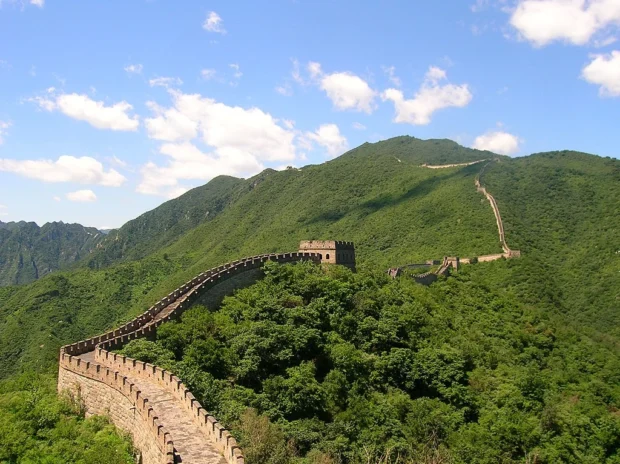
The Great Wall near Beijing stands as one of the most remarkable feats of human engineering and historical significance. Stretching thousands of miles across northern China, this ancient structure embodies centuries of defensive strategy and cultural heritage. For visitors arriving in Beijing, the Great Wall offers a fascinating glimpse into imperial China’s military ingenuity and spectacular natural scenery. This guide will share practical advice on reaching key sections from Beijing, suggest the best times to visit, reveal some lesser-known historical insights, and explain ticketing and reservation necessities. Whether navigating from the city center or airport, understanding local transport options and nearby amenities will help make your visit seamless and rewarding.
Table of Contents
How to Reach Popular Wall Sections from Beijing
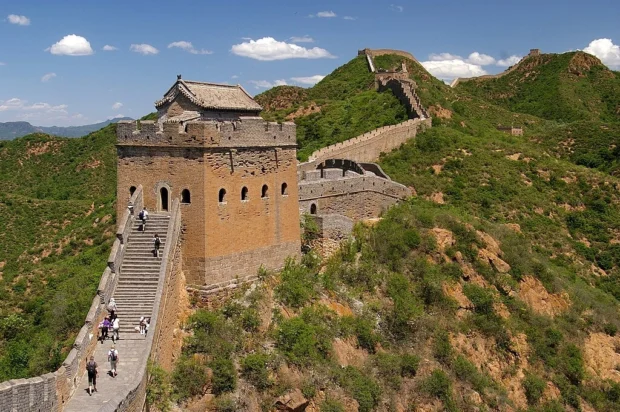
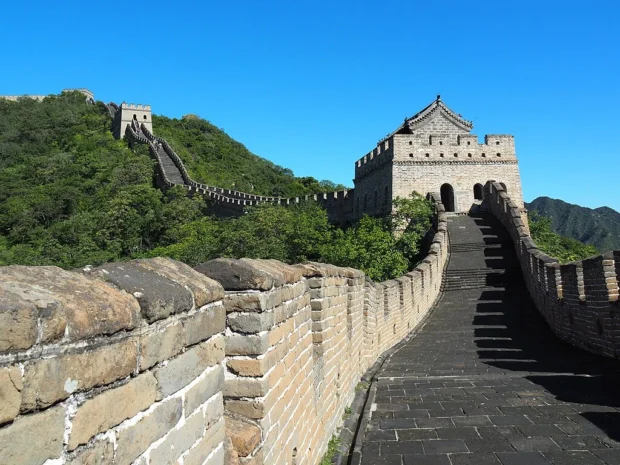
The Great Wall is not a single continuous monument but a network of walls and watchtowers spread across northern China. Near Beijing, several accessible sections attract most visitors:
- Badaling: The most popular and restored, ideal for those seeking an easier walk and full facilities.
- Mutuoyu: Known for being less crowded and providing a more authentic hiking experience.
- Jinshanling: Famous for a blend of restored and wild areas, excellent for photographers and long walks.
- Simatai: Noted for its steep slopes and impressive night tours.

From downtown Beijing, these sections can be reached by multiple methods:
- Train: The S2 suburban train runs from Beijing North Railway Station to Badaling. The ride takes about 1.5 hours and offers scenic views along the way. From the station, shuttle buses or taxis can reach the wall entrance.
- Bus: Direct buses depart from several Beijing bus stops. For example, Bus 877 from Deshengmen runs to Badaling. For Jinshanling or Simatai, consider a tourist shuttle bus departing from Dongzhimen or Donghuamen areas.
- Car or Taxi: Hiring a taxi or private car provides flexibility, especially for Mutuoyu or Jinshanling, which are more remote. The drive ranges from 1.5 to 2.5 hours depending on traffic. Using navigation apps that include real-time traffic helps optimize timing.
Optimizing Your Visit Timing and Crowds
Choosing when to visit can significantly influence your experience at the Great Wall’s sections. Generally, the following considerations apply:
- Best Months: Spring (April to June) and autumn (September to early November) offer mild temperatures, clear air, and vibrant landscapes. Winter nights can be freezing but offer spectacular snowy views with thin crowds.
- Weekdays vs. Weekends: Weekdays typically see fewer visitors, especially Monday through Thursday. Weekends and Chinese national holidays attract large crowds, particularly at Badaling.
- Early Starts: Arriving early in the morning reduces the rush and gives softer daylight for photography. Most open around 7:30 to 8:00 AM.
- Evening Visits: Simatai provides night tours illuminated by LED lights, a unique experience requiring advance booking.
Unearthing the Wall’s Historical Importance
The Great Wall’s origins trace back over 2,300 years to the Warring States period when separate states built defensive walls. Emperor Qin Shi Huang later connected and extended these fortifications, marking one of history’s largest construction projects. Subsequent dynasties, including the Ming (14th–17th centuries), reinforced and expanded the wall to defend against nomadic incursions. It served as military defense line, border control, and symbol of imperial power.

A less known fact is that the wall also functioned as a communication system smoke signals by day and fire beacons by night relayed alerts thousands of kilometers swiftly. Today’s visible stone walls mainly date from the Ming dynasty, meticulously preserved or restored in key areas.
Myth and Routine on the Wall
While many envision the wall as impenetrable, history reveals frequent breaches and repairs. Workers built the wall mainly from local stone, bricks, and rammed earth. Some sections incorporate natural features like mountain ridges to enhance defense. Legends say the wall is visible from the moon, which is a myth, but it undeniably towers across the northern landscapes, wending through hills, valleys, and deserts.

Navigating Tours and Advance Reservations
Organized tours offer the convenience of transport, a guide fluent in history and language, and usually include entrance tickets. However, independent travel is also common and manageable with some planning.
Official tickets are required for all main sections and can be purchased on-site or online. Especially during peak season, reserving tickets and shuttles in advance prevents long queues. Some popular sections have visitor limits to reduce overcrowding and protect the site.
It is advisable to:
- Book tickets from recognized platforms or official websites to avoid scams.
- Check if your chosen section requires an additional fee for shuttle bus or cable car.
- Confirm cancellation policies if weather or personal plans change.
For up-to-date ticketing and visitor information, the official Great Wall management website provides comprehensive details and options for online booking.
Local Amenities Near the Wall
Nearby accommodations range from simple guesthouses to mid-range inns. Many offer traditional Chinese decor and meals featuring local specialties. Venturing slightly back towards Beijing city provides more choices if you prefer urban comforts between excursions.
Delicious local food can be found in villages close to the wall. Try specialties like:
- Mutton stew with handmade noodles, a hearty meal for returning hikers.
- “Heiniangao” or black rice cake, a regional snack reflecting local agricultural practices.
- Freshly brewed jasmine tea, perfect for resting after intense climbing.
Transport and Accessibility Details From Beijing
From Beijing Capital International Airport, a typical route involves taking the Airport Express line into the city center, then transferring to the S2 train or bus lines mentioned earlier. The entire trip duration varies between 2 to 3 hours depending on traffic and connections.
For train travelers, Beijing North Railway Station is the hub for the S2 line heading directly to Badaling. This connection is the easiest for foreigners and those prioritizing cost-effectiveness.
Accessibility for visitors with limited mobility remains challenging, as many wall sections have uneven stone steps and steep portions. Badaling section provides ramps and wheelchair-accessible areas, but overall, the Great Wall’s rugged terrain limits full access. It is wise to contact the section’s visitor center for detailed accessibility support when planning your trip.
Final Thoughts on Experiencing the Great Wall
Visiting the Great Wall near Beijing encapsulates a balance of cultural immersion, natural wonders, and logistical planning. Engaging with its ancient stones while watching panoramic views unfold creates an irreplaceable connection to China’s past. Whether choosing the bustling and restored path of Badaling, the wild charm of Mutuoyu, or the scenic photography opportunities at Jinshanling, each section offers a distinct flavor. By carefully selecting timing, transport modes, and tickets, travelers can optimize their visit and gain a comprehensive understanding of this iconic monument’s legacy and ongoing significance.
After exploring the Great Wall’s majesty, enhance your Beijing trip by visiting the Temple of Heaven, a serene site rich in spiritual and imperial history.
- Great Wall of China July 2006 by Velatrix on Wikimedia Commons – cc0
- 20090529 Great Wall 8219 by Jakub Hałun on Wikimedia Commons – cc by-sa 3.0
- Badaling China Great-Wall-of-China-01 by CEphoto, Uwe Aranas on Wikimedia Commons – cc by-sa 3.0
- Great Wall at Mutianyu (22602551077) by Laika ac from UK on Wikimedia Commons – cc by-sa 2.0
- Great Wall of China, Mutianyu, Huairou County, China-10June2009 (1) by Bridget Coila from Beijing, China on Wikimedia Commons – cc by-sa 2.0
- The Great wall – by Hao Wei by Hao Wei from China on Wikimedia Commons – cc by 2.0


.jpg)
.jpg)
