

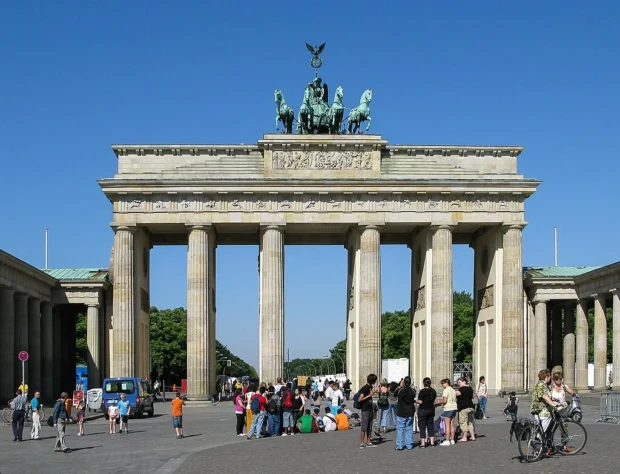
Standing tall in the heart of Berlin, Germany, the Brandenburg Gate is a monument that resonates with the weight of centuries. This iconic structure not only marks the pulse of the city but also draws visitors from around the world who cherish architectural mastery and historical transitions. Its neoclassical columns and sculptural precision narrate tales of empire, division, and unity, making it an unmissable landmark for any journey through Berlin. As you plan your visit to this emblem of harmony and power, understanding its location, transport links, and visitor nuances will enrich your experience profoundly.
Table of Contents
Approaching the Gate: Directions and Getting There
Reaching Brandenburg Gate is straightforward given its central location. From Berlin’s Hauptbahnhof (central station), you can take a short walk southward along the Unter den Linden boulevard, a stretch well known for its elegant facades and historic monuments. For those arriving from Berlin Tegel Airport or Berlin Brandenburg Airport, convenient airport buses and S-Bahn trains connect swiftly to the city center, where Brandenburg Gate awaits.
The closest U-Bahn station is Brandenburger Tor on the U5 line, placing you within steps of the gate itself. This approach allows you to absorb the urban fabric surrounding the gate an area marked by a blend of modern civic buildings and preserved historical structures. Walking around the Pariser Platz, where the gate majestically presides, offers a unique peek into Berlin’s layered urban morphology.
Architectural Elegance and Historical Weight
Neoclassical Design and Symbolic Details
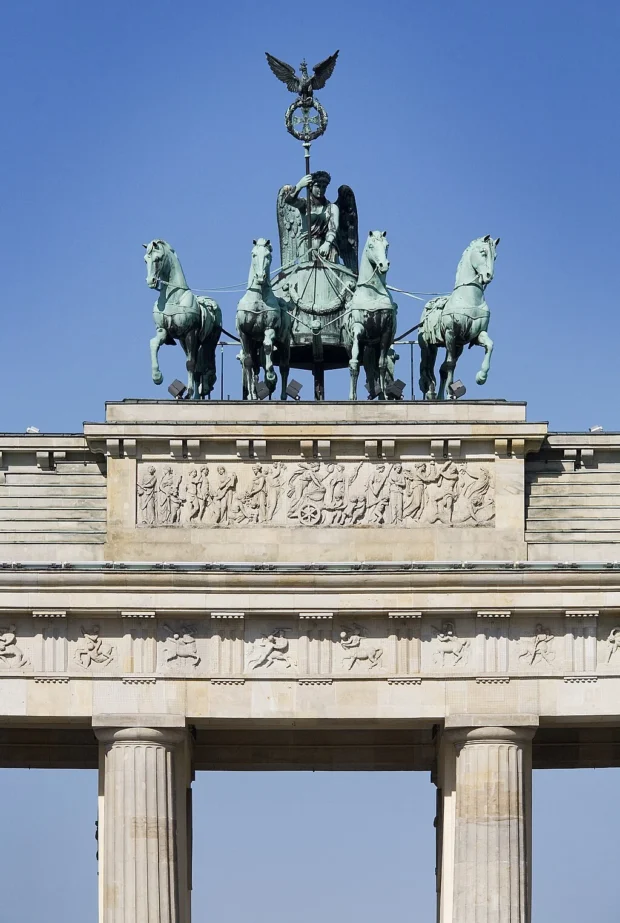
The Brandenburg Gate was constructed between 1788 and 1791, designed by Carl Gotthard Langhans, inspired notably by the Propylaea, the gateway to the Acropolis in Athens. Composed of twelve Doric columns, six on each side, it forms five pedestrian passageways the central one originally reserved for royalty. Crowning the gate is the Quadriga, a chariot pulled by four horses driven by Victoria, the Roman goddess of victory, sculpted by Johann Gottfried Schadow. This crowning feature has its own saga, seized by Napoleon in 1806 but triumphantly returned to Berlin after his defeat.

From Division to Unity
The gate has witnessed pivotal historical moments, especially during the Cold War era, when it stood just behind the Berlin Wall, symbolizing division between East and West Berlin. Since the Wall fell in 1989, the Brandenburg Gate now gleams as a powerful emblem of peace and reunification. It serves as a daily reminder of the city’s endurance and the human spirit’s capacity to rebuild and connect.
If you appreciate monumental gateways and historic sites, Madrid’s Royal Palace offers a stunning example of royal architecture and timeless craftsmanship Royal Palace Madrid details.
Visitor Tips: Timing and Avoiding Crowds
To savor the gate’s grandeur and capture its details in the best light, early mornings or late afternoons provide gentle natural illumination ideal for architectural photography. Weekdays tend to be less crowded, allowing for contemplative viewing and more intimate engagement with the surroundings. Evening visits unveil a different charm the gate illuminated against the dark sky, offering an evocative atmosphere to appreciate its form and craftsmanship.
Avoid weekends if your priority is tranquility, as tourists and locals alike gather here, especially near public holidays or during major city events. Autumn brings crisp air and a softer sunlight, enhancing the textures of sandstone and the patina on the Quadriga for those ho appreciate material craftsmanship.
Nearby Delights: Where to Stay and Dine
Accommodation in the vicinity ranges from elegant boutique options to comfortable mid-range stays, many housed in historic buildings, allowing visitors to immerse themselves in Berlin’s urban narrative. Staying nearby also means access to charming cafés and restaurants serving authentic local fare, such as currywurst or Berliner schnitzel, within walking distance.
For food enthusiasts or casual diners, the area surrounding Pariser Platz and Unter den Linden offers several delightful spots to experience traditional German cuisine alongside contemporary artistic interiors. Sampling these culinary offerings complements the sensory journey through Berlin’s heritage reflected in the gate’s enduring presence.
Touring the Gate: Reservations and Guided Experiences
Access to the Brandenburg Gate itself is free, as it is an open public monument. However, to deepen your understanding, guided tours focusing on Berlin’s architectural and historical evolution are highly recommended. Many tours include the gate as a focal point, weaving stories of Prussian ambitions, Cold War tensions, and reunification celebrations.
Some guided experiences must be booked in advance, particularly during peak tourist seasons, to secure spots with knowledgeable guides who illuminate the subtleties of the gate’s artistic elements and urban context. Group tours, bicycle tours, and even audio guides are available, catering to varied preferences and pacing.
Unseen Layers and Quirky Facts
Among the lesser-known facts, the gate’s sandstone blocks were sourced from the Elbe sandstone quarries, prized for their durability and fine texture an essential choice for the structure’s longevity. The Quadriga underwent restoration multiple times, notably after World War II damage. Interestingly, the gate was once closed to the public during the Berlin blockade to prevent surveillance and control movement.
An anecdote worth sharing: during the gate’s initial unveiling, the Prussian king reportedly commented on the gate’s resemblance to ancient temples, appreciating the blend of aesthetic grandeur and symbolic authority. Visitors often miss the subtle relief sculptures depicting scenes from Greek mythology on the gate’s columns, which merit a closer look for those enchanted by craft and storytelling in stone.
Official Resources for More Information
For additional details, event updates, and visitor guidance, the official Berlin tourism website provides comprehensive resources. Visit the Berlin Tourism homepage to plan your visit with current advice and recommendations.
- Berlin – 0266 – 16052015 – Brandenburger Tor by Pierre-Selim Huard on Wikimedia Commons – cc by 4.0
- Berlin, Brandenburger Tor — 2008 — 0153 by Dietmar Rabich on Wikimedia Commons – cc by-sa 4.0
- Vistas de la Puerta de Brandenburgo 06 by Luisalvaz on Wikimedia Commons – cc by-sa 4.0
- Berlin- A quadriga atop the Brandenburger Gate – 3563 by Jorge Royan on Wikimedia Commons – cc by-sa 3.0


