

Welcome to Delhi India’s capital city, breathing with layers of history, flavorful food, ancient monuments, and lively markets. Whether you land at Indira Gandhi International Airport or step off a train at ISBT Kashmere Gate, you’re entering a metropolis where past and present share the same busy streets. In this travel guide, I’ll share personal stories, essential Delhi landmarks, tasty foods, and a few surprising corners perfect for visitors from any corner of the earth. From the Red Fort’s red sandstone walls to the shaded paths of Lodhi Gardens, Delhi’s spirit is warm, layered, and always full of surprises.
Table of Contents
Arriving in Delhi: First Impressions and Practical Tips
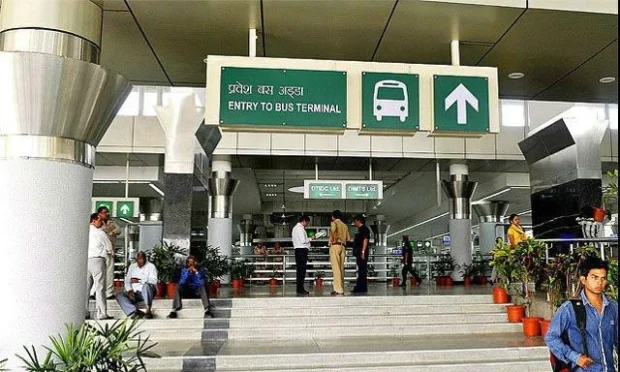
Delhi’s airport feels like a city itself teeming, colorful, and always a little bit noisy (that’s the welcome music, not just the crowd). If you’re coming from the airport, the smoothest way to the city center is the modern Delhi Airport Metro Express. It’s reliable, cheap, and takes you straight to Connaught Place Delhi’s circular business and shopping hub without the city’s famous traffic jams.
From ISBT Kashmere Gate, Delhi’s main inter-state bus terminal, you can hop on the Delhi Metro’s Red Line or Yellow Line, connecting you to most of the city’s sights with little effort. Trains can get crowded during rush hours, but they’re safe and fast. If you have heavy luggage, avoid peak times. Even on my many visits, I am still surprised by the variety of people I meet young students, old babas, businesswomen in bright saris, and street-food vendors balancing trays of samosas.
Old Delhi: Layers of History and the Aroma of Spices
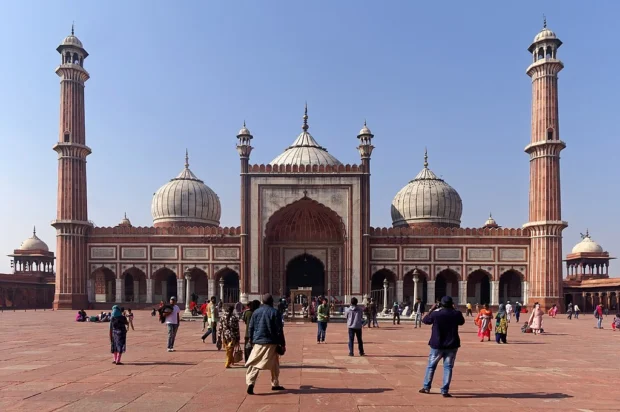
When I first wandered into Old Delhi, the mix of scents incense, fried snacks, wet earth felt overwhelming. But soon, the narrow lanes began to make sense, each street named after old trades or Mughal-era legends. Jama Masjid stands tall at the heart of it all. This mosque, built by Emperor Shah Jahan, is one of the largest in India. You’ll see flocks of pigeons, shoeless pilgrims, and sometimes a tourist nervously climbing the minaret steps for a city view no camera can truly capture.
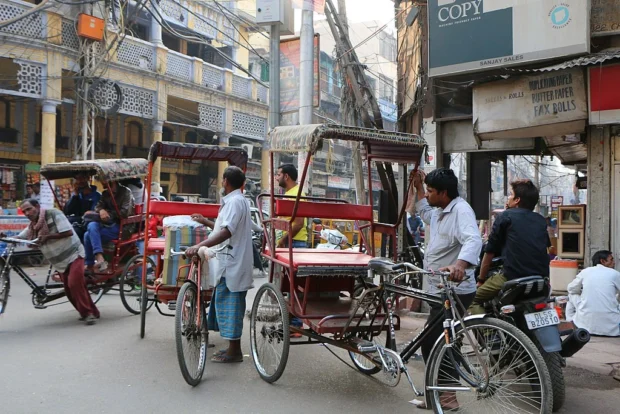
Near Jama Masjid, Chandni Chowk is a market street that’s always alive. Some say it’s the soul of Old Delhi. Here, carts loaded with mangoes share space with rickshaws, spice shops, and wedding dress stores. I once followed my nose to a tiny alley where a family has made jalebi Delhi’s famous sticky-sweet fried treat for over 70 years. Be ready to bargain, laugh, and squeeze through crowds. If you can, try some street food: paratha from Paranthe Wali Gali, or chaat from a stall where locals queue for minutes just for a taste.
Walking distance from here is the Red Fort, known in Hindi as Lal Qila. Its red sandstone walls once guarded the seat of the Mughal Empire. Every evening, the fort hosts a sound-and-light show retelling Delhi’s dramatic history, and the crowds both families and schoolchildren remind you this is still a place of memory. For more about visiting hours or special exhibitions, you can check the official Red Fort website.
For a closer look at Delhi’s iconic history, the Red Fort offers a royal lens into the city’s Mughal past and vibrant present.

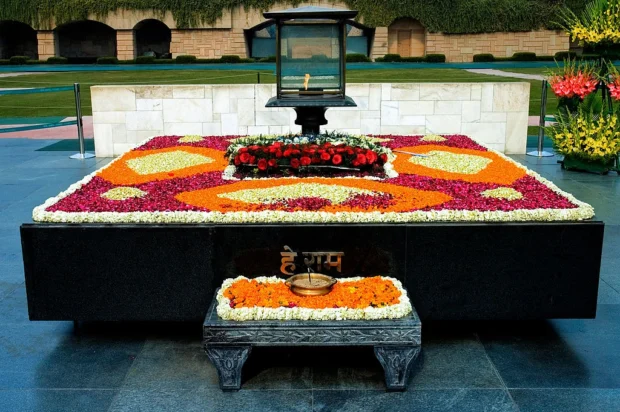
Another patch of green in Old Delhi is Raj Ghat, a peaceful riverside memorial where Mahatma Gandhi was cremated. The site is plain a black marble platform with simple flowers but it always feels full of quiet respect. On Gandhi’s birthday, the air is thick with song and quiet crowds come to pay homage.
New Delhi: Colonial Grandeur and Modern Life
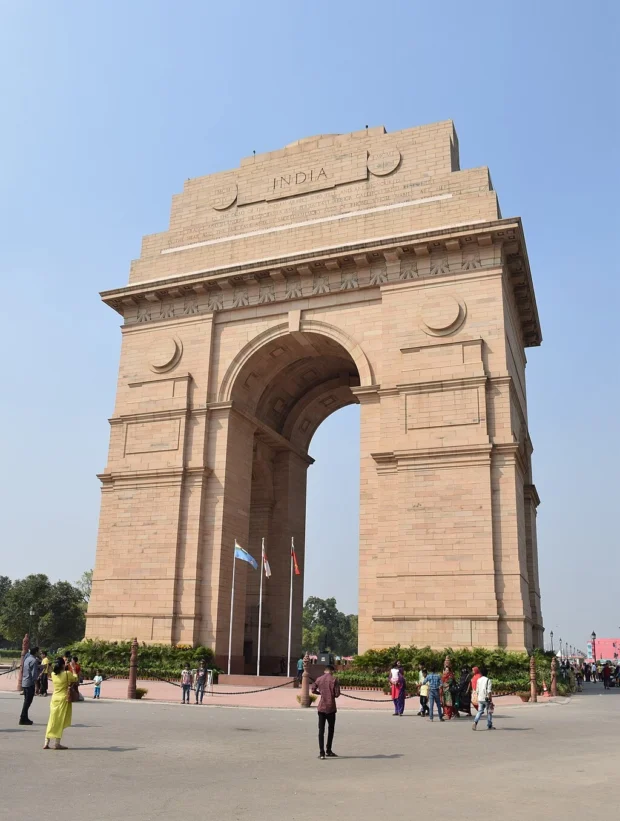
Now, let’s take the metro to New Delhi designed in the early 20th century by British architects. The broad roads, roundabouts, and government buildings are unlike the twisty maze of Old Delhi. One of the city’s proudest sights is India Gate, a war memorial built in 1931 for Indian soldiers who died in World War I. On summer evenings, families picnic on the grass, street vendors sell glowing toys, and you might spot groups of young people just chatting under the shadow of the arch.
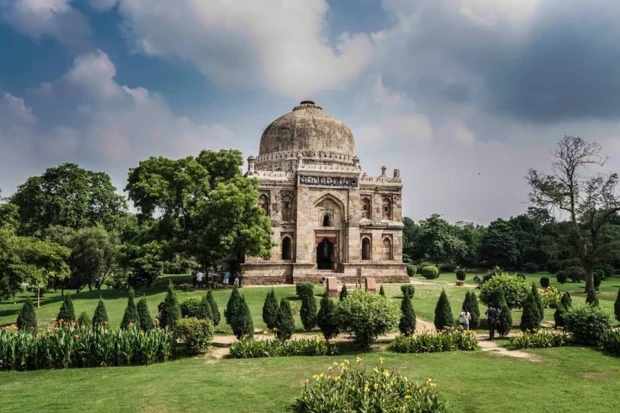
Nearby, the tree-lined paths of Lodhi Gardens offer a different kind of Delhi calm a favorite place for lovers, joggers, and, occasionally, history buffs like myself. The park is dotted with tombs of medieval sultans, many covered in moss and murals. Once, I sat beside an old man who was teaching his grandson about the garden’s ancient water channels (“they brought water all the way from the river!”). The place is just as good for birdwatching as for daydreaming.
Connaught Place is Delhi’s white-painted heart a giant, circular shopping and dining area packed with energetic activity. Beneath the arches, you’ll find bookstores, cafes, travel agencies, and on Sundays, street musicians. Although the buildings look Western, the energy is Delhi at its core lively, welcoming, always up for a deal. Local Delhiites come here for coffee and gossip after work.
Moments With Delhi’s Monuments
It’s easy to feel small among Delhi’s grand tombs and temples. Humayun’s Tomb, built in the 16th century, is an early example of Mughal architecture some even call it a blueprint for the Taj Mahal. The gardens are perfect for a picnic or a slow walk, especially on misty winter mornings when the golden dome shines through the fog. I once overheard a guide telling visitors that Humayun’s wife, Haji Begum, ordered the tomb’s construction proof that Delhi’s women have their stories too.
After discovering Delhi’s vibrant life, you might appreciate a calm walk through Humayun’s Tomb for a serene glimpse into Mughal history and architecture.
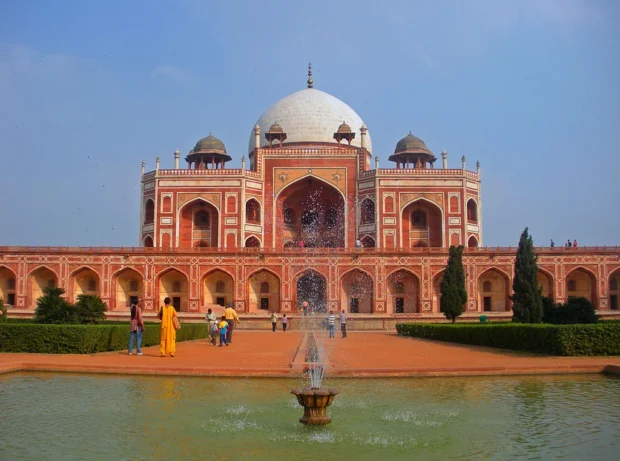
Not far away, Qutub Minar towers above the southern part of the city. Everyone who visits marvels at its size 73 meters, rising out of ancient stone ruins that once marked the start of Islamic rule in North India. The stone carvings tell stories in Arabic and ancient Sanskrit, a mix I rarely see anywhere else. The iron pillar in the courtyard, which has not rusted for centuries, is seen as a puzzle by scientists and a wonder by locals.
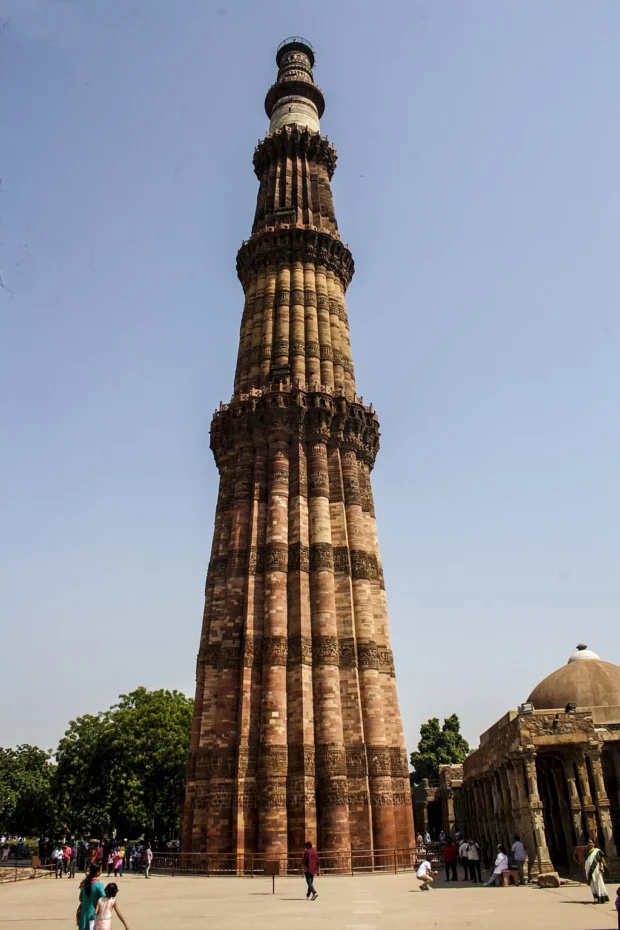
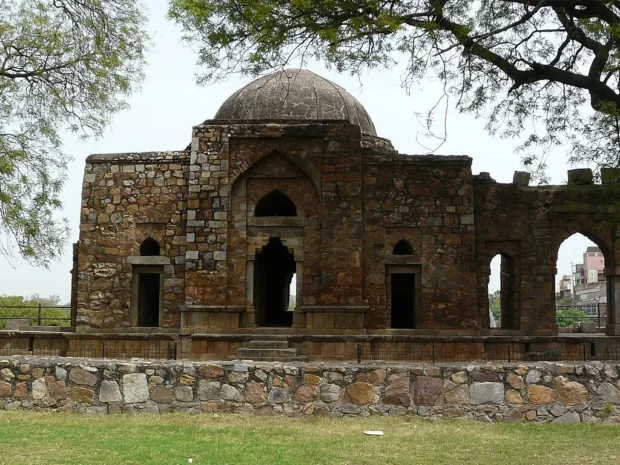
South Delhi also hides corners like the Hauz Khas Complex, where medieval tombs meet trendy art cafes. Teenagers sketch beside centuries-old stone tanks, and couples hide under banyan trees. On sunny afternoons, I’ve seen poets reciting verses for no one but the pigeons.
Among the city’s modern architectural marvels is the Lotus Temple. Its white marble petals attract visitors from all faiths. On hot afternoons, the cool, quiet main hall is a retreat from city noise. The temple’s Bahá’í hosts welcome everyone—no matter your religion, language, or dress. There are no statues inside, just sunlight and echoing footsteps.
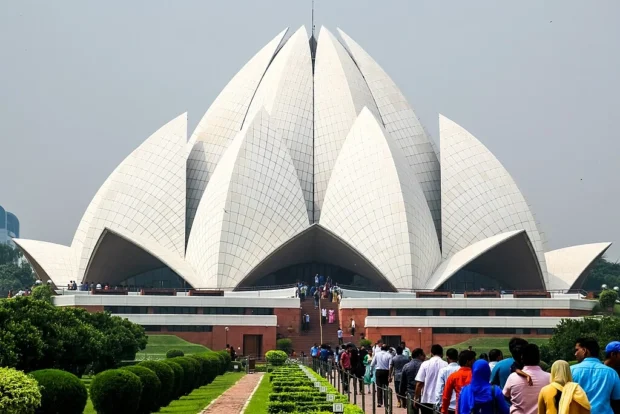
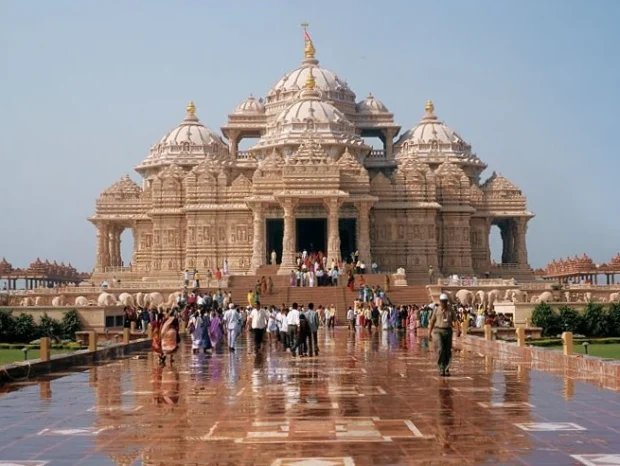
Akshardham Temple, a spectacular modern temple complex, is another of Delhi’s boldest religious sites. The carvings show stories from Hindu mythology, and the evening light-and-water show will entertain even if you don’t understand Hindi. The temple has strict rules about cameras and bags leave extra belongings in lockers at the entrance. Most visitors are Indian families, but I have often met international tourists here, and the hospitality is always genuine.
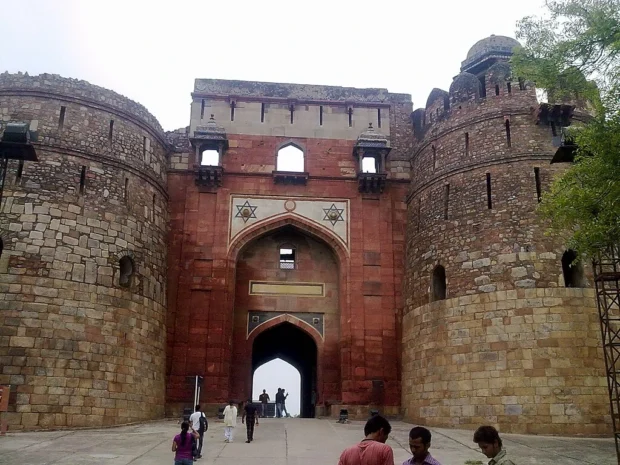
For a step even further back in time, Purana Qila (the Old Fort) stands on the edge of what some believe was the site of Indraprastha from the Mahabharata epic. Today, it is popular for school picnics and early morning walkers. Some say the fort is haunted by the spirit of a Mughal prince though the only thing I’ve felt on my visits is a gentle calm under the shade of banyan trees.
Cultural Curiosities and Delhi’s Living Traditions
What stands out in Delhi, above all, is how modern life and tradition are always side-by-side. In spring, families celebrate Holi with bright colors and laughter in the streets. In winter, kite strings fill the air for Makar Sankranti, and you might get invited to share sweet rice dishes with a local family. Delhi’s markets be it Sarojini Nagar for clothes or Dilli Haat for handicrafts are full of stories if you pause and chat with the shopkeepers. I once learned how to wrap a sari in Karol Bagh, after a shop-owner noticed my awkward attempts and stepped in with a smile.
When greeting older people, a gentle ‘namaste’ with folded hands is respectful. Many Delhi residents speak Hindi or English, but kindness travels further than words. Temples and mosques require covered shoulders and modest clothing; shoes off inside is a must. Most Delhiites are happy to explain their city, and you may leave with more invitations than you can keep.
Some customs are timeless hospitality runs deep, tea is served everywhere, and mealtime is often a family affair. Don’t be surprised if someone you’ve just met invites you for chai (sweet, spiced tea) or insists that you try a homemade sweet. I learned early: refusing food in Delhi is almost impossible.
One more tip: public affection is rare, especially near religious sites. Take a cue from locals—smiles are welcome but big hugs can wait.
Delhi’s Food Scene: A Feast at Every Turn
Delhi’s food is a map of its history: Mughlai kebabs, South Indian dosas, Punjabi butter chicken, and Bengali sweets all within a few metro stops. I like to start breakfast in Connaught Place soft parathas with yogurt, or maybe a spicy omelet if you want to feel local. For lunch, try Karol Bagh or Paharganj, where tiny dhabas (simple eateries) offer dal makhani and fragrant rice for little money.
If you’re brave, Old Delhi’s streets are a food-lover’s paradise. Near Jama Masjid, seek out Karim’s for mutton korma, or head to Chandni Chowk for chole bhature (fluffy bread with spicy chickpeas). Don’t miss a taste of kachori deep-fried dough filled with lentils or spiced potatoes especially in the morning when they are fresh and hot. For something sweet, the saffron-scented kheer or sticky gulab jamun from Bengali Market is unforgettable.
Fruit vendors offer mangoes in summer, guavas in winter, and lassi (yogurt drink) all year round. Delhi has something for every palate: vegetarian or not, mild or fiery, North Indian or from faraway corners. The best advice: follow your nose and join local lines. Where there’s a crowd, the food is usually top notch.
Where to Stay in Delhi: Neighborhoods With Character
Delhi’s neighborhoods each have their own style, from backpacker-friendly Paharganj (close to New Delhi Railway Station) to leafy South Delhi full of parks and art galleries. For a first visit, consider staying near Connaught Place the metro connections are great, and you’ll be in easy reach of major monuments, restaurants, and shops. Old Delhi is noisier but rich in atmosphere, especially if you want to lose yourself in history.
South Delhi offers residential calm, quieter evenings, and a good mix of modern and historic sites nearby, including the Lotus Temple and Hauz Khas. For longer stays, neighborhoods like Defence Colony and Greater Kailash combine comfort, local markets, and easy access to the city’s metro system.
No matter where you stay, Delhi’s traffic and distances can surprise visitors always check metro routes and remember the city is best enjoyed at a relaxed pace. Early mornings are good for sightseeing, as the air is fresh and crowds are lighter.
Unexpected Moments: Delhi’s Surprises and Stories
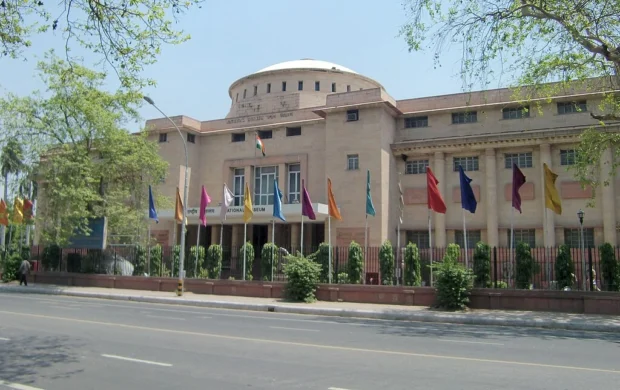
One of my own favorite Delhi moments was watching an elderly couple feeding squirrels at Lodhi Gardens, surrounded by children on bicycles and couples on picnic rugs. Another time, a Sikh volunteer offered me free lunch at a gurdwara in Connaught Place, part of a daily tradition to feed everyone, regardless of faith or wealth. In the corner of the National Museum, I once met a student copying ancient Sanskrit text by hand, determined to keep a dying script alive.
Delhi can overwhelm the noise, color, and pace are intense but if you look closer, you’ll see small acts of kindness everywhere. Ask a shopkeeper for directions, and you might end up learning about his cousin’s wedding. Buy fresh marigolds from a street vendor, and she’ll tell you which temple they’re for. The city rewards patience and invites questions.
I’m always interested in urban history, so I often visit places like the Hauz Khas Complex, where medieval tombs sit beside graffiti art and modern cafes proof that Delhi is as much about the present as the past. The National Museum pulls you through centuries, from ancient Buddhist relics to colorful miniature paintings. Even the busy daily commute on the metro tells its own social story: aunties sharing recipes, students joking about exams, and vendors counting coins from a morning’s work.
Leaving Delhi: Final Thoughts and Inspiration
Delhi is complex, layered, and alive in ways few cities are. Here, every monument shares a story, every meal is a celebration, and every street corner is an invitation to connect. From the domes of Humayun’s Tomb to the throngs of Chandni Chowk, the city will surprise you, tire you, and leave you with a thousand small memories.
The best way to see Delhi is with your eyes (and mind) open to contrast old meet new, quiet beside busy, flavor after flavor, story after story. I still find something new every visit, and I hope you will too. If you listen closely, Delhi is always ready to tell you another secret.
Traveler exploring cultural intersections, sharing reflections on similarities and differences between traditions, lifestyles, and food.
- India Gate in New Delhi 03-2016 by A.Savin on Wikimedia Commons – fal
- Maharana Pratap ISBT Entrance by ArmouredCyborg on Wikimedia Commons – cc by-sa 4.0
- 20191203 Wielki Meczet w Delhi 0700 6459 DxO by Jakub Hałun on Wikimedia Commons – cc by-sa 4.0
- Lahori Gate, Red Fort, Delhi, India – September 2014 by Rickard Törnblad on Wikimedia Commons – cc by-sa 4.0
- Gandhi Memorial by Humayunn Niaz Ahmed Peerzaada from Mumbai, India on Wikimedia Commons – cc by-sa 2.0
- India Gate, New Delhi, India by Mr. Debapriya Hore on Wikimedia Commons – cc by-sa 4.0
- Humayun's Tomb, Delhi, India 3 by ABHIJITJAWANJAL on Wikimedia Commons – cc by-sa 3.0
- Qutub Minar, Delhi 09 by Indrajit Das on Wikimedia Commons – cc by-sa 4.0
- Hauz Khas Complex Madrasa (3547616782) by Varun Shiv Kapur from New Delhi, India on Wikimedia Commons – cc by 2.0
- Lotus Temple, located in Delhi, India, is a Bahá'í House of Worship by Buete on Wikimedia Commons – cc by-sa 4.0
- Akshardham Delhi by Swaminarayan Sanstha on Wikimedia Commons – cc by-sa 3.0
- Purana Qila, Delhi, 2012 by Niteshjha1 on Wikimedia Commons – cc by-sa 3.0
- Lodhi Garden, Delhi, India by Tanviechpilani on Wikimedia Commons – cc by-sa 4.0
- Chandni Chowk. Delhi, India (23201844500) by Juan Antonio Segal from Madrid, Spain on Wikimedia Commons – cc by 2.0
- India national museum 01 by Miya.m on Wikimedia Commons – cc by-sa 3.0


.jpg)


.jpg)
