
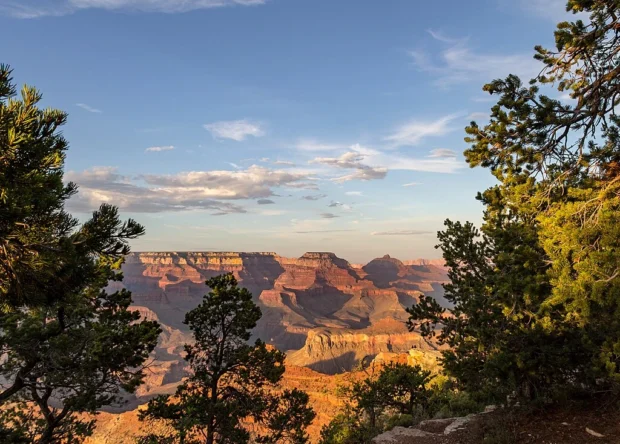
If you ask anyone about famous places in the United States, Grand Canyon often appears in the conversation. Located in northern Arizona, this canyon is not just a big crack in the earth it’s a world onto itself. With endless rock layers, unusual wildlife, and trails twisting through stone, it’s a place where every turn feels different. Before I really explored the region, I thought the Grand Canyon was just one viewpoint and a photo. Instead, it’s vast, with several rims, secret corners, and even waterfalls that look like they belong in a lost world. This guide covers what travelers need to know, whether you fly in, arrive by bus, or come by car, and takes you from classic viewpoints to lesser-known corners.
Table of Contents
Getting to the Grand Canyon: Routes and Arrival
Most visitors arrive by air or road. The nearest airport with regular flights is Flagstaff Pulliam Airport, about ninety minutes away by car or shuttle. If you land in Phoenix Sky Harbor International Airport, the main Arizona hub, expect a four-hour drive north. Several companies operate regular shuttle buses from Phoenix and Flagstaff, with stops in Williams or Tusayan before entering the park. Amtrak service on the Southwest Chief line stops in Flagstaff and Williams Junction, and there’s a heritage train, the Grand Canyon Railway, that runs from Williams to the South Rim depot. It’s a scenic ride, especially for rail enthusiasts, and brings you close to the main visitor center.
For those driving, highways 64 and 180 are the main routes to the South Rim. The North Rim, higher and cooler, is more remote. It opens only from mid-May to mid-October. Roads can close quickly in late fall if snow appears. Traveling between rims by car takes over four hours there’s no direct bridge, as the Colorado River cuts deep between them. Plan your route in advance, since fuel stations can be spaced far apart, especially near the North Rim.
Grand Canyon South Rim: Classic Views and Visitor Hubs
Most people start at the Grand Canyon South Rim. This area is open year-round and has the most facilities. When I first arrived, I was surprised by the number of languages I heard at the main lookout, Mather Point. People from all continents stand here at sunrise, cameras ready, waiting for the rocks to turn gold and orange. The South Rim village itself feels like a small town, with shuttles looping to overlooks, a post office, and several museums. I chatted with a park ranger who told me they see everything from families with strollers to hikers in full trekking gear, all set for different adventures.
Visitors enjoying the vast views of the Grand Canyon will appreciate the focused insights on the South Rim’s charm and lodging options in our guide to the Grand Canyon South Rim.

Bright Angel Trail is the path most people try, at least for a short way down. The trailhead starts near the Historic Bright Angel Lodge. It’s well marked: signs warn about summer heat and the climb back up (which is much harder than the way down). I met a couple resting a few switchbacks below the rim. They were sharing trail mix and pointing out blue jays in the pinyon pines, clearly enjoying the slow pace. If you’re curious, you don’t have to go far for an incredible change in scenery just hiking 30 minutes down gives a completely different canyon view.
Some choose to walk or bike the Rim Trail, which stays mostly flat and follows the edge. Parts of this route are paved and accessible for wheelchairs or strollers. Shuttle buses stop at major points like Yavapai Geology Museum, Hopi Point, and Hermits Rest. This system works smoothly, and during peak seasons, cars are not allowed on certain stretches to keep things peaceful and safe. If you like logistics, you’ll notice how precise the shuttle schedule is, with buses coming every 10-15 minutes.
South Rim accommodations fill quickly, especially in spring and fall. Some places are only a few steps from the canyon edge. If you stay in Tusayan, the neighboring town just outside the park entrance, there’s a free shuttle connecting hotels with the main visitor center. Camping is possible too, but book early. I found the campsites buzzing at dawn, with backpackers making coffee and birds chirping in the cool air.
Grand Canyon Skywalk: Glass Bridge Over the Colorado
For those who want a different sensation, the Grand Canyon Skywalk offers a literal walk over the void. This glass bridge, shaped like a giant horseshoe, juts 70 feet over the canyon’s edge. It’s located at Grand Canyon West, outside the national park boundaries, managed by the Hualapai Tribe. Some visitors come only for this, driven by the thrill of looking straight down 4000 feet through clear glass at the Colorado River twisting below. Personally, I found the first step nerve-wracking, but then it became almost addictive to walk slowly, pausing to see the shadows shift on the red rocks. Cameras are not allowed on the glass, but there are staff photographers if you want a memory of your daring day.
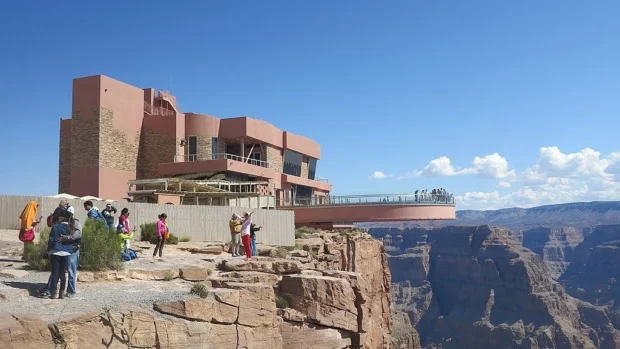
Getting to the Skywalk is a journey. It’s about two hours’ drive from Las Vegas, mostly along highway 93, then a turnoff along a road that can be rough. There’s a visitor center, gift shop, and places to eat, with some Native American crafts for sale. The area feels different from the National Park less forest, more dry desert and open space. The Hualapai offer guided tours about their culture and history, which I found more personal than the standard ranger talks on the South Rim.
Grand Canyon West is a good place to try local foods. I tasted fry bread topped with honey, a simple and filling snack often served by tribal cooks. Out here, the wind is strong, and the views go on for miles sometimes you’ll spot small planes or helicopters far below, offering another way to see the canyon’s size.
North Rim: Quiet Trails and Alpine Air
Few make it to the North Rim, but it’s worth the drive if you want solitude. The North Rim sits over 1,000 feet higher than the South and feels like another world. Pines and aspen grow here, and in early autumn, the leaves change to gold. The lodge on the North Rim is smaller and cozier than the South’s big hotels, with rocking chairs facing the canyon. I once spent an afternoon talking with a retired teacher from Utah, who visits every summer for the cooler air and clear trails.

Angel’s Window and Cape Royal are the main lookouts, both reachable by car, with short, flat walks from the parking area. The light at Cape Royal in late afternoon feels pure and sharp you see the river winding far below, tiny like a thread. Because of the altitude, nights can get cold even in July. The North Rim is less crowded, and the silence is almost total at sunset. Some say the best stars in the Southwest can be seen from here on a clear night.
Food options are simple mostly classic diner fare, with pies and hot coffee. It’s not a place for gourmet meals, but after a long walk, I loved the cozy dining room overlooking the canyon, especially if a thunderstorm passed outside, lightning flashing in the distance.
Hiking, Waterfalls, and the Legendary Bright Angel Trail
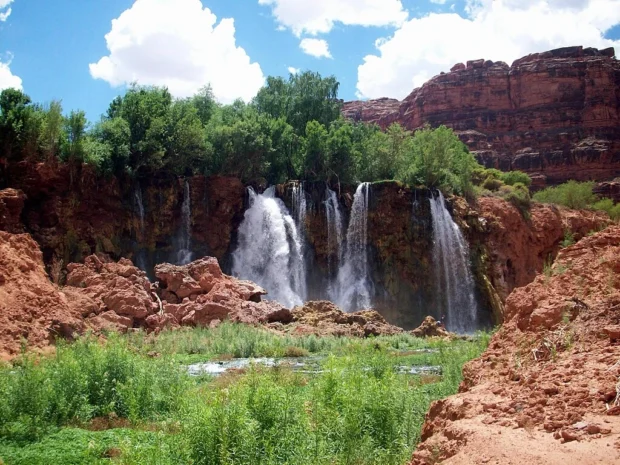
If you have more time and energy, the Grand Canyon hides surprises far from the crowds. Havasu Falls is a turquoise waterfall in a hidden side canyon, reached only by a long hike and overnight stay with a reservation. The water, colored by minerals in the rocks, glows blue-green even on cloudy days. To get there, you need a permit from the Havasupai Tribe, and the trail starts at Hualapai Hilltop, about a 3-hour drive from the South Rim. It’s not a day trip most people camp or stay in the small lodge at Supai village. I met a group of travelers resting in the shallow pools below the waterfall, their shoes lined up on warm rocks, sharing stories of the tough climb in and the reward of the cool water.
The Bright Angel Trail, mentioned earlier, is the classic hike into the canyon. Each switchback tells its own story layers of stone built up over millions of years. There are water stops at Indian Garden and occasional shade, but sun can be intense. Rangers often remind you to carry more water than you think you need. I once passed a geology student, sketchbook open, drawing the distinctive red rock layers. If you’re not used to desert weather, turn back before you’re tired; the ascent is always more difficult. Night hikers sometimes start before sunrise to avoid the heat, headlamps bobbing along the dusty trail.

Transport Inside the Park: Shuttles and Paths
The Grand Canyon is big, but it’s easy to move around. Free shuttle buses run on the South Rim, with color-coded routes to help you navigate to lookouts, trailheads, and lodges. Buses have racks for bikes and spaces for wheelchairs, making the system accessible for most. If you want to see more in less time, the bus lets you hop between points without the hassle of parking.
On the North Rim, there are no shuttles. Most visitors here drive or cycle between lookouts. If you plan to bike, be aware that the rim roads are narrow in some places, but traffic is light. Grand Canyon Village on the South Rim has wide, well-marked paths for walking and cycling, and the signage is clear, with maps at regular intervals. The visitor centers offer paper maps in many languages.
For those who enjoy transport history, the Grand Canyon Railway is a highlight. This restored heritage train runs from Williams to the South Rim, taking about 2 hours each way. The conductors share stories and facts along the route. It’s not just a way to arrive; it makes the approach to the canyon part of the adventure. Trains arrive at a classic stone depot, just steps from the edge.
Where to Stay: Inside and Outside the Park
Lodging at the Grand Canyon comes in many forms. Inside the park, you’ll find rustic cabins, larger lodges, and several campgrounds. Most rooms book up six months or more in advance, especially for spring and autumn, so reserve as early as possible. Some accommodations are historic, with simple rooms and shared bathrooms. I once stayed in a cabin with a wood stove and a porch swing at night, the Milky Way looked down clear and silent.
Just outside the South Rim entrance, Tusayan is a small town with motels, shops, and a few restaurants. Prices can be high in peak months, so consider staying farther out in Williams or Flagstaff if you want more options and don’t mind driving an hour or more. If you’re camping, respect the rules about fires and food storage local wildlife, especially rock squirrels and ravens, are clever at stealing snacks.
Food at the Grand Canyon: Simple Eats with a View
Dining at the canyon is mostly about comfort and convenience. On the South Rim, restaurants serve classic American meals burgers, salads, and soups. The historic lodge has a dining room with canyon views, and snack bars serve takeaway food for picnics. You’ll also find pizza slices and ice cream in the village area. For something quick, I liked the grab-and-go options near the visitor center. Nothing fancy, but perfect fuel for more exploring.
In Tusayan, you might see barbecue smoke rising in the evenings, with travelers gathering for hearty meals after a long day. The North Rim’s main lodge serves simple but hearty options. Many bring their own food and picnic near the edge. I once ate a sandwich while watching a thunderstorm move across the distant cliffs the best lunch show I can remember.
Water is precious here. You can fill your bottles at stations across the park. Avoid single-use plastic bottles they’re discouraged for both waste and wildlife safety. If you try a local treat, look for prickly pear candy or fry bread at the visitor stands, especially at Grand Canyon West or seasonal outdoor markets. Food is not the main draw, but the view makes every meal memorable.
Grand Canyon Culture and Local Customs
The Grand Canyon crosses the lands of several Native American tribes. The Havasupai, Hopi, Hualapai, Navajo, and others still consider the canyon sacred. You may see traditional artwork or hear local stories in ranger talks or museum exhibits. Respecting the land and its history is important don’t carve rocks, leave trash, or remove stones as souvenirs. Instead, take photos and memories.
Most rangers and guides are happy to answer questions about plants, animals, and the canyon’s geology. I found that a simple greeting “Good morning!” opens up friendly conversations. On busy trails, step aside for uphill hikers. Quiet is often appreciated at sunrise and sunset viewpoints; many visitors come for peaceful moments rather than chatter or music.
Public restrooms are spaced throughout the park, kept clean and accessible. Signs are in English but often list information in Spanish, German, Japanese, and French as well. Wi-Fi is limited, but most main lodges offer basic connectivity. Cell phone coverage is spotty near the rims and non-existent deep in the canyon, which is part of its appeal you’re truly away from the usual rush.
Grand Canyon Facts, Legends, and Modern Oddities
Many are surprised to learn that the Grand Canyon is deeper than the Eiffel Tower is tall by more than five times. The oldest rocks at the bottom are nearly two billion years old. Long before tourists arrived, the Hopi told stories of the canyon as the gateway to the underworld, while early Spanish explorers searched (unsuccessfully) for gold here. The South Rim once had a cable car crossing the river, used to move equipment for building early trails now it’s gone, but you might spot old pulleys if you look closely in museum exhibits.
Oddities abound. The famous “Phantom Ranch” lodge at the bottom of the canyon is supplied by mules that carry mail, laundry, and food down the steep trails it is one of the last places in the US with regular mule mail service. Weather can change in minutes: I once saw hail bounce off hot stones in July, surprising a group of sunbathers. And if you listen carefully at dusk, you might hear the whistle of the “canyon wren,” a bird whose song echoes off the walls locals say it sounds like falling water.
Making the Most of Your Grand Canyon Visit
The best way to enjoy the Grand Canyon is to slow down and let the place reveal itself. Bring layers for sun and wind, sturdy shoes, and more water than you think you need. Whether you follow the crowds or find a quiet bench, the scale is always impressive but it’s the small surprises (a lizard basking on a warm stone, thunderheads building on the horizon, or fossils in the trail) that linger longest in your memory. The South Rim suits first-time visitors and families, while the North Rim and Grand Canyon West reward those who seek fewer people and new angles.
For visitors intrigued by natural wonders, Cape Town’s Table Mountain offers stunning trails and views that complement a Grand Canyon adventure, see Table Mountain Heights.
Transport is well organized, making it possible to see much in a short stay, but those with more time should consider a hike, a trip to Havasu Falls, or even a ride on the heritage railway. The canyon’s moods shift with the time of day; sunrise and sunset bring changing colors and quiet moments for reflection. Local food is simple but honest, the air is clean, and the stars at night are unforgettable. No matter how you arrive by road, rail, or on foot leaving the Grand Canyon is always a little bittersweet. It’s a landscape too big for photos, best measured in footsteps and memories.
- Grand Canyon (Arizona, USA), South Rim nahe Tusayan — 2012 — 6042 by Dietmar Rabich on Wikimedia Commons – cc by-sa 4.0
- Clouds over Grand Canyon by Thomas Wolf, www.foto-tw.de on Wikimedia Commons – cc by-sa 3.0
- • 美国 • 大峡谷天空步道 – panoramio by Nyx Ning on Wikimedia Commons – cc by-sa 3.0
- Grand Canyon (Arizona, USA), South Rim nahe Tusayan — 2012 — 6040 by Dietmar Rabich on Wikimedia Commons – cc by-sa 4.0
- Upper rock falls by Gonzo fan2007 on Wikimedia Commons – cc by-sa 3.0
,_South_Rim_nahe_Tusayan_--_2012_--_6042.jpg)


,_South_Rim_nahe_Tusayan_--_2012_--_6040.jpg)
