

The name “Mumbai” stirs up a thousand pictures bright city lights, the rhythm of the Arabian Sea, the spicy air of bustling markets. Yet Mumbai, India’s largest city and commercial heart, is much more than postcards or Bollywood dreams. This city, once known as Bombay, is a city for the senses. From legendary train stations to seaside promenades, from temple bells to the chatter of chai stalls, each sound and color invites you to look closer. Whether you are drawn by the city’s famous places or its quiet, everyday moments, Mumbai opens itself with energy and hospitality that feels both overwhelming and deeply personal.
Table of Contents
Mumbai Gateway: Entering Through the Gateway of India
On my first evening in Mumbai, I joined the steady flow of visitors and locals circling the Gateway of India. Rising on the southern tip of the city in Colaba, this 1913 arch is a grand welcome sign facing the Arabian Sea. The arch was built for King George V and Queen Mary: centuries later, people still gather here at all hours, eating roasted peanuts and watching camera flashes burst over its yellow basalt stones.
The scene at sunset is a Mumbai moment: flocks of pigeons scatter, kids chase bubbles, and street photographers hand over printed snapshots in minutes. Couples lean against the railings, sharing ice cream cones. Someone shouts, “Yahan kaun baitha hai?” (Who is sitting here?), making space for new arrivals. The Gateway is not only historic; it’s a living stage maritime buses load passengers bound for Elephanta Caves, visible in the haze. For official events or quiet contemplation, the Gateway keeps its dignity, even as families make it their picnic spot.

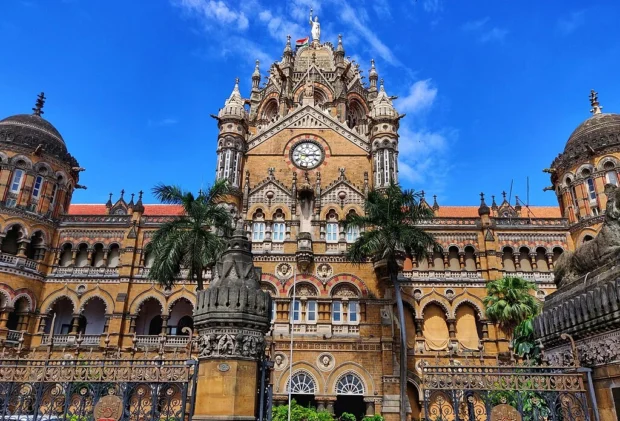
A City in Motion: Chhatrapati Shivaji Maharaj Terminus
If you want to feel Mumbai’s pulse, visit the Chhatrapati Shivaji Maharaj Terminus (CSMT), the city’s iconic railway station. Its Gothic Revival architecture gargoyles, domes, stained glass blends with Indian carvings and busy local trains. Built in the late 1800s, this UNESCO World Heritage Site is more than just beautiful; it is alive with humanity. Every morning and evening, a sea of commuters flows through its iron gates: schoolchildren in neat braids, porters with impossible stacks of luggage, office workers checking their phones.
The station itself tells a story of Mumbai’s growth, its capacity to carry millions. As the trains whistle and vendors call out “chai, chai!” (tea, tea!), one cannot help but feel swept up in the city’s movement. Weathered stone lions guard the platforms, and, if you look up, you can see blue glass windows shining against the chaos below. To learn more, feel free to explore official sources, though nothing matches standing beneath those clock towers as the world rushes past.
Marine Drive: The Queen’s Necklace After Dark
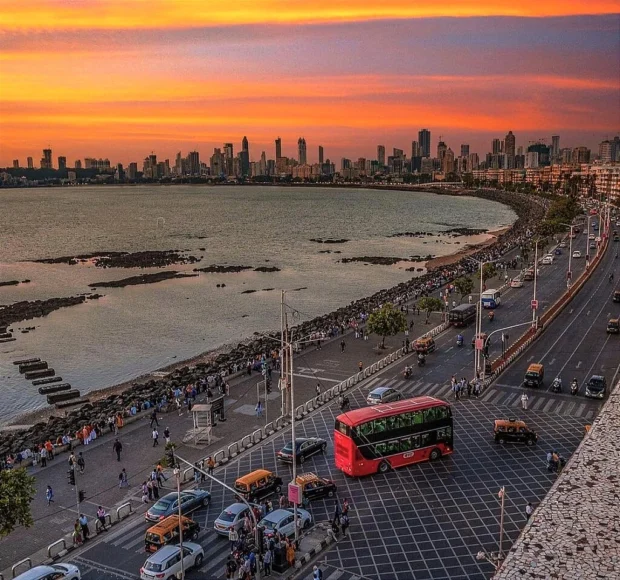
As sunset falls, Marine Drive wakes up. The three-kilometer promenade curves like a glittering necklace along Back Bay, its lamps outlining the shore in soft gold. I walked here late one night, surrounded by families with picnic baskets, young friends drinking coconut water, and runners timed to the waves. The salty breeze cooled the humid air, carrying the scent of popcorn and samosas.
Here, time slows. Lovers walk hand in hand, laughing quietly as children count the lamps. Street vendors sell bhel puri a crunchy-spicy snack right from their carts. “Ek plate bhel dena,” (Give me one plate of bhel) a girl requested, and the vendor smiled, mixing puffed rice, onions, and chutneys. Watching the city lights, it felt as if Marine Drive had always been Mumbai’s open-air living room. It is a gathering place for joy and comfort, best visited after sunset when the heat fades and the city sparkles.
Historic Sights and City Legends
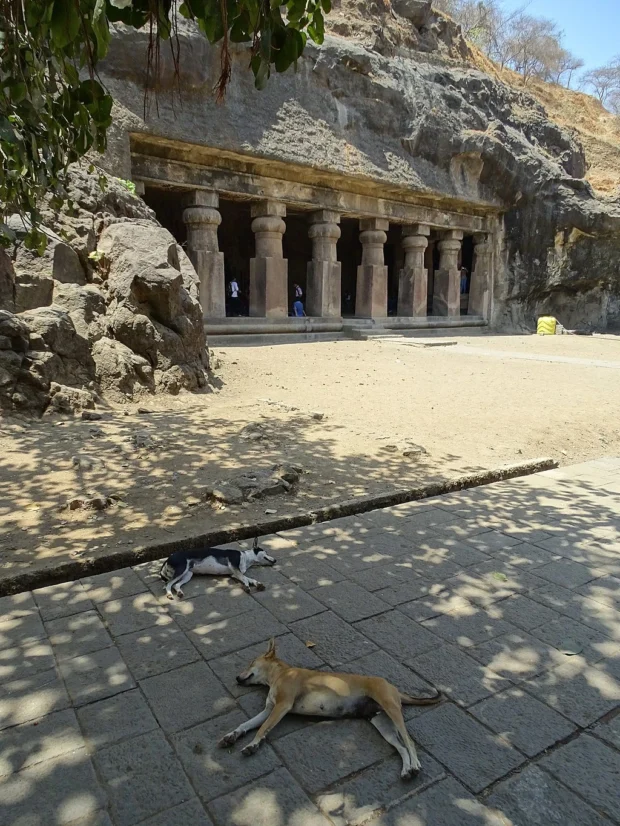
Mumbai’s history is written on its streets, its buildings, and its faces. Just a short ferry ride from the Gateway of India, the Elephanta Caves offer a deep sense of ancient times: hand-carved rock temples hidden on a leafy island, statues of gods and warriors standing silent and powerful. The trip across the water is quiet, with birds swirling overhead and the smell of sea on your lips, and the island’s calm always surprises after the noise of the city.
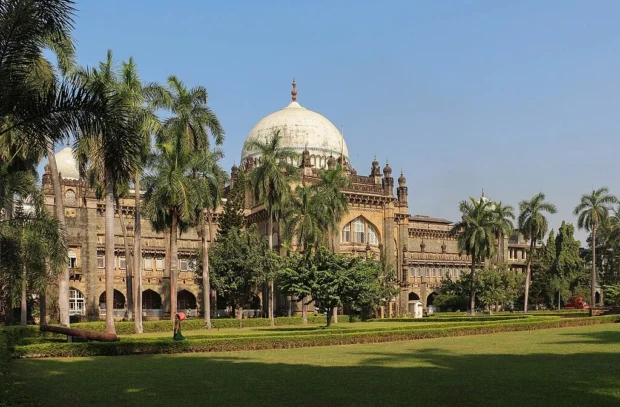
The Chhatrapati Shivaji Maharaj Vastu Sangrahalaya (the city’s grand museum, known to many as the Prince of Wales Museum) is a treasure for those who want to see Mumbai’s cultural riches. Inside, cool halls hold everything from Mughal miniatures to ancient sculptures. I spent one rainy afternoon watching a class of students sketch the museum’s lions and towers, pausing only when the thunder rolled.
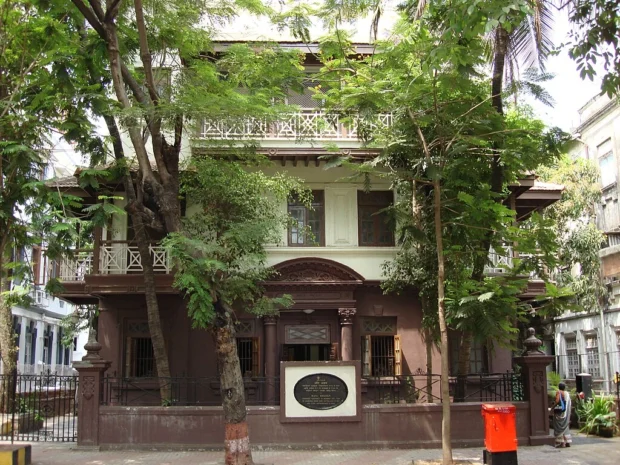
Not far from the museum, Mani Bhavan tells its own quiet story. This small, simple house once sheltered Mahatma Gandhi during his days in Mumbai. Walking the same stairs, looking at Gandhi’s worn sandals and handwritten notes, I felt a hush. The rooms are lined with photographs of major protests, letters to world leaders, and the spinning wheel Gandhi used for his famous khadi. History lives here, not in grand declarations, but in the careful way shoes are left at the entrance.
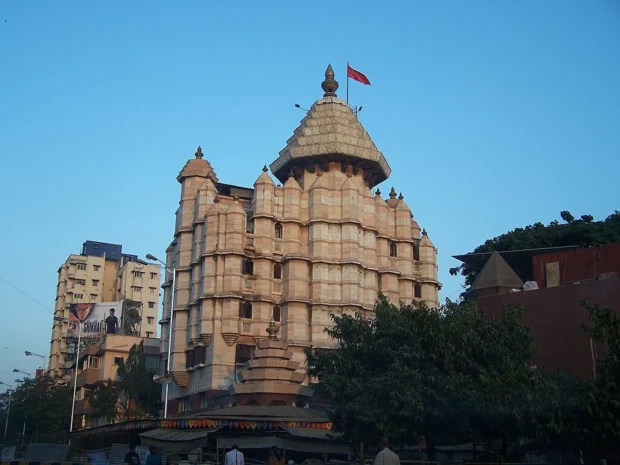
Mumbai also preserves its faith through remarkable religious buildings. The Siddhivinayak Temple draws thousands to worship Ganesha, the elephant-headed god. Here, early visitors cup their hands in prayer and whisper “Ganpati Bappa Morya” (Praise to Lord Ganesha). On the sea, you will see the onion-shaped dome of Haji Ali Dargah, a white marble mosque built on an island. The causeway is only accessible at low tide, so timing your visit is always a little adventure. Pilgrims and the curious, rich and poor, all come here sometimes standing with their shoes in hand as the water covers the path. It is a lesson in patience and trust, Mumbai-style.
Food Markets and Postcard Moments
Mumbai’s food is as lively as the city itself. I wandered through Matunga, famous for South Indian breakfast fluffy idlis, crispy dosas, and strong filter coffee. In the old lanes near Crawford Market, I found piles of spices in every color: turmeric yellow, chili red, and cumin brown. Here, “Kitna kilo?” (How many kilos?) is the first question every shopkeeper asks, bargaining with wide grins and quick math.
In Bandra, chefs mix east and west: stalls serve vada pav (a spicy potato bun called Mumbai’s burger) next to shops offering Portuguese cakes. Evenings at Juhu Beach combine salt air with the taste of pav bhaji soft bread rolls and rich vegetable curry. Children dip their feet in the tide, while families pass around paper plates of chaat and roasted corn. I tried a “kulfi” (creamy frozen dessert) that left my hands sticky and my heart happy.
Colaba Causeway is another feast for the senses the scent of incense, the flash of glass bangles, the calls of “Sasta le lo!” (Take it cheap!). Here, each stall is a small drama: tourists bargain for scarves, college students buy sunglasses, and a man with a sewing machine offers to fix a torn backpack in five minutes. I met an old woman named Savita who sold hand-painted postcards, each one a tiny Mumbai memory. She told me, “Har din naya hai yahan.” (Every day is new here.) If you ask nicely, she will write your name in Hindi.
Where to Stay in Mumbai
Mumbai offers a wide range of places to stay, from family-run guesthouses in Fort and Colaba to stylish apartments in Bandra and Juhu. For a peaceful visit, I recommend staying near the city’s southern end within walking distance to the Gateway of India or Marine Drive so you can enjoy the sea breeze and night walks. These older neighborhoods have colonial-era buildings, leafy side streets, and breakfast cafes opening with the morning light. North of the city, hotels closer to the airport are convenient for later flights, but to feel the city’s energy, the historic center is ideal.
Getting Around: Mumbai’s Heartbeat
Mumbai has a remarkable public transport system. The local trains are a lifeline, connecting distant suburbs to the heart of the city. Chhatrapati Shivaji Maharaj Terminus is the key hub if you arrive by long-distance train. From the airport, it is best to use the airport express bus or the Mumbai Metro; both are safe and affordable, though often busy. On the streets, the auto-rickshaws are quick and nimble in the north, but in the south, you can take local buses marked BEST these red, double-decker buses are a Mumbai icon.
Travel is sometimes crowded, but Mumbai people Mumbaikars are famous for helping lost visitors. If you ask “Ye station kidhar hai?” (Where is this station?), expect firm directions and maybe a walking companion. Always keep coins and small notes for fares. Most journeys are short, but memorable: I once rode a train from Mahim to Churchgate, sharing a seat with a grandmother, her market basket, and a cricket bat belonging to her grandson.
Photo Walks and Everyday Mumbai Life
If your camera is your travel partner, Mumbai rewards you with scenes both grand and unplanned. Early morning, fishermen mend their nets at Sassoon Dock while crows chase scraps. By noon, flower vendors gather under blue tarps near Dadar, twisting marigold garlands with quick fingers. In Byculla, I watched an elderly man polish brass trays outside a shuttered Irani café, humming softly to himself a picture of Mumbai’s quiet dignity.
Markets are the soul of Mumbai: during my walk through Chor Bazaar, famous for antiques and odd things, I found a 40-year-old Bollywood poster next to a British-era teapot. “Sab milega yahan,” they say Everything is found here. Some lanes are crowded, some nearly empty, but each turn brings a new detail: a painted wall, a laughing child, a hidden temple. On most corners, you’ll hear “Bhaiya, ek minute!” (Brother, one minute!) a phrase that brings a smile, whether you’re asking for directions or for extra lemon on your sev puri.
Mumbai’s Nightlife and Community Drama
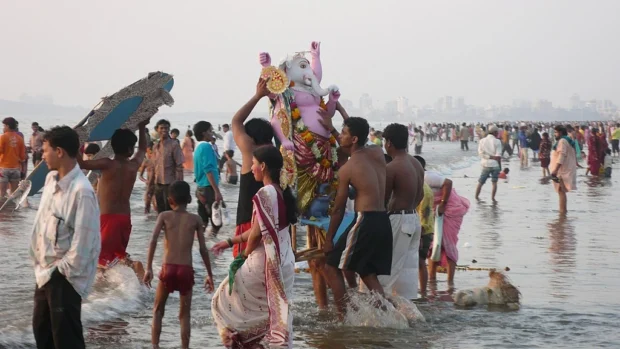
As twilight arrives, Mumbai changes pace. Rooftop bars in Lower Parel fill with laughter; in Andheri, live music spills into side streets. Chowpatty Beach is another nighttime favorite, known more for its festive spirit than late-night wildness. On festival nights, families bring drums and lanterns, filling the night with song and colored light. In less touristy corners, small neighborhoods (called “wadis”) host card games and slow conversations under string lights these local gatherings show the city’s intimacy.
One night, I sat near a paan stall in Girgaon, listening to old men debate cricket scores in a mix of Hindi and Marathi. The owner, Suresh, passed paan wrapped in silver leaf and explained, “Mumbai ka raat alag hai.” (Mumbai’s night is different.) I agreed. If day is for business, night is for stories. From street food to midnight talks on Marine Drive, Mumbai’s nightlife is sared, not exclusive—a touch of celebration on every face.
Customs, Etiquette, and Local Wisdom
Mumbai is friendly, but keep a few customs in mind. Greetings are simple say “Namaste” with hands joined, or just a quick “Hello.” Shoes are always removed before entering homes, temples, or some shops. When in doubt, watch the locals. People value personal space, but crowds are common smile, be patient, and thank those who help. If offered food or drink, it’s polite to accept, even just a small taste.
English is widely spoken, but you’ll hear Marathi (the local language) and Hindi everywhere. Mumbai people are fast talkers, yet willing to pause for a curious visitor. The city’s favorite phrase, “Chalta hai,” (It’s okay) means much here: Mumbai forgives small mistakes, and rewards polite questions. Even in the crowd, you’ll find patience and humor qualities that make Mumbai unforgettable.
Leaving Mumbai: A City That Stays With You
Mumbai is a city that invites you in, then lingers in your memory long after you leave. It is both enormous and intimate: a city of gold domes and quiet shrines, of noisy trains and silent prayers at sunrise, of color and calm. People come for the monuments, the food, the history, but stay for the faces and moments that reveal Mumbai’s generous soul.
With every walk, every meal, every photograph, Mumbai teaches you that the most precious parts of a city are those shared with strangers. And as the sun sets over Marine Drive, and the city glows with a thousand yellow lamps, even the most hurried traveler will find space to stand still and simply take it all in. Mumbai, in its own way, says: welcome back, whenever you return.

Photographer and writer capturing life through people’s stories and candid street moments.
- Marine Lines Mumbai 2021 by Dr Vikramjit Kakati on Wikimedia Commons – cc by-sa 4.0
- Gateway of India, Mumbai, Maharashtra by Drashti Nazarr on Wikimedia Commons – cc by-sa 3.0
- Chatrapati Shivaji Maharaj terminus. Mumbai. Maharashtra by Samratvikas on Wikimedia Commons – cc by-sa 4.0
- Marine Drive Skyline by Itzashwini on Wikimedia Commons – cc by-sa 4.0
- Cave Scene with Dogs Snoozing – Elephanta Caves – Elephanta Island – Mumbai – Maharashtra – India (26409412675) by Adam Jones from Kelowna, BC, Canada on Wikimedia Commons – cc by-sa 2.0
- Prince of Wales Museum, Mumbai 01 by Bernard Gagnon on Wikimedia Commons – cc by-sa 4.0
- Mani Bhavan – Gandhi's house in Mumbai by Jorge Láscar on Wikimedia Commons – cc by-sa 2.0
- Mumbai.in Juhu Durga Puja – panoramio by SINHA on Wikimedia Commons – cc by-sa 3.0


.jpg)


