

Edinburgh, a city shaped by volcanic rock and centuries of stories, greeted me first with a sharp, fresh wind rolling down from Arthur’s Seat. Each step I took across its cobbled streets, I found myself wrapped in layers of history, the hum of modern life, and the murmurs of old legends. Here, the streets are lined with whispered secrets, corners rich with color, and mornings alive with the smell of roasted coffee and distant sea air. Scotland’s capital is both a living museum and a stage for daily life, blending the past and present in every market, square, and shadowed alleyway. As I wandered, notebook in hand and appetite sharp, I met locals eager to share tales, and I found myself gathering not just images, but textures and flavors that lingered long after the sun dipped behind the stone skyline.
Table of Contents
Walking the Royal Mile: Edinburgh’s Historic Heart
The Royal Mile is the true spine of Edinburgh’s Old Town, stretching from the heights of Edinburgh Castle all the way down to the quiet dignity of Holyrood Palace. I began my journey at the foot of Castlehill, near the castle gates. The street gently slopes eastward, offering a dramatic view down to the sea on clear days. Here, bagpipes echo between tall tenements, and shop windows sparkle with tartan, wool, and silver jewelry. Street performers cluster at city squares, especially during festival season, bringing a touch of theater to daily life.
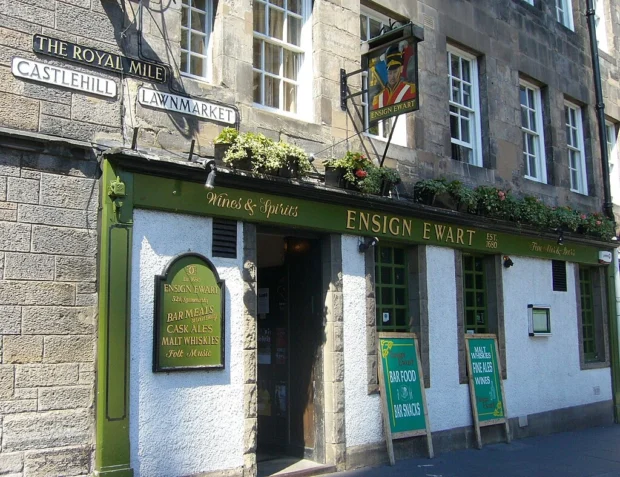
Every few steps, you’ll see narrow closes these are small alleys, often with mysterious names like Fleshmarket Close or Mary King’s Close. Some say these lanes still hide fragments of old stories, like secret gatherings or midnight escapes. I ducked into several, just to feel the ancient stones beneath my fingers and catch the cool dampness that never seems to leave. On the Royal Mile, the city’s medieval plan is alive each building seems to lean in, eager to share a secret if you pause to listen.
Edinburgh Castle: Stone Sentinel Above the City
Nothing quite prepares you for the sight of Edinburgh Castle perched atop its volcanic crag, dominating the skyline like a stern old uncle watching over the city. Approaching it, I felt both small and protected. The castle’s sturdy walls have witnessed centuries royal births, battles, sieges, and the echo of bagpipes across cold ramparts. Inside, I lingered over the Scottish Crown Jewels and the Stone of Destiny, both symbols of proud, tangled Scottish sovereignty.
If royal history fascinates you, the Tower of London offers another majestic glimpse into Britain’s storied past beyond Edinburgh.

There are odd details here, for those who look: the one o’clock gun, fired daily except Sundays, startled me and made nearby pigeons scatter in a flurry. It’s a tradition that once helped sailors set their clocks. Look closely and you might notice the dog cemetery a tiny, peaceful patch where soldiers’ loyal dogs rest. From the castle’s battlements, I gazed down at the city unfolding below, with the blue blur of the Firth of Forth far beyond. This view, I thought, would inspire anyone to pick up a pen or camera.
Holyrood Palace: Where History and Ceremony Meet
Descending the Royal Mile, I found myself at the gates of Holyrood Palace, the British monarch’s official residence in Scotland. The atmosphere here is both grand and quietly dignified. The palace’s honey-colored stone glows in morning light, and the gardens seem to hush the city’s noise. Strolling through the Queen’s Gallery and the historical chambers, I imagined Mary, Queen of Scots, walking these same halls, plotting and worrying in times of storm and uncertainty.

Behind the palace, Holyrood Park stretches wide its green hills and ancient ruins feel far older than the palace itself. The contrast between the ceremonial life inside and the wildness of Arthur’s Seat rising behind is striking. For me, Holyrood is not just a tourist attraction; it’s a living part of Edinburgh’s rhythm, where state events blend with the footsteps of morning joggers and the laughter of picnicking families.
Arthur’s Seat and the City’s Wild Edge
If you crave a taste of Edinburgh’s wilder side, Arthur’s Seat is the city’s crown of green. This extinct volcano stands behind Holyrood Palace, easily reached on foot. The climb can be steep but is manageable for most, and the reward is beyond words. Halfway up, I met a retired geologist who explained that these rocks are almost 350 million years old. The summit offers the best panorama of Edinburgh rooftops, spires, distant hills, and, on lucky days, the shining sea. Up here, the wind is strong and sharp, chasing away city dust and worry.

Sunrise or sunset are the best times for photography; the city glows gold, and even the air tastes different. I shared a flask of strong tea with a pair of students, who told me climbing Arthur’s Seat before exams was a tradition to clear the mind. In moments like these, the city feels both ancient and completely alive.
Local Cafés and Literary Corners
Back down among the winding streets, one cannot help but be drawn to Edinburgh’s café culture. Literary legends J.K. Rowling and Robert Louis Stevenson once made their homes here, and the city remains a haven for writers and daydreamers. I spent a morning at a small café near Greyfriars Kirkyard, sipping strong Scottish coffee and watching rain draw silver lines down the window.
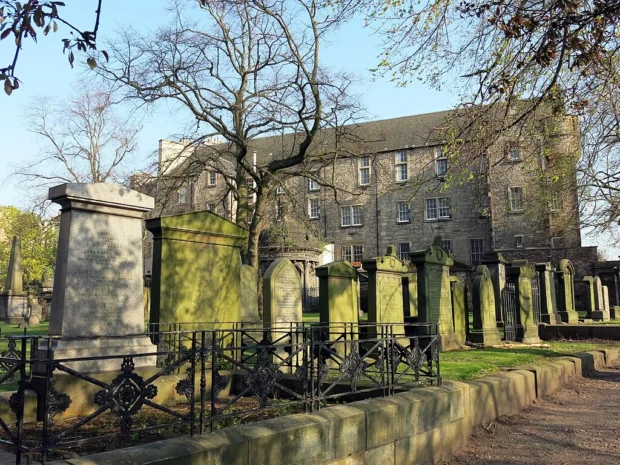
Greyfriars Kirkyard itself is more than just a cemetery it is a place where history, nature, and folklore meet. The grave of Greyfriars Bobby, the famous loyal dog, is always adorned with sticks and flowers. Local stories say Bobby guarded his master’s grave for fourteen years, and children still leave little gifts at his statue nearby. The kirkyard’s tilted headstones and twisted yews seem to shelter secrets, and if you listen, you might almost hear echoes of old sermons or laughter from centuries past.
Markets, Public Squares, and Social Hubs
Edinburgh’s markets and squares are a delight for curious souls. On Saturdays, the city’s farmers’ market stands in the shadow of the castle, brimming with fresh produce, homemade preserves, and the sharp, tempting scent of smoked salmon. I once met a cheesemaker here who wore a kilt and quoted Burns as he handed me a sliver of mature cheddar.
Other days, I found myself wandering through Grassmarket one of the city’s historic squares, now lined with cafés and lively pubs. In the past, Grassmarket was the scene of public executions, but today it pulses with music, conversation, and the clink of coffee cups. Tiny shops sell artisanal bread and Scottish tablet (a crumbly, sweet fudge), and street artists sketch portraits for tourists. In the evening, fairy lights and laughter fill the air, and every surface seems to tell a story.
Culinary Heritage: Savoring Edinburgh’s Tastes
No visit is complete without sampling the city’s culinary classics. In the heart of the Old Town, I tried haggis for the first time a spicy, peppery dish of sheep’s offal, oats, and spices, served with “neeps and tatties” (turnips and potatoes). It was far tastier than I expected, especially with a sip of smoky whisky from a nearby distillery. The New Town, with its elegant Georgian streets, is home to fine bakeries where you can find warm scones and raspberry jam in the morning. Leith, Edinburgh’s port district, is famous for seafood. I once lingered over a bowl of Cullen skink, a creamy fish soup, watching ships bob on the chilly water outside.
For sweets, Scottish shortbread is a must, and in small chocolate shops on Victoria Street, I found hand-dipped chocolates flavored with thistle honey and salt. The weekly Stockbridge market in the New Town brought a world of flavors try a Scotch pie, or, if you dare, the deep-fried Mars bar, a local curiosity that is surprisingly delicious after a walk in the rain.
Art, Architecture, and Cultural Landmarks
The city rewards those who look up. The spires and towers of St Giles’ Cathedral on the Royal Mile strike an impressive figure. Inside, the stained glass scatters colored light across old stone, and the Thistle Chapel is a marvel of intricate woodwork, almost dreamlike in its detail. I sometimes sat quietly in a wooden pew, letting the organ music wash over me, and felt the centuries slip past in slow waves.

If you love art, make time for the National Museum of Scotland, a modern palace of glass and stone. Its galleries tell stories from Scotland’s ancient past to its turbulent modern era. Look for the tiny, beautiful Lewis Chessmen, carved from walrus ivory, as well as Dolly the Sheep, the world’s first cloned mammal. Not far away, the Scottish National Gallery displays works by Rembrandt, Turner, and Scottish masters. I stood for ages before a huge landscape by Raeburn, imagining the wild hills as they might have looked two hundred years ago.

Calton Hill, with its unfinished “Athens of the North” monuments, is the city’s favorite perch for evening views. The columns of the National Monument stretch towards the sky, and locals gather here for festivals, picnics, and even spontaneous ceilidh dances. At sunset, the city glimmers below, and you may hear students recite poetry to the wind. From here, Edinburgh is a living patchwork old and new, grand and humble, always changing.

Finding Your Way: Transport and Accommodation Tips
Arriving in Edinburgh is easier than you might think. Edinburgh Airport links the city to many European destinations. I found the Airlink 100 bus the simplest way to reach the heart of the city; it runs regularly, is affordable, and drops you at Waverley Bridge, just steps from Princes Street and the Old Town. If you arrive by train at Waverley Station, stairs and ramps take you straight into the city’s bustle, with luggage in tow and excitement close behind.
Getting around is best done on foot or by the city’s efficient buses and trams. The Old Town’s streets are steep and sometimes slippery, so wear shoes with good grip. I stayed in a guesthouse tucked behind the Meadows a green park where students play frisbee and locals walk dogs. Options for accommodation are varied, from cozy bed and breakfasts in Georgian townhouses to modern apartments overlooking the Forth. If you prefer quiet after dark, look for somewhere in the New Town or Dean Village, where the Water of Leith runs silent past weeping willows and gardens.
Local Customs, Do’s and Don’ts, and Festival Moments
Edinburgh’s people are proud but friendly. I learned that it’s polite to greet shopkeepers and thank bus drivers. Standing on the right of escalators lets hurried commuters pass. Scots are known for their dry humor if someone makes a joke at your expense, it’s likely meant kindly. Locals dress for the weather, not fashion, so don’t be surprised by layers and raincoats even in summer.
The city comes alive in August during the Edinburgh Festival Fringe the world’s largest arts festival. Colorful posters cover every surface, and the streets fill with acrobats, musicians, and actors. I was handed a flyer by a performer dressed as a 17th century ghost, who insisted I come to his one-man show in a candlelit cellar. Some nights, fireworks burst above the castle, and the whole city seems to hum with energy and anticipation.
Final Reflections: Edinburgh’s Everyday Poetry
What stayed with me most, as I finally left Edinburgh, were not just the sights though the castle, palace, and ancient hills are unforgettable but the daily poetry of the city. The scent of rain on hot stone, the laughter rising from market stalls, the hush of the kirkyard at twilight. I think of the elderly man who shared a bench with me in Princes Street Gardens, feeding sparrows and telling of his youth when “the city was quieter, but never dull.”

Edinburgh invites you to look up, listen closely, and savor each detail. Whether you come for its landmarks, its stories, or simply to watch the clouds move over the rooftops, this is a city to be lived and remembered one stroll, one conversation, one warm cup at a time.
For a change of scenery, consider a stroll through the vibrant Wenceslas Square in Prague, where historic events blend seamlessly with lively city life.
Lover of cities, local cafés, and historic streets, exploring urban life with attention to architecture and culinary delights.
- EdinburghFromCastle by The original uploader was AlanFord at English Wikipedia. on Wikimedia Commons – cc by 2.5
- Ensign Ewart, Royal Mile Edinburgh by Kim Traynor on Wikimedia Commons – cc by-sa 3.0
- Edinburgh Castle, Edinburgh – geograph.org.uk – 502440 by Dave Hitchborne on Wikimedia Commons – cc by-sa 2.0
- Edinburgh Holyrood Palace-20110904-RM-130303 by Ermell on Wikimedia Commons – cc by-sa 4.0
- Arthur's Seat and Edinburgh Old Town – geograph.org.uk – 1905895 by David Dixon on Wikimedia Commons – cc by-sa 2.0
- Edinburgh – Greyfriars Kirkyard – 20140421182913 by Enric on Wikimedia Commons – cc by-sa 4.0
- Edinburgh, St Giles – geograph.org.uk – 7279027 by Kay Williams on Wikimedia Commons – cc by-sa 2.0
- National Museum of Scotland – geograph.org.uk – 5737138 by M J Richardson on Wikimedia Commons – cc by-sa 2.0
- Calton Hill, Edinburgh – geograph.org.uk – 896915 by Bob Jones on Wikimedia Commons – cc by-sa 2.0
- East Princes Street Gardens, Edinburgh – geograph.org.uk – 4608179 by Mike Pennington on Wikimedia Commons – cc by-sa 2.0


