

Shanghai stands as a gleaming metropolis where history and modernity intertwine, with The Bund offering an iconic riverfront promenade known to many visitors worldwide. This famous waterfront, hugging the Huangpu River, showcases magnificent colonial architecture alongside panoramic views of futuristic skyscrapers in Pudong. For those curious about Shanghai’s rich cultural heritage, historic architecture, and vibrant urban scenes, The Bund represents a compelling blend of old and new. Whether you seek a peaceful stroll under lantern-lit trees or wish to delve into stories of Shanghai’s international past, this riverside path is a must-see spot with plenty of surprises to discover.
Table of Contents

Approaching The Bund: How to Get There Smoothly
The Bund is situated in Shanghai’s Huangpu District, easily accessible from many areas of the city. From Shanghai’s main train stations or the airport, visitors have diverse transportation options:
- Metro: The most convenient way is to take Shanghai Metro Line 2 or Line 10 to East Nanjing Road Station or Line 2 to People’s Square Station, followed by a short walk east towards the river. The signage is clear, and the stations are equipped with elevators for easy access.
- Taxi or Ride-Hailing Apps: For travelers with luggage or those preferring direct transport, taxis or apps like Didi offer an easy ride, although traffic congestion may affect travel time during peak hours.
- From the Airport: Taking Metro Line 2 directly from Pudong International Airport to East Nanjing Road Station is cost-effective, though it takes approximately an hour.
For accommodation, many hotels and guesthouses cluster near People’s Square or along East Nanjing Road, offering comfortable stays within walking distance of The Bund, providing a perfect base to explore both historic and modern Shanghai.
For a quieter journey into Shanghai’s rich heritage, the Shanghai Museum offers remarkable art and crafts that beautifully complement The Bund’s historic charm.
Golden Hours: When to Visit The Bund for the Best Experience
Timing your visit to The Bund can greatly enhance your experience. Early mornings provide a calm atmosphere where joggers and Tai Chi practitioners go about their routines, allowing visitors to enjoy tranquil river views and soft sunlight illuminating the old buildings.
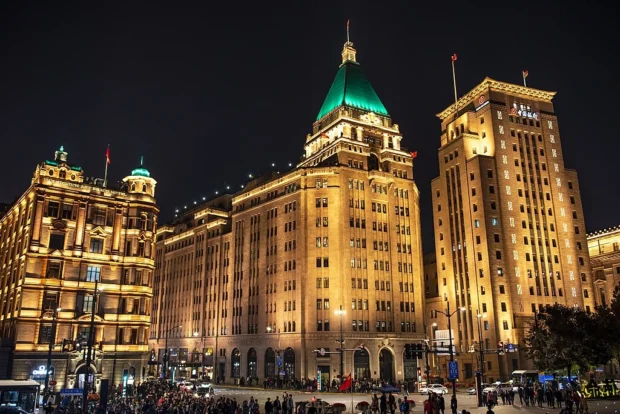
Evenings, however, are when The Bund truly comes alive. The historic buildings light up in warm hues, and across the river, the Pudong skyline dazzles with neon lights, including the luminous Oriental Pearl Tower and the towering Shanghai Tower. Weekend evenings tend to be lively but more crowded, so if you prefer fewer crowds, weekdays during sunset hours offer a perfect balance.
To complement your stroll along The Bund, the Oriental Pearl Tower offers stunning views and insights into Shanghai’s futuristic skyline nearby.
Spring and autumn months bring pleasant temperatures and less humidity, making these seasons ideal for long strolls along the promenade. During major Chinese holidays, expect larger crowds and festive decorations, adding a unique cultural ambiance to your visit.
Walking Through Time: The Bund’s Rich Legacy and Significance
The Bund, historically known as the “Waitan,” stretches about 1.5 kilometers along the west bank of the Huangpu River. It rose to prominence in the early 20th century as Shanghai became a crucial international trading hub. The row of buildings here represents architectural styles from neoclassical and Gothic to Art Deco, reflecting the influence of British, French, American, and other foreign powers during the era of the Shanghai International Settlement.
Each edifice holds stories of the past from banks and trading houses to consulates and social clubs. The Customs House with its iconic clock tower and the Peace Hotel’s green pyramid roof are prime examples of this vibrant history. Visitors often pause to imagine the bustling port and international commerce that once made Shanghai the “Paris of the East.”
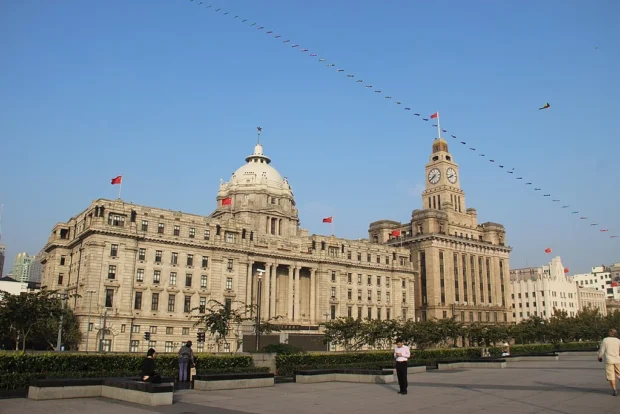
Beyond architecture, The Bund symbolizes Shanghai’s resilience and cosmopolitan spirit, carrying echoes of colonial ambitions and the city’s later emergence as a global financial center.
For a contrasting experience of historic grandeur in Europe, consider visiting Berlin’s Brandenburg Gate, a symbol of unity and timeless craftsmanship.
Planning Your Visit: Tours, Reservations, and Helpful Tips
Walking The Bund is free and open to the public at all hours, but to enrich your understanding of this historic area, guided tours are highly recommended. Several local companies offer walking tours that include stories about the buildings, famous personalities, and key events linked to The Bund’s history. Booking a tour in advance, especially during peak tourist seasons, ensures availability and a knowledgeable guide.
For a different perspective, consider reserving a river cruise along the Huangpu. These boat rides often depart near the Bund and allow glimpses of both historic architecture and the glittering Pudong skyline, particularly enchanting after dusk.
Visitor tips to keep in mind:
- Bring comfortable shoes as the promenade is long and can involve hours of walking.
- Photography lovers should visit during the golden hour for the best natural light.
- Watch out for occasional street vendors and performers, which add local flavor but stay mindful of your belongings.
- Restroom facilities are available at several points but may require a small fee in some places.
Savoring Shanghai: Nearby Dining and Local Flavors
After your riverside walk, indulge in Shanghai’s culinary delights nearby. A stroll along East Nanjing Road leads to numerous eateries serving local specialties such as soup dumplings (xiaolongbao), sticky rice cakes, and savory noodles. Many restaurants emphasize traditional preparation methods, allowing you to taste dishes infused with history and craftsmanship.
For those interested in tea culture, some teahouses close to The Bund provide serene environments where one can enjoy aromatic blends like jasmine or oolong while observing local tea ceremonies, a delicate ritual blending taste with mindfulness.
Street food stalls also offer quick bites like fried pancakes and skewered meats, providing an authentic sensory experience amid bustling surroundings.
Further Insights: Hidden Details and Local Lore at The Bund
Beyond the obvious grandeur, The Bund hides small tales and enchanting details that many miss. For example, the elegant lampposts lining the promenade are replicas inspired by early 20th-century designs, carefully restored to maintain the area’s historic authenticity.
One charming anecdote involves the “Bund Sightseeing Tunnel,” a short underground ride beneath the river featuring psychedelic lights and music a playful contrast to the area’s stately architecture.
Additionally, local craftsmen sometimes display traditional calligraphy or miniature artworks near the river, connecting visitors to Shanghai’s artistic heritage. Taking a moment to appreciate these crafts invites reflection on the city’s blend of history, modernity, and human creativity.
Official Resources and Further Planning
For official information, event updates, or to book tours and cruises, visiting the official Shanghai tourism portal helps greatly. They provide practical details and multilingual support for international visitors. You can access the site by clicking Shanghai Tourism Official Site.
A Chinese tour guide with deep knowledge of the Far East, its traditions, and culinary secrets.
- The Bund, Shanghai, China (December 2015) – 15 by Another Believer on Wikimedia Commons – cc by-sa 4.0
- Promenade du Bund by Georgio on Wikimedia Commons – cc by-sa 3.0
- 2015 The Bund, Shanghai- Hong Kong and Shanghai Bank, 1923 (left) & Customs House, 1927 (right) by Gary Todd on Wikimedia Commons – cc0
- Peace Hotel Shanghai (20191113200111) by N509FZ on Wikimedia Commons – cc by-sa 4.0
_-_15.JPG)

_%26_Customs_House,_1927_(right).jpg)
.jpg)