
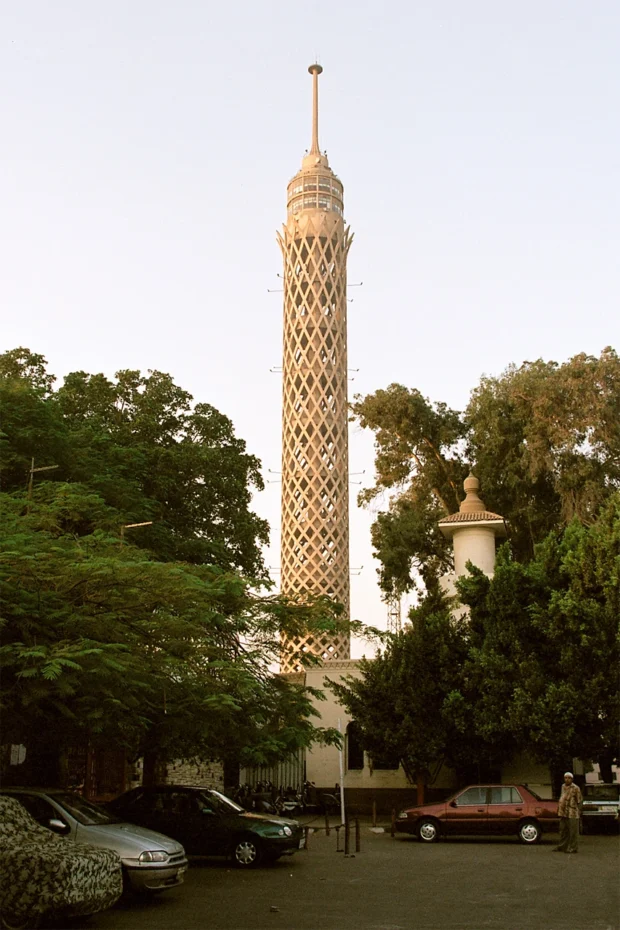
Cairo is a city that surprises you every hour. With every turn, the capital of Egypt offers a timeless mix of old-world treasures and vibrant daily life. Here, ancient pyramids stand across from busy highways, and centuries-old mosques share neighborhoods with new apartment blocks. As someone always searching for stories and real connections, Cairo gave me both beauty and unexpected humor, served under a golden North African sun.
Table of Contents
Arriving in Cairo and First Impressions
Flying into Cairo International Airport, the city’s energy is obvious even before you reach the immigration lines. People are warm, keen to ask where you’re from, or debate the best recipe for koshari. The first trip from the airport to the city center usually by air-conditioned shuttle bus or the newer metro extension gives a preview of both the city’s modern efforts and spirited traffic. No one seems to be in a rush, yet everyone seems busy. Even on the bus, a stranger insisted on sharing her grandmother’s mint tea, setting the tone of Cairo’s endless hospitality.
Finding a place to stay is easy in both Downtown and more peaceful districts like Zamalek on Gezira Island. Zamalek, separated by the Nile from the bustle, is leafy, full of art galleries, and has a slightly Bohemian mood. I met a local sculptor here, who compared the city’s energy to “a river you must swim across, not just watch from the banks.” In Zamalek, that river seems less wild, with hidden bookshops and riverside cafés inviting you to linger.
Pyramids of Giza: History in Sunlight
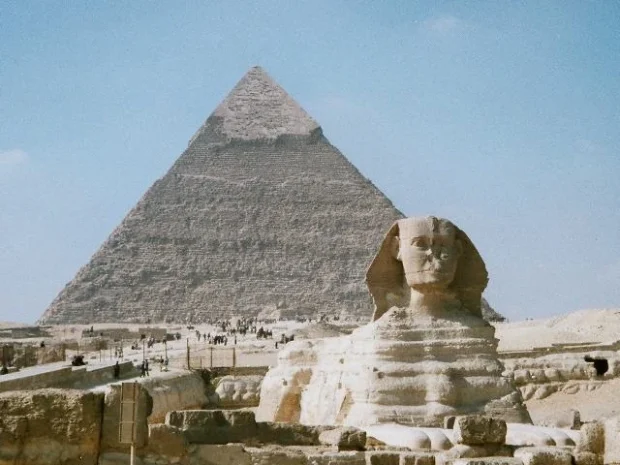
Few places match visiting the Pyramids of Giza for the first time. They rise suddenly from the sand, closer to the city edge than expected, and more imposing than any photograph can show. I visited at sunrise, with the early rays casting huge golden shapes over the landscape. Camels are not just for tourists here; locals still use them to cross the sandy stretch between the pyramids and the Sphinx.
I asked a young guide if he found working among “the wonders” overwhelming. He just shrugged and joked, “The Pharaohs chose a good neighborhood.” My favorite sight wasn’t the massive stones, but the mix of old and new: a soccer match in a nearby field, donkey carts jogging past luxury SUVs, all beneath these ancient tombs. If you listen carefully, local children run pyramid-themed games nearby, showing that history is alive for all ages here.
The Egyptian Museum and Unexpected Stories
Still full of the desert’s heat, I made my way into the Egyptian Museum in Tahrir Square. The building itself, faded pink and full of echoes, feels like Cairo’s memory box. Inside, the famous golden mask of Tutankhamun gleams quietly, but I found myself more interested in everyday objects the sandals, painted boards, toys from ancient tombs. An elderly caretaker pointed out a painted ostrich egg, explaining it was “a sign of luck for a happy life” in old Egypt. Such details bring the past close.

While some artifacts seem frozen in glass, the museum is anything but silent. Classes of laughing schoolchildren flow past, teachers telling tales of gods and goddesses, sometimes with a little creative license. Old men argue over hieroglyphics in side rooms. For a moment, time folds: I feel a sense of shared curiosity that connects me to Cairenes across generations.
Al-Muizz Street: Heartbeat of Old Cairo
Al-Muizz Street, running through historic Islamic Cairo, is a living textbook for urban history fans. Every few meters, you encounter minarets, shadowy arches, fountains, and carved doors that belonged to sultans and scholars. The call to prayer rolls overhead, bouncing off stone and wood. If you wander at dusk, the street glows with lantern light, and vendors sell bread, fruit, and the famous sweet basbousa.
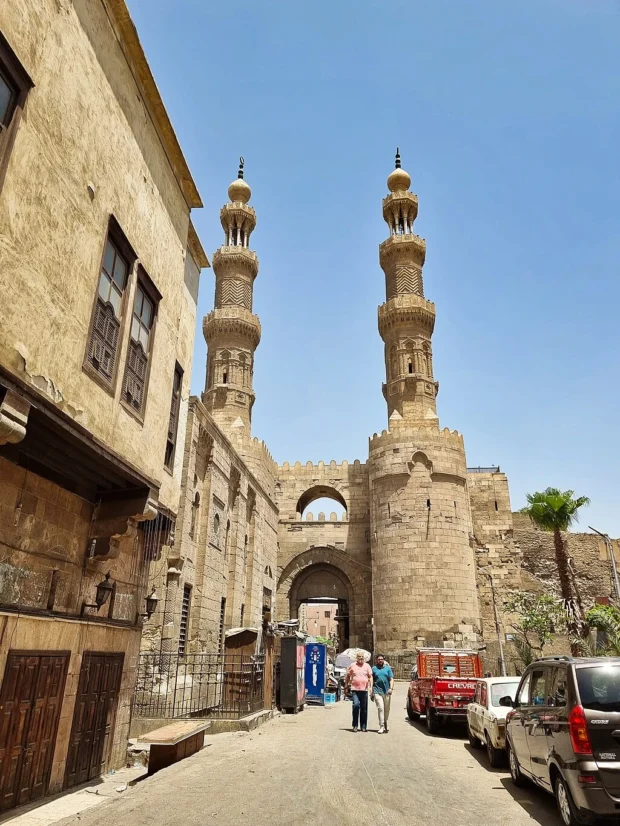
On my afternoon stroll, I paused by Bab Zuweila, a medieval city gate once used to watch over the city. Today, bold children play hide and seek below it, while old men play chess in the shade. Nearby, the Al-Hussein Mosque draws crowds every evening some seeking spiritual comfort, others just a cool place to rest. For anyone interested in Cairo’s Muslim heritage, the street offers a living museum of styles, from simple stone mosques to the ornate domes of the Mosque of Muhammad Ali inside the Citadel of Saladin.
Cairo’s Living Faith: Mosques, Coptic Churches, and Rituals
Religious traditions weave through daily life here, often in surprising ways. I visited the Mosque of Muhammad Ali, known for its beautiful domes and wide courtyard that overlooks the city. Standing at the edge, the view stretches from the crowded alleyways to the gleaming Nile a reminder of history’s broad sweep. Friday prayers fill the square with the scent of incense and the sound of hundreds of sandals tapping on stone.

Not far away lies Al-Azhar Mosque, the world’s second-oldest university, where students today still argue philosophy over mint tea. Down a different lane, in Coptic Cairo, I stumbled into an ancient church just as a wedding began. Bells rang, frankincense clouds floated, and girls sang old hymns I did not recognize. Cairo’s Christians and Muslims often live side by side, sharing bakeries and markets, reminding me that faith here is not just ancient it remains woven into smiles, greetings, and street scenes.

Markets and Melodies at Khan El Khalili Bazaar
If Cairo is a book of stories, then Khan El Khalili Bazaar is the most colorful page. I spent hours losing myself among its crowded alleys, trying not to get lost in a cloud of spices, perfumes, and cheerful haggling. The market feels eternal; silversmiths tap out bracelets, calligraphers lean over parchment, and vendors press you to taste sticky-sweet kunafa. No one is simply a seller each person here is a born storyteller.

In a tiny coffeehouse, I listened to oud music its deep, mournful sound drifting above the chatter. Two old men debated whether the rosewater sweets tasted better in 1960 or today. Later, a tailor explained that his father first taught him how to make prayer caps at this market. In the heart of Khan El Khalili, history is not only behind glass but alive in hands and laughter.
Modern Cairo: Gezira Island and Zamalek’s Creative Pulse
Whenever I needed a break from the city’s ancient layers, I crossed the Nile to Gezira Island. Zamalek, its northern tip, offers broad leafy streets and quiet moments beside the river. Here, students and artists gather in bookshops, and the breeze carries the sound of distant jazz from a community center. One evening, a group of poets invited me to a rooftop reading, sharing verses about Cairo’s shifting moods, from the dusty sunrise to the glowing evening lights.
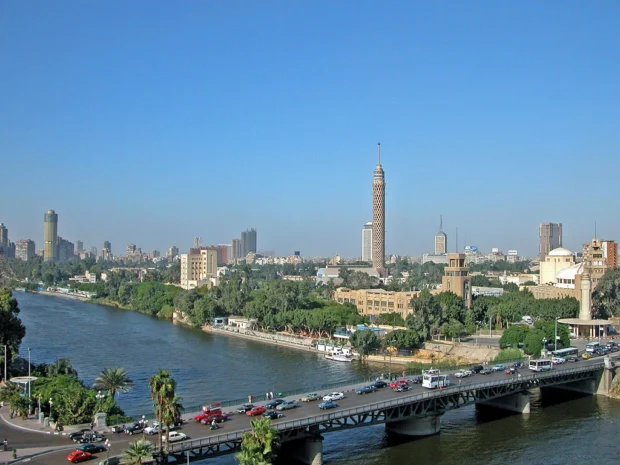
While the city is famously busy, Zamalek feels slower, its life measured by chess games in the park and laughter over small plates of meze. On a walk, I discovered a display of traditional embroidery, with grandmotherly women explaining each pattern’s story. “Each stitch i a word,” one said with pride. Craftsmanship, both old and new, is cherished on this island—a quiet anchor in the capital’s constant motion.
Urban Legends, Nilometer, and the City of the Dead
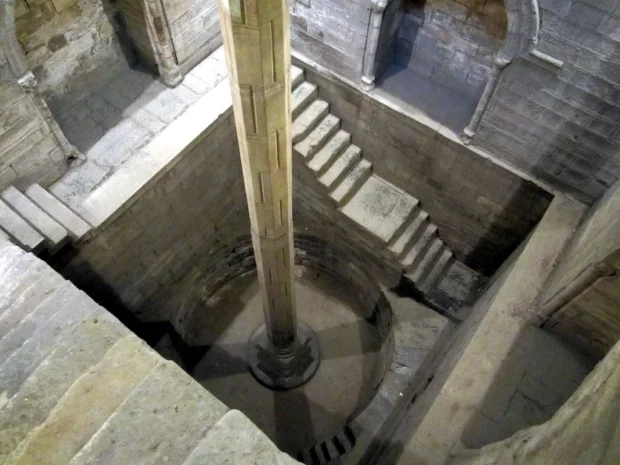
Cairo has oddities that most travelers miss. Tucked on Roda Island, the Nilometer is an antique structure built to measure the river’s heights and predict good harvests. Its column, deep in a well, still records the Nile’s moods. A caretaker explained over strong, sugary tea how festivals once marked the river’s rise each year. He winked and whispered about ancient rituals for rain and fortune, showing that old beliefs still ripple beneath modern life.
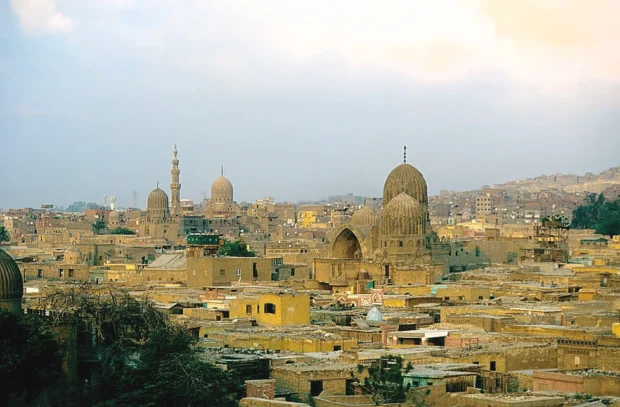
Equally fascinating is the City of the Dead, a vast cemetery district where families live among ornate tombs and ancient mausoleums. Contrary to its name, it pulses with life: children ride bicycles between gravestones, and shops serve strong coffee to day laborers. Some locals say this place is haunted, but more believe it is simply another neighborhood, proof of Cairo’s ability to blend the living and the past.
Food and Community: Koshari, Ful, and Sweet Surprises
Cairo’s real flavors are bold, cheerful, and sometimes messy in a good way. In the old city, I sat elbow-to-elbow with strangers over bowls of koshari, Egypt’s favorite street food. Tangy tomato sauce, tiny fried onions, lentils, pasta all in one piping-hot bowl. Each café has a secret blend they brag about. In the historic district, breakfast often means ful (stewed fava beans) scooped up with flatbread and shared with friendly strangers. “Food is for company,” a shopkeeper told me, and I believe him.

Each district has different favorites. Coptic Cairo offers honeyed pastries in church courtyards, Islamic Cairo serves up grilled kebabs spiced with cumin, and in Zamalek you’ll find fresh juices and sticky date cakes. Street vendors call out for you to taste tameya (Egyptian falafel), and no matter your language, a smile earns you an extra piece. The sweet scent of cardamom drifts around every tea stall. In Cairo, eating is not only about food it is ceremony and welcome, a way to become part of the local story, at least for one meal.
Finding History at Every Turn: Museums and Gates
Besides the Egyptian Museum, Cairo’s Museum of Islamic Art offers a different chapter of artistic creativity. Intricate tiles, manuscripts, and ancient lamps show the city’s ties to many worlds. I noticed a group of schoolgirls sketching their favorite shapes in a notebook, giggling as they imagined their own palaces. In this museum, even written Arabic seems to dance across the walls, telling stories of poets and emperors.

The city’s ancient gates, Bab Zuweila and Bab al-Futuh, still watch over the oldest quarters. It’s said that climbing to the top of Bab Zuweila brings good luck a superstition I learned as much from children as from old guides. I made the climb at sunset, the city spread out below like a puzzle. Church spires, minarets, satellite dishes, and the distant glint of the river Cairo’s patchwork is best understood from above, where history and now merge into one.
Getting Around and Feeling the Rhythm
Moving through Cairo takes some patience and a sense of humor. The metro is quick, cheap, and somewhat cooler than the street, especially during rush hours. Women often ride in separate carriages both for comfort and tradition. City buses connect even the furthest corners, and adventurous spirits sometimes hop onto a tuk-tuk for short rides in smaller lanes. Most travel stories here involve getting lost (just a bit) and finding a helpful local to guide you with a story about their uncle who once met a real-life pharaoh, or at least a movie star.

Walking is rewarding in safe and lively areas such as Downtown and Zamalek but always cross busy roads with care traffic rarely stops, but drivers are alert and usually good-humored. I quickly learned the local rule: walk steadily and with confidence, and the cars will flow around you. There is a rhythm to Cairo, not written down, but understood by all who call it home.
Cultural Rituals, Customs, and Everyday Wisdom
Cairo’s customs are about respect, warmth, and rhythm. Greetings are important a handshake, a smile, and a patient question about your family. Take shoes off before entering mosques or homes. Dress modestly in old quarters. I learned quickly that joking is part of every serious conversation, and hospitality is almost an art form. Declining an offer of tea more than once is nearly impossible, but accepting it always leads to a new story.
Traditional music drifts from windows at night, and during festival seasons, whole streets come alive with drums and dancing. I witnessed a wedding celebration swirl into spontaneous singing in the alley, everyone clapping in rhythm, welcoming even strangers. Storytelling is not just a show, but a living link between generations. Everyone you meet seems to have a legend to tell; the city itself feels like a narrator, whispering through every stone and street.
Why Cairo Still Surprises the World
For all its fame, Cairo is never simply a museum. The city’s true charm lies not only in grand monuments but in daily scenes: a fruit seller singing love songs at dawn, children improvising soccer in front of ancient gates, craftspeople shaping tradition into new forms. Perhaps Cairo’s greatest gift is to show the past and present walking side by side, sharing jokes and meals, in the never-ending story of city life.
For a gentle contrast to Cairo’s timeless bustle, see how Alexandria blends ancient wonders with Mediterranean calm in its lively streets Alexandria adventure.
Leaving Cairo feels like closing a storybook before the last page. Its sights the Pyramids of Giza, the Egyptian Museum, Khan El Khalili Bazaar are etched into memory, but the best souvenirs are the small kindnesses and shared laughter that fill the city’s alleys. For those curious about what keeps Cairo alive, the answer is simple: it is a city that teaches you to be both guest and storyteller, finding the familiar within the extraordinary every single day.
Traveler exploring cultural intersections, sharing reflections on similarities and differences between traditions, lifestyles, and food.
- Facade of the Egyptian Museum, Tahrir Square, Cairo, Egypt1 by Diego Delso on Wikimedia Commons – cc by-sa 3.0
- The Mosque of Muhammad Ali (2714876173) by Filip Maljković from Pancevo, Serbia on Wikimedia Commons – cc by-sa 2.0
- Al-Azhar Mosque, Cairo, Egypt9 by Diego Delso on Wikimedia Commons – cc by-sa 3.0
- Khan el-Khalili 2019 1 by Mohammed Ali Moussa on Wikimedia Commons – cc by-sa 4.0
- Egypt-2A-010 – Cairo (2217349050) by Dennis G. Jarvis on Wikimedia Commons – cc by-sa 2.0
- Nilometer (8590204613) by David Stanley from Nanaimo, Canada on Wikimedia Commons – cc by 2.0
- El Cairo 1999 12 by LBM1948 on Wikimedia Commons – cc by-sa 4.0
- Complex of Al Sultan Al Zahir Barquq 010 by mohamed saleh on Wikimedia Commons – cc by-sa 4.0
- CairoIslamicMuseum by Roland Unger on Wikimedia Commons – cc by-sa 3.0
- Bab Zuweila, Cairo (2) (52088542636) by Richard Mortel from Riyadh, Saudi Arabia on Wikimedia Commons – cc by 2.0
- Zamalek Arial by Abdallah (talk) on Wikimedia Commons – cc by-sa 3.0
- Egypt.Giza.Sphinx.01 by en:User:Hajor on Wikimedia Commons – cc by-sa 3.0

.jpg)


.jpg)
.jpg)


_(52088542636).jpg)

