
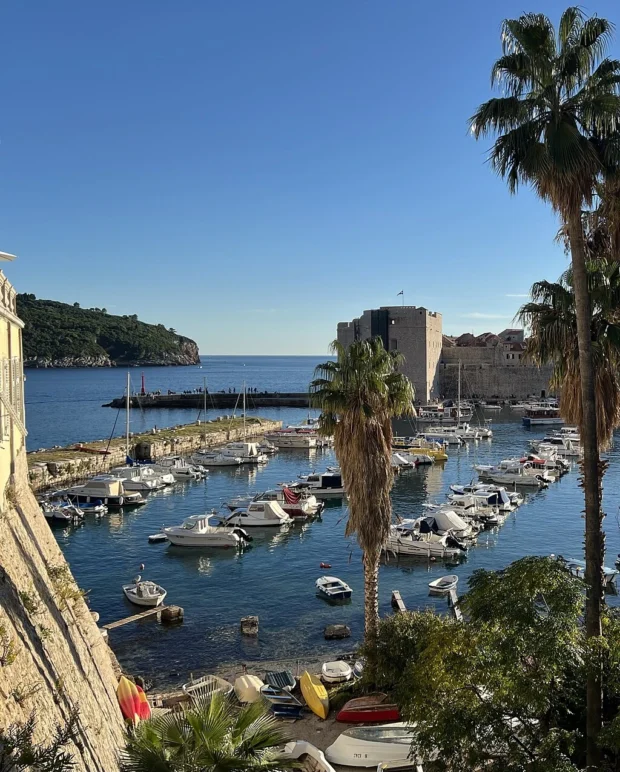
Ask anyone what Croatia’s coastline is like and odds are, they’ll mention Dubrovnik. This medieval city, hugged by the brilliant Adriatic Sea, is instantly recognizable by its red-tiled rooftops, limestone streets, and ancient city walls. You do not need to be a historian to feel the pull of its long past here, you simply walk and history finds you. Dubrovnik’s Old Town is a living museum, but not in a stuffy way. Old women air laundry from centuries-old windows, fishermen bring their catch to the morning market, church bells echo over the city’s tiled roofs. Even if you only have a few days here, you’ll soon see why millions crave to walk these stone streets and gaze over the city walls.
Table of Contents
Arriving in Dubrovnik: Basics and Transport Tips
Getting to Dubrovnik is easy from many European cities. Most visitors land at Dubrovnik Airport, which sits about 20 kilometers from the city center. Once you land, airport shuttles run in sync with arriving flights. The ride ends at Pile Gate one of Old Town’s main entrances making it a simple, scenic arrival. If you come by bus from the north, Dubrovnik’s main bus station is beside Gruž harbor. Local buses connect the station to Old Town in 10 minutes, running often until late. For those who come by ferry, the port is also in Gruž. Public transport is reliable and easy to use; you’ll rarely need a car in the historic center, and walking is the best way to appreciate its secrets.
Dubrovnik City Walls: Walking Above the Adriatic
It’s impossible to visit Dubrovnik and not notice the ancient stone walls wrapping the Old Town. The Dubrovnik City Walls are the city’s proudest icon massive fortifications nearly two kilometers long, up to 25 meters high, and thick enough to hold secrets from nearly every century since the Middle Ages. The climb up the steps quickly makes your heart beat, but each view rewards you. To one side, endless red roofs and church domes; to the other, the dazzling blue sea, sometimes so clear you spot schools of fish below.
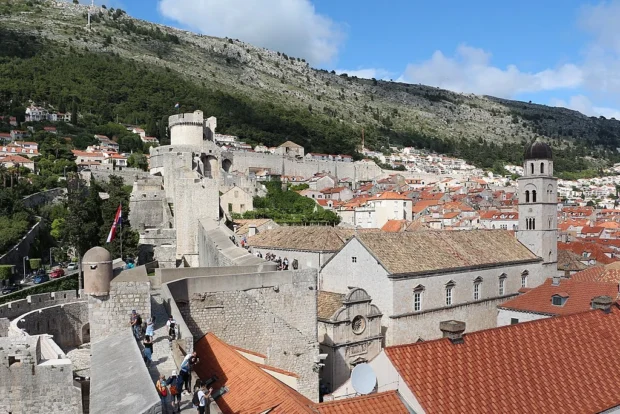
I chatted with a local guide who shared that in past centuries, these walls faced pirates, Venetians, and Ottomans. Signal fires once burned from the towers to alert townsfolk. Today, only the seagulls keep watch alongside you. A full circuit takes about two hours longer if you keep stopping to soak in the ever-changing scene or share a gelato from a breezy vantage point.
Old Town: Living History at Every Turn
Inside the walls, Dubrovnik’s Old Town feels like a set from another age cobblestone lanes lined with Renaissance, Baroque, and Gothic buildings. This UNESCO World Heritage site is compact, but every corner tells a story. Life spills out onto café terraces and beneath stone arches. Musicians play under lamp-lit arcades. Street cats stretch on warm steps as church bells ring the hour. Wander, and you’ll quickly spot contrasts: monks passing smartphone-waving tourists; locals doing their daily shopping beside visitors craning for photos.
Stradun, the city’s marble main street, runs straight through the heart of Old Town. At any hour, it hums with energy: school groups trailing after teachers, elderly men sipping coffee and quietly watching the crowd. You’ll see the impressive Onofrio’s Fountain at one end a fountain still used by locals and the city bell tower at the other, both centuries old and beautifully maintained.

Fort Lovrijenac: Sentinel on the Rocks
If the City Walls are Dubrovnik’s shield, then Fort Lovrijenac is its loyal watchman. Standing atop a steep cliff outside the main walls, the fortress looks like it grew from the very stone it guards. Climbing up, you’ll notice the thick walls are uneven locals told me they were built in haste to keep the Venetians away. The views from its ramparts are legendary: the entire Old Town sprawls below, framed by the blue Adriatic and the distant shape of Lokrum Island.

Fort Lovrijenac has another claim to fame: it’s been hosting open-air theatre for decades. Each summer, you can watch “Hamlet” performed in Croatian, with the sea breeze as your soundtrack and the centuries-old walls as your stage set. Personally, I felt chills just standing where knights, actors, and even TV crews (Game of Thrones fans, take note!) have stood.
More Essentials: Palaces, Monasteries, and Sacred Spaces
Dubrovnik overflows with churches and noble houses, each with fascinating details. The Rector’s Palace, once the seat of the city’s independent government, today holds a museum that’s as beautiful as its exhibits. Arched windows, marble staircases, and carved ceilings recall centuries of political intrigue and delicate diplomacy. Don’t miss the clock mechanism inside locals love to point out its intricate gears, quietly ticking since the 15th century.

As you wander, you’ll come across the Dubrovnik Cathedral with its cool stone interior and relics said to be brought back by sailors centuries ago. Myth has it King Richard the Lionheart funded the cathedral’s construction after surviving a shipwreck on nearby Lokrum. A local woman told me this story as her grandson played football in the shadow of the church, both of them seemingly unaware of the grand legends beneath their feet.

Two great monasteries, the Franciscan Monastery and Dominican Monastery, are quiet havens behind Old Town’s busy streets. The Franciscan Monastery hides one of Europe’s oldest working pharmacies; step inside and you’ll smell dried herbs and old books a retreat from the outside world. The Dominican Monastery is famous for its art paintings and treasures collected in times of war and peace, now kept safe behind stout wooden doors.

Sun and Sea: Banje Beach and Coastal Walks
Not every scene in Dubrovnik is set in stone. Just a short stroll from Ploče Gate, Banje Beach spreads its pebbly curve beneath the city walls. It’s a lively mix swimmers, sunbathers, and teenagers splashing in the shallows while cruise ships drift past on the horizon. The water is famously clean and blue; you don’t need more than a towel and sandals to join the locals. Try a morning swim for peaceful turquoise water, or visit late afternoon when gold light shimmers on the sea and walls.
If you walk further along the coast, you’ll find smaller coves where fishermen mend nets or elders play chess under shady trees. Listen for snippets of the old dialect, a musical echo from Dubrovnik’s trading days, still alive in these quiet corners.
Views from Above: Mount Srđ and the Cable Car
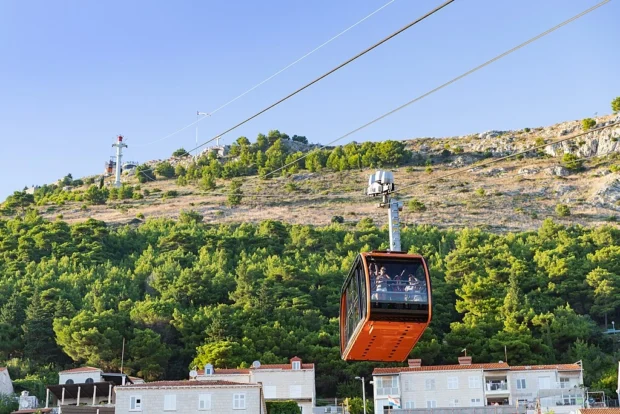
For the best panoramic scene in Dubrovnik, there’s no match for Mount Srđ. The mountain rises just behind the city; from its summit, the entire walled town, coastline, and sweeping islands come into view. It feels like flying without leaving the ground. Most visitors ride the bright orange cable car, which takes only a few minutes to reach the top and operates throughout the day. It’s an easy way to escape the crowds below and catch the sunset the city glows red and gold, the sea deepens to navy, and camera shutters never stop clicking.

At the top is more than just a viewpoint: you’ll find a war museum detailing Dubrovnik’s siege in the early 1990s. The reminders are sobering, but locals say it’s important to understand this chapter. There’s also a hillside café locals say their lemonade is tart and refreshing, best enjoyed with a view to the islands of Elaphiti in the distance.
Palaces, Forts, and Surprises Around Every Corner
While many flock to the must-see sights, smaller treasures reward those who take detours. The Sponza Palace is an understated beauty, famous for its elegant arches and peaceful courtyard. Once the city’s customs house, it later survived the 1667 earthquake when most of Dubrovnik was destroyed. Today, it holds state archives locals say ancient trading documents here map a whole world of ships, spices, and distant ports.

Close by, Fort Bokar stands watch over the western gates. It’s not as large as Lovrijenac or as busy as the City Walls, but locals come here in the evening to watch the sun sink behind the mountains. If you ask, you’ll hear stories from the elders about how this fort once signaled danger to the town or sheltered war refugees.

One spot often missed by visitors is War Photo Limited, a powerful photo gallery inside the Old Town. This small but intense space exhibits photojournalism from conflict zones around the world, including Croatia in the 1990s. It’s a good reminder that even postcard-perfect places hold memories of hardship and courage. Some visitors find it emotional locals respect that quiet reflection.

Markets, Culinary Heritage and Local Customs
The best way to feel Dubrovnik’s heartbeat is in its markets. Early morning at Gundulićeva poljana square, vendors stack ripe figs, honey, and pungent cheese on wooden stalls. Old women sell lavender bundles and homemade olive oil. The market isn’t big, but it’s lively, and I found that asking questions sometimes with just a smile and a gesture brought free tastes of candied orange peel or dried figs. Food is a big part of Dubrovnik’s identity don’t miss trying black risotto (crni rižot), a squid-ink dish served in tiny konobas tucked away on quiet alleys. In the Lapad district, families gather in seafood taverns to share grilled fish, octopus salad, and savory pastries called zeljanica. You might just be invited to join with a glass of local white wine if you linger and look interested.
Ceramics and textiles are another of Dubrovnik’s traditions. Look for hand-painted plates or embroidered tablecloths in family-run shops along the side streets. Sometimes the owners will explain the patterns many date back to the city’s days as a Republic, when trade with the Ottomans and Venetians introduced new styles and stories for the locals to weave and paint.
Dubrovnik’s customs are shaped by centuries of trade and sea travel. Locals are proud of their city’s old ways greeting with a handshake, taking time over coffee, and dressing up for Sunday mass. It’s polite to say a simple hello (“Dobar dan”) in shops or to ask permission before taking photos in churches. At feast days and festivals, the old folk songs known as klapa echo through the alleys, sometimes late into the night an unexpected window into the city’s softer side.
Where to Stay and Nightlife Vibes
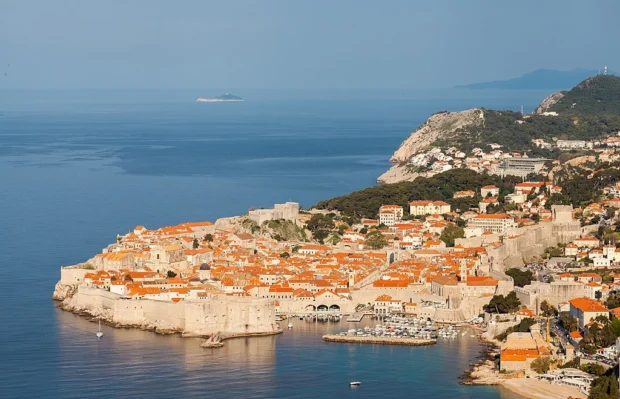
Accommodation in Dubrovnik is varied: family-run guesthouses line the Old Town lanes, while hillside apartments overlook the sea. If you want to roll out of bed and walk straight onto the marble streets, a room inside the old walls gives you that privilege. If peace and cool breezes appeal more, the Lapad and Gruž districts are quieter, shaded by gardens with easy bus access to the city center. Locals suggest booking early during summer rooms fill up quickly with visitors from all over the world.
Evenings in Dubrovnik bring cool air, golden light, and the buzz of relaxed laughter. Street musicians set up beside fountains, wine bars spill onto old squares, and travelers compare stories with locals who love to talk. For a real local tradition, hunt down a summer festival concert in one of the city’s courtyards, or catch a performance under the stars at Fort Lovrijenac. After night falls, the Old Town feels gentler lanterns flicker on stone, waves rise and fall outside the walls, and couples share quiet moments on the battlements.
Final Thoughts: Stories That Stay With You
What makes Dubrovnik unforgettable isn’t just its famous walls or shining sea it’s the blend of everyday moments and centuries-old traditions. It’s sharing a market snack with a stranger, or hearing a sailor’s tale in a shaded square. Every step in the Old Town uncovers layers trade route stories, family legends, and even a few ghostly rumors whispered on stormy nights.
Give yourself time to wander and listen, to ask questions and watch the city’s rhythms. Dubrovnik is more than a backdrop for photos it’s a living place with deep roots and open arms. Whether you climb its walls, taste its meals, or simply watch the sun set from Mount Srđ, you leave richer for seeing the city at your own pace, eye to eye with locals and their remarkable city by the sea.
After walking Dubrovnik’s City Walls and immersing in Old Town’s vibrant streets, take a moment to explore Winding Paths and Ancient Walls in Dubrovnik’s Old Town to deepen your understanding of its historic charm.
Eastern Europe travel specialist uncovering hidden gems from the Baltics to the Balkans.
- Dubrovnik, Croatia boats October 2025 by Sharon Hahn Darlin on Wikimedia Commons – cc by 4.0
- City walls of Dubrovnik 05 by Bernard Gagnon on Wikimedia Commons – cc by-sa 4.0
- Along Stradun, Dubrovnik (5) (30044500225) by Richard Mortel from Riyadh, Saudi Arabia on Wikimedia Commons – cc by 2.0
- Old Dubrovnik (57) (30134410995) by Richard Mortel from Riyadh, Saudi Arabia on Wikimedia Commons – cc by 2.0
- Croatia-01615 – Cathedral in Dubrovnik (10088238353) by Dennis G. Jarvis on Wikimedia Commons – cc by-sa 2.0
- Franciscan Monastery, Dubrovnik, 14th century cloister (3) (29463618483) by Richard Mortel from Riyadh, Saudi Arabia on Wikimedia Commons – cc by 2.0
- Old town of Dubrovnik, Croatia, a view from Mount Srd (48738970521) by dronepicr on Wikimedia Commons – cc by 2.0
- Cable car to Mount Srd in Dubrovnik, Croatia (48738636363) by dronepicr on Wikimedia Commons – cc by 2.0
- 2011 Dubrownik, Baszta Bokar (01) by Marcin Konsek on Wikimedia Commons – cc by-sa 4.0
- Banje Beach in Dubrovnik, Croatia (48612622823) by dronepicr on Wikimedia Commons – cc by 2.0
- Casco viejo de Dubrovnik, Croacia, 2014-04-14, DD 07 by Diego Delso on Wikimedia Commons – cc by-sa 3.0


_(30044500225).jpg)
_(30134410995).jpg)
.jpg)
_(29463618483).jpg)
.jpg)
.jpg)
.jpg)
.jpg)
