

Arriving in Hamburg feels a little like unfolding a great, illustrated book new stories at every corner, and chapters that stretch from historic waterways to modern architectural wonders. Strolling past brick warehouses, peering into smoky coffee houses, and sharing a pastry with a local at a bustling Saturday market, I discovered that Hamburg is not a city easily summarized by postcards or blurred glimpses from a tour bus window. This city, nestled along the Elbe River, is layered with heritage and innovation. My own days started early, often with the gentle clink of a spoon in a café in Neustadt, and ended with the distant hum of the Elbphilharmonie rising above the city lights. Whether you are seeking landmark beauty, culinary adventure, or quiet nooks by the water, Hamburg, Germany has an air that slows you down and asks you to look closer.
Table of Contents
Arriving and Getting Around Hamburg
Most travelers arrive through Hamburg Airport, located in the north of the city. There’s no need to worry about complicated journeys; the S-Bahn S1 runs directly from the airport to Hamburg’s main station Hamburg Hauptbahnhof in about 25 minutes. Trains are clean and efficient, and public transport is the heartbeat of daily life here. I recommend purchasing a Hamburg Card. It gives unlimited rides on trains, buses, and even some harbor ferries, letting you glide between districts as easily as locals do. U-Bahn and S-Bahn lines are clearly marked and stations often double as small galleries with local art. Biking is another delight. Hamburg has carefully marked lanes, and cycling along the lakes or through Planten un Blomen park can feel unexpectedly peaceful for a city this large. I rarely waited more than a few minutes for a train, even late in the evening.
Miniatur Wunderland: Small Worlds, Big Surprises
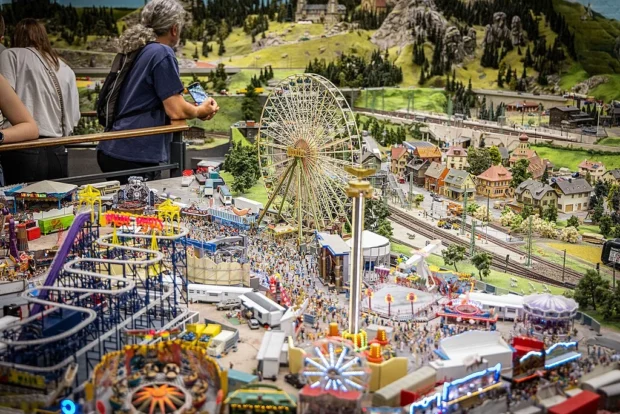
My first stop was the famous Miniatur Wunderland in the Speicherstadt district, a sight that seems to ignite wonder in children and adults alike. Stepping inside, I found myself peering down at entire continents in miniature. Railways snake through cities, tiny figures picnic on grassy hillsides, and the lights of Hamburg’s own harbor twinkle in perfect detail. It’s more than model trains it’s a moving, pulsing portrait of daily life, painstakingly crafted by a passionate community. Locals told me stories of people who visit again and again, always spotting something new a fisherman in Norway’s fjords, a mid-winter festival, or a tongue-in-cheek detail only true Hamburgers would recognize. Allow yourself time: I spent well over two hours, and could easily have doubled it.
Speicherstadt: Canals and Coffee in the Warehouse District
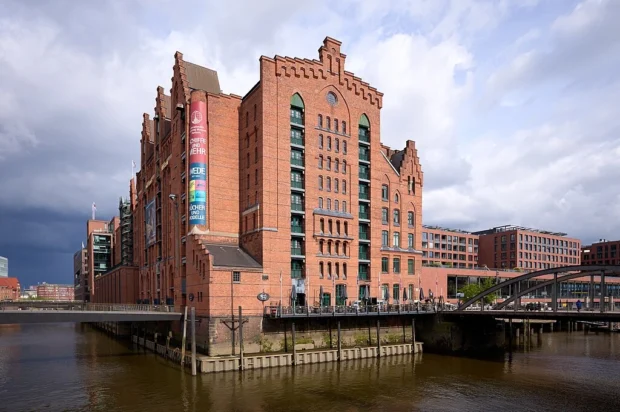
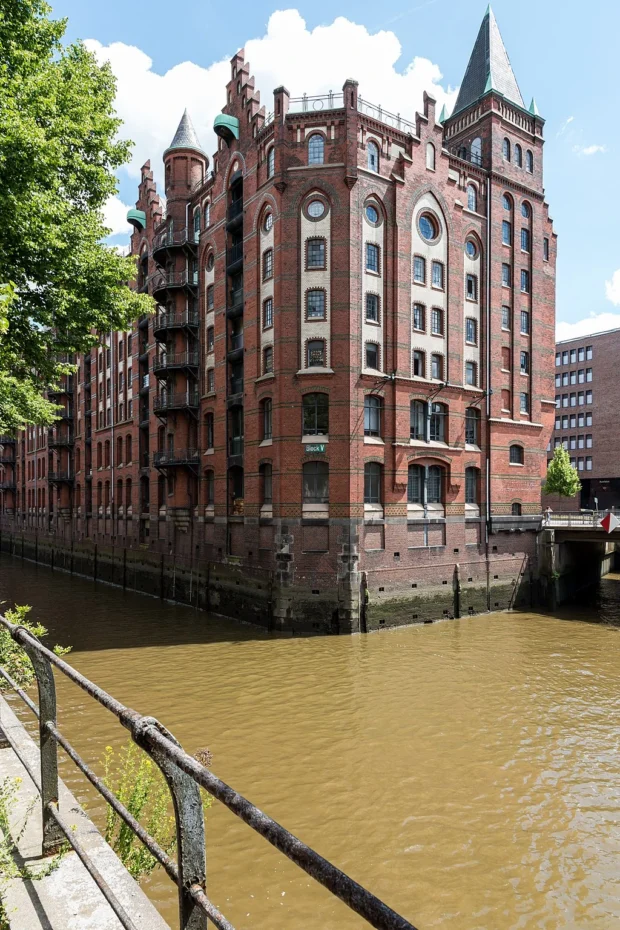
Outside Miniatur Wunderland lies Speicherstadt, the world’s largest warehouse district built on timber-pile foundations. Walking along the narrow canals, watching the sun filter through ornate red-brick facades, is one of Hamburg’s postcard moments. Originally built for duty-free storage, these grand warehouses now house everything from coffee roasters to rare carpet dealers. There’s a pleasant rumble as small boats glide along the Wasserschloss (Water Castle), and the sweet smell of roasting beans floats above the cobblestones. I chatted with an elderly merchant, who shared how the smell of spices once filled the air here. If you’re curious, you’ll even stumble upon the International Maritime Museum, a treasure trove for sea lovers and history buffs. The neighborhood rewards wandering hidden away you’ll spot tiny courtyards, bridges with melancholy love locks, and the subtle marks of history’s hand.
Elbphilharmonie: Sound, Light, and Architectural Drama
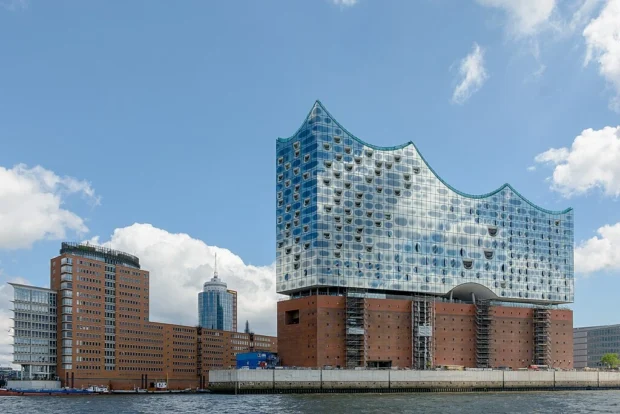
One evening, guided by the tidal breath of the Elbe River, I found myself at the Elbphilharmonie. This modern concert hall, with its wave-like glass façade set atop a historic warehouse, is Hamburg’s new icon. Even if you cannot get tickets to a concert, ascend by the unique curved escalator to the Plaza a public viewing platform which offers a panoramic sweep of the city and harbor below. The sensation of standing between sky and water, watching ships creep through the sunset, is both grand and disarmingly intimate. Locals, young and old, mingle here some only for the view, others for a moment of music drifting out from the rehearsal rooms. Like many things in Hamburg, it seamlessly blends past and present; the glass ripples echo the water, while the old warehouse roots it firmly in the city’s maritime tradition.
Hamburg Harbor: Life Along the Elbe
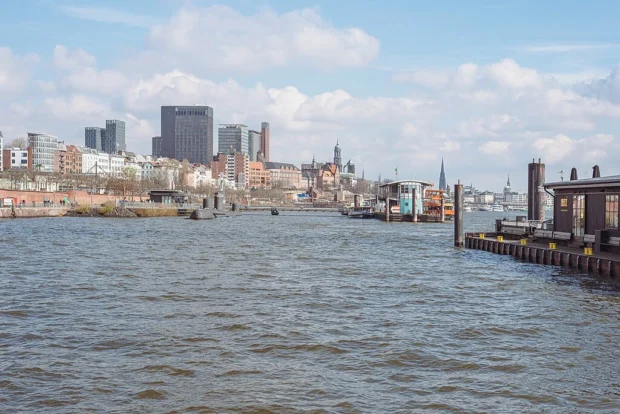
The harbor is Hamburg’s beating heart, and the reason for much of its wealth and diversity. Taking a ferry from Landungsbrücken, I watched huge container ships, painted with names from every continent, glide by as seagulls wheeled overhead. Dockworkers known for their dry jokes have given rise to many of the city’s favorite stories. If you’re up for it, the early-morning Fischmarkt is more performance than marketplace: traders shout, bands play, and the air fills with the smell of herring and fresh bread. I nibbled on Fischbrötchen (fish sandwiches), a local specialty that somehow tastes better eaten with the wind in your face. The riverside area is lively day and night, with street musicians, small pop-up festivals, and the cheerful chaos of Hamburgers heading home across the Elbe on ferries.
Culture and Customs: Old-World Graces, Modern Life
Hamburgers (the residents, not the sandwich) are proud, private people, but always courteous. I learned never to cross the street on a red light even when the road is empty. Saying “Moin!” is the informal greeting in Hamburg; it works morning, noon, or night and always earns a spark of recognition. Locals value honesty and punctuality, but I found once conversations begin, they are surprisingly warm and curious about visitors. Small talk in cafés is common, especially in the evening when people linger with regional beers or an Apfelschorle (apple juice mixed with soda). In markets and bakeries, a simple “Danke” (thank you) is appreciated. Sundays are quiet, with most shops closed but you’ll find families strolling lakeside or sharing lazy breakfasts under chestnut trees.
St. Michael’s Church and Views Across the City
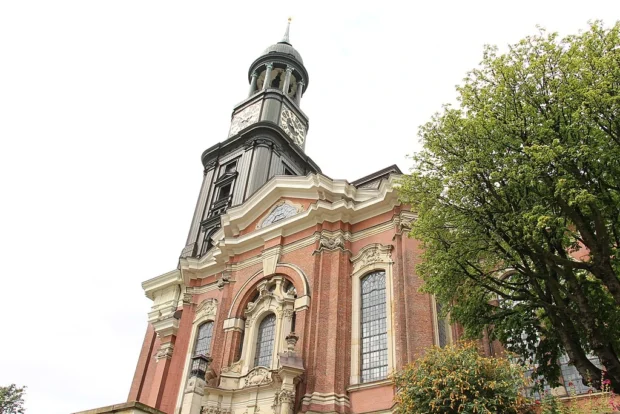
No urban rambler should miss St. Michael’s Church, affectionately called “Michel” by the locals. It rises confidently over the old town with its baroque copper spire an essential pointer for sailors returning home. I climbed its 452 steps on a brisk morning, passing framed paintings and ancient stone memorials, to reach the platform. The wind up here is sharp, but the city stretches out in every direction: the glint of the Elbe, the neat rows of Speicherstadt, the tangled old streets below. Inside, the organ’s notes draw you towards the altar rumor has it that the spirits of old sea captains sometimes wander these aisles at night. It’s a place that feels very much alive, even in its quietest corners.
Alster Lakes: City Oasis for All Seasons
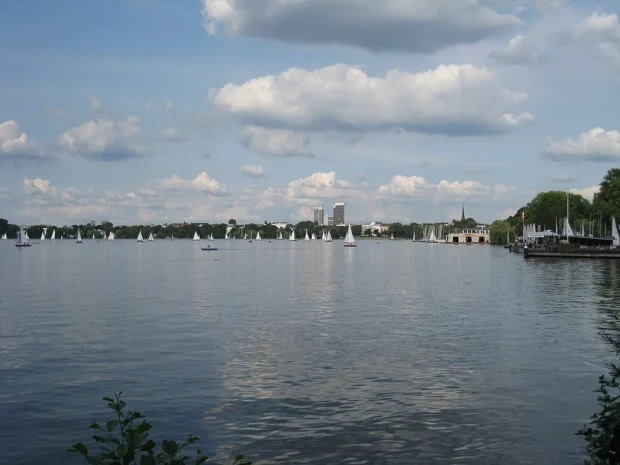
Hamburg’s Alster Lakes Inner and Outer are the city’s calm blue heart. I spent lazy afternoons walking their promenades, sharing space with joggers, swans, and whole families on foot or on rented pedal boats. On sunny weekends, picnickers cluster beneath willows, their laughter echoing across the water. In winter, when the lake freezes, locals dust off their old skates and glide across the ice, sharing hot chocolate from pop-up stands. I recommend pausing at Jungfernstieg, a broad boulevard on the Inner Alster, where cafés serve Franzbrötchen (a cinnamon pastry unique to Hamburg) and the city’s stately architecture forms a perfect frame for the water beyond. It’s a true meeting place, and feels oddly both energetic and restful at the same time.
Neighborhood Walks: From Sternschanze to St. Pauli
Wandering through Hamburg’s neighborhoods is to sense its changing spirit. In Sternschanze, I sipped strong espresso in living-room cafés, where walls wore local art and the afternoon sunlight slanted through tall windows. At the St. Pauli Fischmarkt, I found myself shoulder to shoulder with regulars who knew each vendor by name. This area, close to the Altona district, feels like the creative pulse of the city murals burst with color, bakeries offer sour cherry cake, and even the smallest bar hums with conversation about music, politics, or football clubs. A few streets away, St. Pauli’s famous Reeperbahn buzzes after dark, its neon light show hinting at Hamburg’s bawdier side, but also home to serious theaters, quirky live music joints, and cozy bars where you might strike up a conversation about the city’s next big festival. Don’t be afraid to ask locals for food recommendations Hamburgers take pride in pointing you towards their favorite currywurst stand or the best Turkish bread in the Karolinenviertel.
Green Spaces and Planten un Blomen
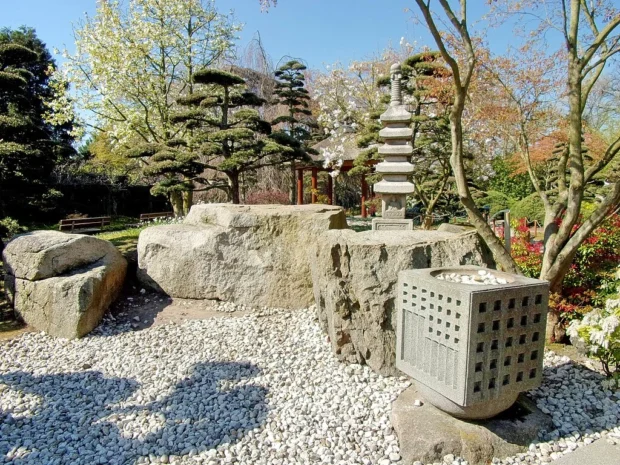
When the city’s pace felt too swift, I followed the locals’ lead and lost myself in Planten un Blomen park. This tranquil green space winds through the city center, filled with old tres, rose gardens, and a beautiful Japanese garden with a peaceful teahouse. In summer, children splash in the fountains and elderly couples play chess on outdoor boards. Most evenings, the park hosts free water-light concerts—where colorful fountains sway in time to music under open sky, and the entire city seems to pause to watch. Hamburg’s parks are social spaces, bridges between generations and backgrounds. Evenings in Planten un Blomen offer the scent of grass and popcorn, and sometimes, if you listen closely, a soft guitar from a student tucked under the trees.
Hamburg Dungeon: Dark Stories of the Past
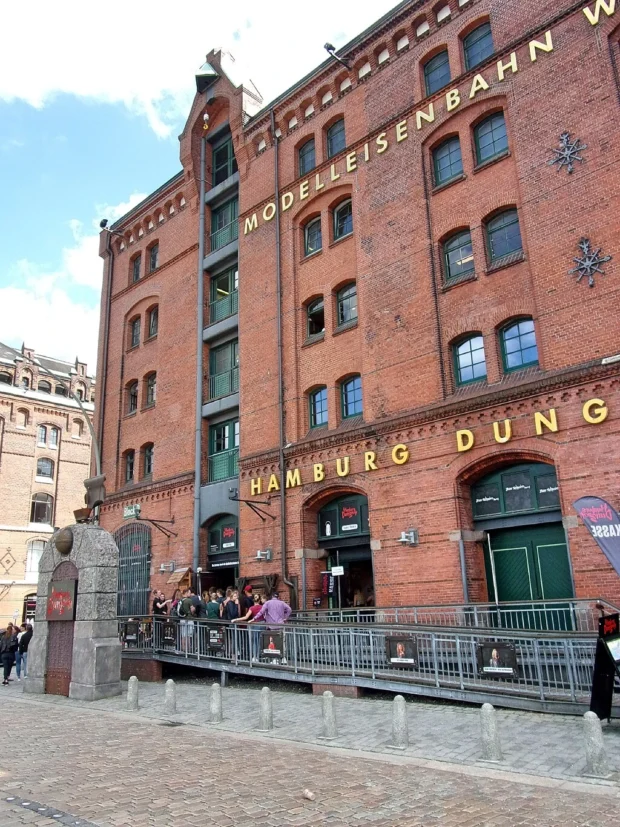
For those intrigued by the spookier side of city history, the Hamburg Dungeon in Speicherstadt offers a theatrical plunge into the darker tales of the old port plagues, pirates, and fires that once threatened the city’s heart. It’s something between a live performance and a haunted house. Actors bring to life infamous villains, eager merchants, and unlucky sailors, mixing humor with a few genuine chills. On a stormy afternoon, I was happy for the excuse to duck inside. The experience is more playful and dramatic than grim, a reminder that Hamburg was forged by hardship, trade, and a city’s stubborn will to re-build. Parents with older children especially seemed to leave with lots to talk about though I found myself jumping more than once during the plague doctor’s story.
Cafés, Markets, and Hamburg’s Everyday Life
One of my Hamburg rituals became an afternoon visit to one of the many literary cafés scattered around Altstadt and Neustadt. Locals explained that coffee, not beer, was once the city’s main drink imported in barrels and roasted in riverside warehouses. I struck up conversations over slices of butterkuchen (buttery sheet cake), and learned about upcoming street markets and community spaces. Markets, like those in Eimsbüttel district, are social hubs here, handwritten recipe cards pass between stalls, and you might see young poets selling chapbooks beside farmers with crates of apples from the Altes Land region. Try some Franzbrötchen from a bakery in Altona it’s buttery, flaky, and tinged with cinnamon, a taste you’ll find nowhere else in Germany. Each Saturday, I saw neighbors linger long after their shopping, sharing gossip over coffee and sweet, nutty streuselkuchen. These community markets are where Hamburg feels most itself unrushed, curious, and a little bit proud.
Where to Stay: Character and Comfort
For a first visit, I’d suggest finding a room in the Altstadt (Old Town) or Speicherstadt districts. Both are close to many sights, with easy public transport and a feeling of the city’s historic rhythm. If you crave more nightlife, stay near St. Pauli or Sternschanze. For quieter corners, the leafy streets around Eppendorf or the canals of Winterhude offer peaceful mornings and easy walks to parks. Most accommodations are clean, compact, and efficient Hamburgers value good design and practical comfort. Many places include breakfast that features local breads and cheeses, setting you up for a full day of exploration. No matter where you stay, the city’s transport makes every district feel just a short ride (or pleasant walk) away.
A Little More: Festivals and Everyday Surprises
My favorite memories came when I stepped away from the tourist map. In late spring, public squares fill with open-air film screenings, while food trucks offer northern German specialties like Labskaus (a colorful, beetroot-streaked dish once favored by sailors). In autumn, the scent of roasted nuts drifts from street corners, and music festivals spill out from theaters onto lamp-lit avenues. I stumbled upon a small book fair in a historic firehouse and found an accordion concert in a riverside square. Even in winter, the Christmas markets sparkle with mulled wine, gingerbread, and crafts. Hamburgers are serious about their traditions but always ready to adapt, blending old and new in surprising, sometimes playful ways. It’s a city that invites you to slow down, look around, and let unexpected moments find you.
Last Thoughts on Hamburg’s Enduring Appeal
Hamburg is a city of water and light of reflections on canals, glinting spires, and bustling market chatter. Each day brings something fresh: an unexpected viewpoint from a ferry, a bite of pastry that lingers into memory, a conversation with a stranger over coffee, or a sudden festival swirling through an ordinary square. Whether you follow the tourists to Miniatur Wunderland and the Elbphilharmonie or seek your own quiet bench in Planten un Blomen, Hamburg opens itself slowly, rewarding the curious with scenes both grand and ordinary. As you wander its streets and drift along its waterways, you might find, as I did, that this city is best explored at an unhurried pace, all senses open, ready for one more story around the next canal bend.
Lover of cities, local cafés, and historic streets, exploring urban life with attention to architecture and culinary delights.
- Hamburg, Speicherstadt, Wasserschloss — 2016 — 2951 by Dietmar Rabich on Wikimedia Commons – cc by-sa 4.0
- 2025-Miniatur-Wunderland Hamburg-1a Mitteldeutschland Kirmes by Miniatur Wunderland Hamburg GmbH, Kehrwieder 2, Block D, D-20457 Hamburg on Wikimedia Commons – cc by-sa 4.0
- Maritimes Museum Hamburg (2024)-L1005406 by Frank Schulenburg on Wikimedia Commons – cc by-sa 4.0
- Hamburg, Speicherstadt, Block V — 2016 — 2972 by Dietmar Rabich on Wikimedia Commons – cc by-sa 4.0
- Elbphilharmonie 3920 by Henry Kellner on Wikimedia Commons – cc by-sa 4.0
- 20230318 St. Michaelis Hamburg 03 by Flocci Nivis on Wikimedia Commons – cc by 4.0
- Hamburg – Hauptkirche St. Michaelis (2) by Fred Romero from Paris, France on Wikimedia Commons – cc by 2.0
- Aussenalster bank by Razvan Orendovici on Wikimedia Commons – cc by 2.0
- Japanischer Garten Planten un Blomen Frühjahr (8) by Pauli-Pirat on Wikimedia Commons – cc by-sa 4.0
- Kehrwieder 1 Speicherstadt by Pauli-Pirat on Wikimedia Commons – cc by-sa 4.0


-L1005406.jpg)


.jpg)

.jpg)
