

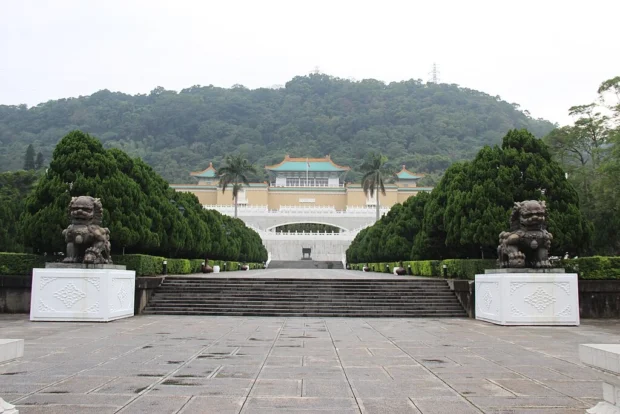
Visiting Taipei offers a rich blend of modern city life and deep historical roots, but one place stands apart for its treasure trove of Asian antiques and imperial craftsmanship the National Palace Museum. This renowned museum holds one of the world’s largest collections of Chinese art, including delicate ceramics, splendid jade carvings, ancient calligraphy, and imperial treasures that span over 8,000 years of history. Nestled in the north of Taipei, this cultural beacon invites travelers and scholars alike to witness the enduring beauty of dynasties past and the intricate details of traditional artistry.
Table of Contents
Arrival and Local Highlights Nearby
The National Palace Museum sits in the Shilin District, roughly 30 minutes north of central Taipei by car or public transit. From Taipei Main Station, take the MRT Red Line towards Tamsui and transfer at Shilin Station to bus R30 or S18; both will take you close to the museum entrance. For travelers arriving via Taoyuan International Airport, a direct airport bus to Shilin transfers visitors effortlessly to this cultural landmark.
Once you arrive, explore nearby charming neighborhoods famed for their night markets and street food. Just a short taxi ride away, the Shilin Night Market offers culinary delights like oyster omelets, bubble tea with pearls, and savory stinky tofu, perfect after your museum tour to taste authentic Taipei flavors.
Unfolding the Museum’s Timeless Legacy
The National Palace Museum’s story is as fascinating as its collections. Established in the 1960s during a period of political upheaval, it was created to house classic Chinese artifacts relocated from the Forbidden City in Beijing. These priceless pieces survived wars and homeland changes, preserving centuries of artistic achievements and imperial history within their delicate forms.
For those intrigued by ancient craftsmanship, the museum’s collection includes rare Song dynasty ceramics renowned for their subtle glazes and refined shapes, as well as intricately carved jade items that symbolize power and fortune in Chinese culture. Each exhibit offers a window to eras that shaped poetry, philosophy, and the traditions still cherished today.


Planning Your Museum Visit Efficiently
Best Visiting Times and Days
To experience the National Palace Museum peacefully, plan a visit on weekdays, especially in the morning when crowds are thinner. Avoid weekends and public holidays if you prefer quiet contemplation and the opportunity to engage more deeply with guided tours or audio assistance. The museum’s hours typically run from 8:30 in the morning until 6:30 in the evening, with the last entry one hour before closing.
Reservation and Tour Details
Although walk-in tickets are available, booking your ticket in advance is recommended, particularly during peak travel seasons. The museum offers guided tours in English and Mandarin, providing rich narratives that illuminate the stories behind the masterpieces and their cultural contexts. Visitors interested in focused tours on specific themes like ceramics or calligraphy can reserve special sessions through the museum’s official platform.
Little-Known Secrets and Unique Experiences Inside
Not many visitors realize that the museum regularly rotates its exhibits due to the delicate nature of the artifacts. This means each visit can present new masterpieces, keeping the experience fresh and inspiring. Also, the museum campus features tranquil gardens inspired by traditional Chinese landscaping, where one can find peace among lotus ponds and stone pathways perfect for reflection after soaking in centuries of artistry indoors.
Experts and curious travelers alike enjoy the hands-on workshops occasionally held here, focusing on folk art and traditional crafts. These sessions provide closer interaction with materials like silk and bamboo, connecting visitors to Taiwan’s rich textile and artisanal heritage.
Delighting in a Day Around the Museum
- Morning: Arrive early to browse the permanent collections and enjoy a guided audio tour.
- Lunch: Sample local specialties at roadside eateries or within the museum’s cafe, specializing in light Taiwanese flavors such as herbal teas and steamed buns.
- Afternoon: Visit temporary exhibitions, then wander the tranquil gardens outside for quiet contemplation.
- Evening: Head to the nearby Shilin Market for a vibrant dinner with street food sensations and cultural performances.
Accommodation and Transport Tips for Visitors
Lodging options close to the museum include a range of comfortable guesthouses and boutique stays that offer a cozy atmosphere with easy access to public transportation. Choosing accommodation near MRT stations like Jiantan or Shilin enhances access to other Taipei attractions as well.
Getting around Taipei is straightforward with its efficient MRT system. For airport arrivals with heavy luggage, a taxi or private shuttle might be more comfortable. Remember that Taipei’s buses and subways are well-equipped with signs in English, making navigation simpler for international guests.
Extending Your Cultural Exploration Beyond the Museum
After immersing yourself in the past at the National Palace Museum, consider nearby visits to historic sites such as Confucius Temple or the Bao’an Temple, both showcasing beautiful examples of traditional Taiwanese architecture and religious art. For nature lovers, the Yangmingshan National Park, with its steaming hot springs and bamboo groves, lies just a short drive away.
From ancient art to modern marvels, the Taipei 101 experience adds stunning skyline views and urban stories complementing your museum journey Taipei 101.
Food enthusiasts should not miss the chance to explore various night markets, offering a sensory feast of local snacks woven into Taiwan’s culinary heritage, from delicate dumplings to spicy seafood specialties. Each location complements your experience at the museum by revealing how history breathes through daily life in Taipei.
For more information and advance ticket bookings, visit the official National Palace Museum website.
A Chinese tour guide with deep knowledge of the Far East, its traditions, and culinary secrets.
- National Palace Museum, Taipei by Jason Zhang on Wikimedia Commons – cc0
- National Palace Museum, Taipei 03 by Gary Lee Todd, Ph.D. on Wikimedia Commons – cc0

