
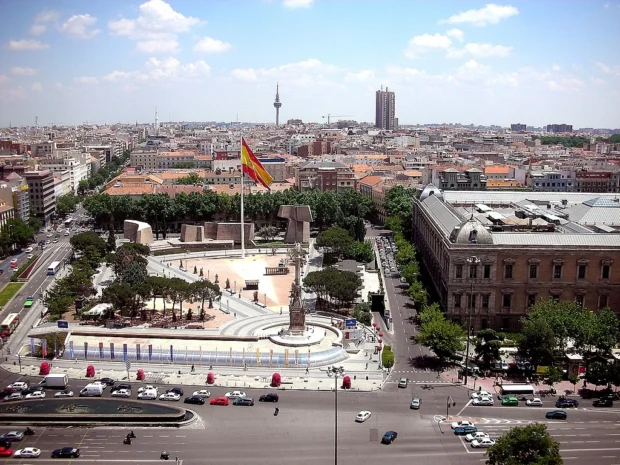
Madrid, a city where the sun lingers on gilded rooftops and café tables never seem empty, remains a continual surprise to the curious visitor. You can walk its wide boulevards and ancient alleys and realize that even the simplest moment a brief exchange with a local, the aroma of roasting chestnuts offers as much insight as any world-class museum. In this city, old palaces stand almost shyly next to modern galleries, and conversation floats between doorways and squares. For those searching Google for Madrid travel, let me give you a city guide based on personal walks, unexpected chats, and a few delightful detours.
Table of Contents
The Prado Museum: Masterworks and Quiet Corners
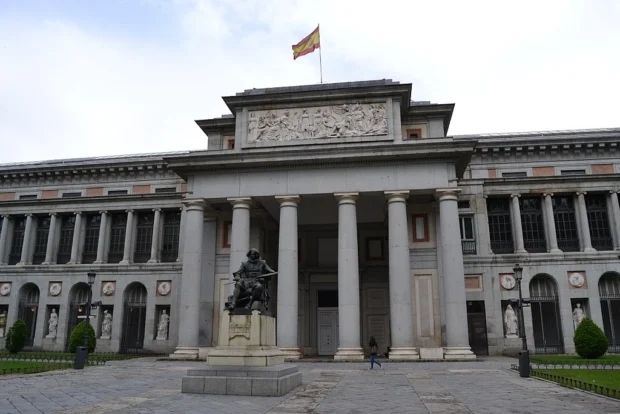
If Madrid is often called the heart of Spain, then the Prado Museum is surely its soul. The building itself stands grand, recognizable by its stately columns and dappled sunlight. Inside, the old masters—Velázquez, Goya, Bosch—command reverence, yet what I remember most is the hush, the slow pace of visitors moving from painting to painting. The Prado isn’t just a museum; it’s a place where you can almost hear the soft rustle of courtly dresses in the dim galleries. Twice, I circled back to Goya’s Black Paintings, unable to leave the gaze of Saturn Devouring His Son. Even non-art lovers can find something stirring here; the museum’s sheer scale and presence make it a must-stop for anyone arriving in Madrid.
Royal Palace: Grandeur with a Living Pulse
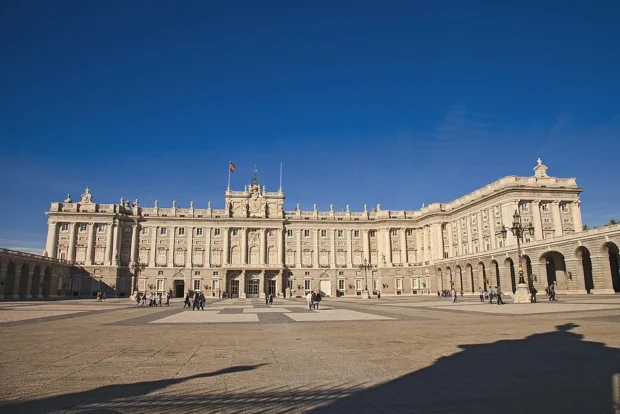
A short walk from the Prado brings you to the Royal Palace, an imposing residence not only for Spanish royalty—at least in an official sense—but for national memory itself. The building dominates its square, with white stone reflecting the midday sun so brightly you may wish you had sunglasses. Unlike France’s Versailles, the Royal Palace of Madrid is still used for state functions, which gives it a certain dignity. I joined a group led by a guide who whispered family scandals and architectural secrets as we wandered through velvet-rich halls and stately throne rooms. Don’t miss the ornate royal pharmacy—a cabinet of curiosities itself, lined with blue-and-white jars and cabinets that almost dare you to ask for a secret potion.
For a deeper look at the Royal Palace’s grand interiors and history, visit Step Inside Madrid’s Royal Palace.
Retiro Park: Madrid’s Garden of Relaxation
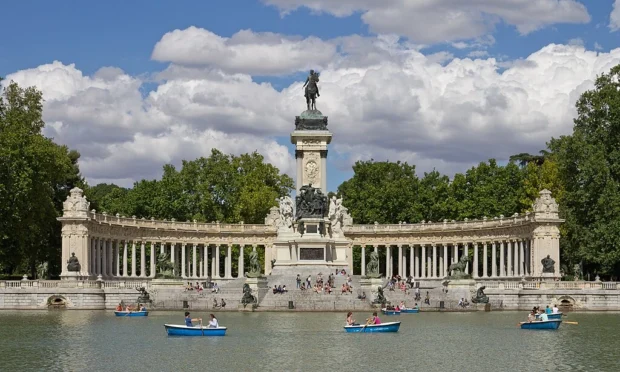
After exploring palatial corridors and busy streets, Retiro Park draws you in with broad paths, glassy ponds, and the gentle shade of plane trees. Madrileños picnic on the grass, lovers rent little boats that glide across a lake watched over by a stern statue of Alfonso XII. There’s a weekend energy here families with ice creams, joggers dodging pigeons, and groups of old men playing chess on stone tables. Once I lingered near the Crystal Palace, a greenhouse built of glass and iron, where sometimes contemporary artworks surprise visitors inside. In Retiro, it feels natural to slow your pace, to sit and watch clouds drift above the city’s green heart.
Madrid’s Art Triangle: Reina Sofía and Thyssen-Bornemisza
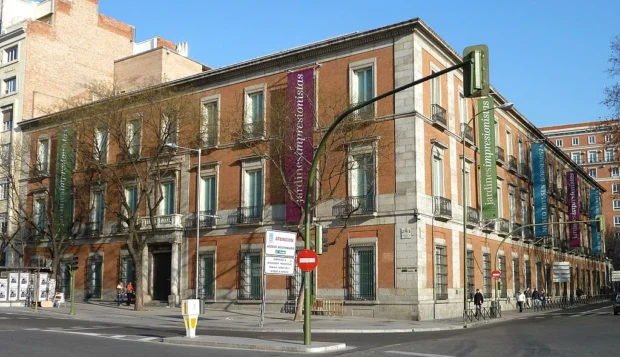
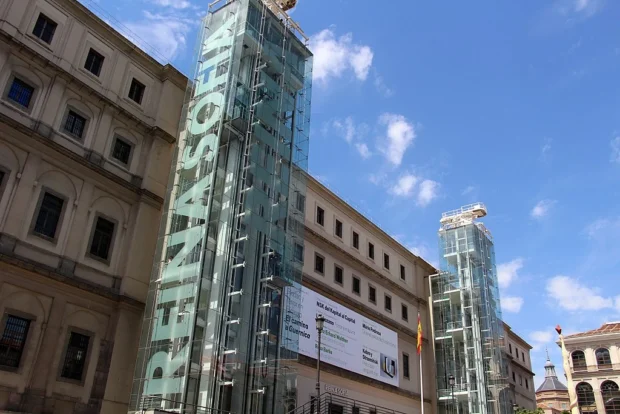
Few cities can rival Madrid’s “Golden Triangle of Art,” with the Prado, Reina Sofía, and Thyssen-Bornemisza museums just a stroll apart. The Reina Sofía stands out for its devotion to modern Spanish art think Picasso’s Guernica, stretched almost impossibly wide, its grayscale forms still charged with the intensity of war. The lines here can get long, but even when crowded, the museum’s airy design offers space to reflect. Not far off, the Thyssen-Bornemisza houses an impressive private collection ranging from medieval altarpieces to pop art. I recommend a slow walk through its impressionist rooms, where unexpected favorites emerge and, occasionally, you have a corner of the gallery all to yourself.
Public Squares, Everyday Life, and Legendary Streets
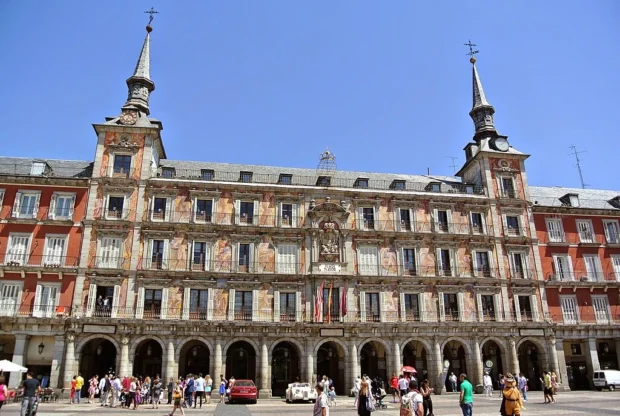
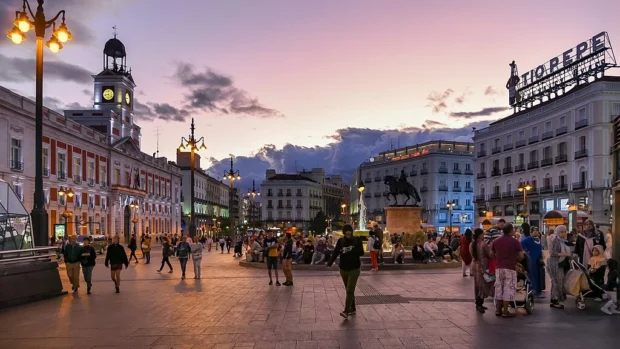
Madrid’s spirit is best felt in its grand squares and along its iconic streets. Puerta del Sol is the city’s zero kilometer marker a constant swirl of people, street performers with painted faces, and shoppers drawn to neon-lit storefronts. There’s a certain Madrid joy in pausing here, maybe leaning against the statue of the bear and the strawberry tree, a city symbol that means more than you expect. Not far away, Plaza Mayor unfolds in easy red-brick symmetry. It’s grand yet oddly intimate; arches lead to covered arcades, where cafés serve frothy chocolate with churros to families and solitary writers alike.
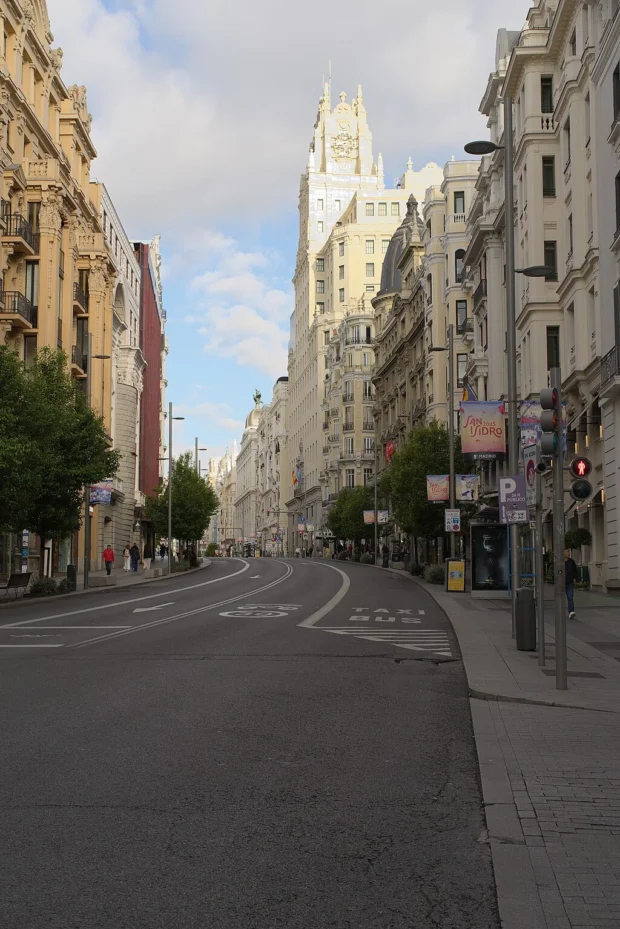
Then comes Gran Via, Madrid’s broad theater avenue strung with early 20th-century architectural gems. I strolled past cinemas and dazzling shop windows, enjoying the mixture of local students and curious visitors, all under the watchful faces of sculpted lions and winged charioteers above. Each evening, the neon signs flicker alive, and the city’s night begins.
The Unexpected: Ancient Temples, Cable Cars, and Market Streets
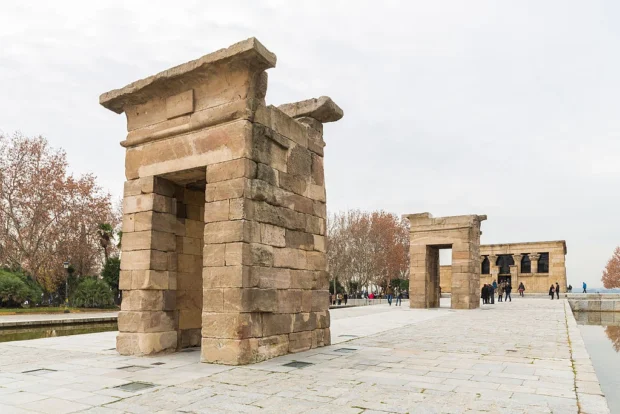
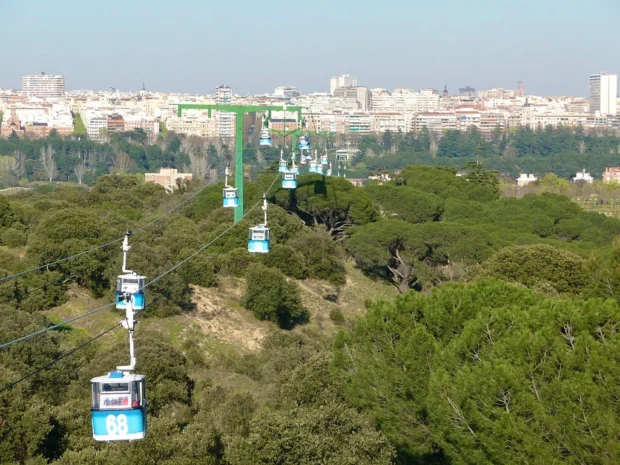
Not everyone expects to find an ancient Egyptian temple in Madrid, but the Temple of Debod sits quietly atop a hill, its stone columns glowing at sunset and its shallow pools reflecting the city skyline. It’s a peaceful spot, and I heard couples whispering about secret wishes as they walked past the pillars. Far below, the Teleférico de Madrid a cable car glides over rooftops and treetops between Parque del Oeste and Casa de Campo. I once took a late afternoon ride, where city blocks suddenly shrank below and the horizon opened wide with the pink wash of evening.
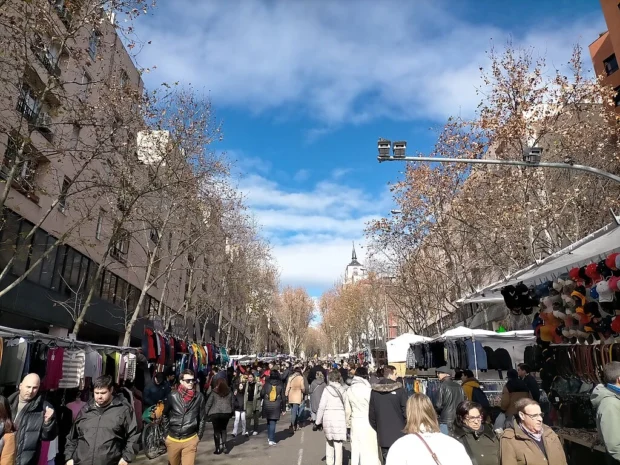
Sundays in Madrid are for the bustle of El Rastro Market, where tables spill out with antique radios, books with curled pages, military jackets, and unexpected treasures. I spent a morning weaving through crowds in La Latina, tasting olives from toothpick-wielding vendors and admiring the camaraderie between sellers and regulars. El Rastro is not just a market; it’s a weekly gathering, a celebration of Madrid’s love for social connection and the hunt for the curious or forgotten.
Café Culture, Literary Haunts, and Social Hubs
Madrid’s café culture is both old and new, blending grand historic venues with modern espresso bars buzzing with young artists. I remember mornings spent in the shadow of Gran Via, where marble-topped tables hosted grandmothers reading newspapers and students scribbling in notebooks. The literary café tradition endures there’s real delight in hearing the clink of spoons and fragments of poetry recited under the chandelier. Don’t be shy to join in, however hesitant your Spanish; conversation is Madrid’s favorite pastime, and gestures fill in where words fail.
Community spaces thrive here too. In Lavapiés, a multicultural district, you’ll find arts collectives, small theaters, and walls blooming with murals. I chatted with a bookseller there who insisted each neighborhood square has its own rhythm, its own flavor the plaza as an outdoor living room. Sometimes, street photography here feels like documenting a city in conversation with itself.
Football, Festivals, and the Bernabéu’s Roar
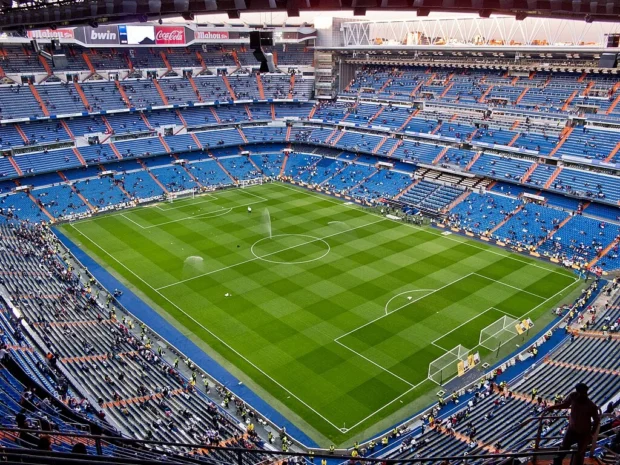
Even if you’re not a football fan, the name Santiago Bernabéu Stadium rings throughout Madrid like a hymn. This stadium is more than a sports venue; it’s a gathering place for hope, rivalry, and the city’s famous energy. I once walked by on match day, swept up in chants and the white blur of Real Madrid scarves. Tour options let you climb into the stands for a panoramic view the pitch feels smaller than on television, but the excitement is much bigger. Festivals in Madrid also often spill into the streets, with blocks closed for parades, local music, tapas stands, and late-night laughter.
Where to Stay: Neighborhoods with Character
Choosing where to stay in Madrid is almost as enjoyable as the sightseeing itself. The grand avenues and leafy streets of Salamanca offer upscale elegance and quiet corners, close to high-end shops and refined cafés. For a more bohemian flavor, Malasaña tempts with its vintage shops, street art, and lively plazas; the area around Calle Pez, in particular, feels oddly timeless at night. Literary fans flock to Barrio de las Letras, where Spanish authors once lived, and where now you’ll find boutique guesthouses and tapas bars tucked between historic plaques. La Latina, meandering and always festive, offers easy access to El Rastro and some of the city’s oldest tabernas for your evening aperitivo.
Culinary Madrid: From Market Snacks to Tapas Bars
Madrid’s food is honest, hearty, and meant to be shared. A local favorite is cocido madrileño, a slow-cooked chickpea stew best enjoyed in the cooler months; I tried mine in a traditional tavern in Chamberí, where the air was thick with garlic and laughter. Malasaña’s markets surprise with snacks like tortilla de patatas thick potato omelets and battered calamari sandwiches. Tapas culture is alive and well: in La Latina and Huertas, small plates arrive one after another, each paired with local wines or vermouth. If you’re uncertain where to begin, walk into any crowded bar, order a caña (small beer), and let the barman guide you.
Sweet treats deserve special mention. On cold evenings, nothing beats churros dipped in thick, almost pudding-like chocolate, often enjoyed near Plaza Mayor where locals and tourists find common ground over dessert. I stumbled into a tiny pastry shop near Retiro, where the owner offered me “napolitana de crema,” a flaky pastry oozing yellow custard. The city’s culinary heritage is perhaps best experienced not in a single meal, but in the many moments where food becomes a bridge between neighbors, families, or even visitors who arrive as strangers.
Moving Around: Simple and Reliable Transport
Arriving in Madrid isn’t a hassle. From Barajas Airport, you can take Metro Line 8 directly to the city center, arriving in bustling Nuevos Ministerios in under half an hour. Trains from the airport leave often, and ticket machines have English options, so there’s little reason to worry if your Spanish is limited. Within the city, the metro is fast, color-coded, and covers both famous sights and quieter neighborhoods like Chamberí and Tetuán. For shorter distances, city buses are clean and reliable it’s not unusual to spot a Madrileño reading a novel as the city glides by the window.
For the more adventurous, the city’s public bicycles (BiciMAD) are easy to rent, and cycle lanes are increasingly common along avenues and through parks. Walking remains the best way to uncover small bakeries, architectural details, or sudden squares blooming with jacaranda trees in spring. Never rush; in Madrid, something interesting always happens when you slow down.
Madrid’s Rhythm: Customs, Community, and the Unexpected
Living in Madrid, even for a few days, means adapting to the city’s rhythm. Meals run late lunch may stretch to 3 pm, and dinner can begin at 9 or even 10 pm. If invited for a coffee, expect to linger; time is measured in conversation, not in the ticking of a clock. People greet one another with a kiss on each cheek, but don’t worry, a simple handshake is accepted from visitors. Try to greet shopkeepers when entering small stores; a cheerful “hola” is always appreciated.
Madrileños love their festivals, which means streets close without warning, music spills from balconies, and families gather late into the night. Strangely, the city never feels frantic—it’s as if everyone shares an unspoken agreement to enjoy life at a steady, generous pace Once, I spent an afternoon listening to a violinist practice in the shade of Plaza de Santa Ana, the notes mixing with the city’s distant sounds. Madrid’s history is filled with stories and legends: windmills that never stood in the city, old duels at dawn, poets arguing over coffee. Even the newer landmarks, like CaixaForum’s vertical garden, bring together nature, architecture, and a sense of play.
Photos don’t always capture how Madrid feels at dusk, when streetlamps soften the granite facades and the air cools suddenly. A market closes, alleyways empty, but the city itself hums quietly on. Whether watching children throw crumbs to pigeons, finding a rare book in a market, or catching a glimpse of royal carriages outside the palace, the real Madrid reveals itself in its everyday stories. The most important thing bring your curiosity, an appetite for both art and food, and a willingness to get a little lost. In Madrid, that’s when the city is most generous.
For a change of pace from Madrid’s historic charm, take a stroll through Valencia’s vibrant streets and unique sights to enjoy a blend of tradition and seaside spirit.
Lover of cities, local cafés, and historic streets, exploring urban life with attention to architecture and culinary delights.
- Plaza de Colón (Madrid) 06 by Enrique Dans from Madrid (Spain). on Wikimedia Commons – cc by 2.0
- Museo del Prado (34209963823) by Emilio J. Rodríguez Posada on Wikimedia Commons – cc by-sa 2.0
- Madrid. Royal Palace. Spain (4083783003) by Tomás Fano on Wikimedia Commons – cc by-sa 2.0
- Monumento a Alfonso XII de España en los Jardines del Retiro – 04 by Carlos Delgado on Wikimedia Commons – cc by-sa 3.0
- Museo Thyssen-Bornemisza (Madrid) 07 by Luis García (Zaqarbal) on Wikimedia Commons – cc by-sa 3.0
- Madrid – Museo Nacional Centro de Arte Reina Sofía (35349955714) by Fred Romero from Paris, France on Wikimedia Commons – cc by 2.0
- Plaza Mayor, Madrid, Spain – panoramio (6) by Ben Bender on Wikimedia Commons – cc by-sa 3.0
- Gran Via Madrid May 2025 02 by Javier Perez Montes on Wikimedia Commons – cc by-sa 4.0
- Templo de Debod, Madrid, España, 2014-12-27, DD 02 by Diego Delso on Wikimedia Commons – cc by-sa 4.0
- Estadio Santiago Bernabéu – 02 by Carlos Delgado on Wikimedia Commons – cc by-sa 3.0
- El Rastro de Madrid y alrededores en enero de 2023 07 by Emilio J. Rodríguez Posada on Wikimedia Commons – cc by-sa 4.0
- Madrid- Puerta del Sol – 51454839271 by Jorge Franganillo on Wikimedia Commons – cc by 2.0
- Madrid desde el teleférico que lleva a la Casa de Campo – panoramio by cesar.ruiz on Wikimedia Commons – cc by-sa 3.0
_06.jpg)
.jpg)
.jpg)

_07.jpg)
.jpg)
.jpg)


