

Arriving in Rio de Janeiro for the first time is like stepping into a song. Palm trees wave on every street. Loud laughter tumbles from sun-soaked bars. My sandals crunch along the wide sidewalks, each tile speaking of samba and centuries. From famous beaches to rainbow-painted stairways, Rio wraps you in beauty and imperfection. This city calls every sense to attention, promising endless stories between mountaintop statues, wild parks, and the hot, sweet smell of grilled corn at twilight. I came expecting views. Instead, I found a heartbeat. Let me take you along for a stroll in Rio, Brazil’s boldest city, where legends greet you at every curve.
Table of Contents
The Statue in the Clouds: Meeting Christ the Redeemer
The first time I saw Christ the Redeemer, Rio’s king of statues, mist hugged his outstretched arms. Every guidebook will tell you it’s the world’s largest Art Deco sculpture, but nothing prepares you for the view. The train zigzags up Corcovado Mountain, past tangled jungle and flashes of bright toucans. At the top, travelers from every language jostle for that classic arms-wide photo, but it’s the silence between camera clicks that catches me. From here, the city is a painted map: blue ocean ribboned by golden beaches, green parks, and a thousand tiny orange rooftops. The wind is stronger than you expect. Local legend says the statue’s open arms protect the city from bad luck, and some residents still touch their forehead and whisper a wish. I did too. It felt right.
Want a closer look at Rio’s iconic symbol? Learn about the Christ the Redeemer statue’s design and visit tips in this detailed guide Christ the Redeemer’s Silent Embrace.

Sugarloaf Mountain: Dancing with Cable Cars and Legends
Sugarloaf Mountain (Pão de Açúcar) is Rio’s rocky gatekeeper. It rises from the bay like a silver dome, best visited at sunset. I rode the slow glass cable car up, my heart thumping with every sway. Below, boats bobbed on blue water so clear I could see the sand beneath. At the top, wind tangled my hair and the city spilled out in every direction Copacabana’s crescent, Christ’s silhouette, the wild forests of Tijuca. On the rocks, I met an old man selling coconut water who winked, claiming he once saw a monkey steal a tourist’s hat. “Keep tight your things and your dreams,” he laughed.

It’s not just the view that’s legendary. There’s an urban myth that says Rio’s first cable car operator fell in love with the mountain and climbed it barefoot every morning, believing it brought good luck. Whether true or not, the smell of popcorn and fried cheese queijo coalho mingles with sea air. Stay until the sky glows orange and pink; you’ll hear locals humming bossa nova tunes and see couples slow-dancing in the twilight.
Copacabana Beach: More Than Sand and Sun
Morning on Copacabana Beach is a parade of life. Muscled old men play footvolley part soccer, part volleyball while vendors in straw hats thread through crowds with baskets of crunchy pastéis and cold beer. The famous black-and-white wave sidewalk pattern is the city’s largest artwork, designed by Roberto Burle Marx, a hero of Brazilian landscape architecture. Sometimes, the mosaic hides tiny initials carved by lovers decades ago.
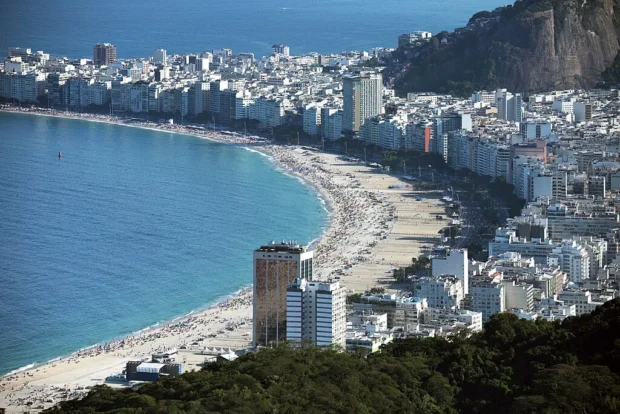
I set up near one of the kiosks, the air alive with shouts and humming radios. Someone offered me an iced mate tea, sweet and citrusy, perfect for the rising heat. Tip: On weekends, half the avenue closes for bikes, rollerblades, and samba dancers locals call it “the people’s promenade.” Don’t just sunbathe; walk the full length of Copacabana, and you’ll discover murals under bridges, a tiny open-air chess club, and a hidden seafood shack melting with the scent of garlic shrimp.
Secrets and Surprises of Ipanema and Beyond
If Copacabana is Rio’s living room, Ipanema is its chic backyard. Families picnic under striped umbrellas. Street musicians strum soft sambas while young people balance on slacklines by the water. I found my favorite treat tapioca pancakes stuffed with coconut and chocolate on a corner stand in Ipanema. Each Sunday, the “Feira Hippie” crafts market explodes with handmade jewelry, quirky paintings, and clothes stitched by grandmothers who love to gossip.
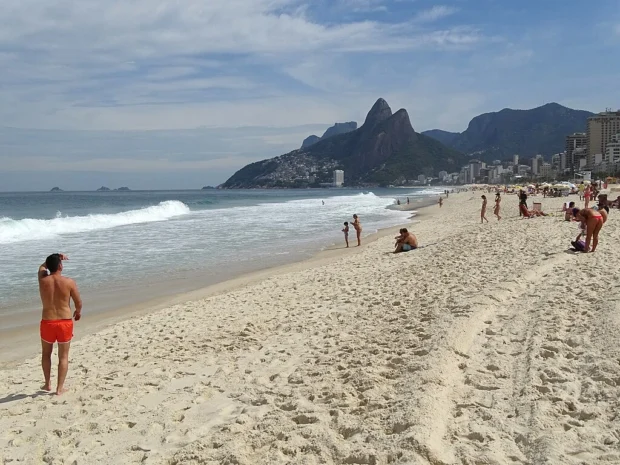
At sunset, crowds gather at Pedra do Arpoador, a giant rocky outcrop between Ipanema and Copacabana. Locals climb this spot every evening, clapping and cheering the sun as it dips below the ocean. If you’re lucky, you’ll meet street poets selling handwritten verses or see tightrope artists tiptoeing above the rocks. Ipanema feels like Rio’s heart elegant, bold, and always a little bit mischievous.
Nestled in Green: Tijuca National Park and Botanical Garden
Rio is a city tangled with jungle, and nowhere shows this better than Tijuca National Park, one of the world’s largest urban forests. On my second day I joined a local hiking group. The trailhead was a surprise: just a stone’s throw from busy streets, the path was swallowed by giant ferns, howler monkey calls, and the damp smell of moss. We climbed steep steps to the Vista Chinesa, a pagoda with panoramic views only birds usually see.

Locals told stories of escaped coffee slaves hiding in these woods, planting seeds that grew into the wildest corners of today’s Rio. Downhill, I wandered into the city’s Botanical Garden. Ancient palms lined the path; orchids grew in secret corners. Young couples posed for wedding photos beneath a 200-year-old imperial palm. Look up, and toucans sometimes flash between branches. If you’re lucky, you catch the delicate scent of blooming jasmine and the rhythmic drumming of distant samba classes from the city beyond the garden walls.

Santa Teresa, Lapa, and Rio’s Colorful Streets
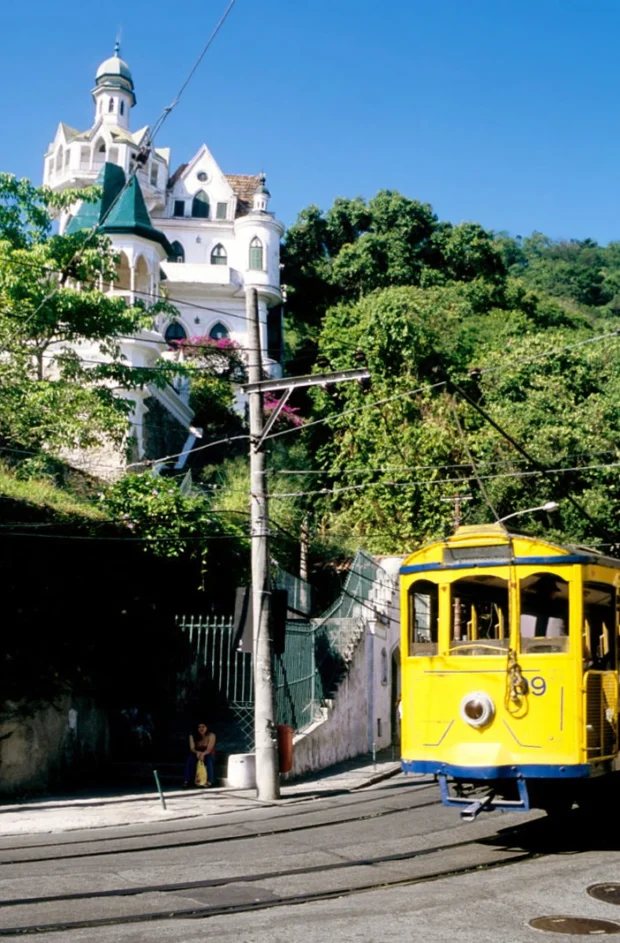
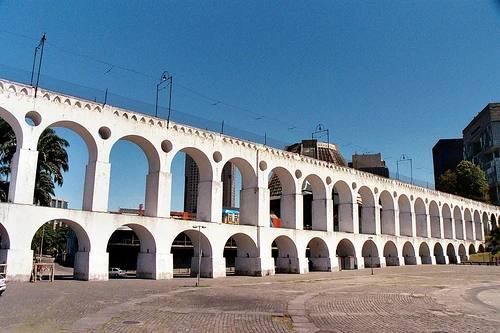
Some cities have a bohemian soul. In Rio, it lives in the Santa Teresa neighborhood. I took a rattling yellow tram from downtown over arched bridges the Lapa Arches, bright white and graceful, used to be part of the city’s aqueduct. Santa Teresa’s steep streets twist like snakes, lined with colorful townhouses, little bars, and studios painted in wild graffiti. Here, I chatted with a painter who claimed that inspiration struck more often after heavy rain, when the city’s colors glow.
At night, Lapa explodes with music. Samba bars spill people onto the street. The famous Selarón Steps a staircase tiled in red, blue, and yellow ceramics glimmer under string lights. They started as one artist’s small project, but now each step is stamped with tiles from around the world. I spotted one from Japan, another from Turkey, and even a chipped one signed “from Brooklyn, NY.” Street performers turn the area into an open-air carnival. If you come on a Friday, be ready to dance with strangers. Local advice: always wear comfortable shoes and keep your pockets light.
Football, Festivals, and Wild City Nights
You can’t talk about Rio without a nod to football. Maracanã Stadium is more than a sports arena. It’s a temple, where tens of thousands once watched Brazil win and lose World Cup dreams. I joined a tour one afternoon, tracing steps where Pelé made history. Vendors outside hawk grilled meat skewers and icy guaraná sodas. Kids play games in the shadow of the bleachers, hoping their cheers will echo into legend.

But Rio’s wildest side might be after dark. In summer, every weekend means a party sometimes a harvest festival with fireworks, sometimes just friends filling the street with drums and dancing. I snuck into a rooftop samba session in Santa Teresa, shoes sticky from spilled caipirinhas, the city blinking below. Carnival, of course, is the city’s thunderous heartbeat: feathered dancers, floats, and joy that lasts all night and all morning. Even outside carnival season, you’ll stumble upon dance circles, live forró music, and street food that sizzles on every corner.
Where to Stay and What to Eat in Rio de Janeiro
Picking a place to sleep in Rio can set the mood for your stay. For wild nights and early beach swims, you’ll find plenty of small guesthouses and lively hostels near Copacabana and Ipanema. If you prefer calm, head up the hills to Santa Teresa, where colonial mansions overlook the city and you wake to birdsong instead of bus horns. Families often choose quieter neighborhoods like Botafogo or Flamengo, where local cafés and playgrounds feel far from tourist crowds.
For breakfast, cariocas (that’s what locals call themselves) love pão de queijo, chewy bites of cheese bread that melt in your mouth. Street vendors roast corn and sell sweet coconut candies right by the beach. Try feijoada, a hearty black bean stew, at simple diners in Lapa, or duck into a tiny bar for bolinho de bacalhau crispy codfish fritters. The freshest açaí bowls are found near the lagoon, their deep purple color a badge of Rio’s tropical soul.
On weekends, I hunted for quirky flavors. In Urca, by Sugarloaf, I tasted shrimp empadas at a family bakery older than many city buildings. At night in Lapa, music pours from windows and the air smells like grilled meat and passion fruit cocktails. Even in the Botanical Garden area, elegant tea salons serve brigadeiros chocolate truffles dusted with sprinkles. Every meal is a conversation with Rio itself: spicy, messy, and unforgettable.
Public Transport and Getting Around Rio de Janeiro
Touching down at Galeão International Airport, I joined the crowds on the regular blue airport bus to the city center. It’s faster than you think, with views of the bay as you rumble into Rio. For most sightseeing, the Metro is your friend: clean, cool, and quick under the city’s busy surface. Buses crisscross every neighborhood, painted bright yellow or blue, often filled with singers and street vendors selling homemade candies.
If you want to see the city like a carioca, hop on a tram across the Lapa Arches or grab a rental bike to pedal the beach paths. On Sundays, those seaside promenades are closed to cars perfect for slow walking and people-watching. Sometimes, you’ll hear impromptu bands performing on train platforms or fish sellers singing about their catch. Buses can get crowded, but someone is always willing to help a lost traveler. Just remember: in Rio, patience and a friendly smile open almost every door.
Customs, Do’s and Don’ts: Join the Carioca Rhythm
Cariocas love conversation and eye contact. A simple “Bom dia!” good morning opens countless doors. Time is flexible in Rio. If someone is late, it’s just part of the city’s easy rhythm. At the beach, never sit too close to someone else’s umbrella; privacy matters, even in a noisy crowd. Locals also value street art, from massive murals in downtown to tiny mosaics hidden on steps, so snap photos but don’t add your own painting.
One thing to avoid: don’t wander into empty alleys late at night, especially with valuables. Instead, stick to busy, festive streets and you’ll find surprise music and laughter waiting around each bend. And if someone invites you to dance, say yes even if your steps are clumsy. In Rio, friendliness is more important than perfection.
Final Impressions: Why Rio de Janeiro Lives in the Senses
As my days in Rio closed, I realized the city isn’t just a collection of sights. It’s a dance of light and shadow, laughter and longing. The famous landmarks Christ the Redeemer, Sugarloaf, Copacabana draw you in, but it’s the smaller moments that linger. The smell of rain on stone steps, the shimmer of the ocean at dusk, the echo of samba from three streets away. I left with sand in my shoes, a notebook full of names, and the feeling that Rio de Janeiro had become a part of me perfectly imperfect, endless in its surprises. If you get the chance, come walk these streets. Let Rio’s pulse carry you from sunrise to starry night.
To shift from Brazil’s vibrant streets to Los Angeles’ iconic symbol, read about the Hollywood Sign’s history and best viewpoints.

A digital nomad exploring cities across the globe, with a passion for local street food and hidden cafes.
- Rio de Janeiro, Brazil 0011 02 by Wilfredo Rafael Rodriguez Hernandez on Wikimedia Commons – cc0
- Christ the Redeemer-(Corcovado) front view by Mucio Scorzelli on Wikimedia Commons – cc by-sa 4.0
- Botafogo Beach and the Sugarloaf Mountain by Donatas Dabravolskas on Wikimedia Commons – cc by-sa 4.0
- Copacabana, Rio de Janeiro, Brazil by Wilfredor on Wikimedia Commons – cc0
- Ipanema Beach Scene – Rio de Janeiro – Brazil – 03 (16752146123) by Adam Jones from Kelowna, BC, Canada on Wikimedia Commons – cc by-sa 2.0
- Floresta da Tijuca 60 by Halley Pacheco de Oliveira on Wikimedia Commons – cc by-sa 3.0
- Rio de Janeiro Botanical Garden 10 by Surance on Wikimedia Commons – cc by-sa 3.0
- Río de Janeiro, Bonde (2007) 02 by LBM1948 on Wikimedia Commons – cc by-sa 4.0
- Arcos da Lapa by Thad Roan from Littleton, CO, USA. on Wikimedia Commons – cc by-sa 2.0
- Brazil vs Honduras, men's football tournament at the 2016 Summer Olympics, Maracanã Stadium, Rio de Janeiro, Brazil by Rafael Henrique Serra on Wikimedia Commons – cc by-sa 4.0

_front_view.jpg)


.jpg)


_02.jpg)

