
For centuries, Milan has stood as a city where style, tradition, and modern energy unite. Perfect for those searching for excitement and history, Milan leaves a unique mark on visitors with each step. It is not simply Italy’s fashion capital; Milan is a living museum, filled with art masterpieces, grand architecture, café corners, and local stories waiting in each neighborhood. If you stroll through the busy piazzas or pause by peaceful canals, Milan will surprise you with a blend of old tales and fresh creativity. In this guide, you’ll find the city’s highlights famous landmarks, lively markets, favorite foods, and the personality that makes Milan shine.
Table of Contents
Duomo di Milano: Gothic Grandeur in the Heart of the City
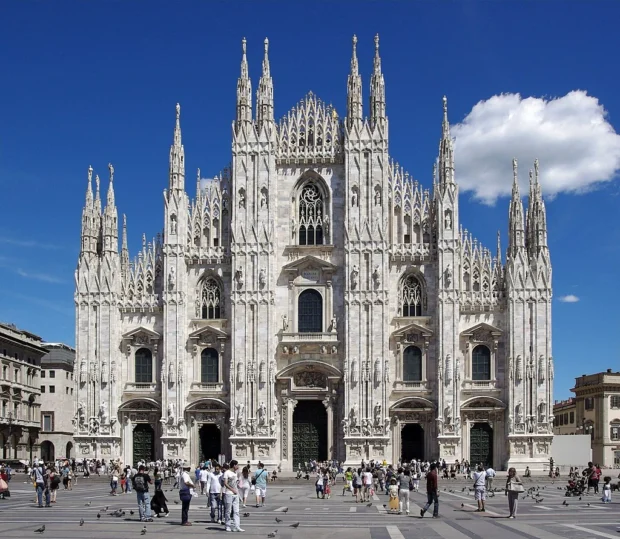
Arriving at Piazza del Duomo, I was instantly awed by the white marble facade of the Duomo di Milano. No photo truly prepares you for its scale. The cathedral rises with countless spires and hundreds of statues, each telling a different story carved into stone. Locals gather on its wide steps, and in the mornings, you can see the sun shining through its rose windows. I recommend climbing to the rooftop terrace, where you’re surrounded by delicate pinnacles and rewarded with a 360-degree view of Milan’s rooftops.
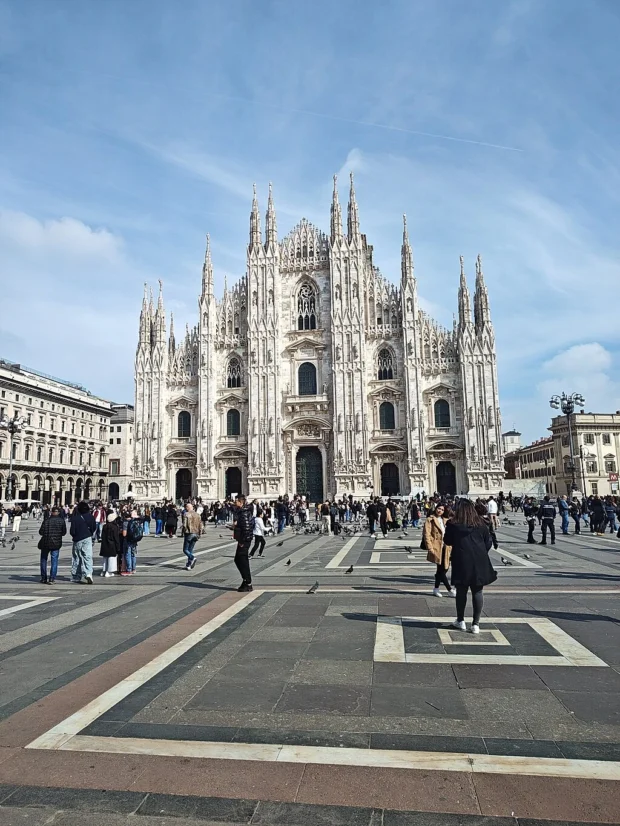
Inside, the atmosphere changes. The tall columns and stained glass fill the cathedral with silence, only broken by quiet footsteps. As a visitor, I tried to follow the local etiquette keeping my shoulders covered and moving calmly. On Sundays, the space fills with music and the sound of prayers, a reminder that this landmark is not just for tourists but an active part of Milanese life. If you want more details or to plan your visit, the cathedral’s official site is a reliable resource: Duomo di Milano Official Website.
Historic Streets and Impressions near Galleria Vittorio Emanuele II
Just steps from the Duomo sits the Galleria Vittorio Emanuele II, Italy’s oldest shopping arcade. Walking inside, I felt as though I’d entered a palace dedicated to daily life under a glass dome, sunlight pours over stone mosaics and golden trim. In the evenings, friends and families gather at the cafés beneath its arches. I watched as people performed the small Milanese tradition of spinning on the bull mosaic’s heel for good luck. The Galleria is not just a passage between two piazzas; it’s where local history rubs shoulders with high fashion and classic espresso bars.
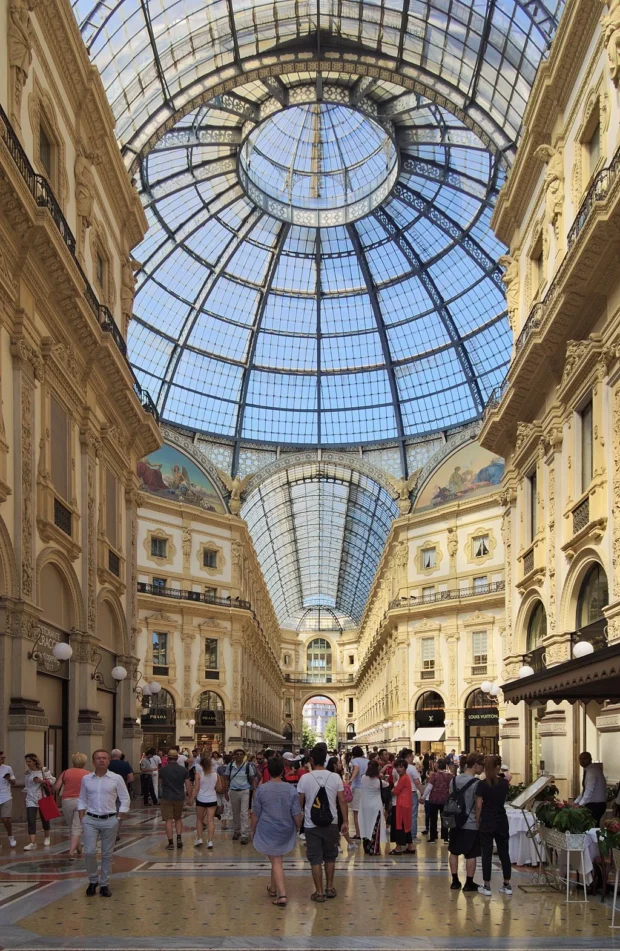
I stopped for an espresso, simply ordering “un caffè, per favore,” and listened to the murmurs of locals discussing work, art, or the latest soccer result. Italian phrases fill the air, and I loved practicing a few myself “Buongiorno” for good morning, or “Quanto costa?” when browsing for a book or a scarf. Shop windows here hold the best of Milan’s style, making it tempting to linger even if you don’t plan to shop.
Sforza Castle and Milan’s Storytelling Walls
An easy walk leads from the Galleria to Sforza Castle, a fortress that once defended the city and now shelters some of its greatest art. This red-brick castle, surrounded by a green park and moat, invited me to pass through its wide gates alongside families, cyclists, street musicians, and artists drawing the towers. Wandering inside, I pictured the powerful Sforza family, whose name fills Milan’s history books, hosting grand celebrations here.
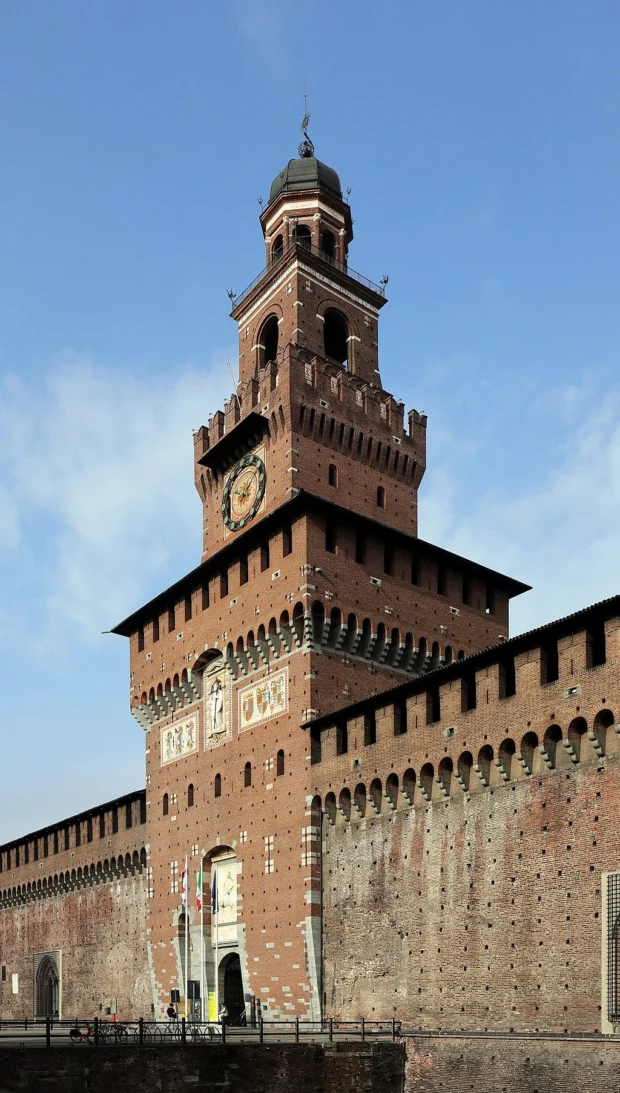
Now the halls display masterpieces by Michelangelo and da Vinci Milan’s greatest treasures, collected under the same roof. Young artists often sketch in the courtyards, while the sound of a string quartet might float out during an afternoon rehearsal. If you pause by the castle walls, you might just catch a couple sharing secrets on a bench, or children inventing stories behind the ancient battlements. Built during times of war, Sforza Castle has reinvented itself for generations, from military fortress to treasured museum and social hub.
Masterpieces and Myths: Santa Maria delle Grazie and Beyond
A short tram ride north brought me to Santa Maria delle Grazie, a modest church that hides one of the world’s most famous paintings Leonardo da Vinci’s The Last Supper. I found the anticipation inside almost electric; people from all over the globe come to gaze at the fresco. Seeing it in person, I understood why. The expressions on the apostles’ faces, the dramatic light there is a tension and humanity here that speaks across centuries. Tickets are limited and timed, so I recommend booking well in advance.

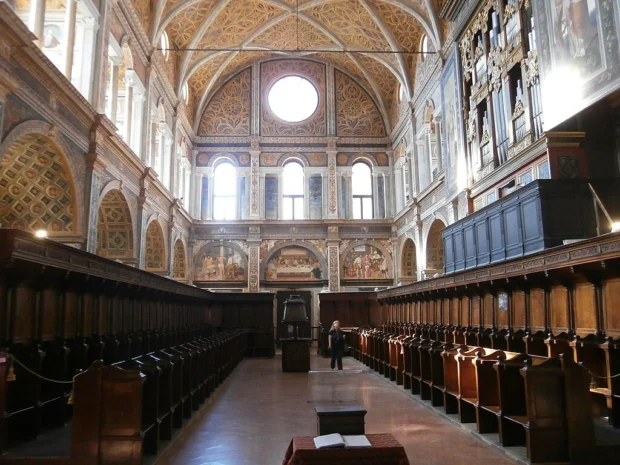
Just past this church, narrow streets hold secrets of old Milan. I met a local who told me stories about lost city walls and the ancient convents that shaped the area. Each evening, the bells at San Maurizio al Monastero Maggiore chime across the rooftops, and if you have time, the painted chapel there glows with gold-leaf frescos a lesser-known gem for art lovers.
Milan’s Living Districts: Navigli, Brera, and Changing Moods
No visit to Milan feels complete without exploring its lively neighborhoods. The Navigli District is known for its canals, which once carried marble blocks for the Duomo’s construction. Today, these waterways reflect colorful houses, art studios, and late-night trattorias. On weekends, vintage markets line the canals, selling everything from rare books to antique cameras a paradise for city photographers and souvenir hunters. I spent a whole afternoon learning the phrase “Posso fare una foto?” (May I take a photo?), chatting with friendly vendors curious about my own city.
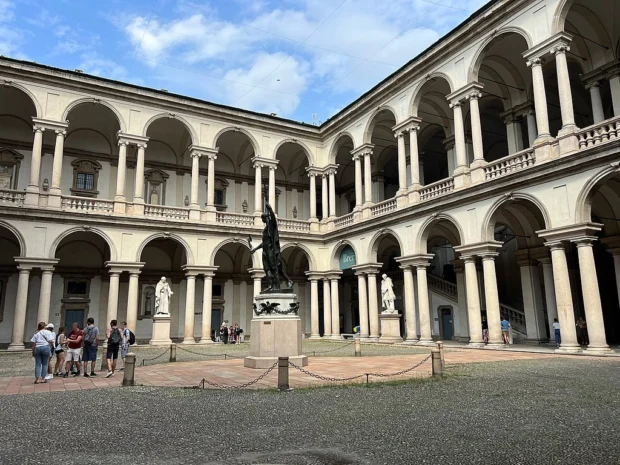
Meanwhile, Brera is a world apart. This former artists’ quarter is now home to the celebrated Pinacoteca di Brera and the Brera Art Gallery, where Italian Renaissance paintings create a silent dialogue with modern Milan outside. Cobbled streets wind through literary cafés, art supply shops, and past perfumed flower stalls. I lost track of time browsing art books, and listened to young artists discussing their dreams over cappuccino. It’s easy to see how writers and poets found inspiration here.
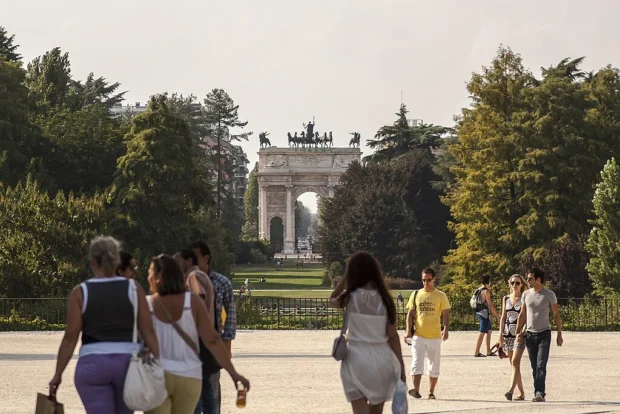
If you want to truly feel the city’s pace, pause in Sempione Park, just behind Sforza Castle. Here, joggers, families, couples, and musicians mingle on the lawns and under chestnut trees. In spring, pop-up markets appear. It’s a favorite spot for an impromptu picnic with slices of focaccia and a bottle of local sparkling water while children chase pigeons through the grass.
Where To Stay: From Urban Romance to Historic Calm
Milan offers sleeping options for every mood and style. If you prefer morning walks with a cathedral view, stay near Piazza del Duomo though rooms here can be more expensive and sometimes echo the city’s busy energy. Around Brera and the Navigli District, I found quieter guesthouses hidden on side streets, perfect for those seeking an artistic, bohemian spirit. The Isola quarter offers a modern twist, attracting younger crowds and creative workers, but maintains easy access to city landmarks by metro or on foot.
If you arrive at Milano Centrale railway station or from Malpensa Airport, you’ll find the public transport system convenient and efficient. Trains, trams, and the metro all connect easily to city hubs. Buy tickets at vending machines or kiosks before boarding, as conductors are quite strict about this rule. For airport connections, I used the train system for both speed and value remember, “Dove sono i treni per il centro?” is a handy phrase to ask for city center trains.
Milan’s Culinary Heritage and Market Life
Wherever I wandered, Milan’s food offered a taste of the city’s layered identity. In the Brera district, risotto alla milanese shines golden with saffron creamy and warming on a cool evening. At lunch in Navigli, I tried the classic panettone, which fills bakeries not only at Christmas but year-round. Milanese cuisine has a reputation for elegance and heartiness, reflected in staple dishes such as ossobuco (braised veal shank) and cotoletta (breaded veal cutlet) served at traditional trattorias.
For a morning snack, I visited a market where the air carried scents of cheese, salami, and fresh bread. “Un pezzo di pane, grazie” one piece of bread, please was all I needed to share a smile with a vendor. Milanese people value fresh ingredients and have pride in their markets; even as the city rushes ahead, these foodie traditions remain unchanged. In the evenings, the city’s aperitivo ritual comes alive: cafés fill with people enjoying drinks and plates of small bites, from olives to local cheeses. It’s a perfect, relaxed way to meet friends and watch the night appear.
Etiquette and Daily Rhythm: Customs to Know
Life in Milan moves at a speed that can feel brisk for newcomers, but there’s a rhythm worth learning. Greetings matter “Buonasera” in the evening and a handshake when meeting someone new. It’s polite to say hello as you enter a shop or café, and many locals expect a brief “Arrivederci” when you leave. Dress tastefully, as Milanese people take pride in appearance, but comfort is never forgotten in the city’s creative districts.
If you’re out late, most eateries close after 11pm outside the busy tourist center, so don’t be surprised by quiet streets after midnight. On trams or trains, giving up your seat to older passengers is common courtesy. I found most people friendly and patient, happy to help if I stumbled through a question in Italian, especially when starting with “Per favore” or ending with “Grazie mille.” Even if you only try a few phrases, the gesture is warmly received.
Finding Milan’s Spirit in Unexpected Corners
My time in Milan taught me that the city is best understood through details an old woman feeding birds in Piazza San Fedele, or the sudden hush of a side chapel. In the Navigli District, I stopped for an hour watching an artist paint the skyline in watercolors, and ended up learning about Milanese legends of secret tunnels beneath the city. A street musician near Sforza Castle played melodies that echoed back from the stone, making even hurried locals slow their pace.
The city’s energy hides in contrasts. Modern architecture rises by ancient cloisters; haute couture boutiques share squares with family-run bakeries. Milan’s personality emerges in these juxtapositions, making each walk unpredictable. Wherever you are, look for the little moments the smile of a shopkeeper, the arc of light through a stained-glass window, or the taste of pastry dusted with powdered sugar at dawn. Milan shows its soul quietly, rewarding those with patience to wander, observe, and linger in its many worlds.
If you come with curiosity and a willingness to listen, Milan opens itself a city where time, taste, and community find a harmonious balance, inviting each visitor to become a part of its ongoing story.
Lover of cities, local cafés, and historic streets, exploring urban life with attention to architecture and culinary delights.
- 20110724 Milan Cathedral 5260 by Jakub Hałun on Wikimedia Commons – cc by-sa 4.0
- Duomo di Milano (23282) by Champ0999 on Wikimedia Commons – cc0
- Galleria Vittorio Emanuele II 2382 by C messier on Wikimedia Commons – cc by-sa 4.0
- Castello Sforzesco (Milan) – The main entrance heading west by Terragio67 on Wikimedia Commons – cc by-sa 4.0
- Santa Maria delle Grazie (Milan) – 52894269114 by dconvertini on Wikimedia Commons – cc by-sa 2.0
- Chiesa di San Maurizio al Monastero Maggiore – Milano 05 by Casalmaggiore Provincia on Wikimedia Commons – cc by-sa 4.0
- Cour Intérieure Palais Brera – Milan (IT25) – 2022-09-03 – 4 by Chabe01 on Wikimedia Commons – cc by-sa 4.0
- ParSemp S by Spens03 on Wikimedia Commons – cc by-sa 3.0

.jpg)

_-_The_main_entrance_heading_west.jpg)
_-_52894269114.jpg)

_-_2022-09-03_-_4.jpg)
