
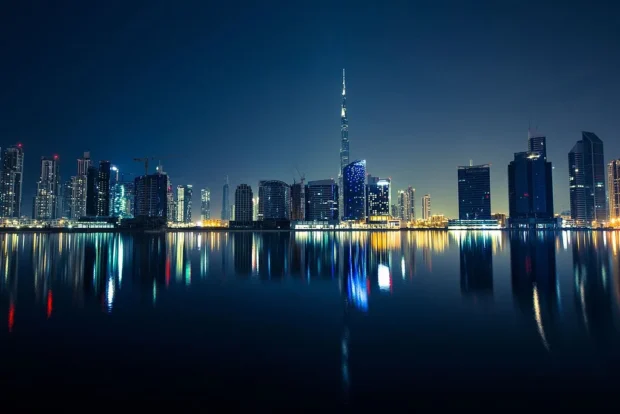
Dubai is where ambition shapes concrete, glass, and sand into something almost mythical. For years I’d read about this city its super-tall towers, islands shaped like palm trees, the gold and pearl markets, the desert meeting the sea. Still, nothing quite prepares you for the way Dubai unrolls itself: modern, dazzling, but also full of stories from centuries past. I wandered beyond the postcards and souvenir shops, speaking with baristas, tailors, and ferry captains, discovering design from wind towers to whimsical fountains. This city doesn’t just invite you to look it wants you to stare, reflect, and admire the boldness of its forms. If you’re searching for the best things to do in Dubai or how to see its iconic buildings and traditions, you’ll find the city waits to surprise and, at times, even challenge you.
Table of Contents
Touching the Clouds: Visiting Burj Khalifa
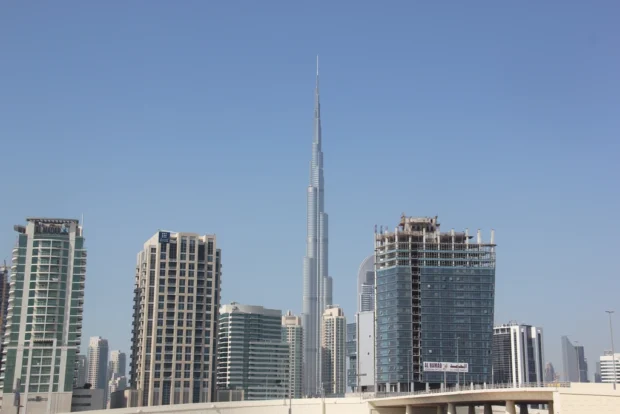
Dubai’s most famous landmark, the Burj Khalifa, rises with quiet confidence, its silvery panels reflecting both sky and city below. If you ask a local, they’ll say it isn’t just a tall building—it’s a symbol. Completed in 2010, the Burj stretches over 828 meters—making it the tallest building on Earth. As an architecture enthusiast, I’ve inspected countless skyscrapers, but the Khalifa’s design pays deep respect to both Islamic geometry and the desert’s changing light. Early mornings, the glass shimmers with gold and blue, while dusk paints it with rose-pink. The view from the observation decks (especially the 148th floor) turns the sprawling city into a miniature map. Tickets are available in advance if you want to skip the midday rush. Look down, spot low-rise ochre walls from old Dubai, and, in the distance, the pale outline of sand dunes. From up here, you feel both the ambitions and humility of standing on the edge of a desert and a sea.
Where Light Dances: Dubai Fountain Moments
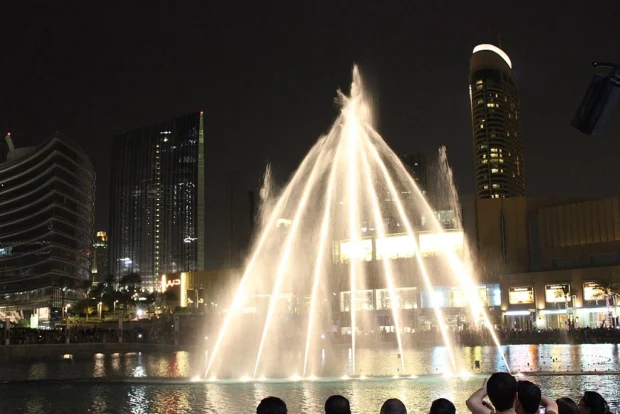
Just outside Burj Khalifa, beneath its shadow, lies a spectacle that makes even adults gasp Dubai Fountain. Every half hour in the evening, water leaps in perfect time to Arabic songs, classical music, even the occasional pop hit. More than 6,000 lights and 25 color projectors turn the water into a painter’s canvas. Some people gather right at the edge, letting fine mist cool their faces, others head for nearby terraces or wander the wooden promenade. For me, the most memorable moment was hearing a group of schoolchildren, hands sticky from date syrup, shriek as the fountains shot skyward. It’s more than a show it’s the city offering a moment of playfulness and unity, all reflected on the surface of the man-made lagoon. If you come early, snagging a lakeside spot is easy; later, you’ll share your view with visitors from every continent, all with heads tilted upward in wonder.
Architectural Marvel and Modern Bazaar: Exploring Dubai Mall
If Burj Khalifa is Dubai’s crown, the nearby Dubai Mall is its bustling heart a city within a city, some say. Imagine a marketplace where you might find a luxury watch beside a stall selling dried Oman lemons, or stumble upon a vast aquarium when looking for coffee. Walking the mall’s polished corridors is a study in contrasts: marble floors, art installations, scents of oud and cinnamon mixing with air conditioning. The Dubai Mall isn’t just for shopping; it’s also home to an Olympic-sized ice rink, an indoor waterfall, and the Dubai Aquarium. Don’t be surprised if you round a corner and find a pop-up fashion show or a troupe of Emirati dancers performing for National Day. For an architecture lover, the mall’s interior uses glass and light to erase the feeling of enclosure, drawing your eye upward with grand atriums. More than a space for commerce, it feels like a constantly evolving stage where Dubai’s many faces old merchant, new designer, curious child meet and mingle.

Walking Along Dubai Creek: Heart of Old Dubai
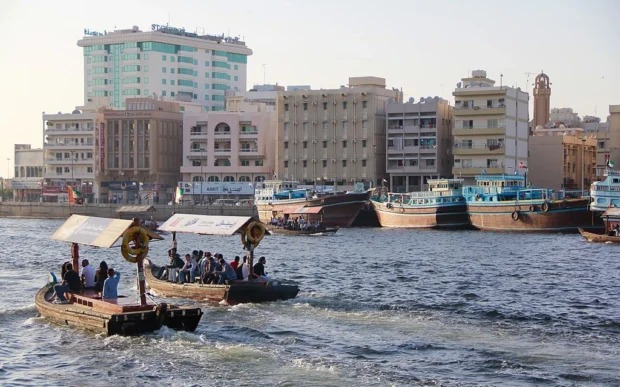
Once you have seen Dubai’s glass towers, it’s easy to forget this city grew up around its creek. Dubai Creek is not just water cutting through the city it is a living museum. Dhows (wooden trading boats) float beside old warehouses, while abra ferries shuttle commuters for just a few dirhams. Cross the creek and step into Deira, where bakers sell sesame bread beside goldsmiths and tailors. I spent an afternoon watching old men play backgammon on the shaded steps, dates piled high in baskets beside them. Down creek, you’ll find the Al Fahidi Historic District, where restored sandstone and coral houses cluster along narrow alleyways. Wind towers, Dubai’s ingenious answer to air conditioning, rise above courtyards. I met a ceramic artist here who explained that every corner hides a story: of trade routes, pearl divers, and the city’s first schools. The Dubai Museum, tucked into the old Al Fahidi Fort, cements the feeling that Dubai’s history is always close, just beneath the surface dust.
Marvel at the Palm Jumeirah and Dubai Marina
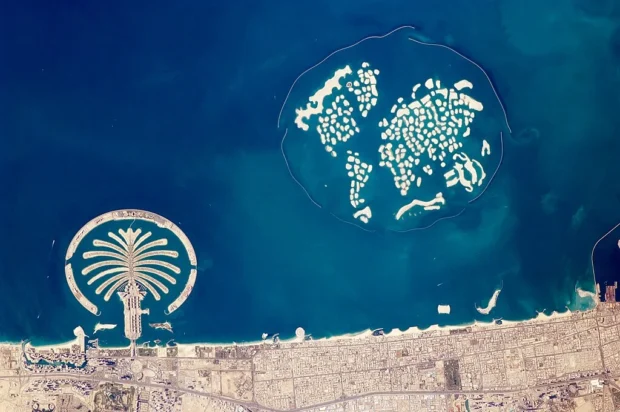
Dubai’s ambition can be seen not just in its height, but in its map. Palm Jumeirah stretches into the sea like a giant work of land art a man-made island shaped like a palm tree, visible from space. Standing on the trunk, I watched monorails glide overhead, their reflections rippling in calm blue water. Villas and hotels line the “fronds,” while the crescent protects the island from crashing waves. It’s hard to forget you are standing on human-made land, yet the scale and accuracy make it feel natural, almost ordinary, in Dubai terms.
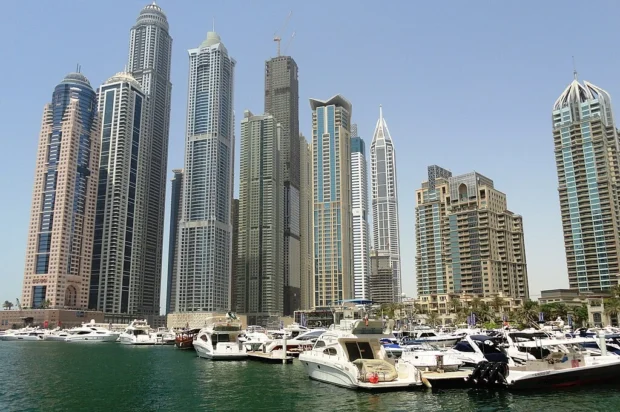
Just to the west, Dubai Marina offers yet another vision of the city’s future. Here, glass towers soar beside yachts and manicured walkways. There is a certain rhythm to the Marina’s design: swooping bridges, footpaths hugging water, and the constant hum of life. It is both residential and theatrical one evening, I watched a wedding party taking photos beneath a sculptural arch while joggers zipped past. The Marina’s design blurs lines between living, working, and leisure, with public spaces linking coffeehouses, boutiques, and shaded plazas. It’s easy to lose track of time here the city lights, mirrored in the canals, draw you onward.
Famous Beaches and the Sail That Glimmers: Jumeirah Beach and Burj Al Arab
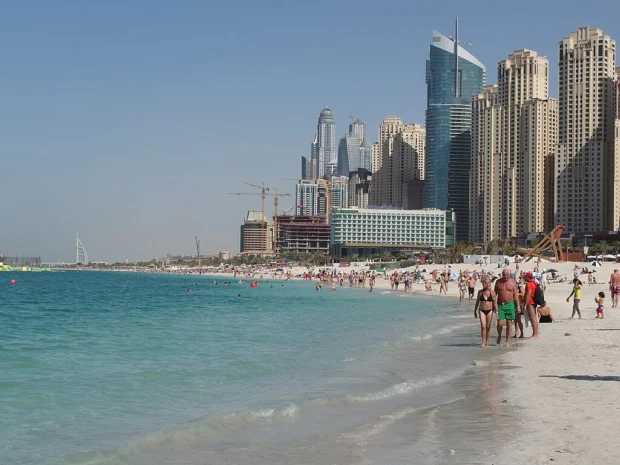
Dubai’s coastline is a long invitation to slow down. Jumeirah Beach, with its soft white sand and gentle Gulf waves, is both a playground and an observation deck. Here you see Dubai’s famous skyline rise, a jagged horizon of ambition. Yet locals gather for volleyball, families picnic under striped umbrellas, and fishermen pull in silver fish at dawn The water is warm much of the year and the feeling is relaxed, even as supercars might purr by on nearby roads.
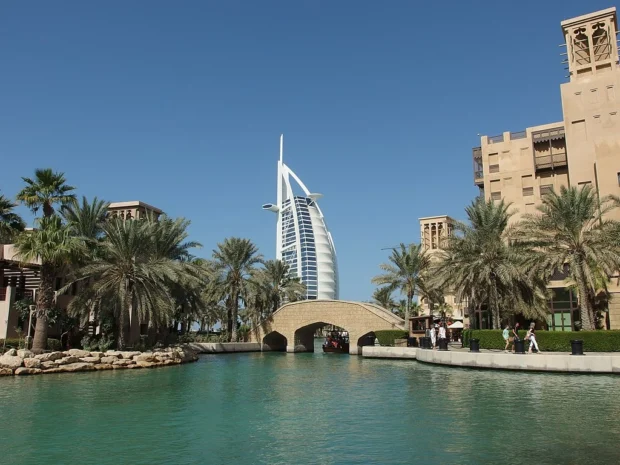
But it is the Burj Al Arab, poised like a sail on the water, that dominates one’s memory. This hotel is often called the world’s most luxurious, but from a design perspective, its white “sail” structure nods to the region’s maritime heritage a blend of nostalgia and spectacle. I once spoke to a stonemason who worked on the base. He explained how materials from around the world marble, gold leaf, custom glass were shaped to fit the architect’s precise vision. To admire it from the public beach is enough; its silhouette against sunset is the iconic Dubai postcard shot.
What to Eat and Where to Stay in Dubai
Dubai’s neighborhoods each have a flavor. In Deira, try a breakfast of balaleet (sweet saffron noodles) and karak tea at a simple canteen. Over in Jumeirah, shawarma stalls compete to see whose garlic sauce is best, while in Satwa you’ll find South Asian curries and Filipino pastries. The city is a culinary crossroads don’t leave without trying machboos (spiced rice and meat) or luqaimat (sweet dumplings, sticky with date syrup). Fine dining exists, but the best meals I had were in small cafes where neighbors chatted in Urdu, Arabic, and English all at once.
As for sleeping, Dubai offers every option: glamorous towers, cozy guesthouses in Al Fahidi, new hotels with city or sea views. I found the most welcoming stays in low-rise inns where staff remember your coffee order and suggest their favorite shawarma stall. Choose your base depending on your plans creekside for history, the Marina for nightlife, or the Palm if you fancy daily walks next to the sea. If you want something different, seek out traditional courtyard houses now run as boutique guesthouses.
Getting Around Dubai: Metro, Water, and Walking
Dubai’s transport is efficient and, compared to many global cities, easy to navigate. From Dubai International Airport, the metro whisks you into the city center in under 30 minutes. It’s clean, air-conditioned, and stations are well marked in both English and Arabic. The metro line runs through many key neighborhoods including Burj Khalifa/Dubai Mall and Dubai Marina. For old Dubai, catch an abra (wooden ferry) across the creek a local custom and delightfully cheap. For those who enjoy walking, pedestrian paths are improving (especially along the Marina and Jumeirah Beach). In the warmer months, however, midday strolls can be draining plan accordingly and pause for cold drinks under awnings or metro stations. Buses supplement the metro, running regular routes to most major areas and beaches. Fares are paid with a reloadable card called a Nol card, easy to buy at stations and kiosks.
Mixing Old and New: Dubai’s Traditions and Cultural Notes
Modern as it is, Dubai appreciates custom and courtesy. When I first arrived, a museum guide explained: “We are modern, but tradition is never lost.” Dress is generally modest in public; for visitors, knee-length shorts/skirts and short-sleeve shirts are fine, but cover up more when entering mosques or government offices. It’s common to be offered dates and Arabic coffee a sign of welcome you should never refuse, even if you only take a sip. During Ramadan, eating or drinking in public during daylight is not allowed, but the spirit of generosity and patience is at its highest if you’re invited to break fast with someone, consider it an honor.
One small thing I learned the hard way: avoid public displays of affection holding hands is usually fine, but kisses or hugs can draw attention. And always use your right hand when receiving gifts or exchanging money; it’s a sign of respect. If you’re curious about local life, ask questions Dubai is proud to share its story, from camel racing to contemporary art.
Quirks and Surprises: Design, Forts, and Sand
Dubai delights in contrasts. Just a few blocks from a futuristic skyline, ancient coral-stone forts stand firm. I wandered into Al Fahidi Fort, home of the Dubai Museum, and was struck by the way thick walls, tiny windows, and carved wooden doors created an oasis of cool calm a reminder of the city’s centuries-old fight against desert heat. The contrast between the fort’s rough stone and the nearby glass-and-steel marvels is dramatic. Old market halls in Deira, with their wooden beams and brass lamps, reminded me of southern Europe’s covered bazaars, yet the air here smells of rosewater, frankincense, and cardamom.
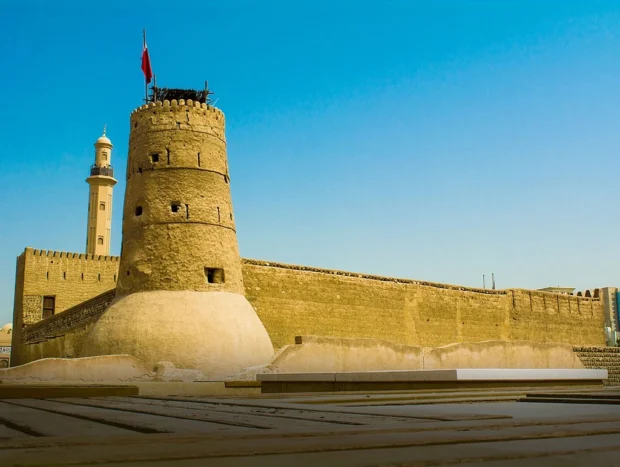
Dubai’s builders are storytellers, their work referencing ancient defensive walls and new coastlines. Occasionally, you’ll find remnants of fortifications modest compared to Europe’s castles, but elegant in their proportion and function. An architect friend explained to me that many new buildings echo these forms, sometimes borrowing the silhouette of a watchtower or the color of sand. There’s a constant push and pull between honoring the past and chasing the next record-breaking design. Even the city’s metro stations sport geometric patterns inspired by Islamic latticework; at sunset, the way the shadow falls on the walls is an artwork itself.
For photography lovers, sunrise at Dubai Creek or dusk at Jumeirah Beach offers soft, golden light that makes even steel and glass seem tender. If you visit during March or October, you’ll notice exhibitions and design weeks that fill galleries, market halls, and even hotel lobbies, showing off the region’s love of material craft textiles, ceramics, and metalwork.
Final Thoughts: Dubai’s Invitation to Pause and Reflect
Dubai is a city not just to see, but to watch unfolding. It’s easy to be drawn to its spectacle the world’s tallest tower, dancing fountains, islands shaped by the human hand. Yet for me, it was the pauses that lingered: an old man in a wind-cooled courtyard sharing a story, a baker shaping dough at dawn, the calm before a fountain erupts into music. You’ll see form and proportion everywhere: in the curve of a dhow’s hull, the lines of a minaret, the mirrored heights of new towers.
Whether you come for a day or a week, let the city surprise you. Wander different districts, speak to the people who make Dubai home, and look for those moments of invention where past and future meet. From the creek to the Palm, every street and station is part stage, part story, and always an invitation to look closer.
- Downtown Dubai, Dubai, United Arab Emirates by Robert Bock on Wikimedia Commons – cc0
- Burj Khalifa (16260269606) by Laika ac on Wikimedia Commons – cc by-sa 2.0
- Dubai Fountain (6343214580) by Isabell Schulz on Wikimedia Commons – cc by-sa 2.0
- Water Fountain at The Dubai Mall (Ank Kumar, Infosys) 02 by Ank Kumar on Wikimedia Commons – cc by-sa 4.0
- Dubai Creek Boats by JSPhotography2016 on Wikimedia Commons – cc by-sa 4.0
- Dubai Marina Aug2012 by Fabio Achilli on Wikimedia Commons – cc by 2.0
- Beach @ Jumeirah Beach Residence @ Dubai Marina (15852332215) by Guilhem Vellut on Wikimedia Commons – cc by 2.0
- Burj Al Arab @ Madinat Jumeirah @ Dubai (15851725086) by Guilhem Vellut from Annecy, France on Wikimedia Commons – cc by 2.0
- Al Fahidi Fort (Dubai Museum) by Jasonbalaba on Wikimedia Commons – cc by-sa 4.0

.jpg)
.jpg)
_02.jpg)


.jpg)
.jpg)
.jpg)