

Arriving in Manchester, United Kingdom, you feel energy in the air. This city, famous for football (soccer), live music, and honest talk, is always in motion past and present joining together on every street. In the heart of northwest England, Manchester is friendly, lively, and full of surprises. This guide shares my own walks through the streets, café stops, chats with locals, and even a few odd legends I picked up along the way. Whether you are here for world-class museums, street art, parks, or just to hear great bands in old pubs, Manchester welcomes all.
Table of Contents
Arriving in Manchester: Simple Ways to Start
Manchester Airport sits about 15 kilometers south of the city center. Direct trains run every 10-15 minutes from the airport station to Manchester Piccadilly station, right in the heart of the action. Piccadilly itself is a busy hub, connecting local trams and buses with nearly every district you’ll want to visit. If you are coming by train from another UK city, you’ll likely arrive at Piccadilly or Victoria stations both are well-signed and safe, even late at night. Don’t be surprised if you’re greeted with a “hiya, you alright?” That’s the local hello, and it opens many doors.
Manchester Museum: Meeting Dinosaurs and Ancient Mummies
You could easily walk past the Manchester Museum without realizing just how much is inside. It’s tucked next to the university buildings, and students fill the nearby cafés great for people watching. But step through those doors, and you’ll meet Stan the T. rex, ancient Egyptian mummies, giant frog skeletons, colorful butterflies, and even a vivarium with rare frogs and reptiles. I spoke with a volunteer who pointed out a coin with a hole punched in the middle. “Roman soldiers carried these for luck,” she whispered, grinning. Maybe Manchester has always been a city that collects the world’s odd details.

John Rylands Library: Time Travel Under Gothic Arches
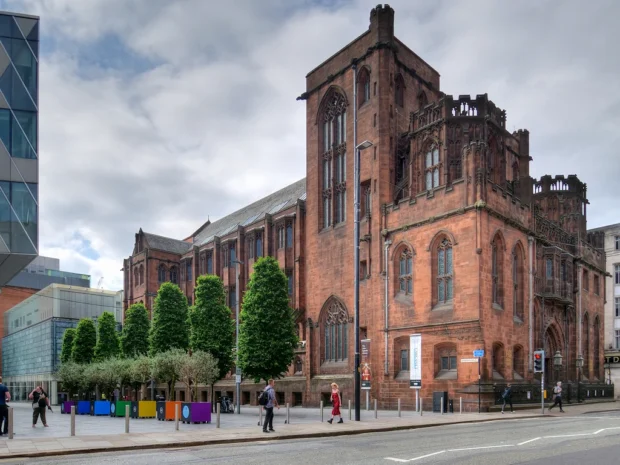
Some say Manchester is a city of builders and experimenters. But for me, the John Rylands Library feels like magic a cathedral of books, opened in 1900. The stone building rises from Deansgate; inside, I climbed a stone staircase that spirals like a castle. Sunlight glowed through stained glass onto rows of ancient manuscripts. Locals told me the floor-to-ceiling shelves are rumored to be haunted by the old book collectors. True or not, you’ll want to see the “staircase to nowhere” a bit of Victorian design playfulness. It’s one of the most peaceful places to read, or just soak up Manchester’s quiet side.
Old Trafford: Home of Football Legends
If you hear cheers rippling through the city, it’s match day. Manchester is home to two famous football teams, but Old Trafford is the legendary stadium where “the Reds” Manchester United play. The ground is almost sacred to many locals. I joined a stadium tour, walking the tunnel like a player and seeing the trophy room. Even if you’re not a fan, the sense of history is easy to feel giant photographs on the walls, statues of players who seem to watch everyone arrive. During non-match days, the area is quiet; sometimes you’ll find fans leaving scarves or notes at a statue, a true ritual in this city where football is more than just a sport.

The City’s Museums and Living History
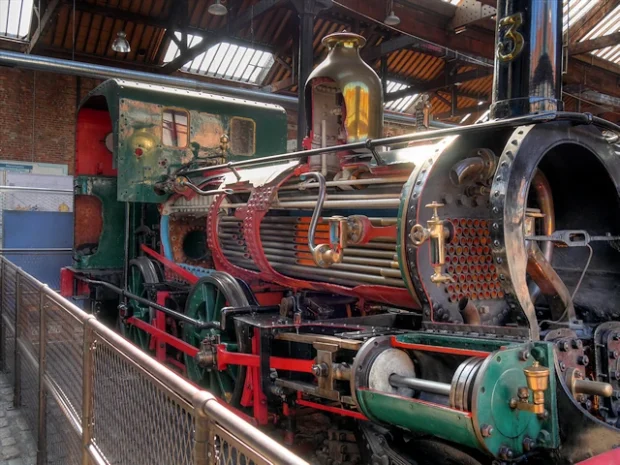
Manchester isn’t just football and music. The Science and Industry Museum is a former railway station where you can see the world’s oldest surviving passenger railway platform. I met a retired engineer here, who explained how Manchester’s steam engines powered the Industrial Revolution. There’s even a room full of working cotton machines, thundering so loud that visitors get earplugs! The museum tells the story of inventions from the splitting of the atom to the birth of the first computer.
For those interested in museums, visiting the Natural History Museum in London offers a chance to see world-class natural science collections beyond Manchester’s own treasures.
Just across the city, the National Football Museum is a shrine to every football fan. It’s shaped like a glass wedge, and from the upper floors you see the rooftops of central Manchester. Inside, you can try your own penalty kick and see the ball from the 1966 World Cup.
If art is your thing, check out the Manchester Art Gallery over 25,000 objects inside, including famous Pre-Raphaelite paintings and bold modern art. I liked the section for local artists best, and a guide told me about Manchester’s tradition of activist artists some inspired by the city’s radical politics, others just by its rainy weather.

Neighborhoods, Murals, and Unexpected Stories
It’s on the streets that Manchester’s real heartbeat reveals itself. Start in the Northern Quarter, a creative neighborhood packed with vinyl record shops, tiny coffee bars, and huge wall murals. Each mural has a backstory one painted after the Manchester Arena tragedy, others celebrating the city’s musicians. The Northern Quarter also hosts Afflecks, a market-like maze full of handmade jewelry, local fudge, vintage clothes, and more punk spirit than any mall could dream up.
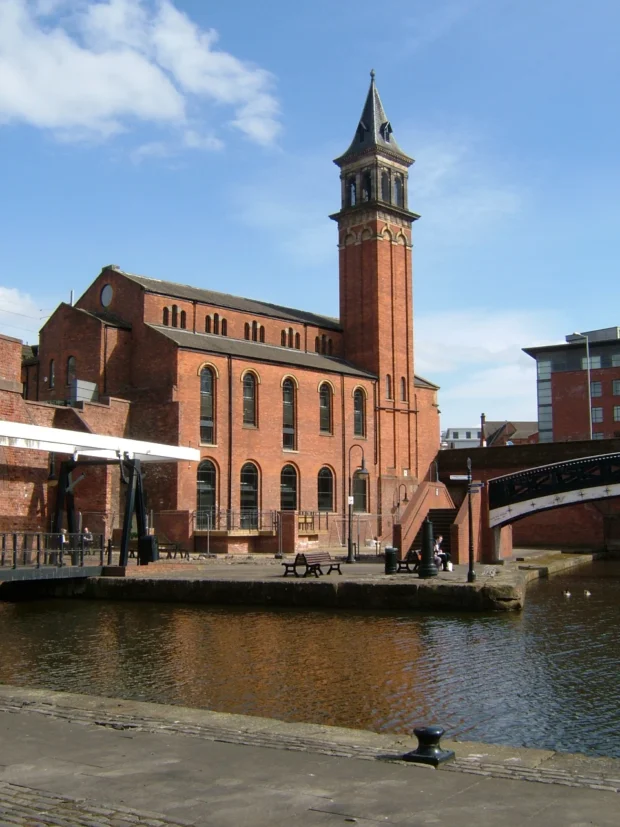
Head southwest and you’ll reach Castlefield, a quiet district of canals and brick warehouses. You can walk along old towpaths and see how the city grew around water and steam. In summer, music festivals and outdoor art pop up on the open spaces. There’s even a Roman fort wall proof Manchester is older than most people imagine.
Take a break in the fresh air at Heaton Park. It’s one of the largest urban parks in Europe, and locals use it for every kind of sport, from cricket to BMX biking. There’s a small animal farm, boating lake, and sometimes an outdoor stage with brass bands an old Manchester tradition. I watched a group of grandmothers teaching their grandkids how to roll down a hill, shrieking with laughter. It’s a spot that feels both lively and gentle, whatever the weather.

Manchester by Night: Music, Theatre, and Lively Crowds
Music weaves through Manchester’s identity, from the Beatles’ visits to the Madchester rave scene. On a Saturday night, I wandered into tiny pubs echoing with guitars, then into bigger venues like the Royal Exchange Theatre. This theater sits inside an old trading hall, where cotton merchants once shouted bids now actors whisper lines under a huge glass dome.

If you enjoy nightlife, Canal Street famous for its relaxed, inclusive atmosphere is a must-visit. Rainbow flags flutter above quirky bars and canal bridges. People gather here any night of the week, but during Manchester Pride the whole street feels like a giant party, with dance and laughter spilling onto the pavement.

For modern art, the Whitworth Art Gallery stands inside Whitworth Park. It’s famous for its big windows and changing exhibitions some with interactive art, others just quiet paintings of the rain. Locals come for coffee, workshops, or to walk through the park’s trees. I met a group painting murals together as part of a community project; they told me how art here is often about bringing neighborhoods together.

The city’s love for performance also shows at The Lowry, on the Salford Quays. The building shines silver and blue by the water, and dance shows and stand-up comedy fill the schedule. I was told by a backstage worker that Manchester’s theatre community is close-knit, “like a big, slightly weird family.”

Daily Manchester: Markets, Rituals, and Local Tastes
Manchester people are famous for their dry humor and for enjoying simple pleasures. I wandered the stalls of a local market and found Bury black pudding (a spiced blood sausage), served hot in a paper tray. Curry Mile, in Rusholme district, is alive late into the night: kebabs, samosas, and sweet mango lassi fill the air with spicy scents. Locals love their chip shops, and you’ll see lines at almost every corner after dark try “chips and gravy” at least once, it’s a must.

Breakfast is often a “barm” a bread roll stuffed with sausage or bacon but Manchester cafés now serve everything from vegan pastries to Turkish baklava. The city is proud of its international flavors, thanks to a long history of migration and trade.
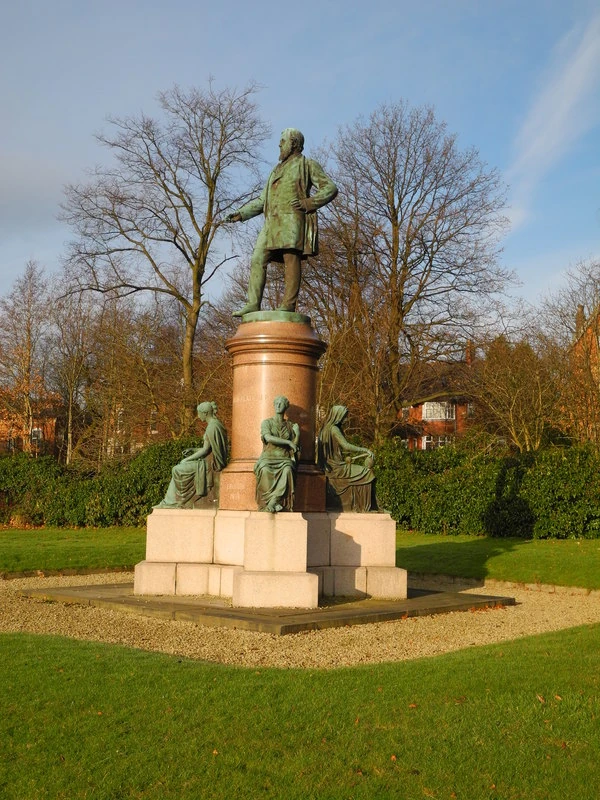
In Platt Fields Park, I saw families fishing in the boating lake, musicians playing near the gardens, and skateboarders doing tricks by the old library. The park sometimes hosts food festivals or Eid celebrations, drawing locals from every background. If you visit during a festival, you’ll hear drummers, folk singers, and see everyone sharing picnic blankets.
Manchester Customs, Legends, and Local Color
People here like to keep things real. Don’t be surprised if someone calls you “mate” it’s friendly, not too formal. In most situations, saying “please” and “thank you” goes a long way, even at busy markets. There’s great pride in the city’s history of supporting workers’ rights, and you can see this at the People’s History Museum, with banners and posters from 200 years of protests and parades.

Manchester Cathedral stands quietly among busy shopping streets. Its medieval stone tower rises above markets and modern trams. During lunchtime, office workers step inside to listen to the organ or light candles. I met a local singer here who explained a city legend: in the crypt, there’s supposed to be a friendly ghost who protects musicians and poets. Real or not, it’s nice to imagine.

Locals also tell stories of “the Manchester bee.” You’ll spot bee symbols everywhere in mosaics, on lampposts, painted on the pavement. This bee represents the city’s work ethic and community spirit. After a tragic event in 2017, the bee became a symbol of hope, with artists painting new murals across the city. Look out for them: there’s one in Stevenson Square, buzzing with color and messages of unity.
Where to Stay and How to Get Around Manchester
Manchester offers choices for every budget: historic city center guesthouses, new apartment blocks, and cozy homes converted into boutique spots. If you want to wake up near the music scene, try the Northern Quarter. For quieter nights, consider Didsbury or Chorlton with leafy lanes and local bakeries. The best way to get around is by Metrolink tram, which criss-crosses the city and is easy to use. Day tickets offer unlimited rides and can be bought at every station. Buses are frequent and reliable too.
I noticed cycle lanes growing every year, and there are easy bike rentals across the center. For the brave, Manchester is very walkable, even under its famously unpredictable weather. Always have an umbrella handy; locals call rain “liquid sunshine.”
Warmth, Wit, and Welcomes: Manchester’s Lasting Impression
After days in Manchester, I realized the city’s treasures are more than objects in museums or scores on a football field. They’re in conversations with strangers, the sound of a street musician echoing in an old railway arch, the cheerful greetings in market stalls, and moments when history and music blend into something new.
Manchester moves fast but never forgets its roots. Past and future are neighbors here; so are every imaginable accent, outfit, and recipe. Whether you’re watching the sunset from a canal bridge, sharing a snack in a crowded square, or simply listening to the city’s music, you’ll leave understanding why Manchester calls itself “the original modern city.” There’s always something more to see, and plenty of people to share it with.
Urban traveler into music, street culture, and city neighborhoods with personal storytelling.
- Manchester United old trafford Ank Kumar 01 by Ank Kumar on Wikimedia Commons – cc0
- Manchester Museum Entrance – geograph.org.uk – 4362955 by David Dixon on Wikimedia Commons – cc by-sa 2.0
- John Rylands Library, Manchester – geograph.org.uk – 6866138 by David Dixon on Wikimedia Commons – cc by-sa 2.0
- Manchester , Trafford – Old Trafford Football Stadium – geograph.org.uk – 3725282 by Lewis Clarke on Wikimedia Commons – cc by-sa 2.0
- Museum of Science and Industry, "Pender" – geograph.org.uk – 4920742 by David Dixon on Wikimedia Commons – cc by-sa 2.0
- Manchester Art Gallery – geograph.org.uk – 1748756 by David Dixon on Wikimedia Commons – cc by-sa 2.0
- Castlefield Bridgewater Deansgate end4646 by Clem Rutter, Rochester, Kent. on Wikimedia Commons – cc by-sa 3.0
- Heaton Park Tramway 2016 001 by Photograph by Mike Peel (www.mikepeel.net). on Wikimedia Commons – cc by-sa 4.0
- Royal Exchange Theatre, St Ann's Square – geograph.org.uk – 6362239 by Eirian Evans on Wikimedia Commons – cc by-sa 2.0
- Manchester, Canal Street – geograph.org.uk – 5868306 by David Dixon on Wikimedia Commons – cc by-sa 2.0
- Whitworth Art Gallery, Manchester – geograph.org.uk – 4845314 by Dave Pickersgill on Wikimedia Commons – cc by-sa 2.0
- The Lowry, Salford Quays – geograph.org.uk – 6131349 by Brian Deegan on Wikimedia Commons – cc by-sa 2.0
- National Football Museum – geograph.org.uk – 3843723 by N Chadwick on Wikimedia Commons – cc by-sa 2.0
- The Statue of John Platt MP – geograph.org.uk – 3260290 by John Topping on Wikimedia Commons – cc by-sa 2.0
- People's History Museum by The original uploader was Lmno at English Wikipedia. on Wikimedia Commons – cc by-sa 3.0
- Manchester Cathedral – geograph.org.uk – 1748397 by David Dixon on Wikimedia Commons – cc by-sa 2.0


