
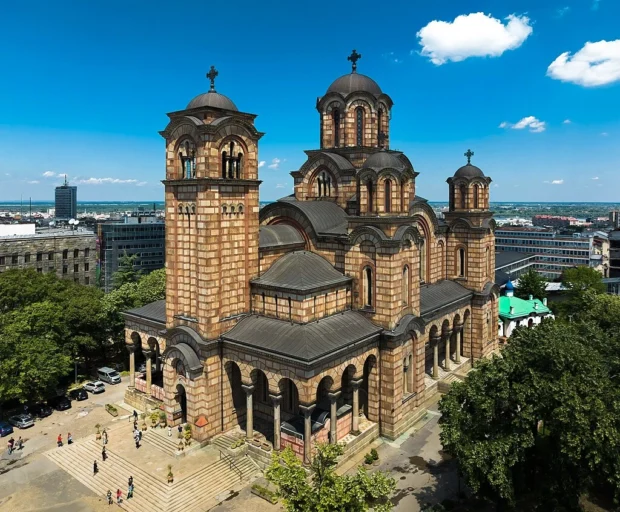
Belgrade, Serbia’s spirited capital, lives at a crossroad of rivers, cultures, and centuries. For a city often overlooked on European itineraries, it rewards the curious with a blend of Ottoman relics, Austro-Hungarian facades, communist-era mosaics, and the kind of lively cafes where tales stretch late into the night. Old markets, fortress ruins, rising spires, a humming street life these all shape Belgrade, making it a city both ancient and unendingly new. With layers of Roman, Balkan, and Slavic influences, Belgrade has proven itself resilient through restoration and reinvention. Finding yourself by the Sava or Danube, listening to tales old and new, you feel the heart of Serbia beating strong and proud.
Table of Contents
Walking the Fortress: Kalemegdan’s Living Story
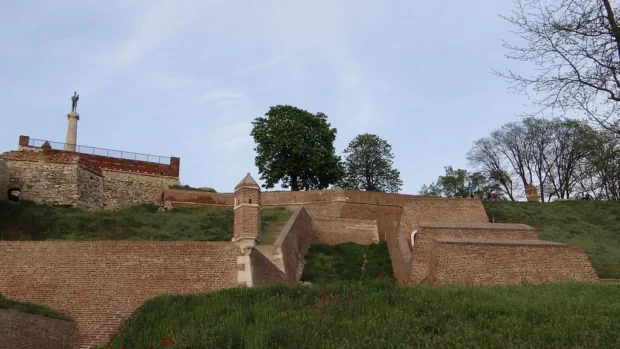
No other place feels as deeply intertwined with Belgrade’s fate as Kalemegdan Fortress. Set on a headland above the wide Danube and Sava rivers, this stone stronghold has watched over the city for nearly two millennia. At sunrise, we hiked the shadowy cobbled paths, the dewy grass still chilly beneath the echo of church bells. Each stone holds the memory of Romans, Ottomans, and Serbs who rebuilt these walls time and again. Locals call Kalemegdan a place for memory. Teenagers share secrets beside the Victor Monument, couples linger by cannon relics, and birdwatchers scan trees where monks once walked.
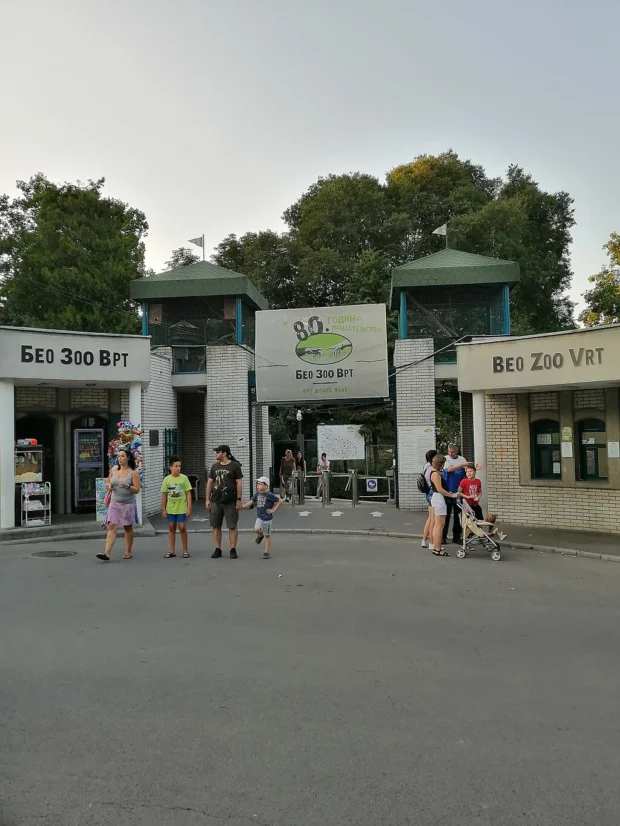
From atop the ramparts, sweeping views of two rivers remind us why Belgrade’s fate was always tied to trade and rivals. The fort’s parkland is perfect for picnics. In spring, sellers with wooden carts hawk sunflower seeds and children chase pigeons near the old Roman well. Some say the well is bottomless, others claim it’s haunted Serbian legends keep this site alive. Nearby, the Belgrade Zoo peeks from behind the stone curtain. The animals are a favorite among families, and the Zoo’s story is woven with the city’s own endurance, having been rebuilt after wartime destruction.
Knez Mihailova Street: Old Heart, Modern Pulse
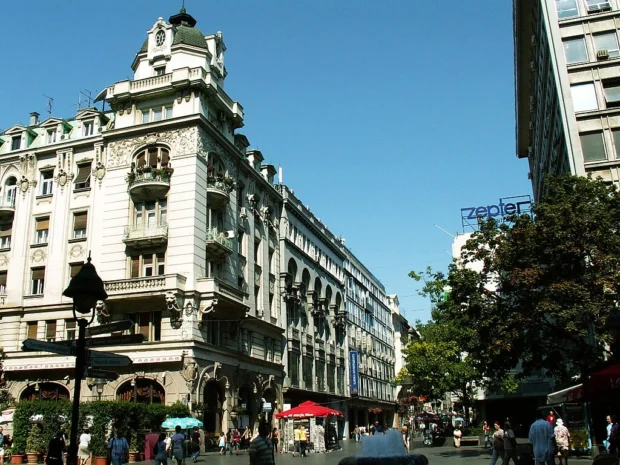
If you want to feel Belgrade’s energy, walk Knez Mihailova Street from Republic Square to Kalemegdan. This pedestrian boulevard bustles from dawn till night, flanked by facades that glow golden at sunset. Each turn reveals a careful restoration pastel Neo-Renaissance buildings hold bookshops and ceramic galleries. I stopped to watch a potter crafting delicate Serbian vases, their patterns reflecting the city’s Ottoman past. Cafés line the walk, and no matter the hour, outdoor seating is full. It’s easy to join the crowd watching street musicians and artists, or simply enjoy a Serbian pastry burek with tangy yogurt, or crumbly vanilice cookies.
Knez Mihailova never seems to sleep. In June, local textile artists set up stalls, selling linen scarves and vibrant wool bags. Street legends say part of the pavement still covers an old Roman road, and I asked a bookseller if it’s true. He only smiled and told me every stone in Belgrade has a secret. From the side alleys, little courtyards hide tiny bookshops and antique textile stores perfect for anyone passionate about ceramics or old fabric traditions.
The Grandeur of St. Sava Temple
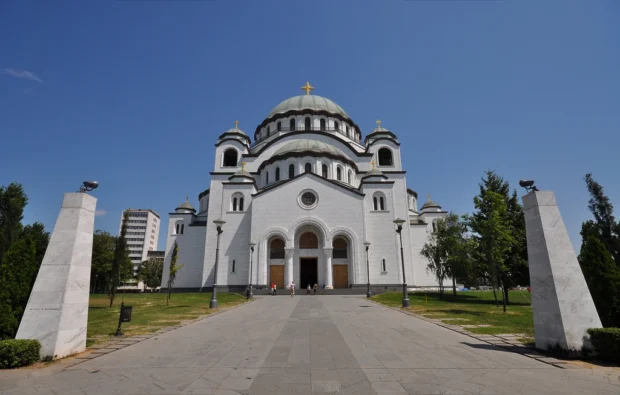
Belgrade’s skyline would not be complete without the white domes of St. Sava Temple. Rising above the city’s Vračar district, its green copper roofs shine brightest at noon, and at dusk, its golden mosaics shimmer from within. This church is among the world’s largest Orthodox temples, still a work in progress even today. Entering St. Sava, we were hushed by the vastness of its marble floors and the way sunlight splinters through the grand dome. The interior construction goes on, stone by stone; this work feels like a living ritual.
Outside, locals gather in shaded gardens, sharing snacks or stories. Each spring, you may see festival processions circling the church, with children holding painted eggs or musicians playing folk songs. St. Sava is not just religious it’s a monument to Serbian resilience, built through decades of challenge. The project has become a symbol of hope and continuity for the city.
Republic Square and the Meeting Place
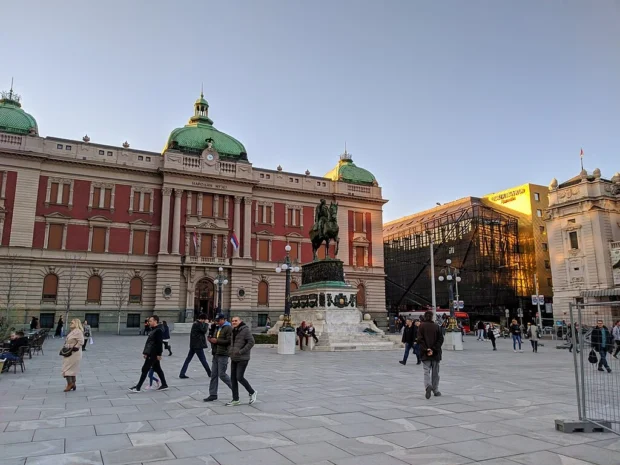
At the heart of central Belgrade, Republic Square keeps the city in motion. Locals call it simply “Trg,” and it’s long been a favorite place to meet friends. Under the shadow of the National Museum and the drama of the National Theatre, the statue of Prince Mihailo on horseback tells its own story legends say touching the statue’s hoof brings luck. In every direction, the square connects to busy streets and tramlines, making it a crossroads for all walks of Belgrade life.
Republic Square often hosts outdoor concerts or pop-up markets. One afternoon, we stumbled upon a ceramics fair, the air rich with the smell of dried clay and fresh coffee. The square’s energy is addictive. At sunset, Serbian schoolchildren play amid the fountains, and elders swap stories on stone benches. Look out for the pavement mosaics: their designs are inspired by old weaving patterns from Serbia’s countryside.
Skadarlija Quarter: Bohemian Past, Present Laughter
Wander east of Republic Square, and you’ll find yourself in Skadarlija the city’s historic bohemian quarter. Here, cobblestones wind under lacy canopies of grapevines. Faded houses lean together, and murals spill onto old plaster. In Skadarlija, laughter bubbles from taverns, where wooden tables overflow with plates of grilled meat, pickled peppers, and slices of kajmak-rich bread. I joined a table of locals who sang folk songs between sips of homemade rakija; they insisted I try ajvar, a red pepper spread, with cheese and fresh bread.
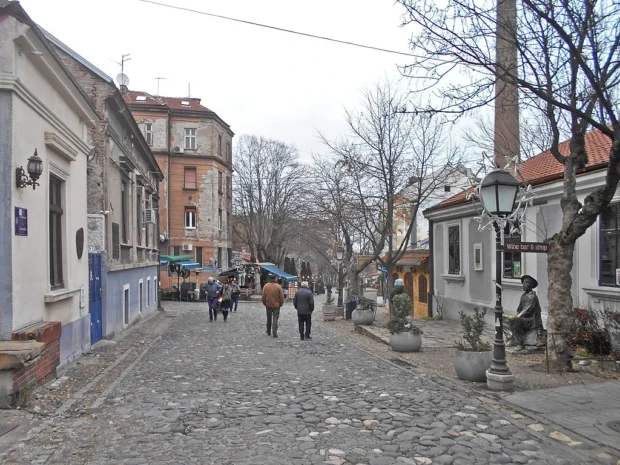
The district once welcomed poets, artists, and rebels. Even today, you might overhear stories of famous guests who left their mark on the city’s culture. Many restaurants here keep alive old Belgrade recipes don’t miss sarma (stuffed cabbage rolls) or the creamy desserts like orasnice, shaped by hand. Skadarlija’s charm is timeless. Children play along narrow lanes, dancers appear during folk festivals, and now and then, the music drifts all the way to the main street.
Green Shores and the Sava River: Ada Ciganlija
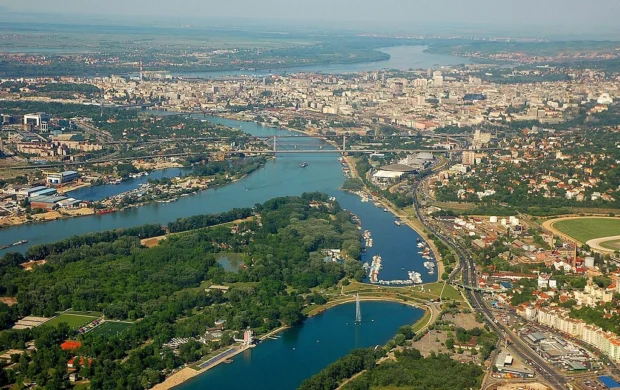
Come summer, city life spills onto the Sava River at Ada Ciganlija, Belgrade’s green oasis. This long island-turned-peninsula is beloved for its pebble beaches, water sports, and shaded bike trails. Light breezes smell of barbecued cevapcici and wildflowers. I spent an afternoon here as locals biked in swimsuits to the water’s edge, children built sandcastles, and brave souls wakeboarded past floating cafes.
Ada is sometimes called “Belgrade’s Sea” a playful name for a city not far from the Black Sea but happy to invent its own patch of paradise. Many visitors rent kayaks or paddleboards, while others relax in hammocks amid willow trees. Local artists sometimes gather near the old linden tree, selling handwoven baskets or ceramics. After sunset, music drifts from simple riverside bars, and the water glimmers with city lights. If you seek a softer side of Belgrade, Ada is peace after the urban bustle.
Meet the Mind of Tesla: Nikola Tesla Museum
For those with a spark for invention, the Nikola Tesla Museum in the leafy Vračar district is a must-see. The building is not large, but its collection delivers a big shock forgive the pun. As I moved through the galleries, static electric devices zapped to life, and the museum guides, full of Serbian pride, told stories of Tesla’s experiments. One showed me a simple coil that made lightbulbs glow in our hands a trick Tesla used to impress New York crowds over a hundred years ago.
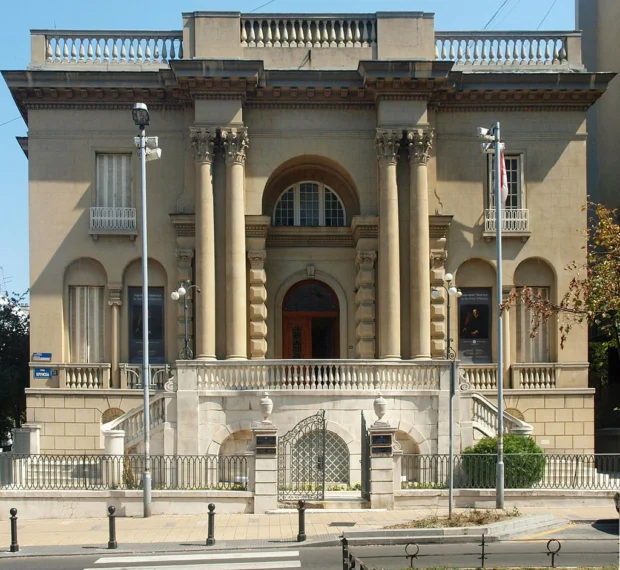
Artifacts here include Tesla’s original notebooks, photographs, and odd mechanical parts the beginnings of breakthroughs that changed how we use energy. For children, the museum’s flashes and sparks are pure wonder. For adults, it’s a view into Serbia’s contributions to science and technology, told with genuine affection. Tesla is a homegrown hero, his life and legacy respected far beyond the city.
Markets, Museums, and Towers Beyond the City Center
Belgrade’s spirit stretches beyond the old town. For a glimpse into past and present, spend a morning at Zeleni Venac, the city’s main market. Early on, farmers from the countryside arrive with baskets of seasonal fruit, jars of wild honey, and fresh cheese. The range of ceramics and textiles for sale is impressive, reflecting both Ottoman and Balkan design. I picked up a blue-glazed bowl from a trader who told me her family has worked with clay since Ottoman days.
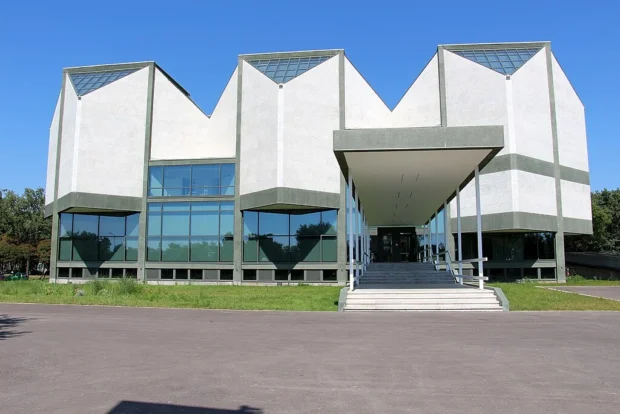
Just to the south stands the Museum of Yugoslavia. Here, visitors learn about Tito and the age when Yugoslav culture brought together people from across the Balkans. Stories from local guides add personal depth. Next to the museum sits the House of Flowers, once Tito’s residence and now his mausoleum a peaceful, fragrant place, and one of silent stories.
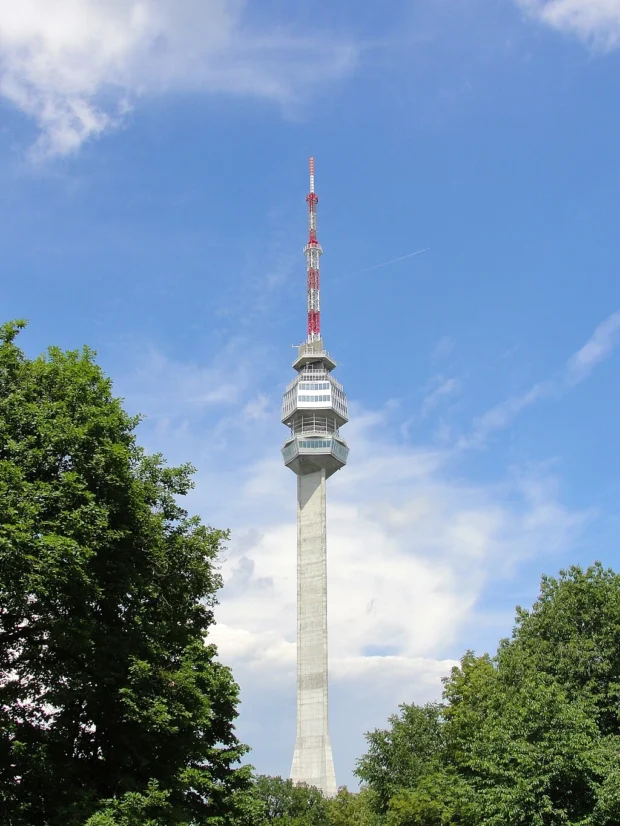
Hop on tram 2 or a city bus to reach the Avala Tower. Rebuilt after the 1999 air raid, this needle-like structure rises over forested slopes. The elevator to the viewing deck is an experience, shooting you toward dramatic views over Belgrade, the rivers, and far-off plains. Local families picnic at the foot of the tower; food stalls offer grilled corn and sweet crepes, perfect after a morning hike.
Practical Advice: Arriving, Getting Around, Staying
Belgrade’s main airport is well connected to the city by local bus lines look for buses A1 (fast) or 72 (regular). Both bring you to the central railway station area in around 30-40 minutes, making it easy to reach the city center. Trains run across the Serbian rail network, and Belgrade’s compact trams and buses serve all major neighborhoods and attractions. Tickets are easy to buy at kiosks, and travel is affordable.
When choosing where to stay, think about what you want from the city. The area around Knez Mihailova is perfect for culture and shopping, while Vračar close to St. Sava Temple and the Nikola Tesla Museum is quieter and full of coffee shops. For nightlife and a bohemian feel, try accommodation near Skadarlija or Dorćol, the historic Jewish quarter. Travelers who want riverside walks may enjoy New Belgrade, with its modern blocks and floating bars.
Belgrade’s Culinary Landscape and Unique Traditions
Every morning, bread vans deliver fresh loaves to markets and bakeries. Serbian breakfasts are simple thick yogurt and soft pastries, or eggs fried in kajmak. For lunch, try pljeskavica (grilled meat patties) at a family-owned cafe in Zeleni Venac, or stop by Dorćol for spicy fish stew, a recipe once brought by Danube fishermen.
Each district has its own specialty Skadarlija is known for hearty bean soups and sweet puff pastries, while New Belgrade’s riverside stalls serve freshwater fish and cold salad. Try Serbian cheese known as sir, and do not skip ajvar, a red pepper relish that appears at every meal in autumn. Meat eaters can look forward to roasted pork or lamb, but vegetarians will find stuffed peppers, cabbage rolls, and grilled mushrooms to enjoy.
Markets sell home-made honey, pickles, wild berries, and even ceremonial bread used in religious holidays. I visited a little shop near Kalemegdan where the owner showed off embroidered linens, woven rugs, and clay pots many for sale, all crafted by local hands.
Customs, People, and Rhythm of Daily Life
Belgraders are famously direct but expect politeness and respect for elders. A cheerful “Dobar dan” (Good day) in shops sets the right tone. Locals love to talk about sports, music, and politics, and it’s common to see friends arguing over strong coffee for hours. Kissing on both cheeks is a greeting among friends if you are unsure, a handshake is always safe.
Tradition is important, even as the city grows modern. Wedding parties often parade through Knez Mihailova or park cars on Republic Square, honking horns and waving ribbons. Don’t be surprised if someone offers you homemade rakija; it’s polite to try a sip, but nobody minds if you decline. Local artists and craftspeople are proud of their work ask a question at a market, and you will often learn more than you expected, perhaps even a family story or local myth.
Festivals like Easter, when painted eggs are exchanged, or the colorful Belgrade Carnival fill the streets with music and parades. Everyday rituals are simple but meaningful: families eat together, and old stories are told at the table. Travelers who appreciate ceramics, folk textiles, or village recipes will find Belgrade offers living echoes of the past in every neighborhood.
After walking Belgrade’s historic streets, you might enjoy a visit to the Grand Bazaar in Istanbul, where centuries of trade and culture weave a vibrant market story.
More Than a Capital: Belgrade’s Lasting Impressions
Walking Belgrade’s riverbanks at dusk, the city feels timeless and honest. Old tramlines rattle under chestnut trees, and youth laugh outside packed cafes. Museums and markets, old towers and hidden courtyards each layer of history speaks in a new way. While the city is not always beautiful in the classical sense, its spirit is fierce, and its welcome is unforgettable.
For a gentle Danube companion to Belgrade’s lively spirit, see the peaceful streets and castles of Bratislava.
We left Belgrade with more stories than we could tell echoes of Roman soldiers, market traders and poets, the sound of river barges and church bells. If you come with open senses, you will see that Belgrade has room for everyone. Whether watching sunsets from Kalemegdan, drifting in Ada’s calm water, or following folk music through Skadarlija, the city invites you into its daily life. And in this invitation, Belgrade shares a warmth that travelers keep with them, long after the rivers are out of sight.
Eastern Europe travel specialist uncovering hidden gems from the Baltics to the Balkans.
- Crkva svetog Marka, Beograd (St. Mark's Church, Belgrade) by Petar Milošević on Wikimedia Commons – cc by-sa 4.0
- Zoo vrt Beograd 02 by Miljan Simonović on Wikimedia Commons – cc by-sa 4.0
- 2014-04-06 17-21-54 Kalemegdan by Dekanski on Wikimedia Commons – cc by-sa 4.0
- Knez Mihailova Street (Belgrade) by Jaimrsilva on Wikimedia Commons – cc by-sa 4.0
- Saint Sava Cathedral in Belgrad, Serbia by Predrag Bubalo from Sydney, Australia on Wikimedia Commons – cc by-sa 2.0
- Skadarlija in winter 02 by BuhaM on Wikimedia Commons – cc by-sa 4.0
- Belgrade iz balona by Vlada Marinković on Wikimedia Commons – cc by-sa 3.0
- Museum of Nikola Tesla, Belgrade, Serbia-cropped by Museum_of_Nikola_Tesla,_Belgrade,_Serbia.JPG: Rburg87 derivative work: Begoon on Wikimedia Commons – cc by-sa 3.0
- Beograd – Muzej Savremene Umetnosti (MoCAB) by Fred Romero on Wikimedia Commons – cc by 2.0
- Avala TV Tower by Jeff Attaway from Belgrade, Serbia on Wikimedia Commons – cc by 2.0
- National Museum of Serbia at the Republic Square, Belgrade 2022 by Imeao on Wikimedia Commons – cc0
.jpg)


.jpg)


.jpg)

