

Cologne, Germany stands as a fascinating European city of history, modern design, impressive architecture, and everyday hospitality. This urban destination on the Rhine River impresses visitors with its vast range of sights, efficient transport, and accessible city layout. If you’re planning a trip, you will likely search for “Cologne Germany things to do” a smart question given how much the city offers both on and off the map.
Table of Contents
Arriving in Cologne is straightforward. Most visitors land at Cologne Bonn Airport or arrive by train at Köln Hauptbahnhof, the Central Station. Both link to the heart of the city by frequent regional trains (S-Bahn) and trams. In my experience, the journey from the airport to the city center is hardly longer than 15 minutes by S-Bahn S19, dropping you right behind Cologne Cathedral. An affordable “KVB” public transport ticket covers nearly all your inner-city movements by tram, subway, or bus. If you plan extensive travel, check for group or day passes to maximize savings and convenience. In this post, I share my observations, practical advice, and a lens on both headline sights and subtle quirks that give Cologne its character.
Cologne Cathedral: A World Heritage Marvel
Commanding the skyline over the Rhine stands the celebrated Cologne Cathedral (Kölner Dom), whose twin spires rise to almost 160 meters. It is Germany’s most visited landmark and also a UNESCO World Heritage Site. As soon as you step from the central station, you’re greeted by the gothic arches casting deep shadows, and the remarkable detail in sculpted stonework. Even if you have seen dozens of cathedrals before, this one will impress you with its vertical ambition and intricate stained glass.

Inside, natural light streams through medieval and modern windows. I stood quietly among visitors of all backgrounds, all drawn upwards by the nave’s towering height. If you feel energetic, you can climb more than 500 stone steps to the viewing platform (there are no elevators here), where a panorama of Cologne’s layered rooftops waits. On Saturdays and Sundays, try to catch the booming organ or a choral mass for extra atmosphere. The cathedral offers daily visiting times and details for anyone who likes to plan ahead.
Learn more about Cologne Cathedral’s impressive architecture and history in our detailed Cologne Cathedral guide to complement your city visit.
Walking the Hohenzollern Bridge and City Views
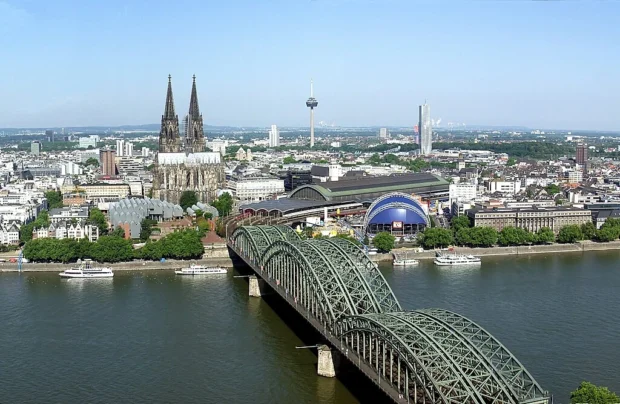
Just footsteps from the cathedral sits the Hohenzollern Bridge, a key connection for trains and pedestrians alike. I strolled along its iron arches, watching constant trains rumble above the river as city trams glided by below. Many travelers pause here, snapping photos of Cologne’s dramatic skyline. The bridge has also become famous for its “love locks” couples from many countries attach padlocks to the gridded fence, tossing the keys into the river below for luck.

Every hour, cyclists, runners, and travelers move past, and it’s common to hear several languages, from French to Turkish to Dutch. If you are a fan of urban infrastructure, the bridge’s design and the coordinated flow of interregional trains make for a fascinating demonstration of German transport efficiency. On the other side, you find direct access to the modern Cologne Messe/Deutz train station and Rheinpark, one of the largest urban green spaces in the city.
Historic Altstadt: Heart of Old Cologne
Wandering into Cologne’s Old Town (Altstadt), the medieval street grid quickly stands out. Unlike some European old towns, Cologne’s Altstadt is not preserved in a museum-like state but blends lively bars, traditional breweries, local shops, and residential homes. Narrow paved lanes (like Salzgasse and Lintgasse) lead you towards the Rhine and the celebrated squares of Heumarkt and Alter Markt, which buzz with visitors and locals much of the day and night.
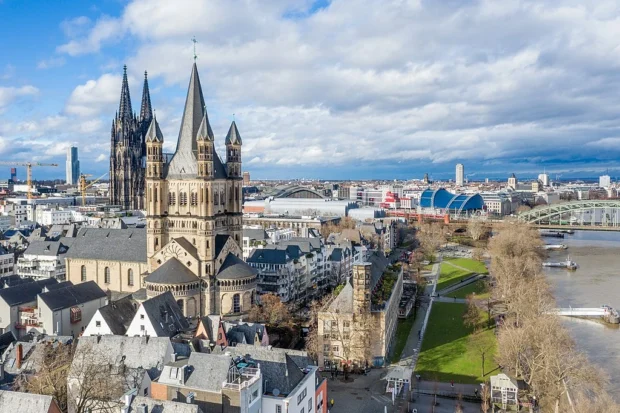
In these quarters, I sampled “Kölsch,” the pale beer served in tall, slim glasses by servers known as “Köbes,” who are brisk but good-humored. If you want to order another drink, simply say “Eine Kölsch, bitte!” (a-na KOLSH, bit-teh), and they will bring you a fresh glass without being prompted. In Altstadt, you also find the imposing Great St. Martin Church; its Romanesque tower is a fixture of the skyline and often provides a quiet contrast to more bustling squares nearby.
World-class Museums and Riverfront Delights
For art lovers, Cologne’s Museum Ludwig stands alongside some of the best collections in Europe, known especially for its modern art and extensive holdings of Picasso. Just next to the cathedral, its clean lines and spacious halls invite visitors to linger over twentieth-century masterpieces, from Pop Art to Expressionism, as well as changing contemporary exhibitions.

History enthusiasts can trace Cologne’s Roman past at the Roman-Germanic Museum, famous for a well-preserved Dionysus mosaic and countless archaeological objects unearthed beneath the city. Meanwhile, lovers of sweet treats should not miss the Cologne Chocolate Museum, perched right on the river’s edge with its interactive exhibits and most enjoyably a working chocolate fountain. Cologne takes the subject seriously: I watched children and adults alike delighted by the scent of roasting cocoa beans and the chance to sample a fresh wafer dipped in warm chocolate.

Public Transport, Getting Around, and Urban Design
One of Cologne’s assets is its integrated public transit network. In addition to S-Bahn and U-Bahn lines, the KVB streetcars and buses let you reach further out districts within minutes. Bicycles are also a favored way to get around; dedicated cycling corridors cut through the city and along the river. My tip: download the official “KVB” app to buy digital tickets. Most machines include an English language option, and day or week passes grant excellent value if you anticipate frequent use.
For those interested in transport history and urban logistics, Cologne provides interesting case studies. The city rebuilt much of its infrastructure after wartime devastation, meaning that streets often mix winding medieval layouts with wide, postwar boulevards. For intermodal travelers, mainline trains at Köln Hauptbahnhof connect easily to trams and local S-Bahn services onward to Bonn or Düsseldorf. Trains to Frankfurt Airport leave twice per hour, taking about an hour.
Flora, Green Space, and Family Attractions
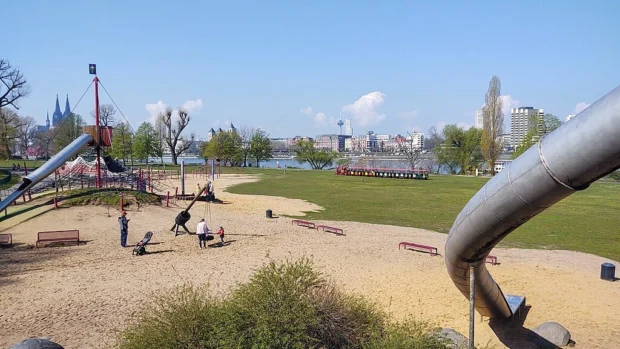
Cologne maintains a high standard of livability with public parks and green spaces. The Rheinpark, directly across the river from the old town and just beyond the Hohenzollern Bridge, offers well-kept lawns, playgrounds, art installations, and a tiny open-air railway. I found it an ideal spot for jogging at sunrise, with early-morning rowers visible on the water and the city’s main towers outlined in the sun.
North of the old city, the Flora and Botanical Garden present a calm space well suited for quieter afternoons. Nearby, the Cologne Zoo stands out for innovative enclosure design and its dedication to education. I chatted with a local family who said their son’s favorite word was “Erlebnis” (air-LAYB-niss), meaning “experience” or “adventure” the zoo and attached aquarium truly try to live up to the phrase.


The Belgian Quarter and City Nightlife
If you are curious about where younger locals spend their evenings, look for the Belgian Quarter, an area west of the old town marked by Platinstrasse and Brüsseler Platz. True to its name, street names echo cities in Belgium, and the ambiance is relaxed but fashionable. Trendy cafes and independent shops line the avenues, and you will see groups gather for live music, open-air screenings, or simply conversation on benches during summer.

The area showcases another key Cologne phrase “Alles klar!” (AH-les klah) meaning “All right!” or “Understood!” You might hear it between friends or even as a practical response to service staff. Food here is international in scope, ranging from Asian noodle bars to vegan bakeries, but you will also find traditional German snacks like “Halver Hahn,” dark rye bread with aged cheese and pickles.
Culinary Cologne: Eating and Drinking with the Locals
Cologne’s food scene centers on regional Rhineland specialties, Kölsch beer, and an open approach to international influences. Old Town (Altstadt) is the best place to sample classic stews, roast pork (Himmel un Ääd—mashed apple and potato served with sausage) and Reibekuchen (fried potato pancakes, sometimes topped with apple sauce). If you want to compliment the chef, a polite “Sehr lecker!” (zair LEH-ker) meaning “Very tasty!” does the trick.
Don’t be surprised by the rhythm of service in traditional Cologne pubs. “Köbes” will keep bringing Kölsch until you cover your glass with a coaster. Tipping is generally appreciated and usually around 5% to 10%, done by rounding up the bill or telling the server the total when you pay. For street snacks, try one of the city’s small “Imbiss” stalls for quick sausages, fries with mayo, or pretzels.
Customs, Etiquette, and Useful Observations
Many travelers ask how formal Cologne is. In practice, people are direct but friendly. A firm handshake and direct eye contact are expected in greetings, and punctuality is valued highly. When using public transport, it’s normal to greet the bus driver or say “Guten Tag!” as you enter this small politeness is appreciated. It’s also common for people to keep a small distance in queues and public spaces as a sign of respect.
Cologne’s street and public signs use clear, visual language. Accessibility in most public buildings is good with ramps and elevators common and ticketing machines include easy instructions. English is widely spoken, especially in shops, museums, and on public transit. But attempting a few words of German like the friendly “Tschüss!” (Chuus, for “bye”) helps build goodwill.
More Sights: Music, Memory, and Living History
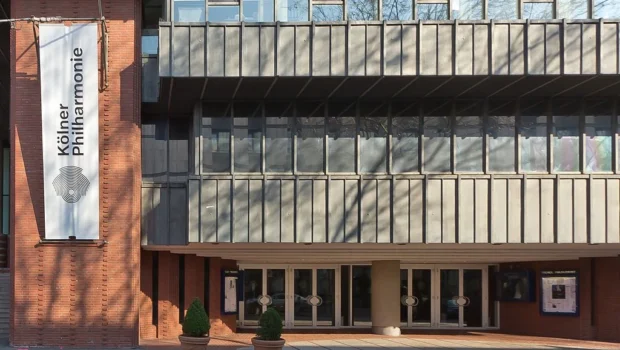
No visit to Cologne is complete without appreciating its musical heritage. The Kölner Philharmonie stands near the cathedral and is acclaimed for its acoustics and varied program. Look for last-minute tickets at the box office they are often affordable and available on concert days if you’re flexible. For contemporary and international exhibitions, the Wallraf-Richartz Museum presents a comprehensive panorama of European painting from the medieval period onward.
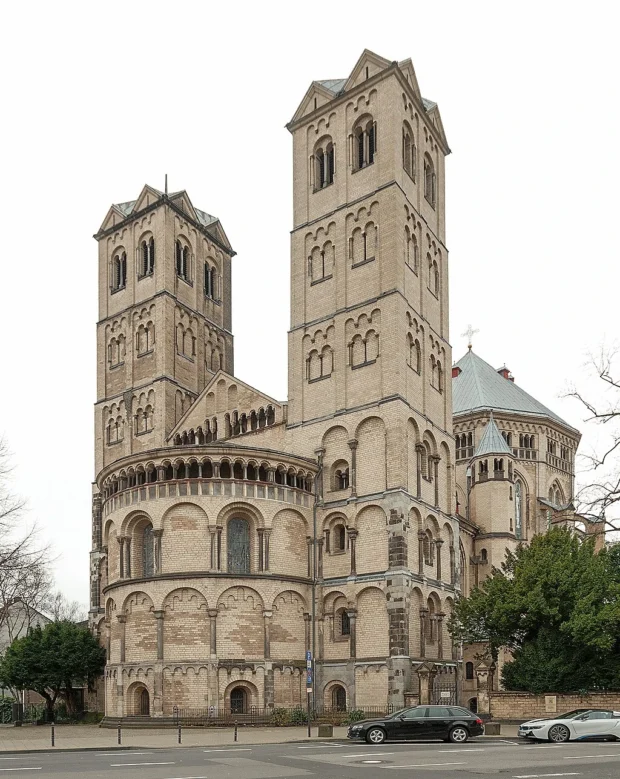
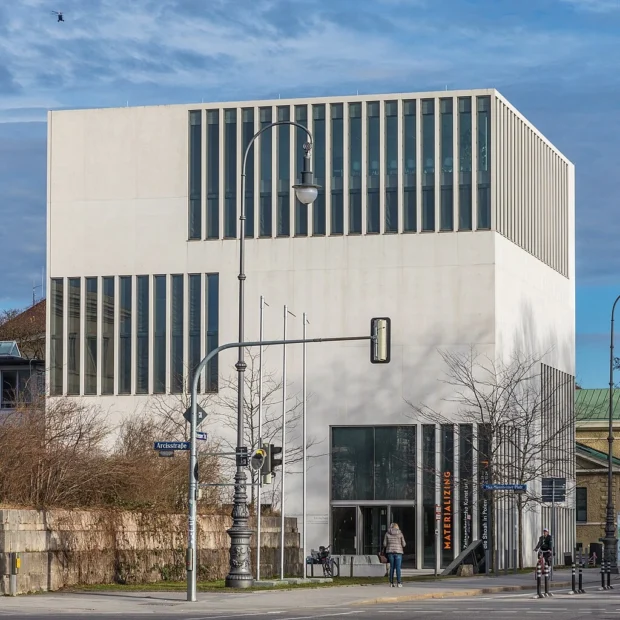
Meanwhile, those interested in the complex history of the twentieth century will find the NS Documentation Center (EL-DE Haus) especially moving. Formerly a Gestapo prison, it is now a memorial and educational museum that addresses Cologne’s role during the Nazi period. It’s one of the starkest contrasts to the cheerful old town, but for many, essential to understanding the city’s layered past. Don’t overlook St. Gereon’s Basilica, whose impressive dome is among the oldest in Western Europe its shape is surprisingly modern and a favorite among fans of architecture and engineering.
Where to Stay, Hidden Corners, and Final Reflections
Accommodation in Cologne suits many preferences. I found that staying close to the central station gave immediate access to the old town, riverside paths, and excellent transit options for exploring further afield. However, choosing a quieter neighborhood like the leafy streets surrounding the Belgian Quarter or Ehrenfeld offers a sense of local daily life and easy tram access to the city’s major attractions. Backpacker hostels, guesthouses, and apartments are widely available.
Cologne rewards those who walk or cycle its lanes. Outside the main tourist routes, the southern district of Südstadt hides postwar modernist churches, quirky bistros, and the aroma of Turkish bakeries. The river harbor (Rheinauhafen) features contemporary architecture, including the striking “Kranhäuser” crane-shaped buildings that echo the city’s industrial past. Public ferries a rarity in German cities still cross the Rhine in season, offering another pleasant perspective on the city. Anyone appreciating well-thought city design will notice Cologne’s urban planning mixes greenways, preserved ruins, and repurposed infrastructure in a working city, not just a postcard set-piece.
Cologne remains a place where everyday life, historical legacy, and accessibility blend without fuss, making it richly rewarding for both first-time and returning visitors. Whether you are obsessed with trains, museums, cycling, or simply sitting by the Rhine with a Kölsch in hand, Cologne promises a memorable experience marked by efficiency, warmth, and a sense of “Erlebnis” at its core.
To explore another iconic European city blending rich history with modern culture, consider Milan’s essential guide with its renowned landmarks and vibrant districts.
- Cologne Germany Kranhaus-03a by CEphoto, Uwe Aranas on Wikimedia Commons – cc by-sa 3.0
- Cologne Germany Exterior-view-of-Cologne-Cathedral-05 by CEphoto, Uwe Aranas on Wikimedia Commons – cc by-sa 3.0
- German Railways ICE TD train at Cologne, Hohenzollern Bridge – Deutsche Bahn ICE TD – Köln, Hohenzollernbrücke (26431595882) by Andrew Bone from Weymouth, England on Wikimedia Commons – cc by 2.0
- Köln Panorama by Raimond Spekking on Wikimedia Commons – cc by-sa 4.0
- Groß St. Martin, Fischmarkt, Rheingarten, Köln-0363 by Raimond Spekking on Wikimedia Commons – cc by-sa 4.0
- LUDWIG MUSEUM AND DOM KOLN GERMANY JUNE 2013 (9093318090) by calflier001 on Wikimedia Commons – cc by-sa 2.0
- Köln, Roncalliplatz. Römisch-Germanisches Museum by HOWI – Horsch, Willy on Wikimedia Commons – cc by-sa 3.0
- Rheinpark Spielplatz 04 by Michael Musto on Wikimedia Commons – cc by-sa 4.0
- Palais.Flora by Zadventurer on Wikimedia Commons – cc by-sa 4.0
- Lennéplatz Köln mit Eingangsbereich Kölner Zoo-4065 by Raimond Spekking on Wikimedia Commons – cc by-sa 4.0
- Köln Aachener Str by Bordeaux on Wikimedia Commons – cc by-sa 3.0
- Philharmonie Köln – Aussenansichten-9893 by Raimond Spekking on Wikimedia Commons – cc by-sa 4.0
- Cologne, Germany. Basilica of St. Gereon by Jorgeplelias on Wikimedia Commons – cc by-sa 4.0
- NS-Dokumentationszentrum München-7616 by Raimond Spekking on Wikimedia Commons – cc by-sa 4.0


.jpg)


.jpg)


