
Nara stands among Japan’s oldest, most spiritual cities a place shaped by serene deer, ancient temples, manicured gardens, winding lanes, and culinary traditions handed down through centuries. Located just under an hour from Osaka or Kyoto, this city still feels wrapped in the quiet confidence of its imperial past, making it a must-visit for travelers fascinated by heritage, architecture, folklore, and Japanese cuisine. As I wandered Nara’s shaded paths, spoke with locals, and stopped to admire details both grand and modest, I discovered more than beautiful shrines or famous landscapes. I found gentle rituals, surprises hidden in alleyways, and the enduring hospitality of a city that has been welcoming guests for over a millennium.
Table of Contents
The Spiritual Heart at Todaiji Temple
Few sights anywhere match the feeling of standing before Todaiji Temple’s Great Buddha Hall an immense wooden structure housing the Daibutsu, an awe-inspiring bronze Buddha statue. As I approached Todaiji’s imposing Nandaimon Gate, young students chatted on school trips and priests moved with calm precision. The air carried a mix of incense and fresh spring grass. Humbling in scale and deep in history, Todaiji has watched over Nara since 752 CE, playing a vital role in shaping early Japanese Buddhism. The Daibutsu itself is said to weigh over 500 tons and rises almost 15 meters high. Walking slowly through the huge hall beneath intricate timber beams, I heard a local guide quietly say, “Koko wa omedetai tokoro desu” it means, “This is an auspicious place.”
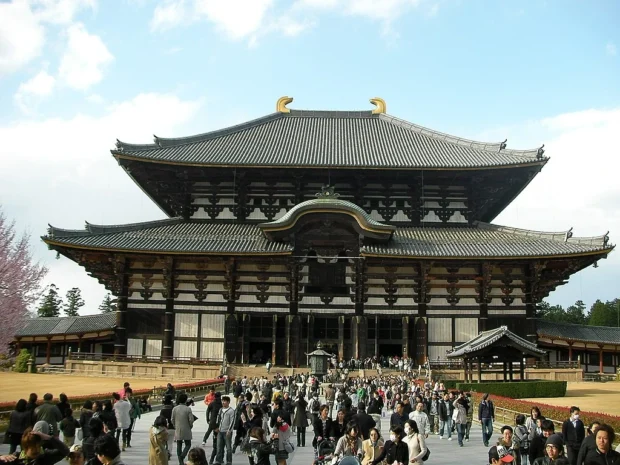
For an extra dash of good fortune, some visitors squeeze through a hole in a wooden column, said to be the same size as the Great Buddha’s nostril. I observed several children laughing as they tried, cheered on by parents. This act is believed to grant enlightenment or perhaps it’s just joy in sharing a playful ritual.
Nara Park and Its Friendly Deer
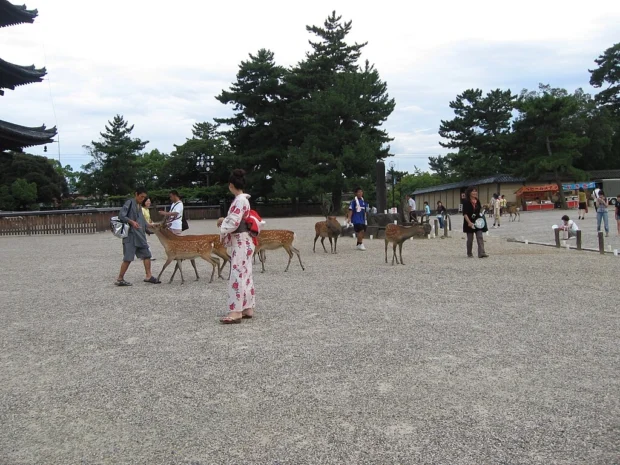
Nara Park, sprawling across the city’s core, feels less like a traditional park and more like a living, breathing tapestry. Hundreds of sacred Sika deer roam freely, mingling with visitors and locals. I watched as shopkeepers near the park’s edge sold “shika senbei” (deer crackers) to eager children, who would then carefully bow to the deer a courteous exchange that reflects Japanese manners. The phrase “Ohayo gozaimasu” (Good morning) echoed from nearby joggers and elders greeting each other, forming part of the gentle rhythm of daily life here.

Deer are messengers of the Shinto gods, according to Nara legend. This is why they wander unafraid through temple grounds and parks alike. While their presence is charming, it is wise not to tease or startle them. Feeding is encouraged only with official crackers to keep both animals and visitors safe. By late afternoon, I found a quiet spot beneath a cherry tree, watching sunlight play over the mossy stones and listening to the distant clang of a temple bell a moment of pure tranquility unique to Nara.
Kasuga Taisha Shrine’s Lantern-Lit Mystique
Hidden beneath towering ancient cedar trees, Kasuga Taisha Shrine was established in 768 and remains a masterpiece of Shinto shrine architecture. The approach winds gently uphill, lined with hundreds of weathered stone lanterns (toro) covered in green moss, each one telling a story of generations who have passed this way. On festival evenings, these lanterns are lit in their entirety, creating a fairy-tale atmosphere that is said to connect our world and the spirits. Even on ordinary mornings, the shrine radiates calm. Attendants in white and saffron vestments moved gracefully as I visited. The main hall’s vermillion columns and delicate gilt details drew my gaze, blending seamlessly with the surrounding forest.
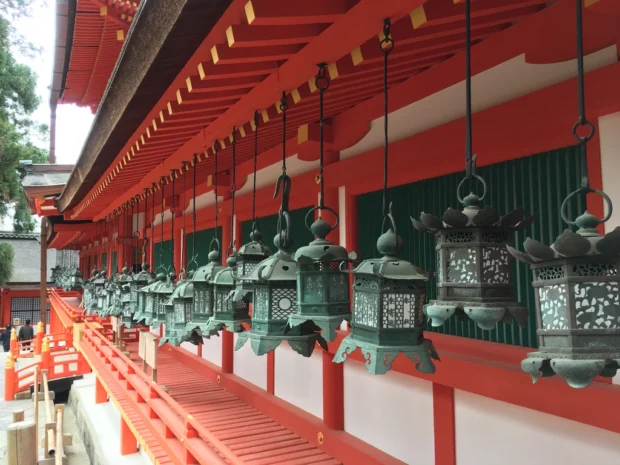
Kasuga Taisha’s rituals are observed with gravity and respect. I watched a couple offer quiet prayers, bowing twice, clapping hands twice, and finally bowing once more a classic pattern at Shinto shrines. Visitors remove hats and speak in hushed voices. It is polite to say “Sumimasen” (Excuse me) when moving past others, showing gratitude for shared space.
Strolling Between Historic Temples and Old Town Streets
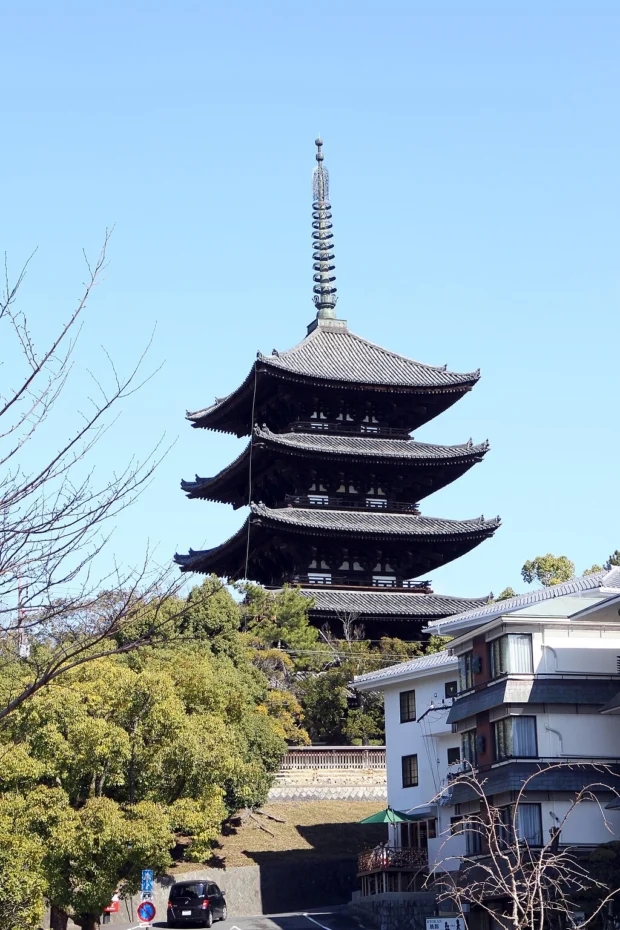
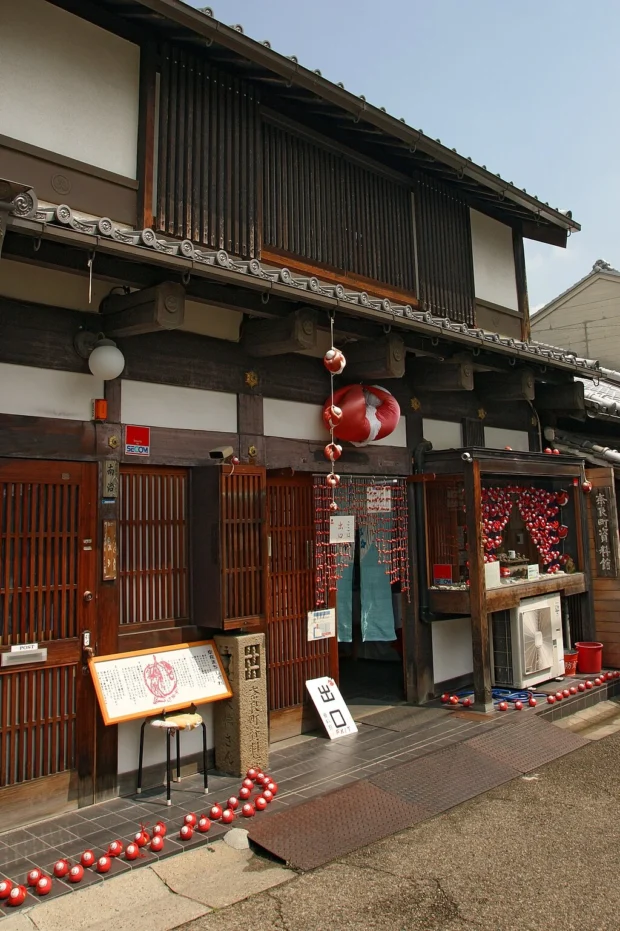
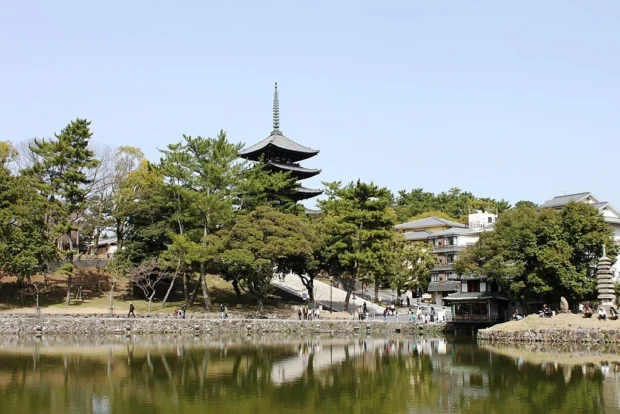
Kofukuji Temple, with its five-story pagoda, stands as another key landmark just steps from the bustling Nara-machi district. Once among Japan’s Seven Great Temples, Kofukuji’s pagoda is the second tallest in the country and instantly recognizable across the Nara skyline. Nearby, the Naramachi old town hides narrow alleys, traditional merchant homes, and tiny shops specializing in crafts such as bamboo baskets, paper lanterns, and indigo textiles. I wandered these back streets, chatting with a calligrapher who explained how brush and ink are chosen “Kimochi ga taisetsu,” or “Feelings matter most,” he said softly.
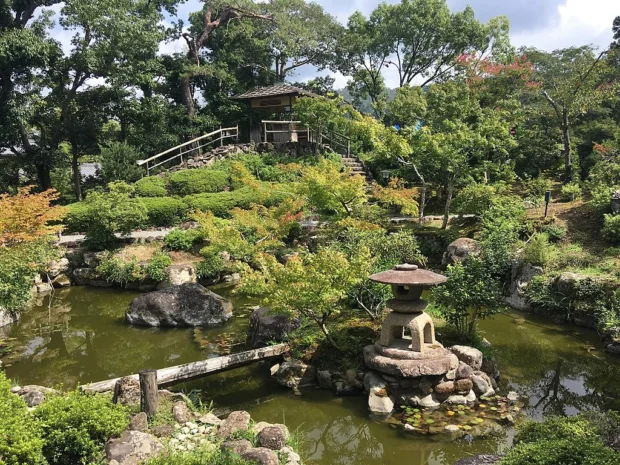
A short walk leads to the twin sanctuaries of Isuien Garden and Yoshikien Garden. Isuien is famous for blending borrowed scenery (shakkei) from Mount Wakakusa into its landscape a poetic trick where distant hills become part of the view. Yoshikien invites visitors with quiet tea houses and koi ponds shaded by twisting pines. Both gardens encourage slow steps and reflection, especially as morning light glimmers on the water’s surface. Local elders often pause here for moments of meditation, reminding me that unrushed observation is a part of Nara’s soul.
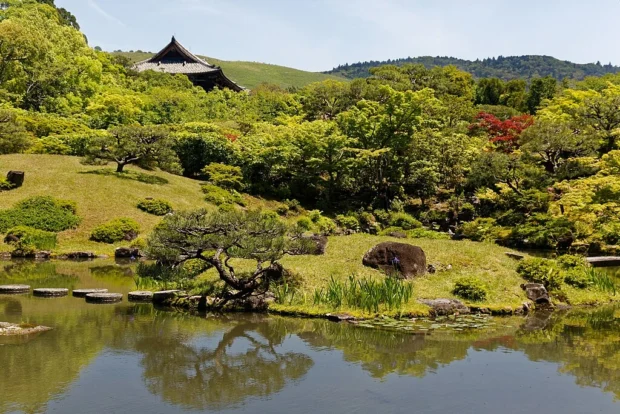
Scenic Vistas and Serene Waters
Mount Wakakusa rises east of the city, offering superb views over Nara when climbed. On a clear afternoon, I joined a group of students making the ascent for the “yamayaki” festival a springtime fire tradition where the hill’s dead grass is set alight. The students taught me to say “Sugoi!” (Amazing!) as the flames danced, a word often heard around sights like Wakakusa for scenes that surprise or inspire.
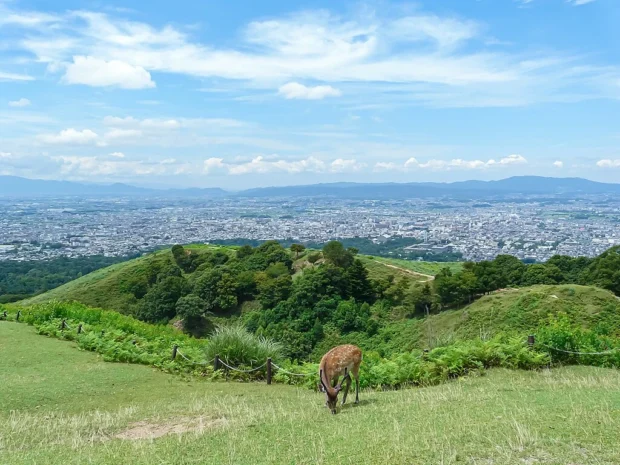
Back in town, Sarusawa Pond mirrored willows and temple roofs in gentle ripples. At sunset, couples and elders linger on benches, watching as lanterns along the pond’s edge flicker to life. In nearby markets, I found tiny origami cranes and chime bells for sale handmade tokens of peace and luck.
The remains of Heijo Palace, once the seat of imperial power, stretch over a wide plain. Walking the grassy earthworks, children fly kites and elderly locals practice tai chi. Information boards explain how, for nearly a century, Nara was Japan’s capital and a crossroads of continental trade. I lingered over a display of ancient ceramics remnants of the city’s time as a hub for pottery, lacquerware, and calligraphy, reflecting Nara’s long ties to the spice routes and artistic exchange.
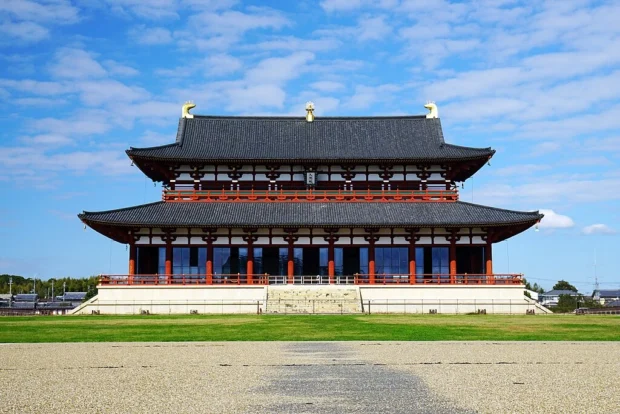
Nara’s Distinctive Cuisine and Flavors
Food in Nara is a blend of gentle flavors and refined technique, shaped by centuries of temple cooking and local produce. In the cozy districts near Naramachi and Higashimuki, I sat down for steaming bowls of “kakinoha sushi” pressed rice wrapped in persimmon leaves, developed for convenient preservation by merchants traveling long distances. The aroma is subtle and sweet with a hint of sharpness from pickled mackerel or salmon.
Another specialty is “narazuke,” pickles aged in sake lees. Served as side dishes or with rice porridge, their complex taste balances sweetness, salt, and lingering umami. Street vendors sell “kusa mochi” green rice cakes flavored with yomogi (mugwort), a soft treat I found especially comforting on a rainy morning stroll. The flavors of Nara cuisine are always respectful of natural ingredients, never overwhelming; even desserts highlight the delicate touch so prized here. Asking for “Osusume wa nan desu ka?” “What do you recommend?” often brings a smile and earnest suggestions from restaurant staff.
Where to Stay and Rest
Nara offers a range of pleasant accommodations, from simple hostels to refined ryokan inns. Many lodgings cluster near the main train station or within walking distance of Naramachi, making city exploration easy. Traditional inns typically feature tatami-matted rooms and offer breakfast with local specialties. For those seeking quiet, I suggest selecting a guesthouse near the edge of Nara Park or overlooking one of the serene gardens, where nighttime is marked by crickets and the soft sound of temple bells.
Getting There and Moving Around Nara
Arriving from Kansai International Airport or Kyoto is straightforward. The Kintetsu and JR train lines speed visitors directly to central Nara. From Nara Station, most landmarks are accessible on foot or by the city’s circular bus routes, which connect temples, gardens, and shopping streets efficiently. Bicycles are also available for rent, and I found cycling to be an enjoyable way to cover the gentle distances while pausing at lesser-known shrines or quiet streams.
If you admire Japan’s seamless blend of history and urban life, don’t miss Osaka’s modern landmarks and timeless castle to complement Nara’s heritage.
Ticket machines often have English language options, and station attendants are happy to help if asked politely (“Sumimasen, eigo wa hanasemasu ka?” “Excuse me, do you speak English?”). It is customary to line up quietly for trains and buses. Locals appreciate travelers who show patience and keep voices soft, in keeping with Nara’s gentle pace.
Customs, Courtesies, and Crafts
Respect is at the heart of Nara culture, and small acts removing shoes before entering homes, bowing slightly in greeting, and avoiding loud phone calls help visitors blend in. Temples and shrines ask that photos not be taken in prayer areas, and eating while walking is generally frowned upon except at festival stalls. During my stay, I joined a tea demonstration in a garden pavilion. The host explained that every motion, from pouring water to folding napkins, is part of a centuries-old choreography. Gratitude is shown by saying “Arigatou gozaimasu” as often as one feels thankful.
Traditional crafts are still alive in Nara’s markets and studios. I watched a potter shaping clay for “Nara-taka” ceramics, amazed by the patience and precision of the process. Bamboo forests on the edge of town provide material for fine baskets and garden lanterns sold throughout Naramachi. Calligraphy lessons are available in community centers, where the gentle scrape of ink on washi paper resonates as an old, musical sound. Festivals such as the Wakakusa Yamayaki and the Kasuga Mantoro Lantern Festival bring together performance, food, and ritual, drawing both residents and visitors into the city’s calendar of celebrations.
Final Thoughts: Nara’s Quiet Echoes
Nara is a city that rewards those who linger. Its beauty is evident in its temples and shrines, but even more so in the daily exchanges a bow from a bus driver, a smile as you sample pickles, the hush that falls as dusk settles over mossy lanterns. My days here were marked by a steady rhythm: shrine visits at dawn, gardens at midday, peaceful walks as the deer return to their forest home.
You can enrich your journey by visiting the Acropolis Museum to connect with another ancient culture’s art and heritage.
If you visit, take time to notice the small details how rain sounds on temple rooftops, how lantern light flickers in Kasuga’s twilight, how ancient and modern quietly coexist in hand-painted shop signs or a student’s laughter rising across Sarusawa Pond. Nara will share its heritage with you, if you greet it with curiosity and an open heart.
For those captivated by Japan’s rich heritage, Tokyo offers a vibrant contrast full of iconic landmarks and unique neighborhoods to discover. Tokyo’s landmarks and culture provide a perfect follow-up after exploring Nara’s serene traditions.
A Chinese tour guide with deep knowledge of the Far East, its traditions, and culinary secrets.
- August 2009 Nara -84737 by Syced on Wikimedia Commons – cc0
- TODAIJI TEMPLE at Nara Japan – panoramio by yuichiro anazawa on Wikimedia Commons – cc by 3.0
- 005 Autumn in Nara Park, Japan – Nara deer CC-BY Creative Commons Attribution by Marek Ślusarczyk (Tupungato) Photo portfolio on Wikimedia Commons – cc by 3.0
- Kasuga-taisha Shrine, Nara Prefecture; April 2017 (07) by Olivier Bruchez on Wikimedia Commons – cc by-sa 2.0
- Kōfuku-ji HDSR IMG 3442 by Hyppolyte de Saint-Rambert on Wikimedia Commons – cc by-sa 4.0
- Isui-en garden, Nara – May 11, 2018 (1) by Kimon Berlin on Wikimedia Commons – cc by-sa 2.0
- Mount Wakakusa, View from Summit of a Mountain 001 by Naokijp on Wikimedia Commons – cc by-sa 4.0
- Yoshiki-en by Christophe95 on Wikimedia Commons – cc by-sa 4.0
- 181103 Heijo Palace Daigokuden Nara Japan02bs by 663highland on Wikimedia Commons – cc by-sa 4.0
- Naramachi-shiryokan Nara01n3200 by 663highland on Wikimedia Commons – cc by 2.5
- Kofukuji06 by Mass Ave 975 on Wikimedia Commons – cc by-sa 3.0


.jpg)

.jpg)


