

Dresden always feels a little like entering a painting every corner hints at centuries of stories, blending rich Baroque architecture with surprising touches of modern life. Visiting Dresden, Germany, means walking through history with every step. The city is famous for its rebuilt old town, impressive museums, open green spaces, and the wide blue Elbe River. While planning your visit, you’ll see names like Zwinger Palace, Frauenkirche, and Semper Opera House pop up again and again they’re landmarks for good reason. But Dresden rewards a slower pace. If you linger, chat with locals, or try a cheeky pastry in a less-touristed café, you’ll discover that beneath the elegant facades, Dresden is a patchwork of resilience, devotion to art, and gentle eccentricity. Whether you love castles, music, riverside walks, or food with a story, the city keeps the surprises coming.
Table of Contents
Why Dresden’s Rebuilt Old Town Draws Visitors
Dresden is sometimes called “Florence on the Elbe,” and, honestly, that’s no exaggeration. The old town rises up along the river, with palaces and domes glowing golden in the afternoon light. If you arrive by train at Dresden Hauptbahnhof, the easiest way to reach the old town is by tram just fifteen minutes and you’re stepping into history. The old town is compact and made for walking, though you’ll want comfortable shoes for the baroque cobbles.
What’s truly astonishing: much of it is a careful reconstruction. After the devastation of World War II, Dresden’s landmarks were slowly pieced together again, using original stones whenever possible. This effort wasn’t just politics it was personal, almost a vow from the citizens to their city. Every chipped angel or patched cornice you notice comes with a story. Locals sometimes point out spots where new meets old, proud of the blend rather than ashamed.
Zwinger Palace: Baroque Splendor and Surprising Details
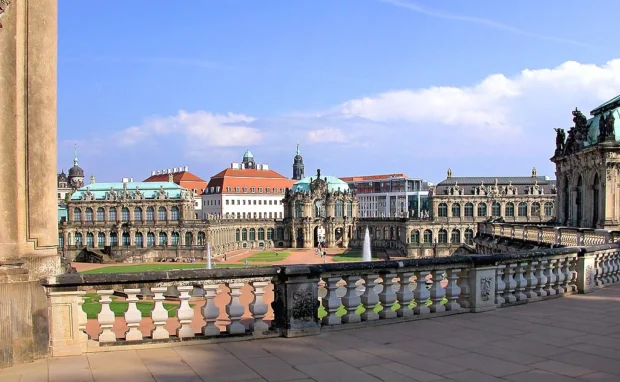
No trip to Dresden feels complete without visiting Zwinger Palace. Even if Baroque isn’t your typical style, you’ll stop in awe at its grand courtyard. Locals tell me children sometimes race through the archways, their laughter echoing between the green copper roofs and creamy sandstone. From a distance, the palace looks perfectly symmetrical, but on closer inspection, you’ll notice small playful sculptures cherubs pulling faces, or animals hidden among the scrollwork.
Zwinger isn’t just a beautiful building; it’s home to museums including the famous Old Masters Picture Gallery, with works by Raphael and Rembrandt. The Mathematical-Physical Salon, tucked inside Zwinger, quietly delights science fans with old telescopes and clocks. Don’t miss a few moments beside the Nymphenbad fountain, where the water’s sound seems to soften the city noise.
Frauenkirche: A Symbol of Reconciliation and Hope
The Frauenkirche, Dresden’s most famous domed church, almost didn’t exist for much of the last century. After being destroyed in World War II, its stones were left in a heap for decades first as a memorial, later as hope for rebuilding grew stronger in the 1990s. What’s special here is not just the architecture, but the atmosphere: people enter in silence, heads tilted up, tracing the creamy curves and blue-pink ceiling frescoes. You might find a local volunteer quietly explaining how they used blackened, original stones to patch the new church, so the building itself wears history on its sleeve.
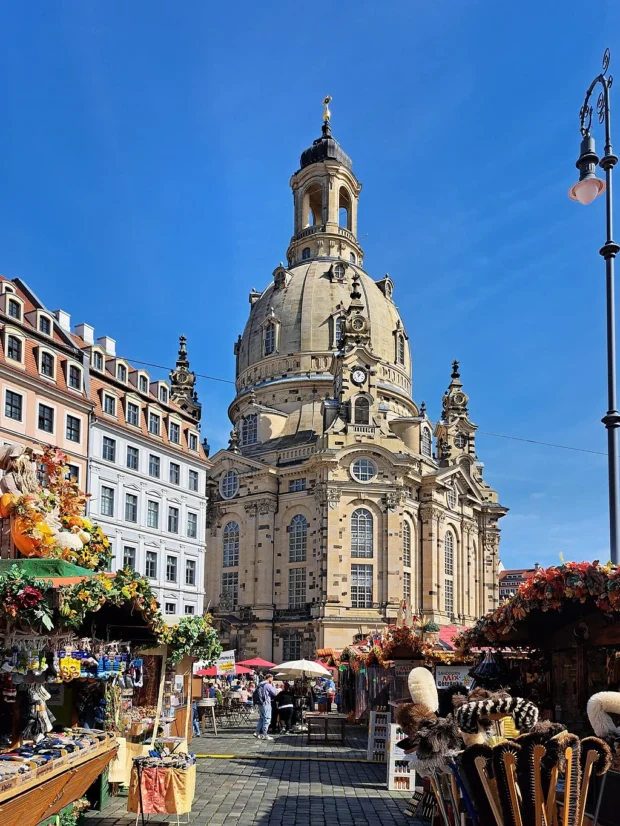
Even if you don’t go inside, the square around Frauenkirche has a lively feel. In winter, it’s the scene for Christmas markets; in summer, street musicians send music bouncing off the ancient steps. I met a retired school teacher selling postcards her stories about the church’s return were even better than the photos. It’s not just a place for faith, but a monument for peace, with people from many countries donating to help rebuild.
Semper Opera House: Elegance and Echoes of Music
You’ll recognize the Semper Opera House even before you realize what it is. At dusk, its curved façade glows gold beside the Elbe one of the most photographed silhouettes in Dresden. Built by Gottfried Semper, the building has twice risen from the ashes, most recently reopening in 1985. If you’re lucky enough to book tickets for a performance, don’t hesitate; inside, red velvet seats and a shining ceiling chandelier make you feel like part of Dresden’s rich musical tradition.
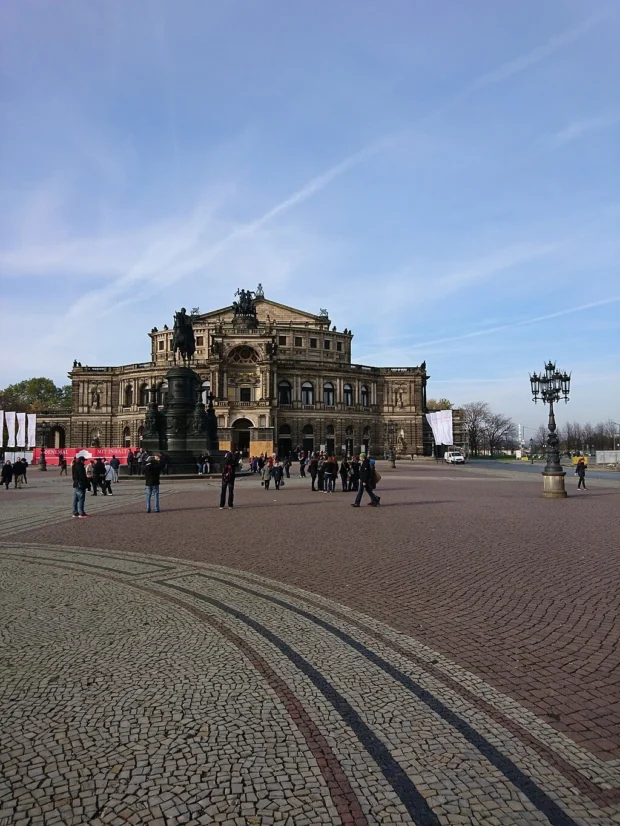
Not everyone knows this: the opera house is still a meeting place for locals before performances. You’ll see friends gathering outside on the steps, sometimes with a homemade picnic, sharing a laugh before going in. During the day, you can join a guided tour to see the backstage secrets—a friend of mine swore she felt the ghosts of famous composers in the empty hallways. If you want details or to buy tickets, feel free to check its website.
More Dresden Must-Sees: From Royal Castles to Riverside Views
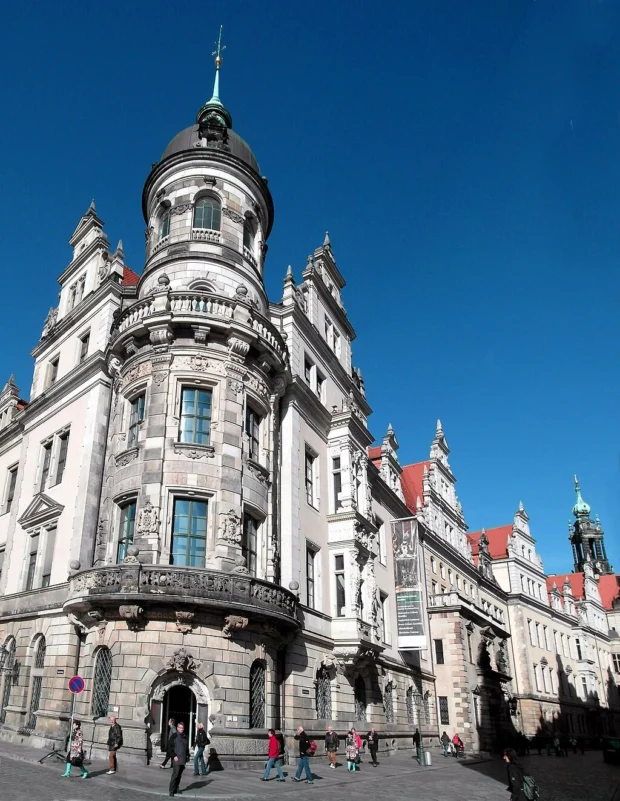
If you have time, Dresden Castle deserves a slow wander. This isn’t a tidy fairy tale castle, but a real lived-in seat of Saxon power; every room holds treasures, especially the Green Vault, which displays stunning jewels and golden curiosities that belonged to Electors and Kings. The castle’s mix of styles from Renaissance to Baroque makes it feel like a puzzle from different eras another nod to Dresden’s history of loss and rebuilding.
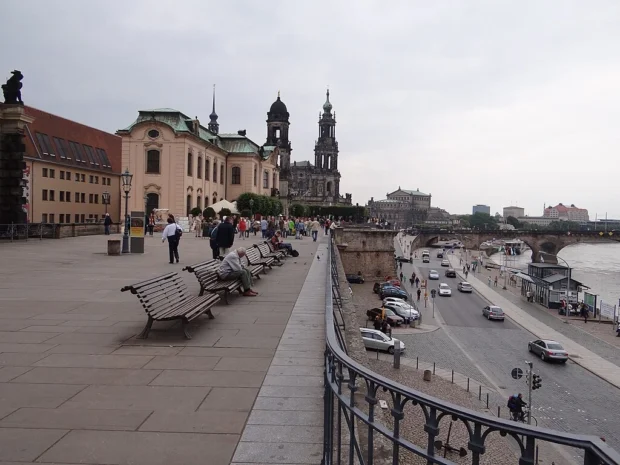
You’ll need a little self-control not to get distracted by the Brühl’s Terrace. This elegant raised promenade is called “the balcony of Europe” and with the river far below and city spires all around, it feels like a set from a romantic film. Artists sketch here, students eat lunch, and in the warm evenings, it’s the perfect spot just to watch river boats slide by.
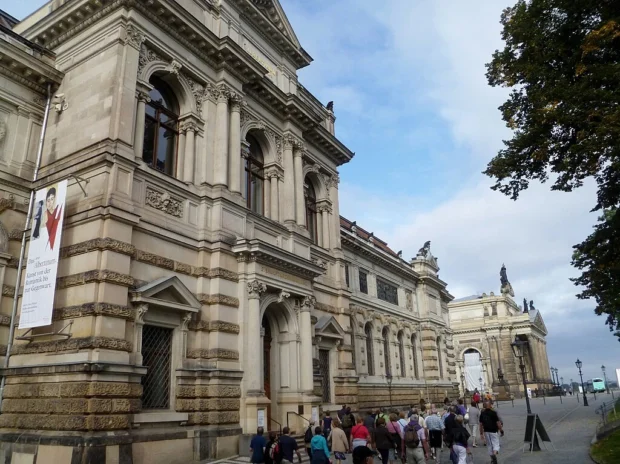
Dresden’s best surprise might be the Albertinum, a gallery dedicated to modern art bold and expressive and sometimes strange. In a city known for its classical beauty, Albertinum shakes things up. The building itself was once an arsenal for weapons, now cleaned and bright with contemporary masterpieces inside.
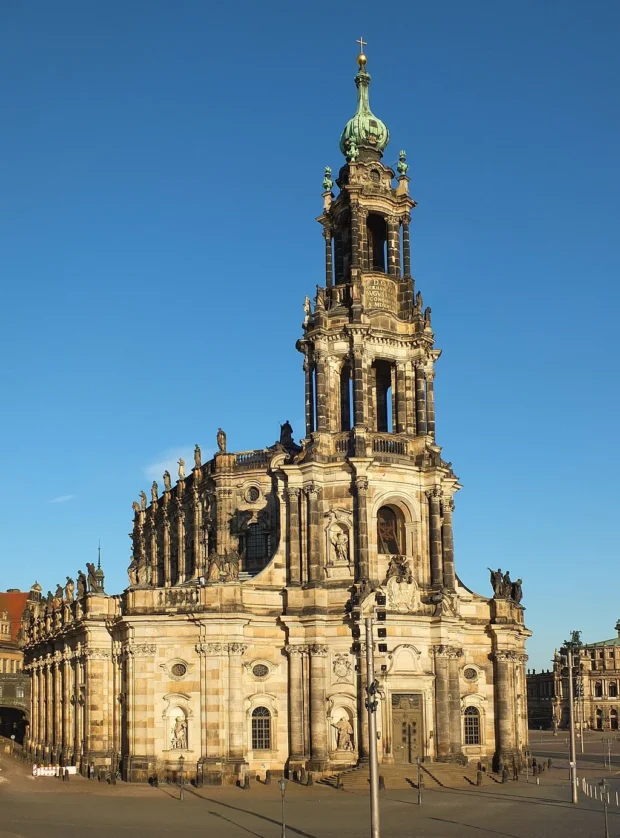
If you want to see a living cathedral, stop by the Hofkirche, just beside the castle. Its tall, lacy spire is visible from far away, but the inside is intimate locals come here for quiet reflection or special concerts. The Hofkirche survived the bombing with massive repairs, and many Saxon kings are buried below the floor. Every so often, you might hear an organist rehearsing, the sound floating like a secret hymn.
Exploring the Elbe: Green Parks, River Walks, and Castles
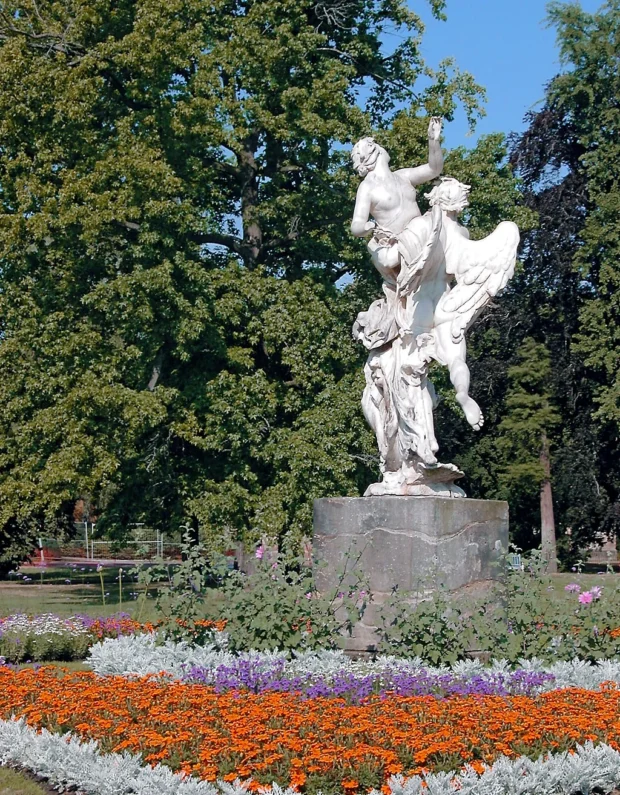
Dresden’s relationship with the Elbe River shapes almost every part of local life. The riverbanks are public space; you’ll see cyclists, joggers, and picnic blankets unfurled on sunny weekends. Großer Garten, the city’s biggest green park, lies just to the southeast its tree-lined avenues and formal lawns are a popular spot for families all year.
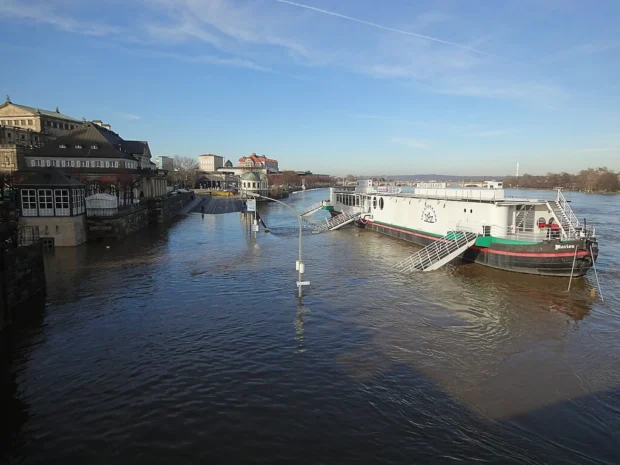
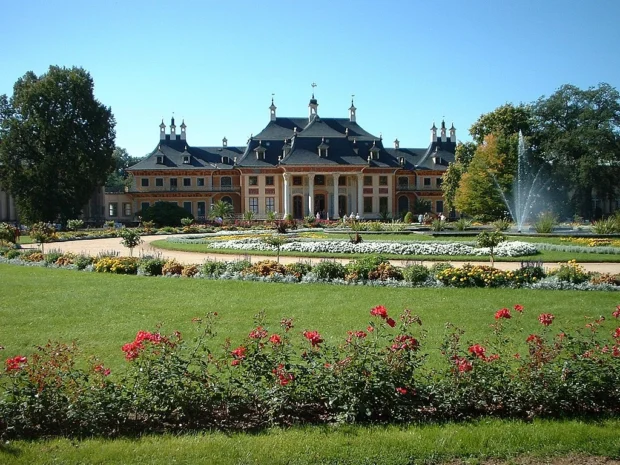
Further out along the river, you’ll find Pillnitz Castle a summer palace set in gardens so pretty that locals still rate them as the best for autumn afternoons. Though it has royal origins, today everyone from dog walkers to wedding parties passes through its grounds.
If you want a sightseeing cruise, paddle steamer boats run along the Elbe, taking you past Dresden’s skyline as well as the elegant villas and small vineyards of the Loschwitz district. This is where you see Dresden’s softer edge less grandeur, more quirky garden gnomes and painted fences. The Elbe river crossing with the old “Blue Wonder” bridge is worth a quick photo stop, with its intricate steelwork and odd shade.
Further Afield: Dresden’s Museums and Saxon Switzerland National Park
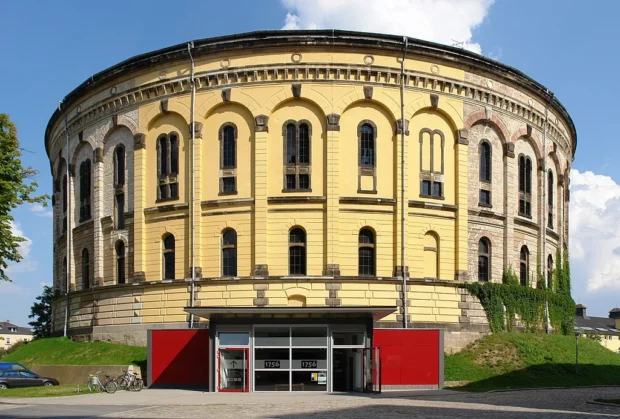
Dresden has a museum for every taste don’t skip the Panometer Dresden, which displays enormous 360-degree panoramas inside a former gas tank, often showing the city as it was in past centuries. For something more modern, the Transparent Factory by Volkswagen is an unusual place cars are built in glass-walled workshops, with exhibits on green technology. Not everyone expects high-tech in such an old city!
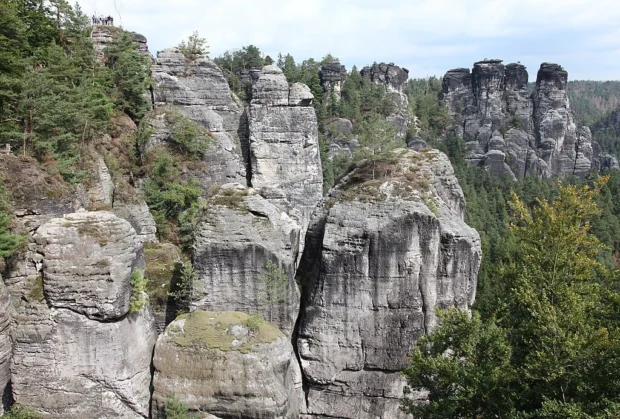
Families may like the Museum of Military History, which tackles Germany’s troubled past with honesty and some dramatic displays; its modern wedge-shaped extension is designed to challenge visitors’ understanding of peace and war. For a journey outside the city, Saxon Switzerland National Park, about half an hour by train, offers rocky cliffs and forest trails a favorite for hikers and anyone who wants a taste of wild Saxony.
Where to Stay and Getting Around Dresden
Most visitors stay in Dresden’s old town (Altstadt) or just across the river in Neustadt district. Old town puts you right by big sights handy if you want to see the Zwinger or Frauenkirche at sunrise or after dark when the crowds are gone. Neustadt, on the other hand, is a lively, young area full of small bars, bookshops, and late-night food stalls. Either way, it’s safe and easy to walk to most places.
There’s no shortage of guesthouses and apartments as well as hotel chains, so you can find something for every style and budget. If possible, ask for a room with a view (river or palace!) there’s nothing like seeing Dresden’s towers from your window.
Arriving from Dresden Airport is straightforward. Regional train S2 connects the terminal with Dresden-Neustadt and Dresden Hauptbahnhof, taking about 20 minutes. Trams and buses are frequent and easy to use. Remember, tickets need to be stamped before use! Dresden’s compact center means you won’t need to rely much on public transport unless heading out to Pillnitz or Saxon Switzerland.
Dresden’s Culinary Heritage and Where to Try It
Don’t leave Dresden without tasting something sweet—Eierschecke, a soft cake with cheese and custard layers, is a classic snack at cafés in the Altmarkt or Innere Neustadt. For a quick lunch, the street markets in Neustadt offer Bratwurst (grilled sausage) or potato pancakes with apple sauce, often eaten standing up while chatting with the seller
For a fuller meal, try the hearty Saxon dishes Dresden is known for Sauerbraten (marinated beef) and roast pork with red cabbage, best enjoyed in a vaulted cellar restaurant within walking distance of the castle. If you’re vegetarian, look out for Quarkkeulchen little potato and curd cakes, slightly sweet and perfect with coffee.
Drinks in Dresden come with a story, too. Local beers are malty and smooth, best enjoyed in a Kneipe (pub) in the Neustadt, where your neighbor will probably tell you something you never knew about the city’s past. In autumn, try new wine from nearby vineyards along the Elbe Dresden’s wine tradition is real, even if rivals don’t always admit it!
Local Customs and Culture in Dresden
Dresden locals can seem reserved at first, but tend to warm up quickly if you greet them “Guten Tag.” It’s polite to say hello when entering a small shop or bakery, and equally expected to say goodbye. Many people love to chat about their city especially if you show interest beyond just taking photos of the main square! Don’t be surprised if a conversation leads to stories of rebuilding, festivals, or local traditions.
One tip from a Dresden student: avoid loud voices inside churches or on trams Germans value quiet, especially in public transport. That said, in open air markets or during festivals, everyone enjoys a good laugh. Tipping is common and appreciated; rounding up the bill or adding 5-10% is usual. If invited to someone’s home, a small gift like chocolate or flowers is considered thoughtful.
Quirky Sides of Dresden You Might Miss
Dresden reveals its playful side in odd places. There is the Kunsthofpassage in Neustadt a series of inner courtyards painted with colorful murals and one house fitted with a “singing drainpipe,” which turns rainfall into a melody. On weekends, flea markets set up along the Elbe, with people selling everything from antique books to hand-sewn puppets. Sometimes, you’ll spot a group rehearsing traditional Sorbian folk music near Albertplatz a reminder of Dresden’s Slavic influences, lingering from ancient trade days.
For those captivated by historic palaces, the Alcázar of Seville offers a rich glimpse into royal life and vibrant gardens unlike anywhere else.
Even the process of rebuilding revealed little secrets. Some locals told me about a carver who secretly included his own face among the angels above Zwinger Palace. And once, while sipping coffee near Brühl’s Terrace, I overheard two pensioners debate whether the view is best at sunset or sunrise. The answer, in true Dresden fashion, is probably both.
The Dresden Spirit: Beauty, Resilience, and a Little Eccentricity
Dresden isn’t just a place to tick off famous buildings; it’s a city where every stone and riverbank reflects both suffering and hope. Its museums, opera house, palaces, and lively streets show a passion for art and a will to preserve the past without fear of the future. Talking to residents, you see that Dresdeners treasure their city, but also welcome visitors, ready to share a tale or a recipe if you linger just a little longer.
If your travels bring you beyond Europe, the Museo Nacional de Antropología in Mexico City offers a stunning look at ancient civilizations, complementing Dresden’s rich historic tales with a different cultural perspective.
Whether you wander through the Zwinger’s archways, gaze up at the Frauenkirche’s dome, or sit on Brühl’s Terrace with a sausage roll and a view, you’ll find that Dresden rewards curiosity and perhaps finds a place in your own travel story, too.
For those fascinated by grand palaces and royal history, the Royal Palace in Madrid offers a stunning look at European monarchy and craftsmanship.
Eastern Europe travel specialist uncovering hidden gems from the Baltics to the Balkans.
- Dresden Germany City-views-from-tower-of-Frauenkirche-05 by CEphoto, Uwe Aranas on Wikimedia Commons – cc by-sa 3.0
- 20060516030DR Dresden Dresdner Zwinger Glockenspielpavillon by Jörg Blobelt on Wikimedia Commons – cc by-sa 4.0
- 20220913.Frauenkirche Dresden.-014.2 by Bybbisch94, Christian Gebhardt on Wikimedia Commons – cc by-sa 4.0
- Wiki Loves Monuments Semperoper Dresden Opera House in Saxony by Elitsa Chirpanlieva on Wikimedia Commons – cc by-sa 4.0
- 20121018200MDR Dresden Residenzschloß Erker Schloßstraße by Jörg Blobelt on Wikimedia Commons – cc by-sa 4.0
- Brühl's Terrace (584) by Foto Fitti on Wikimedia Commons – cc by-sa 3.0
- Dresden Albertinum 009 by JoJan on Wikimedia Commons – cc by 3.0
- Dresden Hofkirche 04 by Ad Meskens on Wikimedia Commons – cc by-sa 4.0
- 20060710090DR Dresden Großer Garten Die Zeit entführt die Schönheit by Jörg Blobelt on Wikimedia Commons – cc by-sa 4.0
- Dresden-Panometer by User:Kolossos on Wikimedia Commons – cc by-sa 3.0
- Basteifelsen bei Rathen im Nationalpark Sächsische Schweiz by Marc-Lautenbacher on Wikimedia Commons – cc by-sa 4.0


.jpg)


