
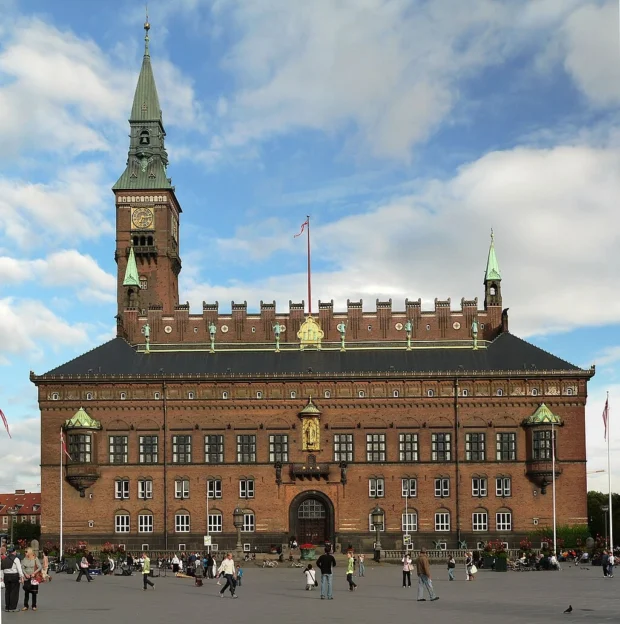
Copenhagen, Denmark’s capital, is a city of calm canals, colorful streets, and endless surprises for any visitor. As someone who called this Scandinavian city home, I can say every morning in Copenhagen feels fresh, with a touch of sea breeze and a promise of pastries. Traveling here means wandering cobbled lanes, catching the fragrance of strong coffee mixed with salty air, and discovering both grand castles and quiet markets just a short walk apart. In this post, I’ll guide you through must-see landmarks, hidden corners, local food, transport wisdom, and the rhythm of Copenhagen life all in clear English for readers from every corner of the world.
Table of Contents
Getting to Copenhagen and Moving Around
Arriving in Copenhagen by air, you’ll land at Copenhagen Airport (Kastrup), which connects easily to the city center by train or Metro. The trains run frequently simply follow signs from the baggage claim, buy a ticket from the bright-red machines, and you’ll reach Copenhagen Central Station in under 15 minutes. The city’s Metro is clean and efficient, with lines covering most neighborhoods and tourist sites. Buses and S-trains fill in the gaps, and for the more adventurous, bicycles are everywhere. Cycling paths are wide and safe, though I recommend starting slow; Copenhageners pedal briskly, rain or shine, and rarely break the unwritten rules of the bike lanes.
No need for taxis here. Public transport is reliable and punctual, fitting for a city where the rhythm of daily life is as measured as a clock in a watchmaker’s window. Purchase a City Pass for easy travel one ticket, all rides. I often found myself hopping between Metro and bus without a worry, all while watching the city’s changing faces through the window: harbor views, neat parks, and young Danes balancing coffee cups on their bikes.
Nyhavn: Postcard Colors and Café Life
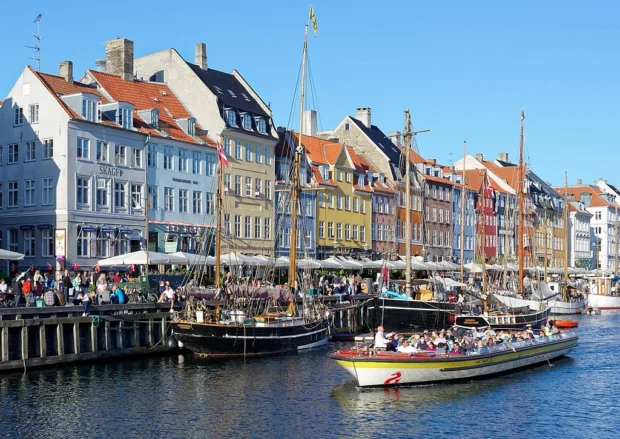
Few places capture Copenhagen’s spirit like Nyhavn. This old harbor is lined with tall, brightly colored buildings reflected in the canal below. It’s a scene you might see on postcards, but in person the colors are richer, the sunlight warmer, the buzz of conversations more inviting. I often visited Nyhavn early, when fishermen were still loading their boats and city workers swept the cobbles. By midday, the outdoor cafés fill with locals and visitors sipping coffee or beer, sampling smørrebrød (open-faced sandwiches) with pickled herring and egg, or cakes layered with cream and berries.
Nyhavn’s history is as layered as its buildings. Sailors and artists once lived here, giving the area a creative pulse that still lingers. Hans Christian Andersen, Denmark’s famous fairy tale author, wrote some of his stories in the houses you see today. Boats bob gently in the canal, and every so often, a street musician’s song drifts across the water. Sit and watch the world go by or join a canal tour for a fresh view of Copenhagen slipping under low bridges, listening to stories of old merchant houses, and passing by modern glass buildings that echo the city’s balance of past and present.
If Nyhavn’s colorful streets intrigue you, the guide to Nyhavn Charm offers a closer walk through its lively harbor history and cafés.
Tivoli Gardens: Playful Heart of the City
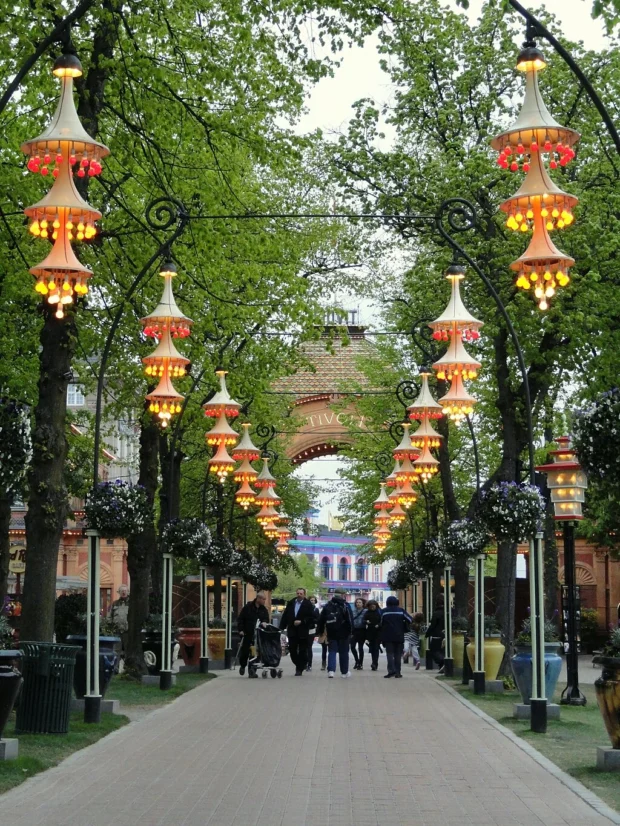
If you visit only one amusement park in your life, let it be Tivoli Gardens. Opened in 1843, Tivoli is the world’s second-oldest operating amusement park, yet it feels timeless. Lanterns swing above winding paths, and the scent of roasted almonds and popcorn fills the air. I loved coming in the evening, when the park lights up like a festival and laughter from the roller coasters mixes with melodies from open-air concerts.
Tivoli’s charm is not only in its rides though the wooden coaster from 1914 still thrills but in the park’s lush gardens, lakes, and little pavilions. Children giggle on painted carousels while couples stroll arm in arm. During festivals, stalls sell Danish specialties like æbleskiver (tiny pancake balls) with jam and powdered sugar. If you have time, try a meal at one of the park’s many restaurants; some offer fine seasonal menus, but I often chose the simple stands for classic Danish hot dogs, topped with fried onions and pickles. Tivoli is both playground and social square, where city life softens and people let their guard down.
The Little Mermaid: A Quiet Symbol
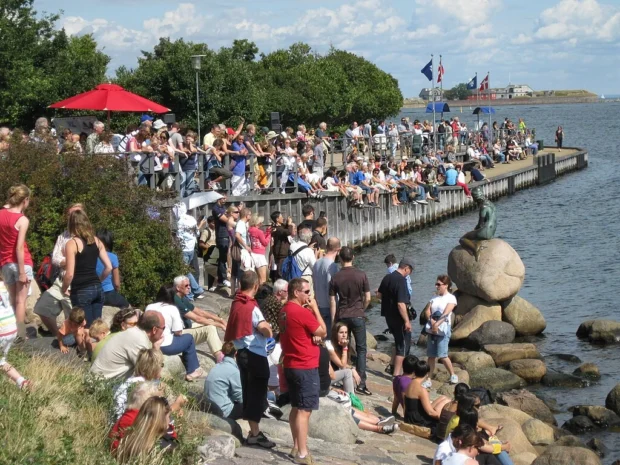
No visit to Copenhagen feels complete without meeting The Little Mermaid. This small bronze statue sits atop a rock by the waterfront, quietly gazing out to sea. Inspired by Andersen’s fairy tale, she’s become an icon not because of her size, but for her quiet presence. Many first-time visitors expect something grand, but instead find a figure that fits the city’s modesty and restraint.
The walk to the statue passes through leafy parks and along the harbor, where you might spot rowers or locals sunbathing on wooden platforms when weather allows. Some days, the area is busy with tour groups snapping photos; other times, you’ll find only a few people lost in thought, perhaps reflecting on the story of love and longing she represents. For me, The Little Mermaid is less about spectacle and more about pausing, breathing, and noticing the city’s soft edges.
Castles, Palaces, and the City’s Royal Pulse
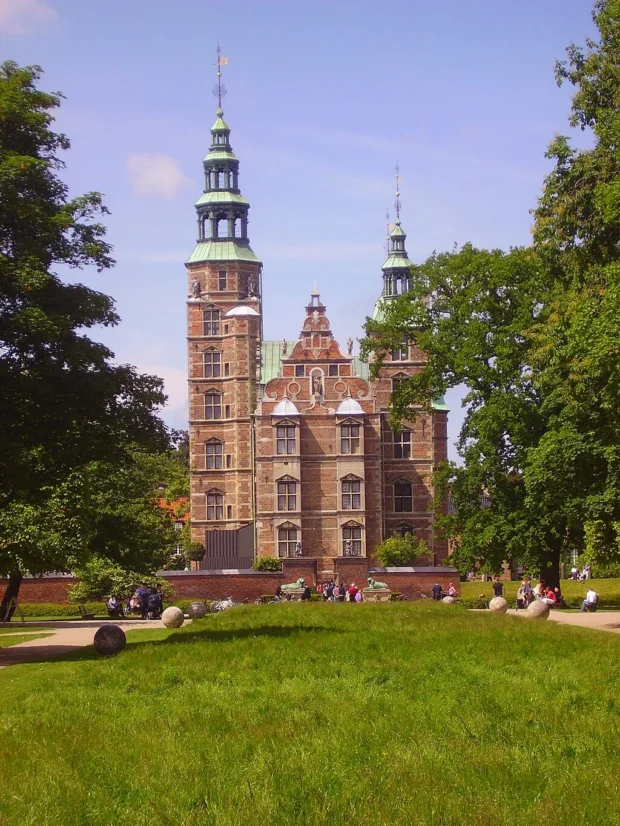
Copenhagen is a city of royalty and democracy, tradition and design. Nowhere is this clearer than at Rosenborg Castle, a Renaissance gem set among lush gardens. Built by King Christian IV in the 1600s, it holds the Danish crown jewels glittering with diamonds and emeralds behind thick glass. I wandered these halls, past tapestries and portraits, feeling the weight of centuries in each creaking floorboard.
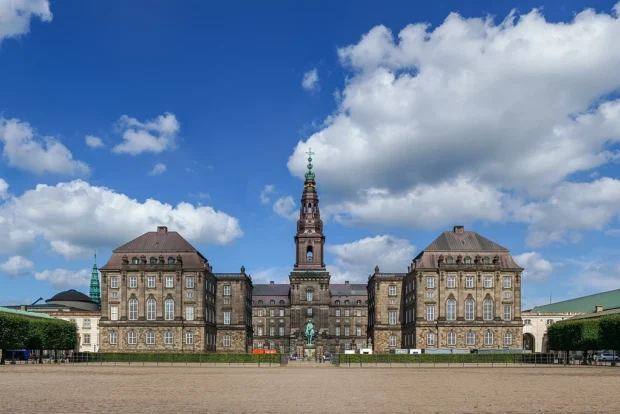
Just across the center, Christiansborg Palace rises on Slotsholmen island. This imposing palace serves as Denmark’s parliament, Supreme Court, and royal reception rooms three branches of power under one copper roof. The tower is open to the public, offering panoramic views over the city and the spires that mark Copenhagen’s skyline. Nearby, Amalienborg Palace stands as the winter home of the royal family. Arrive at noon to see the changing of the guard a ceremony both precise and strangely theatrical, watched by children and curious travelers alike.

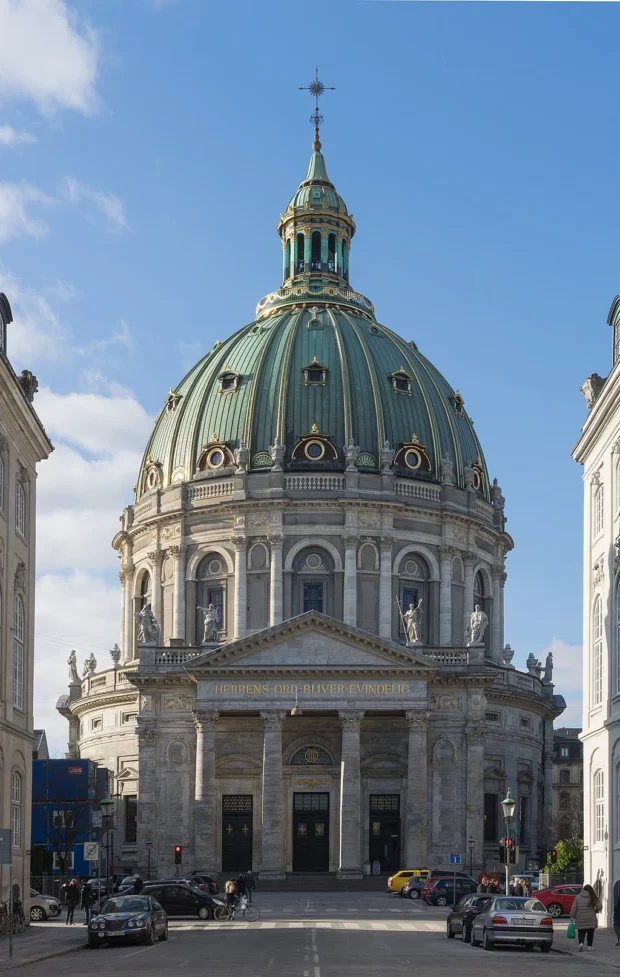
The Marble Church, or Frederiks Kirke, sits close to Amalienborg, its huge dome shining in the light. Step inside for quiet reflection: the soft echo of footsteps on stone, the hush of candle-lit chapels. The church’s pale blue ceiling and ornate details are a masterclass in baroque design. On sunny mornings, beams of light filter through stained glass, casting gentle colors onto the polished pews.
Markets, Street Rhythms, and Flavors of the City
One thing I learned living in Copenhagen: markets are more than places to buy food they’re social theaters. Torvehallerne, near Nørreport Station, is a favorite. Here, glass halls buzz with locals shopping for rye bread, fresh fish, and wheels of cheese. I’d often weave between stalls, sampling marzipan chocolates or sipping espresso from tiny cups. In summer, outdoor produce stands overflow with strawberries and new potatoes; in winter, the air smells of mulled wine and spices.
Copenhagen’s neighborhoods are laced with small bakeries, each with their own take on kanelsnegle (cinnamon rolls) and wienerbrød (Danish pastry). Vesterbro and Nørrebro, once working-class districts, now brim with third-wave coffee shops and street food markets. Try a pølse (red sausage) with remoulade from a street cart, or visit the city’s emerging food halls Reffen is a good example where young chefs create everything from ramen to Moroccan flatbreads, all served by the water in a former industrial yard.
Don’t leave without trying smørrebrød, the famous Danish open-face sandwich. The toppings are endless: roast beef with crispy onions, shrimp with dill mayo, or roast pork with pickled red cabbage. Locals eat these for lunch, usually with a glass of snap or beer, sharing stories and laughter in small, lively bistros.
Cultural Life, Quirks, and Copenhagen’s Social Code
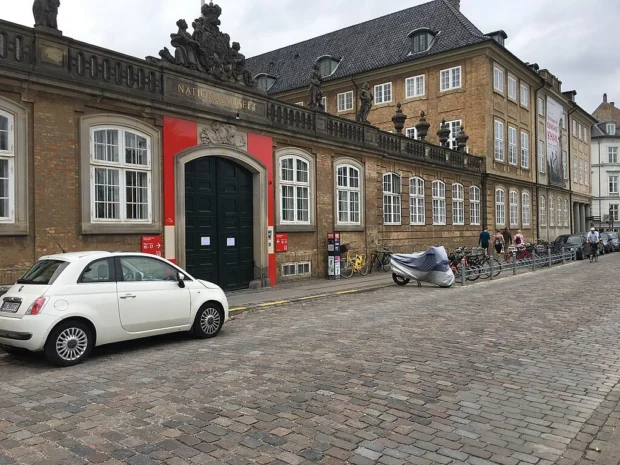
Copenhagen’s streets are filled with more than monuments they’re alive with culture. The National Museum of Denmark, just steps from Strøget shopping street, is a treasure trove of Viking swords, medieval art, and glimpses into daily life across centuries. Down the road, Designmuseum Denmark celebrates the country’s love of simple, elegant form: think chairs so beautiful you almost forget to sit down.
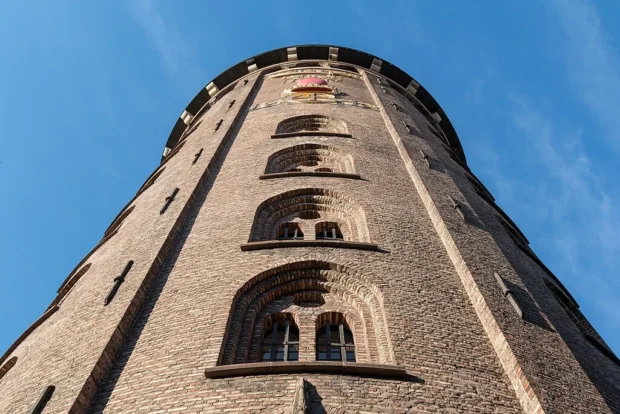
One of my favorite city secrets: the Round Tower. Built in the 17th century, this observatory has no stairs just a spiraling ramp, wide enough for a horse-drawn carriage (a royal shortcut, history says). At the top, Copenhagen unfolds in all directions: zigzagging roofs, church spires, and cyclists like ants below. On clear evenings, local astronomers set up telescopes and invite visitors to peer at the stars, turning science into shared wonder.
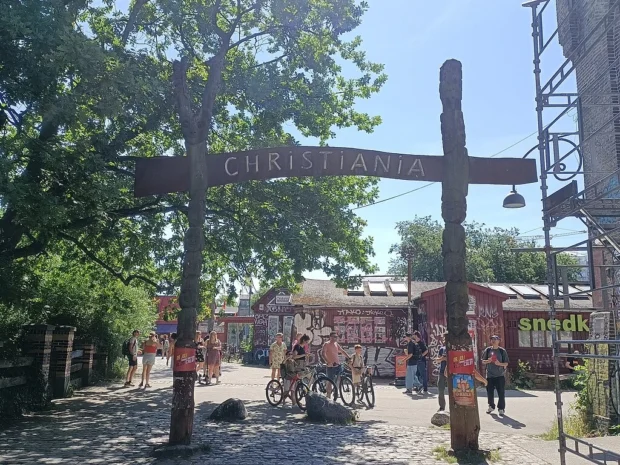
Another world waits in Christiania, Copenhagen’s famous “free town.” Founded by artists and squatters in the 1970s, this community is a blend of street art, colorful houses, and a strong spirit of independence. Walking here, I felt a quirky energy music drifting out of open doors, inventively painted bicycles, and cafes where you might find both a chess game and a poetry reading underway.
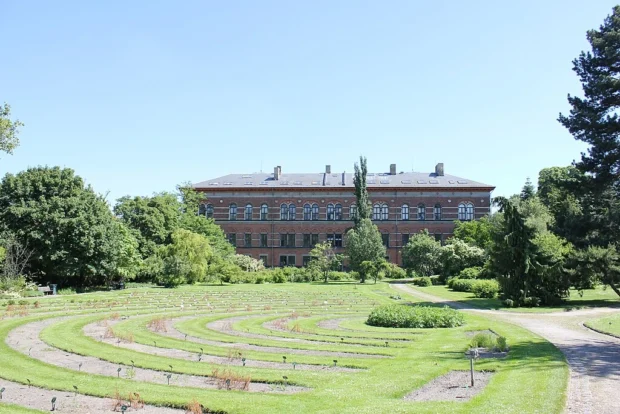
The city is also home to the Botanical Garden, a quiet oasis by the university, where I often wandered among palm trees and tropical flowers in grand glasshouses. The nearby Copenhagen Zoo surprises with its thoughtful exhibits and playful animals. The city’s Opera House, across the harbor, sparkles at night a modern building with bold lines, striking against the older skyline.
Shopping, Markets, and Neighborhood Vibes
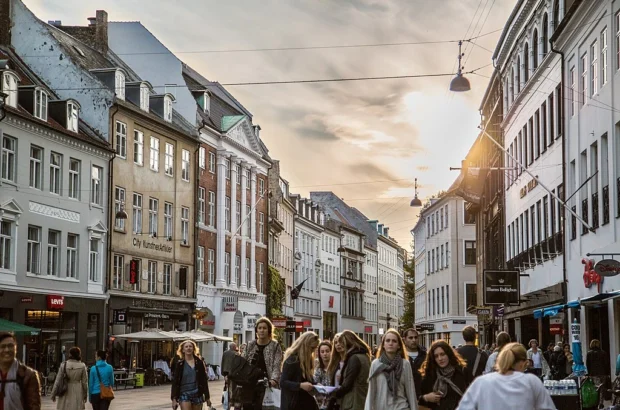
Strøget, Copenhagen’s pedestrian shopping street, runs through the heart of the old city. Here, you’ll find everything from high-fashion boutiques to quirky souvenir shops, street performers juggling beside department windows, and the constant hum of footsteps on stone. Early in the morning, the street is peaceful; by afternoon, it swells with shoppers and the smell of roasted nuts. My advice: slip into the narrow lanes branching off Strøget. These hidden streets reveal small design studios, secondhand bookshops, and cozy wine bars.
Vesterbro, once known for its nightlife, now houses craft breweries and art galleries. Nørrebro, multicultural and dynamic, surprises with its specialty grocery stores and late-night falafel stands. Østerbro is quieter, perfect for relaxed walks beneath chestnut trees. Each district has its own rhythm, shaped by history and the communities who live there.
Staying in Copenhagen: Atmosphere over Address
Finding a place to stay in Copenhagen is more about atmosphere than address. Many visitors choose the historic city center for its proximity to sights and its lively café culture, but I found joy in neighborhoods like Frederiksberg and Islands Brygge. These areas offer leafy parks, artisan bakeries, and local life at a gentle pace. You’re never far from the center thanks to the Metro, most places are just a few stops away.
Copenhagen’s architecture is a blend of old and new gabled roofs beside modern apartments, and courtyards shaded by ancient trees. Many guesthouses and boutique hotels are housed in renovated buildings, preserving details like tiled stairways or original wooden beams. Wherever you stay, the city’s calm confidence seeps in: clean lines, fresh linens, and a sense of welcome that is quietly genuine.
Customs, Etiquette, and Daily Life
Copenhageners are polite but reserved. A smile or nod is usually enough to greet someone you don’t know well. People respect personal space, especially on public transport, where it’s common to sit quietly and avoid loud conversations. When entering a home or some cafes, it is polite to remove your shoes though don’t worry, your host will tell you if it’s expected.
On the street, cyclists have right of way. Always look both ways before stepping onto bike paths. Tipping is appreciated but not required; most restaurants and cafes include service in the bill. Danes prize “hygge” a sense of coziness and togetherness. This might mean sharing pastries by candlelight, sitting quietly in a park, or gathering with friends over coffee.
Final Impressions: The Rhythm of Copenhagen
After months in Copenhagen, I learned the city is less about grand statements and more about subtle rhythms: the echo of church bells at noon, the way sunlight dances on old bricks, the sudden silence in a hidden courtyard. It’s a place where design and daily life blend, where people value both tradition and new ideas. Festivals fill the parks in summer, and in December, Christmas markets glow in the cold night.
For a change of pace from northern charm, this guide to Vienna’s imperial palaces and culture offers a rich contrast in European city experiences.
From the lively harbor of Nyhavn to the thoughtful quiet of The Little Mermaid, Copenhagen invites you to find beauty in small details a pastry shared, a park bench by the lake, a conversation with a local who, after a few words, will share a story about their city. For me, Copenhagen is best savored slowly, step by step, as each street and market reveals new layers of life. If you’re looking for a city that balances art, history, and everyday joy, this Scandinavian capital may just linger in your memory long after you leave.
Lover of cities, local cafés, and historic streets, exploring urban life with attention to architecture and culinary delights.
- Copenhagen City Hall by Scythian on Wikimedia Commons – cc by-sa 3.0
- Boats at Nyhavn, Copenhagen, 20220616 1937 6628 by Jakub Hałun on Wikimedia Commons – cc by-sa 4.0
- Lights – Tivoli Gardens (Copenhagen) – DSC08397 by Daderot on Wikimedia Commons – cc0
- The Little Mermaid – 4668118032 by Andrea Lai on Wikimedia Commons – cc by 2.0
- Kopenhagen Schloss Rosenborg 2 by Zairon on Wikimedia Commons – cc by-sa 3.0
- Christian VIII's Palæ, Amalienborg Palace, Copenhagen, 20220617 0852 6679 by Jakub Hałun on Wikimedia Commons – cc by-sa 4.0
- Christiansborg Palace 2017-08-16 by Colin on Wikimedia Commons – cc by-sa 4.0
- Marble church facade Copenhagen by Jebulon on Wikimedia Commons – cc0
- National Museum of Denmark in 2019.05 by CAPTAIN RAJU on Wikimedia Commons – cc by-sa 4.0
- Kopenhagen (DK), Runder Turm — 2017 — 1633 by Dietmar Rabich on Wikimedia Commons – cc by-sa 4.0
- Christiania (Copenhagen) 08 by Superchilum on Wikimedia Commons – cc by-sa 4.0
- Strøget CPH (15289680874) by Tony Webster from Portland, Oregon, United States on Wikimedia Commons – cc by 2.0


_-_DSC08397.JPG)


,_Runder_Turm_--_2017_--_1633.jpg)
_08.jpg)
.jpg)